Genres
Artists
Albums
Make Music
Sign in
Sign in
Artists
Jazz
Artists
Jazz
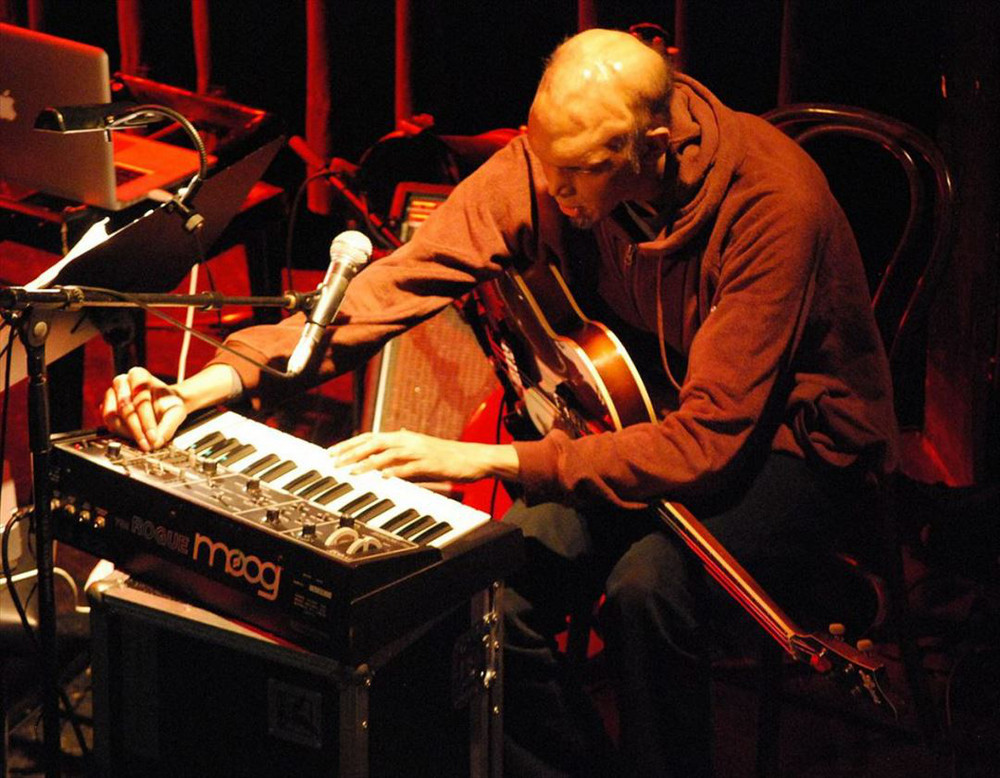
Shahzad Ismaily
2023
·
1 album
Listen
2
/5
Genres
New Isolationism
New isolationism is a contemporary strain of isolationist ambient and post-industrial minimalism that emerged in the 2010s, particularly around Scandinavian experimental labels and studios. It foregrounds intimate, close-mic’d sound, negative space, and a quiet-but-present noise floor; its pieces feel both internal and architectural, like rooms built from reverb tails, tape hiss, and soft electronics. Sonically, the style blends glacial drones, fragile chamber timbres (strings, organ, piano), lo‑fi electronics, and field recordings into stark, slow-evolving tableaux. Melodic information is sparse—often only a few tones or gestures—while rhythm is either absent or reduced to distant pulses, heartbeats, or mechanical cycles. Vocals, when they appear, are murmured, diaristic, or abstracted by pitch and time manipulation. Aesthetically, new isolationism is post‑internet and diaristic: it captures solitude, memory, and dislocation with a palette that feels personal yet estranged, drawing as much from contemporary gallery sound practice as from classic dark ambient.
Discover
Listen
Ambient
Ambient is a form of electronic and electroacoustic music that prioritizes tone, atmosphere, and texture over conventional song structures and rhythmic drive. It typically features slow-moving harmonies, sustained drones, gentle timbral shifts, and extensive use of space and silence. Rather than drawing attention to itself through hooks or beats, ambient is designed to be as ignorable as it is interesting, rewarding both background listening and focused immersion. Artists often employ synthesizers, samplers, tape loops, field recordings, and subtle acoustic instruments, with reverb and delay creating a sense of place. Substyles range from luminous, consonant soundscapes to darker, more dissonant atmospheres.
Discover
Listen
Jazz
Jazz is an improvisation-centered music tradition that emerged from African American communities in the early 20th century. It blends blues feeling, ragtime syncopation, European harmonic practice, and brass band instrumentation into a flexible, conversational art. Defining features include swing rhythm (a triplet-based pulse), call-and-response phrasing, blue notes, and extended harmonies built on 7ths, 9ths, 11ths, and 13ths. Jazz is as much a way of making music—spontaneous interaction, variation, and personal sound—as it is a set of forms and tunes. Across its history, jazz has continually hybridized, from New Orleans ensembles and big-band swing to bebop, cool and hard bop, modal and free jazz, fusion, and contemporary cross-genre experiments. Its influence permeates global popular and art music.
Discover
Listen
Ghazal
Ghazal is a South Asian light-classical vocal genre built around the Urdu–Persian poetic form of the same name. It sets couplets (sher) that share a rhyme (qaafiya) and refrain (radif), often opening with a matla and ending with a maqta featuring the poet’s takhallus. Themes revolve around love, longing, separation, metaphysical yearning, and refined wit. Musically, ghazal draws on Hindustani classical grammar but prioritizes text clarity and melodic expressiveness over elaborate improvisation. Performances commonly feature a singer accompanied by harmonium and tabla (with sarangi, sitar, or guitar as color), use raga-informed melodies, and keep lilting tala cycles such as dadra (6 beats) or keherwa (8 beats). The style favors intimate delivery, subtle ornamentation (meend, murki), and immaculate diction, making it ideal for salon (mehfil) settings as well as recorded and film music.
Discover
Listen
Qawwali
Qawwali is a Sufi devotional vocal music from the Indian subcontinent that aims to evoke spiritual ecstasy and communal devotion. It is typically performed by a lead singer (qawwal) with a small ensemble of accompanying vocalists, harmoniums, handclaps, and percussion such as dholak and tabla. Musically, Qawwali blends raga-based melodic frameworks and flexible, improvisatory singing with driving rhythms and responsorial choruses. Texts are drawn from Urdu, Persian, Punjabi, and other North Indian languages, and include ghazals, kafis, hamds (praise of God), naats (praise of the Prophet), and manqabats (praise of Sufi saints). Performances traditionally take place at Sufi shrines (dargahs), where repetition, call-and-response, and gradual intensification lead listeners toward wajd (states of spiritual ecstasy). In the modern era, Qawwali is also heard on concert stages, recordings, and film.
Discover
Listen
Albums
2023
2
/5
Love in Exile
Arooj Aftab, Vijay Iyer & Shahzad Ismaily
Ghazal
Ambient
Jazz
Similar artists
2
/5
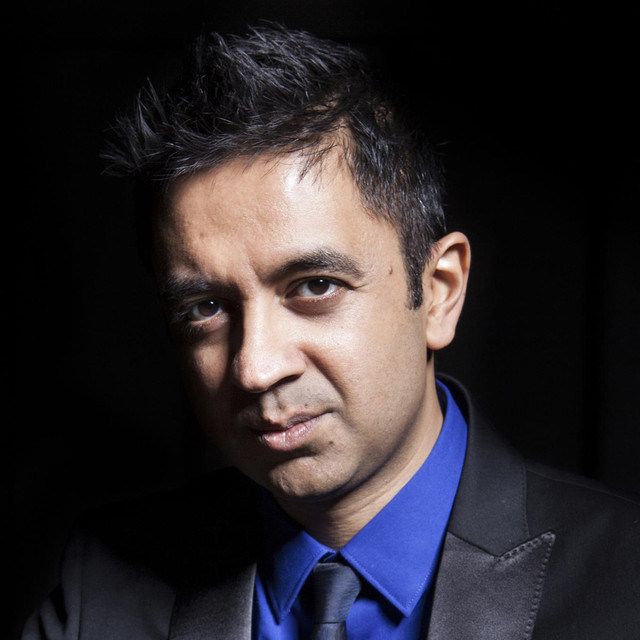
Vijay Iyer
Jazz
Free Jazz
Ambient
1
/5
Various Artists
Afro-Funk
Alternative Rock
Ambient
3
/5
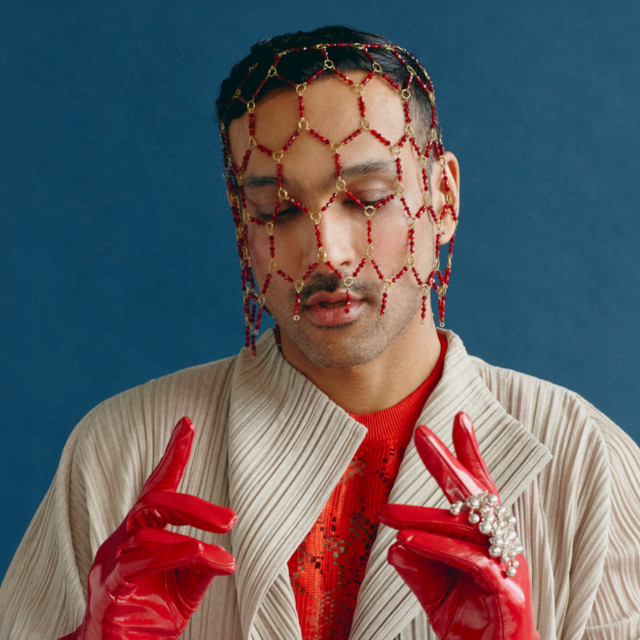
Arooj Aftab
Ghazal
Indian Indie
Jazz
5
/5
Pritam
Bollywood
Filmi
Pop
4
/5
Traditional
Gregorian Chant
Spanish Classical Music
Medieval Classical Music
3
/5
Ali Sethi
Sufi
Desi
Ghazal
5
/5
Hans Zimmer
Country Dawn
Soundtrack
Classical
4
/5
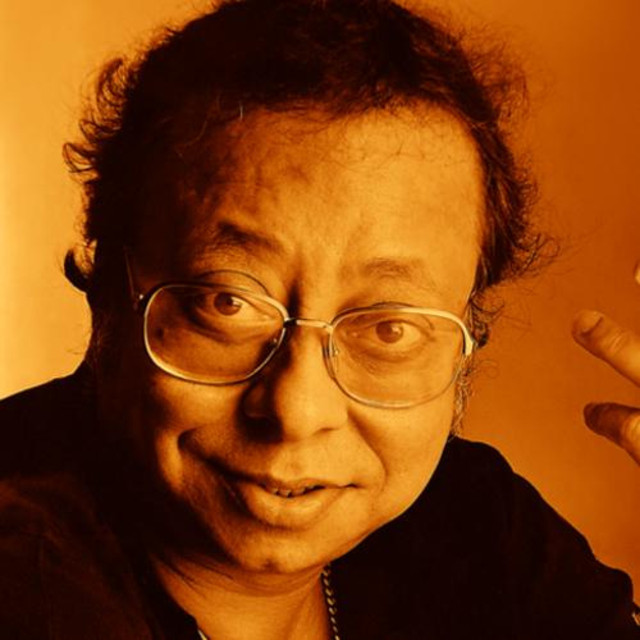
R. D. Burman
Bollywood
Filmi
Pop
3
/5
Angelo Badalamenti
Dark Jazz
Soundtrack
Jazz
3
/5
Ry Cooder
Piedmont Blues
Blues
Jazz
Download our mobile app
Get the Melodigging app and start digging for new genres on the go
Download on the App Store
Get it on Google Play
© 2026 Melodigging
Give feedback
Legal
Melodding was created as a tribute to
Every Noise at Once
, which inspired us to help curious minds keep digging into music's ever-evolving genres.