Genres
Artists
Albums
Make Music
Sign in
Sign in
Artists
Electronic
Artists
Electronic
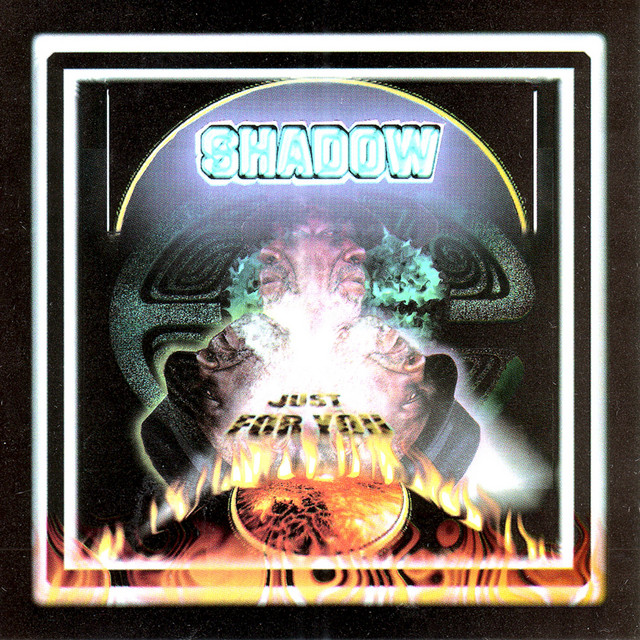
Shadow
2016
·
3 albums
Listen
2
/5
Genres
Italo Beats
Italo beats is a contemporary, club-oriented offshoot of the classic Italian Italo sound, fusing the sleek melodicism of 1980s Italo disco with the punch and polish of modern European dance music. Typical tracks feature four-on-the-floor drums, bright synth leads, rubbery basslines, and hook-forward vocals that lean into romantic or nightlife themes. Rather than being a strict historical movement, Italo beats functions as a modern production style and DJ vernacular that revives Italo’s earworm melodies and neon textures while adopting current mixdown aesthetics (sidechained pads, wider stereo imaging, and festival-ready low end). It thrives in streaming-era dance culture, uniting Italian, Central/Eastern European, and broader EU producers around a recognizable “Italo-flavored” club sound.
Discover
Listen
Souldies
Souldies is a modern revival of classic lowrider “oldies” soul—slow, tender ballads rooted in 1960s and early-’70s sweet soul and doo‑wop aesthetics, reimagined by a new generation of largely Chicano/Latinx artists in Southern California. Characterized by warm, analog-leaning production, mellow backbeats, honeyed vocal harmonies, and heart‑on‑sleeve lyricism, the style favors mid‑slow tempos, tape‑like saturation, spring/plate reverb, and minimalist yet expressive arrangements. English and Spanish (or Spanglish) lyrics often explore love, longing, devotion, and cruising/lowrider culture. Souldies sits at the intersection of classic soul, rhythm & blues, northern soul selections, and Latin soul, offering a contemporary, community‑centered sound that feels both timeless and newly personal.
Discover
Listen
Soca
Soca is a high‑energy dance music from Trinidad and Tobago that emerged in the early 1970s as a modernized offshoot of calypso. It blends calypso’s witty lyricism and call‑and‑response with Afro‑Caribbean percussion, East Indian rhythmic accents, and contemporary funk/disco/pop production. Typical features include a four‑on‑the‑floor kick, strong backbeat claps, driving "engine room" percussion (iron/cowbell), syncopated bass lines, bright synths or brass stabs, up‑stroke rhythm guitar, and catchy chant‑like hooks designed for crowd participation. Tempos range from around 110–125 BPM for "groovy soca" to 150–165 BPM for "power soca," reflecting music made for Carnival fetes, road marches, and mass performance.
Discover
Listen
Disco
Disco is a dance-music genre and nightlife subculture that crystallized in the United States during the 1970s, drawing especially from African-American, Italian-American, Latino, and queer club communities. Musically, disco is typified by a steady four-on-the-floor kick drum, syncopated and melodic electric-bass lines, lush string sections, bright brass and horns, electric pianos and synthesizers, and percussive, choppy rhythm guitars. Arrangements often feature orchestral colors, handclaps, congas, and vibraphone or bell textures, all engineered to deliver a continuous, groove-forward experience for the dance floor. The style combines the rich orchestration and romantic sweep of Philadelphia soul with the bottom-end drive of funk and the songcraft of contemporary R&B/pop, delivered in DJ-friendly extended mixes and 12-inch singles designed for club play.
Discover
Listen
Reggae
Reggae is a popular music genre from Jamaica characterized by a laid-back, syncopated groove, prominent bass lines, and steady offbeat “skank” guitar or keyboard chords. The rhythmic core often emphasizes the third beat in a bar (the “one drop”), creating a spacious, rolling feel that foregrounds bass and drums. Typical instrumentation includes drum kit, electric bass, rhythm and lead guitars, keyboards/organ (notably the Hammond and the percussive "bubble"), and often horn sections. Tempos generally sit around 70–80 BPM (or 140–160 BPM felt in half-time), allowing vocals to breathe and messages to be clearly delivered. Lyrically, reggae ranges from love songs and everyday storytelling to incisive social commentary, resistance, and spirituality, with Rastafarian culture and language (e.g., “I and I”) playing a central role in many classic recordings. Studio production techniques—spring reverbs, tape delays, and creative mixing—became signature elements, especially through dub versions that strip down and reimagine tracks.
Discover
Listen
Funk
Funk is a rhythm-forward African American popular music style that centers on groove, syncopation, and interlocking parts. Rather than emphasizing complex chord progressions, funk builds tight, repetitive vamps that highlight the rhythm section and create an irresistible dance feel. The genre is marked by syncopated drum patterns, melodic yet percussive bass lines, choppy guitar "chanks," punchy horn stabs, call‑and‑response vocals, and a strong backbeat. Funk’s stripped-down harmony, prominent use of the one (accenting the downbeat), and polyrhythmic layering draw deeply from soul, rhythm and blues, jazz, gospel, and African rhythmic traditions. From James Brown’s late-1960s innovations through the expansive P-Funk universe and the slicker sounds of the 1970s and 1980s, funk has continually evolved while seeding countless other genres, from disco and hip hop to house and modern R&B.
Discover
Listen
Electronic
Electronic is a broad umbrella genre defined by the primary use of electronically generated or electronically processed sound. It encompasses music made with synthesizers, drum machines, samplers, computers, and studio/tape techniques, as well as electroacoustic manipulation of recorded or synthetic sources. The genre ranges from academic and experimental traditions to popular and dance-oriented forms. While its sonic palette is rooted in electricity and circuitry, its aesthetics span minimal and textural explorations, structured song forms, and beat-driven club permutations. Electronic emphasizes sound design, timbre, and studio-as-instrument practices as much as melody and harmony.
Discover
Listen
Calypso
Calypso is an Afro‑Caribbean vocal music and dance style that originated in Trinidad and Tobago among Afro‑Trinidadians. It blends West African kaiso traditions and French Creole carnival song practices into a witty, topical song form built for public performance and communal participation. Musically, calypso is typically in 2/4 or 4/4 with a lilting, syncopated "calypso rhythm" that often accents a 3‑3‑2 feel across the bar. Melodies favor catchy, singable refrains, call‑and‑response, and verse–chorus structures. Instrumentation historically included tamboo‑bamboo and hand percussion, then small dance bands with guitar, cuatro, upright bass, brass, and later steelpan and full brass/engine‑room sections. Lyrically, calypso is renowned for picong (good‑humored verbal sparring), double entendre, social and political commentary, and news‑of‑the‑day storytelling delivered by charismatic calypsonians in tents and at carnival.
Discover
Listen
Show all 8 genres
Albums
2016
2
/5
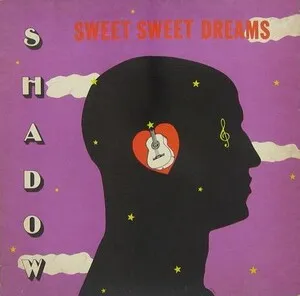
Sweet Sweet Dreams
Shadow
Soca
Disco
Electronic
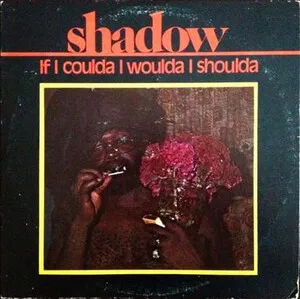
If I Coulda I Woulda I Shoulda
Shadow
Calypso
If I Coulda I Woulda I Shoulda
Shadow
Soca
Similar artists
1
/5
Various Artists
Afro-Funk
Alternative Rock
Ambient
4
/5
Quantic
Electronic
Nu-Cumbia
Downtempo
4
/5
Boney M.
Disco
Euro-Disco
Europop
2
/5
Byron Lee
Calypso
Reggae
Rocksteady
4
/5
Kevin Lyttle
Soca
Dancehall
Basshall
3
/5
Machel Montano
Calypso
Chutney
Soca
2
/5
Mighty Sparrow
Calypso
Soca
Reggae
3
/5
Eddy Grant
Shimmer Psych
Electronic
Reggae
3
/5
Baha Men
Junkanoo
Big Beat
Electronic
2
/5
Rhythm & Sound
Dub
Electronic
Reggae
Download our mobile app
Get the Melodigging app and start digging for new genres on the go
Download on the App Store
Get it on Google Play
© 2026 Melodigging
Give feedback
Legal
Melodding was created as a tribute to
Every Noise at Once
, which inspired us to help curious minds keep digging into music's ever-evolving genres.