Genres
Artists
Albums
Make Music
Sign in
Sign in
Artists
Dabke
Artists
Dabke
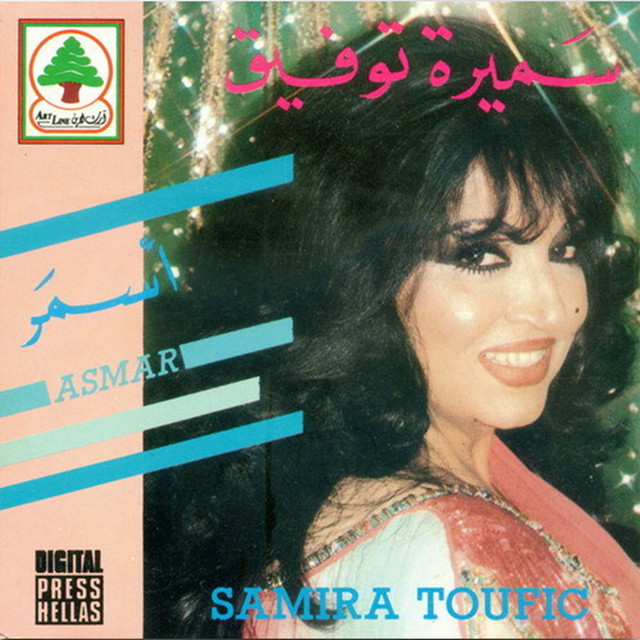
Samira Tawfik
1979
·
1 album
Listen
2
/5
Genres
Mūsīqā Lubnāniyya
Mūsīqā lubnāniyya (Lebanese music) denotes the modern popular and art-music traditions that emerged in Lebanon, blending Levantine folk idioms, Arabic maqam-based composition, and Western pop/jazz orchestration. It is characterized by melodic lines rich in ornamentation and microtonal inflections, buoyant dabke rhythms for dance repertoire, and poetic lyrics in Lebanese Arabic that range from romantic to patriotic and nostalgic themes. In the second half of the 20th century, Beirut’s studios, composers, and star singers shaped a distinctive sound—at once rooted in regional modalities and open to European chanson, classical orchestration, and jazz harmony.
Discover
Listen
Dabke
Dabke is a high‑energy Levantine line‑dance music associated with communal celebration, especially weddings and village festivals. It is driven by stomping rhythms and call‑and‑response vocals that cue and propel the dancers, who hold hands or shoulders in a line led by a raas (leader). Musically, dabke sits in the Arabic maqam system, with melodies often built on Bayati, Hijaz, Kurd, or Nahawand. Traditional ensembles feature reed pipes such as the mijwiz and yarghul, piercing double‑reed zurna, and hand percussion like the darbuka (tabla), riqq, and daff. Since the late 20th century, electronic keyboards with quarter‑tone tuning have become central, creating the distinctive modern “wedding keyboard” sound that powers contemporary dabke‑pop and electro‑dabke.
Discover
Listen
Levantine Arabic Music
Levantine Arabic music refers to the Arab musical traditions of the Eastern Mediterranean—today’s Syria, Lebanon, Palestine, Jordan, and Arab communities in Israel. It balances refined urban art music with village and dance repertories, all articulated through the Arabic maqam system and cyclical iqaʿ (rhythmic) cycles. Core timbres come from oud, qanun, buzuq, ney, violin/cello in Arab tuning, and hand percussion such as riqq and darbuka. Vocal performance emphasizes ornamentation, expressive melismas, and the aesthetics of tarab (ecstatic musical transport). Key forms include muwashshah and qudud Halabiyya (Aleppine songs), mawwal and layali (free-meter vocal improvisations), and popular dabke songs for line-dances. As a historical crossroads, the Levant synthesized Arab, Ottoman/Turkish, Persian, Byzantine/Syriac liturgical, and Andalusi legacies. In the 20th century, cosmopolitan Beirut, Damascus, and Aleppo studios and theaters helped shape modern Arabic song while keeping local dialects and rhythms central.
Discover
Listen
Albums
1979
2
/5
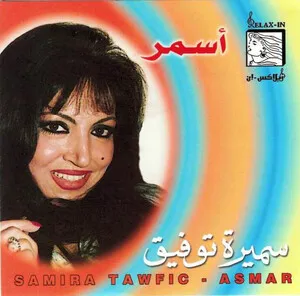
أسمر (Asmar)
Samira Tewfiq سميرة توفيق
Dabke
Mūsīqā Lubnāniyya
Levantine Arabic Music
Similar artists
4
/5
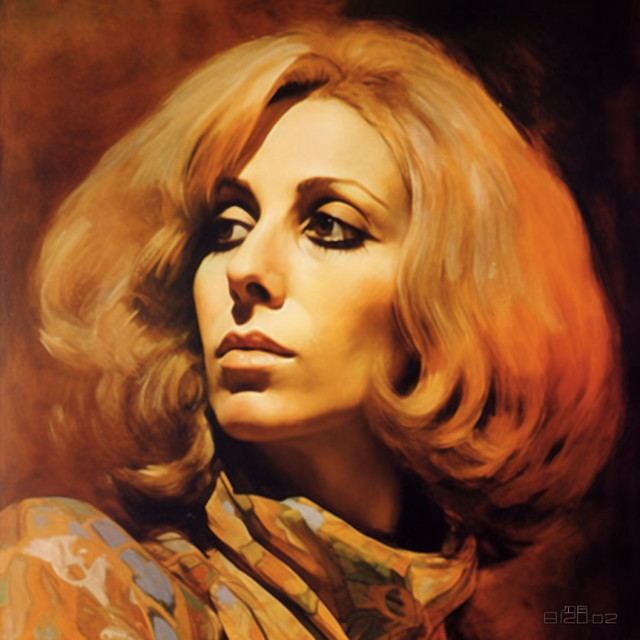
Fairuz
Al-Jadīd
Mūsīqā Lubnāniyya
Dabke
3
/5
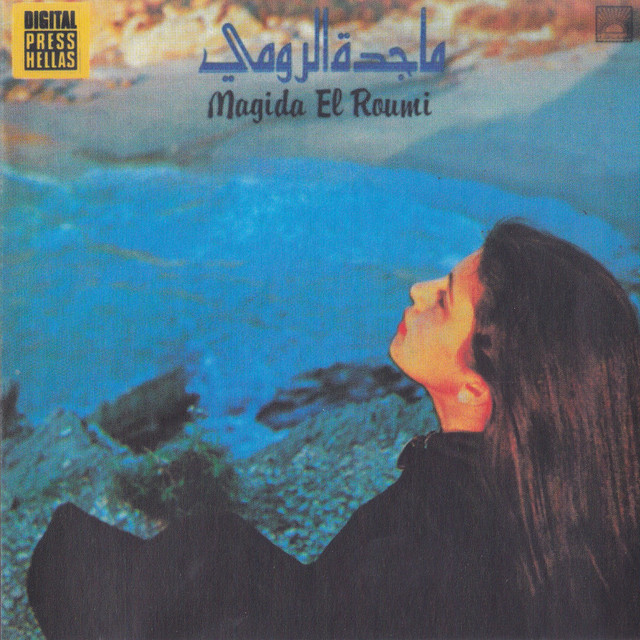
Majida El Roumi
Al-Jadīd
Arabic Pop
Levantine Arabic Music
3
/5
Omar Souleyman
Dabke
Levantine Arabic Music
Arabic Pop
3
/5
Acid Arab
Arab Groove
Electronic
Indian Indie
3
/5
Ziad Rahbani
Arab Groove
Arabic Jazz
Levantine Arabic Music
3
/5
Sabah
Mūsīqā Lubnāniyya
Classic Arab Pop
Lebanese Pop
3
/5
Elias Rahbani
Arab Groove
Arabic Bellydance Music
Arabic Folk Music
2
/5
47SOUL
Arabic Hip Hop
Middle East Hip Hop
Palestinian Hip-Hop
2
/5
Marcel Khalife
Levantine Arabic Music
Arabic Classical Music
Arabic Folk Music
2
/5
Issam Hajali
Arab Groove
Psychedelic Folk
Psychedelic Pop
Download our mobile app
Get the Melodigging app and start digging for new genres on the go
Download on the App Store
Get it on Google Play
© 2026 Melodigging
Give feedback
Legal
Melodding was created as a tribute to
Every Noise at Once
, which inspired us to help curious minds keep digging into music's ever-evolving genres.