Genres
Artists
Albums
Make Music
Sign in
Sign in
Artists
Chiptune
Artists
Chiptune
Sabrepulse
2011–2015
·
3 albums
Listen
2
/5
Genres
Pixel
Pixel is an internet-born microgenre that blends chiptune’s 8‑ and 16‑bit timbres with glossy, high‑energy electropop and hyperpop production. You’ll hear pulse‑width‑modulated square leads, triangle basses, noise‑channel snares, rapid arpeggios that imply chords, and lots of game‑console sound design (NES/SNES/Genesis palettes). Melodies are bright and hooky, arrangements are tightly quantized and often very fast, and sound design leans “cute,” cartoonish, and ultra‑synthetic. Producers frequently add modern touches—side‑chain pumping, OTT compression, hard clip/bit‑crush distortion, and pitched/Auto‑Tuned vocals—so the result feels at once retro and contemporary. Aesthetically it signals retro‑gaming and net culture: UI bleeps, item‑pickup stingers, and level‑up flourishes sit alongside maximal, sugary pop writing. Typical tempos range from 120–170 BPM, with common detours into double‑time or halftime drops.
Discover
Listen
Broken Transmission
Broken transmission is a vaporwave-adjacent microgenre built from fragmented, channel-surfing collages of analog broadcast ephemera. Producers splice together tiny shards of TV idents, news stingers, commercials, interstitial music, and dead air, emphasizing tape hiss, static, dropouts, and tuning noise as musical material. Often beatless or only loosely pulsed, tracks unfold like late-night flipping through channels: abrupt cuts, fleeting jingles, station sign‑offs, and half-heard voiceovers that dissolve into snow. The result is a liminal, hauntological mood—nostalgia filtered through the mechanical errors and material decay of VHS, cable boxes, and broadcast tape. Where classic vaporwave slows and loops pop smoothness, broken transmission foregrounds the texture of the medium itself. It treats errors, transitions, and broadcast artifacts as hooks, creating an uncanny documentary of mediated memory.
Discover
Listen
Otacore
Otacore is a fan-driven, internet-native umbrella for music centered on anime, manga, gaming, and broader otaku culture. Rather than a single strict musical style, it describes a cluster of scenes where pop, electronic, rock, and rap intersect with anime aesthetics, story tropes, and character/fandom references. Typical otacore repertoires include Vocaloid productions, anisong-style pop/rock, high-energy EDM with kawaii sound design, nightcore-style edits, game-inspired chiptune flourishes, and cover cultures (English/Japanese) tied to anime and game franchises. Distribution and discovery are powered by platforms such as Nico Nico Douga, YouTube, SoundCloud, streaming playlists, and later TikTok, where memeability, fan videos (AMVs), and vtuber performances help songs spread globally.
Discover
Listen
Glitch Hop Edm
Glitch hop EDM is a bass-heavy, midtempo offshoot of glitch and hip-hop that adopts the large-scale sound design, drops, and festival-ready structures of contemporary EDM. It typically runs around 90–115 BPM with a swung or syncopated hip-hop groove, while employing stutter edits, tape stops, bitcrushing, buffer repeats, granular chops, and intricate automation to create the characteristic "glitched" feel. Tracks often feature thick, modulated basslines; punchy, off-kilter drums; chopped vocals and foley; and harmonies that borrow from jazz, funk, and soul, all arranged in EDM-style buildups and drops.
Discover
Listen
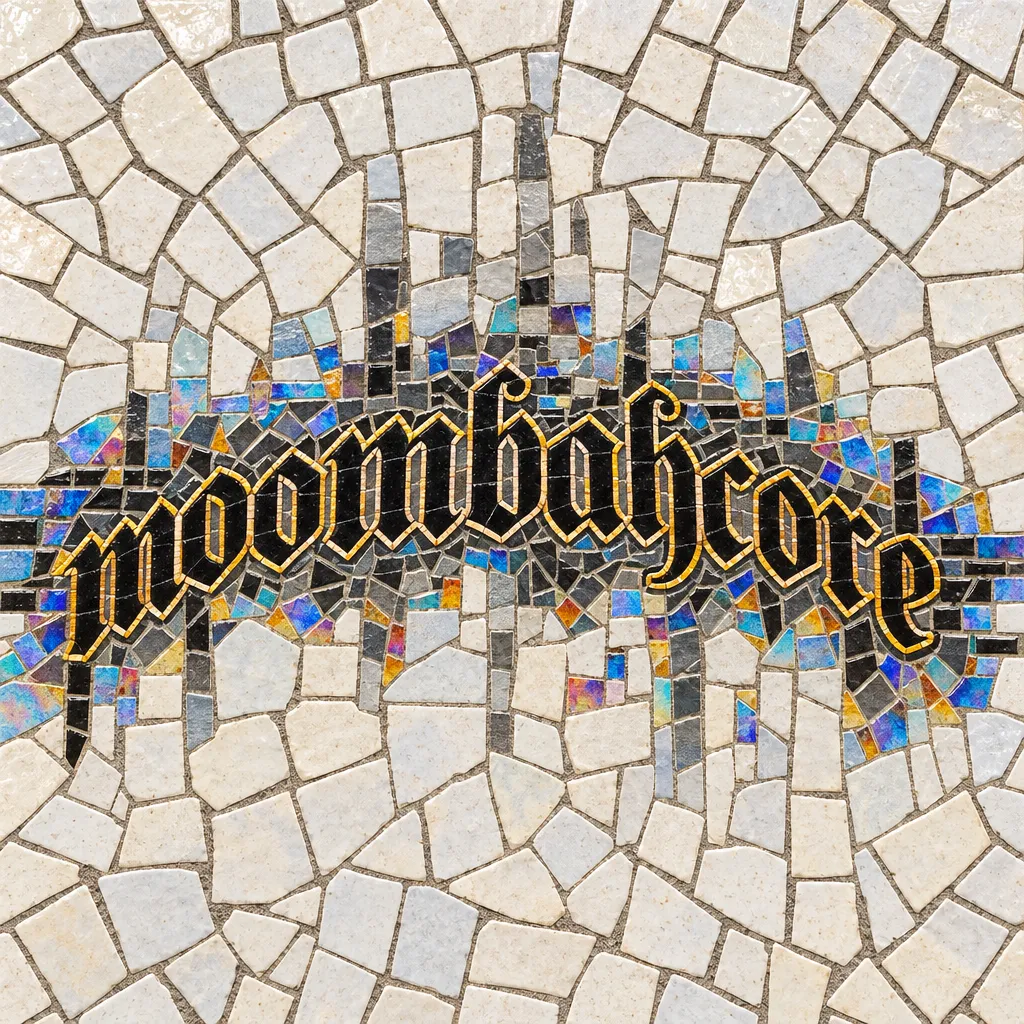
Moombahcore
Moombahcore is a heavy, mid‑tempo offshoot of moombahton that fuses reggaeton’s dembow groove with the sound‑design and impact of dubstep and electro house. Typically set around 100–115 BPM (with 108–110 BPM common), it features syncopated dembow drums, massive wobble/growl basses, hard electro leads, and festival‑style builds and drops. Compared to standard moombahton, moombahcore is darker, more aggressive, and more sound‑design‑driven, yet it retains the swaying, dance‑forward pulse of Latin and dancehall rhythms. Producers often employ complex bass resampling, heavy distortion and saturation, sharp snare accents on the 3, and percussive fills drawn from reggaeton and dancehall, making the genre ideal for high‑energy club and festival contexts.
Discover
Listen
Neurohop
Neurohop is a bass music subgenre that fuses the intricate, high-tech sound design and tense atmospheres of neurofunk with the swagger, swing, and groove of hip hop and glitch-hop tempos. Typically sitting around 90–115 BPM (often felt as halftime), it emphasizes surgically sculpted mid-bass lines, resampled textures, and precision drum programming. The result is music that is simultaneously head‑nodding and highly technical, pairing hip hop’s rhythmic feel with the detailed modulation, movement, and spectral complexity associated with modern drum and bass and dubstep.
Discover
Listen
Nightrun
Nightrun is a synthwave-adjacent microgenre built for the sensation of cruising through a neon-lit city at night. It blends retro-’80s analog synth timbres, melodramatic minor-key harmonies, and steady four-on-the-floor or motorik grooves with a glossy, cinematic finish. Compared to broader synthwave, nightrun tends to be slightly leaner and more driving: pulsing bass arpeggios, gated snares, and shimmering pads frame soaring lead melodies that evoke nocturnal highways, sodium lights, and distant horizons. Tempos typically sit in the midtempo range (about 85–110 BPM), with arrangements that rise and fall like a night drive—quiet intros, long cruising sections, and cathartic choruses. Aesthetically, it borrows the neon futurism of 1980s action and thriller soundtracks, while adopting modern production sheen and sidechain pumping. The result is danceable yet reflective electronic music tailored to late-night motion and nostalgic escapism.
Discover
Listen
Seapunk
Seapunk is an early-2010s internet-born microgenre and multimedia aesthetic that fuses retro-rave sonics with Y2K-era, ocean-themed visuals. Its sound blends 1990s house and trance riffs, chopped-and-screwed and vaporwave-adjacent sampling, splashy 808/909 drums, and glossy, “watery” synth textures. The visual world is as important as the music: turquoise/teal palettes, 3D chrome dolphins, coral gradients, pixel seas, and GIF-era net art. Together, these define a playful, nostalgic, and cyber-aquatic identity that celebrates both rave euphoria and web-native DIY culture.
Discover
Listen
Nintendocore
Nintendocore is a fusion of chiptune/video‑game aesthetics with the aggression and structures of hardcore, metalcore, and related heavy styles. It pairs 8‑bit timbres reminiscent of NES and Game Boy sound chips with distorted guitars, screamed or shouted vocals, breakdowns, and high‑energy drumming. Typical sonic markers include square‑wave leads, triangle‑wave bass lines, noise‑channel snares and hi‑hats, rapid arpeggios, and modal melodies that evoke classic game soundtracks. These are integrated into punk/metal frameworks featuring blast beats, mathy syncopations, and dynamic stop‑starts. While some bands directly quote game themes, many write original material that channels the same nostalgic, pixelated character. Culturally, the genre emerged from early‑2000s internet communities and DIY scenes (forums, MySpace, netlabels) where hardware hacking, tracker composition, and hardcore touring circuits overlapped.
Discover
Listen
Breakcore
Breakcore is a high-intensity electronic music genre built around hyper-edited breakbeats, extreme dynamics, and a deliberately transgressive, collage-like approach to sampling. It prioritizes rhythmic complexity, abrupt structural shifts, and heavy sound design over smooth continuity. Typical tempos range from 160 to 220 BPM (and beyond), with the Amen break, Think break, and other classic breakbeats chopped into micro-fragments, re-sequenced, and processed with distortion, compression, and glitch edits. The palette freely fuses elements from jungle and drum and bass with gabber kicks, industrial noise, classical or choral snippets, ragga vocals, metal guitar samples, and odd-meter patterns. More than a single “sound,” breakcore is a methodology: confrontational energy, maximalist editing, and anti-formalist structures that often subvert dance-music expectations. It thrives in DIY scenes, warehouse parties, and netlabel cultures, where forward-pushing experimentation and boundary-blurring sampling are central values.
Discover
Listen
Chiptune
Chiptune (also called chip music or 8-bit music) is a style of electronic music created with, or emulating, the programmable sound generator (PSG) and FM chips found in vintage game consoles and home computers such as the NES/Famicom, Game Boy, Commodore 64 (SID), Amiga, Atari ST, and others. The sound palette is defined by simple waveforms (square/pulse, triangle, saw, noise), rapid arpeggios that imply chords on limited channels, pitch bends, duty-cycle modulation, and crunchy noise percussion. These constraints lend chiptune its bright, percussive, and highly melodic character, often evoking early video-game aesthetics. While originally utilitarian—music for games and computer demos—the approach evolved into a standalone art form. Contemporary chiptune spans pure hardware-authentic tracks and hybrid productions that blend chip timbres with modern synthesis, drums, vocals, and mixing techniques.
Discover
Listen
Electronic
Electronic is a broad umbrella genre defined by the primary use of electronically generated or electronically processed sound. It encompasses music made with synthesizers, drum machines, samplers, computers, and studio/tape techniques, as well as electroacoustic manipulation of recorded or synthetic sources. The genre ranges from academic and experimental traditions to popular and dance-oriented forms. While its sonic palette is rooted in electricity and circuitry, its aesthetics span minimal and textural explorations, structured song forms, and beat-driven club permutations. Electronic emphasizes sound design, timbre, and studio-as-instrument practices as much as melody and harmony.
Discover
Listen
Show all 12 genres
Albums
2015
3
/5
Domo Loves Chiptune
Sabrepulse
Nintendocore
2011
2
/5
Chipbreak Wars
Sabrepulse
Chiptune
Breakcore
Electronic
2011
1
/5
Famicom Connection
Sabrepulse
Chiptune
Similar artists
1
/5
Various Artists
Afro-Funk
Alternative Rock
Ambient
3
/5
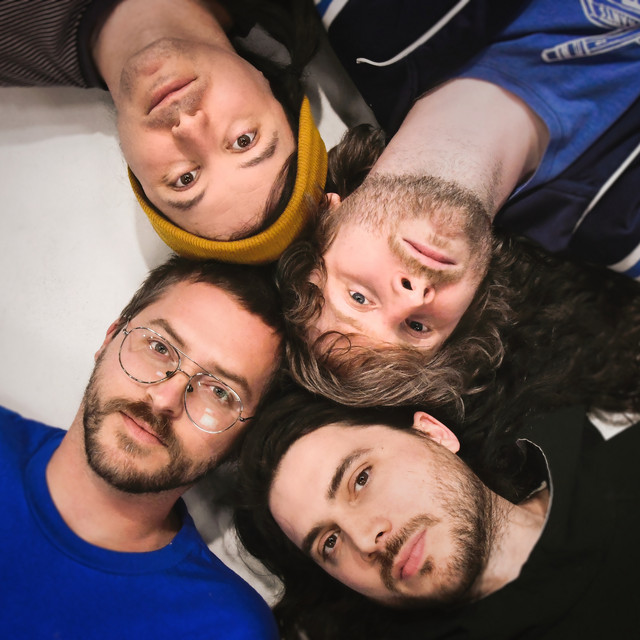
Anamanaguchi
Chiptune
Bitpop
Nintendocore
4
/5
Camellia
Denpa-Kei
Electronic
J-Core
4
/5
C418
Ambient
Electronic
Idm
3
/5
Disasterpeace
Chiptune
Digital Fusion
Electronic
3
/5
MASTER BOOT RECORD
Synthwave
Darksynth
Cyber Metal
4
/5
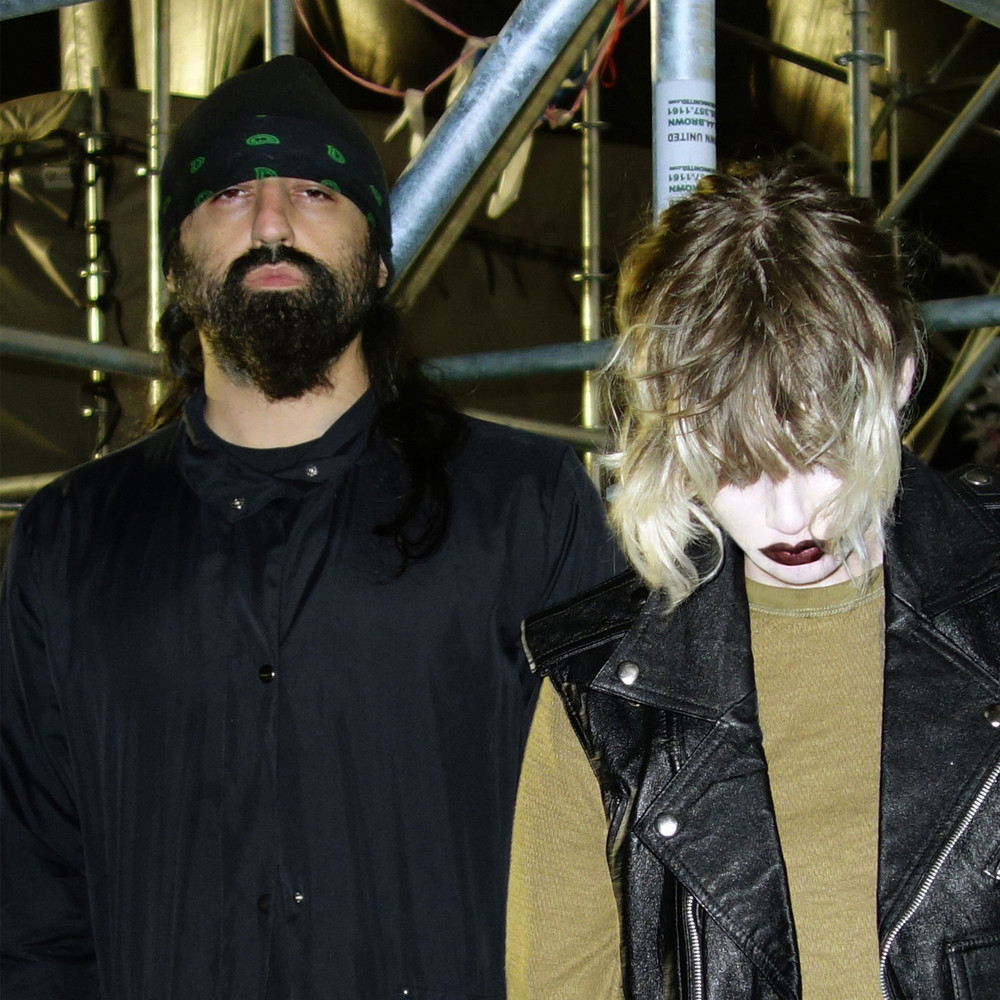
Crystal Castles
Bitpop
Digital Hardcore
Nintendocore
3
/5
Enter Shikari
Nintendocore
Alternative Rock
Post-Hardcore
3
/5
I See Stars
Nintendocore
Deathstep
Metalcore
2
/5
Kubbi
Bitpop
Chiptune
Chillstep
Download our mobile app
Get the Melodigging app and start digging for new genres on the go
Download on the App Store
Get it on Google Play
© 2026 Melodigging
Give feedback
Legal
Melodding was created as a tribute to
Every Noise at Once
, which inspired us to help curious minds keep digging into music's ever-evolving genres.