Genres
Artists
Albums
Make Music
Sign in
Sign in
Artists
Dubstep
Artists
Dubstep
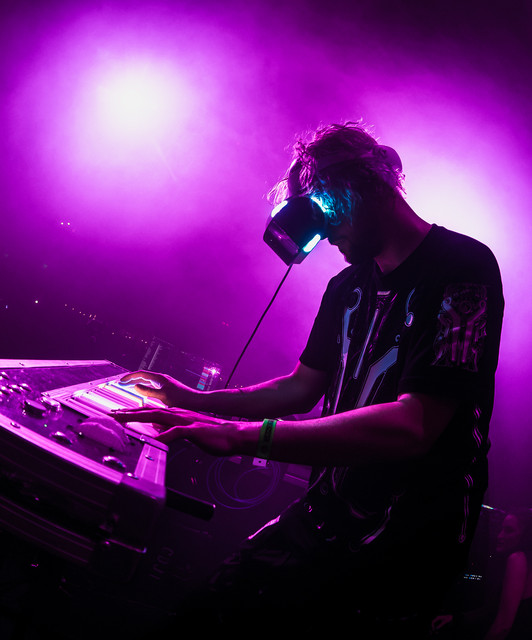
Razihel
2016
·
1 album
Listen
2
/5
Genres
Gamecore
Gamecore is an internet-native electronic microgenre that fuses the timbres, melodies, and narrative tropes of classic and modern video game music with contemporary EDM songcraft. Its palette leans heavily on chiptune waveforms (square, triangle, noise), retro console/arcade sound effects, and leitmotif-style hooks, but frames them within club-forward rhythms and sound design drawn from electro house, future bass, glitch hop, dubstep, and drum & bass. The result is a bright, kinetic, and often nostalgic sound that feels like a “boss battle” drop or a euphoric level clear. Scenes and labels tied to VGM remix culture, doujin circles, and demoscene aesthetics helped codify the style, while streamers, esports content, and indie game culture amplified its reach.
Discover
Listen
Gaming Edm
Gaming EDM is a bright, hook‑driven branch of electronic dance music tailored for online gaming, streaming, and creator culture. It blends festival‑ready drops and sidechained supersaws with melodic, video‑game–friendly timbres (arpeggiated leads, chip/8‑bit flourishes) and clean royalty-friendly production that sits well under voice chat or commentary. The songs are typically concise, high‑energy, and instantly catchy, engineered to loop well on streams and to sync to highlight reels and esports content.
Discover
Listen
Drumstep
Drumstep is a hybrid of drum and bass and dubstep that keeps the high energy and bass design of dubstep while adopting the tempo and rhythmic vocabulary of drum and bass. Typically written around 170–176 BPM but felt in halftime, drumstep places the snare on beat 3, creating a loping, head-nodding feel while preserving the pace and tension of fast DnB. Sound design favors aggressive midrange basses (reese variations, growls, wubs), heavy sub-bass, crisp snares, and densely syncopated hi-hats and percussion. In DJ contexts, drumstep bridges 140 BPM dubstep and 174 BPM drum and bass, allowing seamless genre-switching within high-energy sets. It’s punchy, festival-ready, and often minimal melodically, focusing on impact, groove, and sound design fireworks.
Discover
Listen
Edm
EDM (Electronic Dance Music) refers to the mainstream, festival-oriented wave of electronic dance styles that rose to global prominence in the early 2010s. It emphasizes high-energy drops, ear-catching toplines, and crowd-pleasing arrangements designed for large stages and mass audiences. Musically, EDM typically sits around 124–130 BPM with a strong four-on-the-floor kick, wide supersaw leads, bright plucks, and heavily sidechained pads and basses for a pumping feel. Tracks are structured around tension-and-release: intros and builds lead to explosive drops, followed by breakdowns that rebuild energy. Vocals and pop-style songwriting frequently appear, enabling crossover success on radio and streaming platforms.
Discover
Listen
Moombahcore
Moombahcore is a heavy, mid‑tempo offshoot of moombahton that fuses reggaeton’s dembow groove with the sound‑design and impact of dubstep and electro house. Typically set around 100–115 BPM (with 108–110 BPM common), it features syncopated dembow drums, massive wobble/growl basses, hard electro leads, and festival‑style builds and drops. Compared to standard moombahton, moombahcore is darker, more aggressive, and more sound‑design‑driven, yet it retains the swaying, dance‑forward pulse of Latin and dancehall rhythms. Producers often employ complex bass resampling, heavy distortion and saturation, sharp snare accents on the 3, and percussive fills drawn from reggaeton and dancehall, making the genre ideal for high‑energy club and festival contexts.
Discover
Listen
Glitch Hop Edm
Glitch hop EDM is a bass-heavy, midtempo offshoot of glitch and hip-hop that adopts the large-scale sound design, drops, and festival-ready structures of contemporary EDM. It typically runs around 90–115 BPM with a swung or syncopated hip-hop groove, while employing stutter edits, tape stops, bitcrushing, buffer repeats, granular chops, and intricate automation to create the characteristic "glitched" feel. Tracks often feature thick, modulated basslines; punchy, off-kilter drums; chopped vocals and foley; and harmonies that borrow from jazz, funk, and soul, all arranged in EDM-style buildups and drops.
Discover
Listen
Briddim
Briddim is a hybrid strain of bass music that fuses the lurching, loop-driven minimalism of riddim with the high-impact, sound-design-forward aggression of brostep. It typically runs at 140–150 BPM in half-time, placing a punchy snare on beat three and driving the groove with syncopated bass stabs and call‑and‑response motifs. Compared to classic riddim, briddim foregrounds complex, highly modulated bass patches, sharp fills, and cinematic builds borrowed from brostep and tearout. The drops tend to be heavier and more varied than traditional riddim, yet remain more pattern‑centric and hypnotic than typical brostep, hence the “bridge” quality implied by the name.
Discover
Listen
Gaming Dubstep
Gaming dubstep is a high-energy offshoot of modern dubstep tailored for gameplay, esports highlights, and streaming content. It emphasizes explosive drops, cinematic builds, and hyper-detailed sound design that cuts through voice chat and game SFX. Typically centered around 140 BPM with a half-time groove, it blends brostep aggression, riddim simplicity, and melodic dubstep breakdowns. Producers favor bright, wide leads for anthemic choruses and gritty, midrange-focused bass timbres for drops. The result is music that feels epic and adrenalized, built to amplify on-screen action and montage pacing.
Discover
Listen
Neurohop
Neurohop is a bass music subgenre that fuses the intricate, high-tech sound design and tense atmospheres of neurofunk with the swagger, swing, and groove of hip hop and glitch-hop tempos. Typically sitting around 90–115 BPM (often felt as halftime), it emphasizes surgically sculpted mid-bass lines, resampled textures, and precision drum programming. The result is music that is simultaneously head‑nodding and highly technical, pairing hip hop’s rhythmic feel with the detailed modulation, movement, and spectral complexity associated with modern drum and bass and dubstep.
Discover
Listen
Neurostep
Neurostep is a hybrid subgenre that merges the sound‑design intensity of neurofunk drum & bass with the halftime groove and weight of dubstep. Typically sitting around 140 BPM (sometimes 150), it emphasizes intricate, constantly morphing bass timbres, razor‑edged transients, and tightly engineered drops. Compared to classic dubstep, neurostep is less about sparse wobble basses and more about complex, resampled, FM/phase‑modulated bass layers that evolve bar by bar. The drums are punchy and surgical—kicks carve through dense low‑end, snares land hard on the third beat, and ghosted percussion and glitch fills keep momentum between phrases. Its overall aesthetic is dark, technical, and cinematic: dystopian atmospheres, granular textures, and call‑and‑response bass motifs are common, while breakdowns often showcase sound‑design detail and tension before a precision‑engineered drop.
Discover
Listen
Dubstep
Dubstep is a bass‑centric electronic dance music genre that emerged in South London in the early 2000s. It is typically around 140 BPM and is defined by a half‑time rhythmic feel, sub‑heavy basslines, sparse yet impactful drums, and a strong emphasis on space, tension, and sound system weight. Hallmark traits include syncopated kick patterns, snares on the third beat of the bar, swung/shuffly hi‑hats inherited from UK garage, and modulated low‑frequency bass (“wobbles”) shaped with LFOs, filters, and distortion. Influences from dub reggae (echo, delay, and minimalism), jungle/drum & bass (bass science and sound system culture), and 2‑step garage (rhythmic swing and shuffles) are central. The style ranges from deep, meditative “dub” aesthetics (often called deep dubstep) to more aggressive, midrange‑driven variants that later informed brostep and festival bass. Atmosphere, negative space, and subwoofer translation are as important as melody or harmony.
Discover
Listen
Filthstep
Filthstep is an especially abrasive, high-impact strain of dubstep that emphasizes snarling mid‑range basses, extreme distortion, and hyperactive modulation. Sitting between UK dubstep’s half‑time lurch and the North American “brostep” festival push, filthstep typically runs at 140 BPM, using half‑time drum grids, machine‑gun bass phrases, metallic FM growls, screeching reese variations, and aggressive edits. Sound design is the star: producers sculpt layered wavetables and resampled bass hits through OTT compression, waveshaping, comb filtering, and rapid LFO automation to achieve a deliberately “dirty” or “filthy” texture. While often used informally as a scene term, filthstep marks a recognizable aesthetic—maximalist drops, call‑and‑response bass riffs, cinematic/horror stabs, and crowd‑igniting switch‑ups—optimized for club systems and large festival rigs.
Discover
Listen
Show all 12 genres
Albums
2016
1
/5
Love U
Lensko, Electro-Light, MacLean, Kathryn, Audioscribe, Disfigure, Krys Talk, Sip…
Filthstep
Similar artists
3
/5
Virtual Riot
Dubstep
Bass Music
Complextro
3
/5
Ephixa
Filthstep
Dubstep
Gamecore
1
/5
Various Artists
Afro-Funk
Alternative Rock
Ambient
4
/5
Camellia
Denpa-Kei
Electronic
J-Core
3
/5
Noisestorm
Drumstep
Speedrun
Gaming Edm
3
/5
Pegboard Nerds
Complextro
Drumstep
Dubstep
3
/5
Teminite
Drumstep
Dubstep
Brostep
3
/5
Tristam
Drumstep
Chillstep
Dubstep
3
/5
Bossfight
Chiptune
Deathstep
Dubstep
2
/5
Rob Gasser
Drumstep
Dubstep
Gamecore
Download our mobile app
Get the Melodigging app and start digging for new genres on the go
Download on the App Store
Get it on Google Play
© 2026 Melodigging
Give feedback
Legal
Melodding was created as a tribute to
Every Noise at Once
, which inspired us to help curious minds keep digging into music's ever-evolving genres.