Genres
Artists
Albums
Make Music
Sign in
Sign in
Artists
Afro-Funk
Artists
Afro-Funk
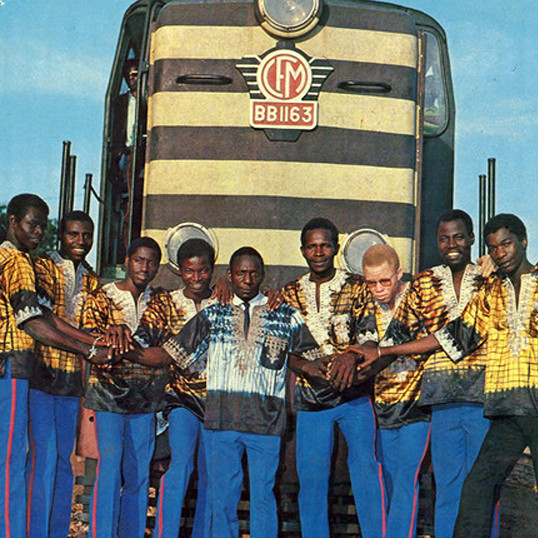
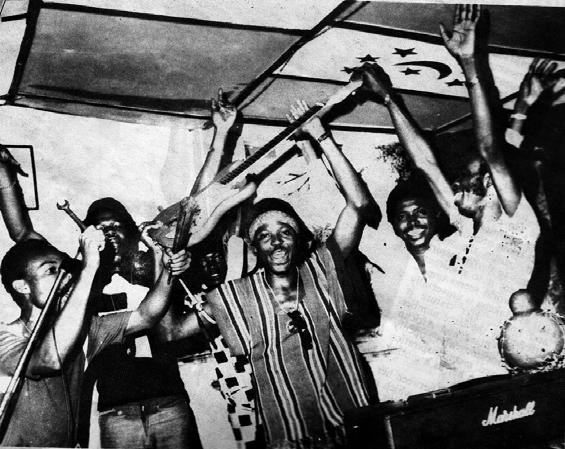
Rail Band
2024
·
1 album
Listen
1
/5
Genres
Souldies
Souldies is a modern revival of classic lowrider “oldies” soul—slow, tender ballads rooted in 1960s and early-’70s sweet soul and doo‑wop aesthetics, reimagined by a new generation of largely Chicano/Latinx artists in Southern California. Characterized by warm, analog-leaning production, mellow backbeats, honeyed vocal harmonies, and heart‑on‑sleeve lyricism, the style favors mid‑slow tempos, tape‑like saturation, spring/plate reverb, and minimalist yet expressive arrangements. English and Spanish (or Spanglish) lyrics often explore love, longing, devotion, and cruising/lowrider culture. Souldies sits at the intersection of classic soul, rhythm & blues, northern soul selections, and Latin soul, offering a contemporary, community‑centered sound that feels both timeless and newly personal.
Discover
Listen
World
World music is a broad, industry-coined umbrella for traditional, folk, and contemporary popular styles from around the globe that fall outside the Anglo-American pop mainstream. The label emerged in the 1980s as a retail and marketing category to group diverse regional musics for international distribution. Musically, it spans acoustic and electric instrumentation; modal, pentatonic, and microtonal pitch systems; and rhythms ranging from cyclical grooves and polyrhythms to asymmetrical meters. While the term can obscure local specificity, it also facilitated cross-cultural collaboration, festivals, and recordings that brought regional genres to wider audiences.
Discover
Listen
Afro-Funk
Afro-funk is a groove-driven fusion that marries the syncopated punch of American funk with West African rhythmic traditions such as highlife and jùjú. It features tightly interlocking rhythm sections, ostinato bass lines, bright horn riffs, call-and-response vocals, and guitar textures that often use wah-wah, palm-muted chanks, and cyclical vamps. While rooted in dance-floor energy, afro-funk retains a strong sense of locality—languages, proverbs, and social themes are woven into songs—making it both a party music and a vehicle for cultural expression. The sound flourished in the 1970s across West Africa, especially Nigeria, Ghana, and Benin, with some bands based in diasporic hubs like London, creating a pan-African, cosmopolitan take on funk.
Discover
Listen
Authenticité
Authenticité is a post-independence cultural-music movement that emerged in Guinea under a socialist nation-building project. It aimed to reclaim and modernize pre-colonial heritage while forging a shared national identity, especially through state-backed national and regional orchestras. In practice, it promoted African languages, local musical materials (melodies, rhythms, instruments), and a strong rejection of European cultural dominance. The sound often blends traditional Mandé and other Guinean regional repertoires with modern band formats (horn sections, electric guitars, drum kit, and large vocal ensembles), creating a disciplined, celebratory, and message-driven orchestral popular music.
Discover
Listen
Afro-Jazz
Afro-jazz is a fusion genre that blends the improvisational language, harmony, and ensemble practices of jazz with the rhythmic vocabulary, grooves, and timbral palette of African musical traditions. Characterized by polyrhythms, cyclical vamps, call-and-response, and prominent percussion, Afro-jazz often features horn sections and keyboards (piano or electric piano) articulating jazz harmonies over dance-oriented African grooves. The result ranges from intimate, melodic pieces to high-energy, club-ready performances. While it developed across several African locales, the South African "African jazz" movement of the 1950s—rooted in marabi and kwela—was especially formative, as were contemporaneous West African fusions of highlife and jazz.
Discover
Listen
Highlife
Highlife is a popular music genre from Ghana that blends indigenous rhythmic cycles and song forms with Western instrumentation and harmonies. It is instantly recognizable by its bright, interlocking guitar lines (often played with a two‑finger plucking technique), buoyant polyrhythms, call‑and‑response vocals, and jazzy horn riffs. Early dance‑band highlife favored brass and woodwinds (trumpet, saxophone, trombone) and big‑band arrangements, while guitar‑band highlife drew from palm‑wine guitar styles with lighter, lilted grooves. Across its variants, the music typically sits in major or mixolydian tonalities and uses dominant 7th/9th chord colors. From its coastal roots in the late 19th and early 20th centuries to post‑independence urban dance halls, highlife has continually evolved, later embracing electric guitars, synthesizers, and drum machines—yielding contemporary uptempo, synth‑driven forms that still retain the genre’s danceable feel.
Discover
Listen
Mande Music
Mande music is the courtly and communal music of the Mande peoples (including Mandinka, Maninka/Malinke, and Bambara) whose heartland lies in present‑day Mali and extends across Guinea, Senegal, The Gambia, and Côte d’Ivoire. It centers on the hereditary jeli (griot) tradition of professional praise‑singers and instrumentalists who preserve genealogies, epics, and social histories. Its core sound is built around cyclical ostinati (kumbengo) on instruments such as the 21‑string kora (harp‑lute), the balafon (gourd‑resonated xylophone), and the ngoni (lute), with improvisatory filigree (birimintingo) weaving above. Vocals alternate between composed refrains and free, declamatory passages (donkilo and sataro), often in call‑and‑response with a small chorus. Rhythms commonly breathe in 12/8 and 6/8 feels with subtle cross‑rhythms, while modal tunings (e.g., sauta, tomora) and timbral “buzz” aesthetics (from balafon resonators) shape a distinctive, shimmering texture. Repertoires comprise named pieces tied to lineages and events (e.g., Sunjata epics, Duga, Kaira, Jarabi). In modern contexts, these materials underpin both acoustic ensembles and electrified bands, maintaining the social function of praise and mediation while speaking to contemporary audiences.
Discover
Listen
West African Music
West African music is a broad regional tradition centered on cyclical grooves, polyrhythms, and call-and-response, carried by griot (jeli) storytellers and community ensembles. Its core sound is driven by interlocking percussion patterns—often in 12/8 or 4/4—anchored by bell timelines and hand drums, over which praise-singing, chant, and melodic ostinatos unfold. Typical instruments include the kora (21‑string harp-lute), balafon (wooden xylophone), ngoni/xalam (lute), bolon (bass harp), talking drum, djembe and dunun, sabar, and shekere. Melodies tend to be modal and pentatonic, relying on repetition, variation, and improvisation. Islamic recitation and Sahelian court traditions contribute melismatic vocal styles and poetic structures, while coastal guitar idioms (palm‑wine, dance bands) shaped modern urban genres. From Mande jeliya to Wolof sabar and Yoruba bata/talking-drum ensembles, West African music is both ceremonial and social—used for praise, weddings, initiations, communal work, and dance. Its rhythmic logic, timbral layering, and participatory performance practice profoundly shaped global popular music.
Discover
Listen
Show all 8 genres
Albums
2024
1
/5
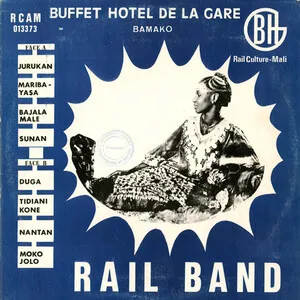
Buffet Hotel de la Gare Bamako
Rail Band
Authenticité
Afro-Funk
Mande Music
Similar artists
3
/5
Ebo Taylor
Highlife
Afrobeat
Afro-Funk
1
/5
Various Artists
Afro-Funk
Alternative Rock
Ambient
2
/5
T. P. Orchestre Poly-Rythmo
Afrobeat
Fon Music
Acid Jazz
3
/5
Fela Kuti
Afrobeat
African Music
Jazz
2
/5
Balla Et Ses Balladins
Authenticité
Highlife
Mande Music
2
/5
Bembeya Jazz National
Authenticité
Ethio-Jazz
Highlife
2
/5
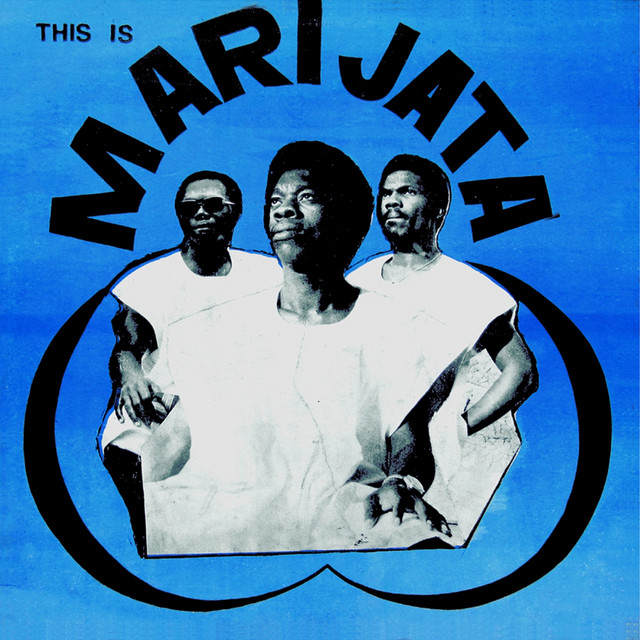
Marijata
Afrobeat
Highlife
African Music
1
/5
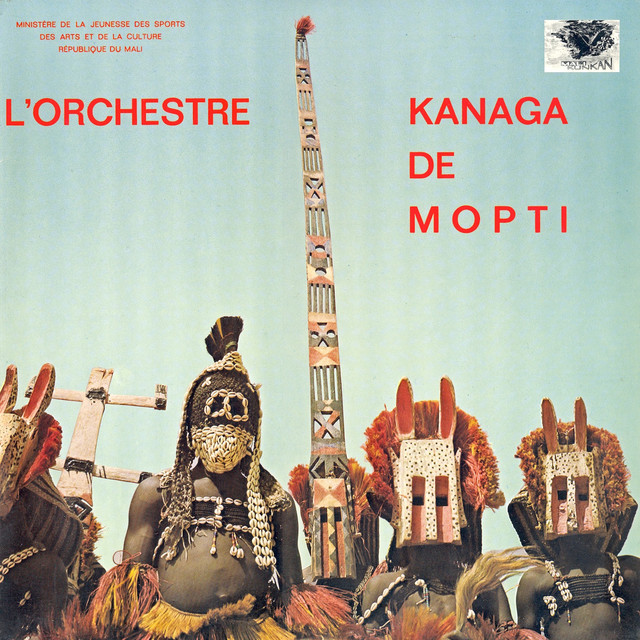
L'Orchestre Kanaga de Mopti
Afrobeat
Afro-Funk
Mande Music
2
/5
The Funkees
Afro-Funk
Afrobeat
Highlife
2
/5
Orlando Julius
Highlife
Afrobeat
Afro-Funk
Download our mobile app
Get the Melodigging app and start digging for new genres on the go
Download on the App Store
Get it on Google Play
© 2026 Melodigging
Give feedback
Legal
Melodding was created as a tribute to
Every Noise at Once
, which inspired us to help curious minds keep digging into music's ever-evolving genres.