Your digging level
Description
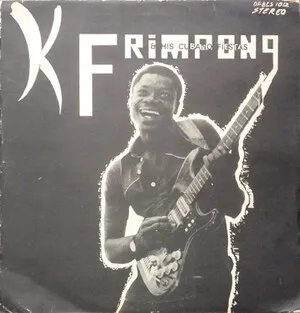
Highlife is a popular music genre from Ghana that blends indigenous rhythmic cycles and song forms with Western instrumentation and harmonies.
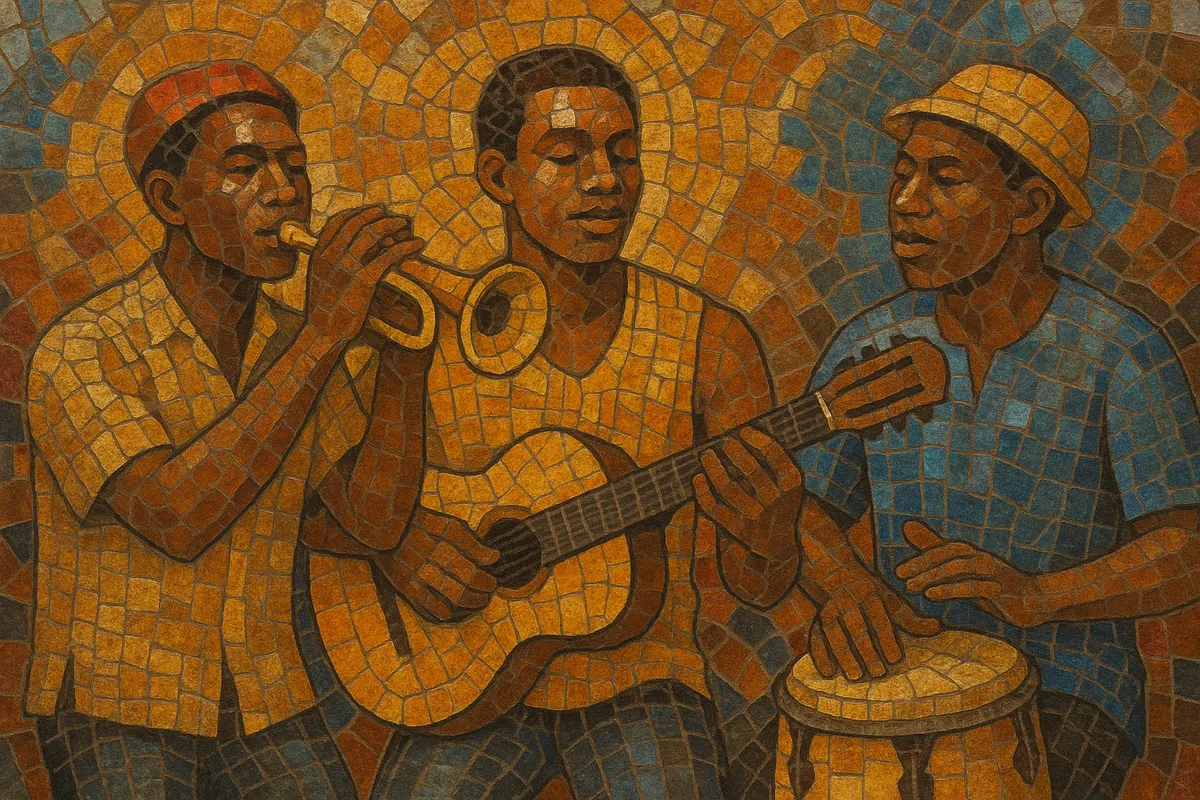
It is instantly recognizable by its bright, interlocking guitar lines (often played with a two‑finger plucking technique), buoyant polyrhythms, call‑and‑response vocals, and jazzy horn riffs. Early dance‑band highlife favored brass and woodwinds (trumpet, saxophone, trombone) and big‑band arrangements, while guitar‑band highlife drew from palm‑wine guitar styles with lighter, lilted grooves. Across its variants, the music typically sits in major or mixolydian tonalities and uses dominant 7th/9th chord colors.
From its coastal roots in the late 19th and early 20th centuries to post‑independence urban dance halls, highlife has continually evolved, later embracing electric guitars, synthesizers, and drum machines—yielding contemporary uptempo, synth‑driven forms that still retain the genre’s danceable feel.
History
Highlife traces its roots to the cosmopolitan, coastal cities of what is now Ghana, where local ensembles absorbed repertoires and instruments from British colonial military and civic brass bands. Fante adaha and konkoma brass traditions adapted marches, waltzes, and foxtrots to Akan and northern Ghanaian rhythmic sensibilities. By the 1920s, urban dance bands along the coast had synthesized these elements into a distinct popular style that people came to call “highlife,” referencing the elite social venues where the music was first heard.
Two parallel streams developed. Dance‑band highlife used full horn sections, Western harmony, and jazz/swing phrasing, with steady 4/4 or lilting 12/8 grooves designed for ballroom dancing. In tandem, guitar‑band (or palm‑wine) highlife emphasized two‑finger plucked guitars, clave‑like bell patterns, and call‑and‑response vocals—an intimate, portable format that spread quickly inland and across borders. Both variants kept African rhythmic foundations while embracing Western song forms and instruments.
After Ghana’s independence in 1957, highlife became a national soundtrack, expanding in repertoire and ensemble size. Musicians toured across West Africa, seeding Nigerian highlife scenes in Lagos and the southeast, and interacting with juju and other regional styles. Jazz harmonies, Latin percussion, and soul/funk influences entered the idiom, yielding tighter horn charts and more syncopated rhythm sections.
Economic migration took Ghanaian artists to Europe and North America, where studio technology, disco, and funk shaped new strains (often called “burger highlife”). Drum machines, electric bass, and synthesizers refreshed the sound while retaining signature guitar ostinati and sing‑along refrains. Simultaneously, in Ghana and Nigeria, highlife fed into emerging Afrobeat and, later, hiplife (a hip‑hop/highlife fusion).
Highlife’s DNA runs through modern Ghanaian and Nigerian pop. Producers and bands revive classic horn voicings and guitar figures, now layered with digital drums and glossy production. Highlife remains a foundational West African vernacular—equally at home in dance halls, weddings, and global stages—valued for its rhythmic lift, melodic clarity, and communal call‑and‑response spirit.

Top albums