Your digging level
Description
Edo old school is a vintage strand of Nigerian popular music rooted in the musical cultures of Edo State (Benin City and surrounding Edo/Esan/Etsako areas). It blends palm‑wine/highlife guitar idioms, juju‑style percussion, and call‑and‑response vocals delivered in Edo languages (Bini/Edo, Esan, Etsako), often ornamented by bright horn riffs and vintage organs.
Typically mid‑tempo and dance‑forward, the style favors interlocking guitar lines, lilting 12/8 or gently syncopated 4/4 grooves, shekere and bell patterns, and warm, tape‑era production aesthetics (spring reverb, slap‑back echo). Lyrical themes range from praise, moral advice, and social commentary to storytelling, with a distinctive local flair that marks it out from coastal Igbo highlife and Lagos Yoruba juju.
Edo old school provided the foundation for later Benin City scenes—most famously the funk‑charged “Edo funk” wave—while preserving a uniquely regional highlife identity within the broader West African pop constellation.
History
Highlife spread across southern Nigeria in the mid‑20th century, carrying palm‑wine guitar patterns and brass band harmony into dance halls. In Edo State, local musicians adapted these currents to Edo/Esan/Etsako melodic contours and chant, crafting a regional take that emphasized hand percussion (shekere, congas), bell patterns, and call‑and‑response in local languages. By the early 1960s, guitar‑band leaders in Benin City were forging a recognizably Edo sound within the highlife/juju continuum.
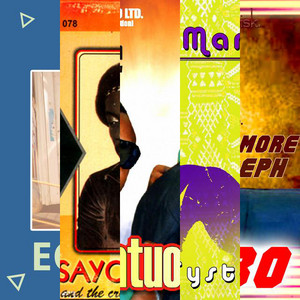
The late 1960s through the early 1980s saw a flourishing of Benin City studios and bands. Sir Victor Uwaifo’s nationwide hits demonstrated how Edo harmony and storytelling could travel, while a rising cohort—Osayomore Joseph, Sonny Okosun, Alhaji Waziri Oshomah, Akaba Man, Aigbe Lebarty, and others—tightened rhythm sections, expanded horn arrangements, and modernized guitar work. The sound remained rooted in highlife but welcomed electric keyboards and drum kits, yielding a warm, groove‑heavy dance music that locals would later call “old school.”
Although Lagos juju and Fela Kuti’s Afrobeat dominated national headlines, Edo old school developed a parallel ecosystem of club residencies, market cassettes, and regional radio support. Its lyrical mix—praise songs, moral aphorisms, social critique—kept it embedded in community life, weddings, and festive gatherings, reinforcing a strong Edo identity in Nigeria’s polyglot pop landscape.
From the 2000s onward, international reissue labels and DJs shone a light on Benin City’s archives, prompting renewed interest in classic Edo recordings and their role in seeding later styles (notably the funk‑leaning Edo sound of the late 1970s/early 1980s). Today, Edo old school is preserved by collectors and celebrated by new artists who sample its bell patterns, chorus hooks, and guitar weaves, keeping a regional classic alive for global ears.