Genres
Artists
Albums
Make Music
Sign in
Sign in
Artists
Avant-Garde
Artists
Avant-Garde
Pi-hsien Chen
1993–2005
·
2 albums
Listen
1
/5
Genres
Integral Serialism
Integral serialism (also called total serialism) is a post–World War II compositional approach that extends the serial ordering principle beyond pitch to other musical parameters such as duration, dynamics, timbre, articulation, and register. Instead of relying on tonal harmony or freely atonal gestures, the composer constructs one or more ordered sets (series) for each parameter and subjects them to systematic transformations (inversion, retrograde, transposition, permutation) and cross-mappings. The result is highly controlled, pointillistic textures and tightly organized forms whose coherence derives from parametric organization rather than tonal function. Its sound world often features fragmented gestures, rapid contrasts of dynamics and articulation, and intricate rhythmic structures. While perceived as austere or rigorous, it enabled composers to craft micro-detailed musical behaviors and helped forge the postwar European avant-garde’s language.
Discover
Listen
Avant-Garde
Avant-garde music is an umbrella term for boundary-pushing practices that challenge prevailing norms of harmony, rhythm, timbre, form, and performance. It privileges experimentation, conceptual rigor, and a willingness to reframe what counts as music at all. Historically tied to early 20th‑century artistic modernism, avant-garde music introduced atonality, the emancipation of noise, and new forms of notation and process. It embraces indeterminacy, extended techniques, electronics, spatialization, and multimedia performance, treating sound as material to be sculpted, questioned, and reinvented.
Discover
Listen
Mélodie
Mélodie is the French tradition of art song, typically for solo voice and piano, that blossomed in the mid-to-late 19th century. It places exceptional emphasis on the natural inflection and clarity of the French language, marrying refined poetry to nuanced melodic lines and sensitive accompaniments. Compared to the German Lied, mélodie is often more restrained and speech-like in phrasing, prioritizing text intelligibility, elegance of line, and subtle harmonic shading. Composers frequently set poems by major French writers—particularly from the Parnassian and Symbolist movements—resulting in music that is intimate, evocative, and rich in coloristic detail. The piano part in mélodie is not merely supportive; it participates actively in the narrative and atmosphere, with delicate figurations, harmonic ambiguity, and timbral nuance that paint the poem’s imagery. While most mélodies are for voice and piano, notable cycles were later orchestrated, expanding the genre’s palette without sacrificing its core intimacy.
Discover
Listen
Albums
2005
1
/5
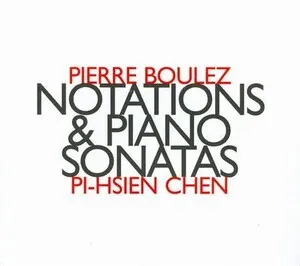
Notations & Piano Sonatas
Pierre Boulez / Pi-hsien Chen
Integral Serialism
1993
1
/5
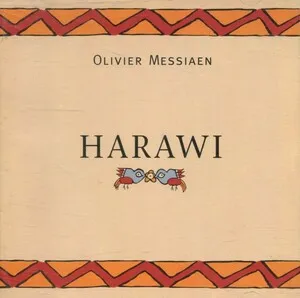
Harawi
Olivier Messiaen / Sigune von Osten / Pi-hsien Chen
Mélodie
Similar artists
3
/5
Pierre Boulez
Classical
Serialism
Second Viennese School
2
/5
Olivier Messiaen
Classical
Mélodie
Chamber Music
2
/5
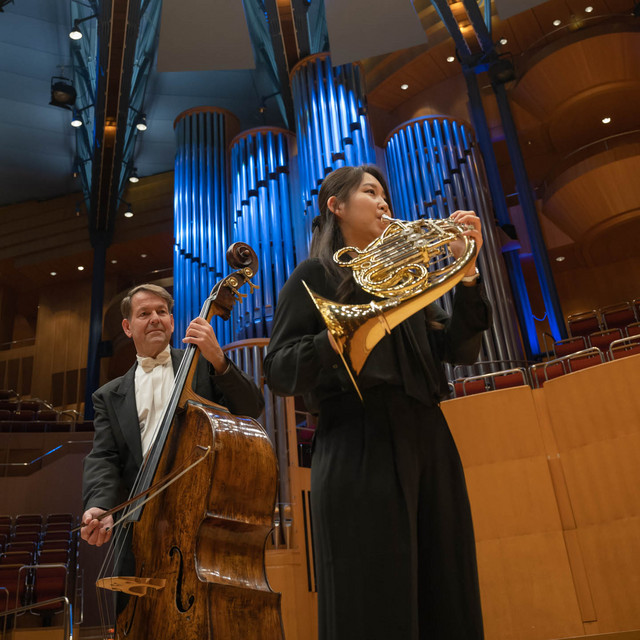
WDR Sinfonieorchester Köln
Classical
Avant-Garde
Darmstadt School
2
/5
John Cage
Indeterminacy
Classical
Experimental
2
/5
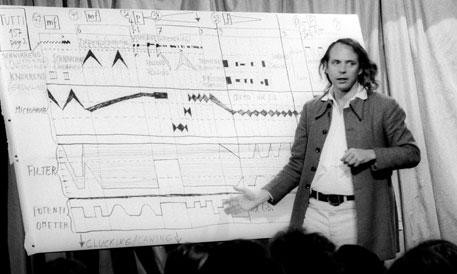
Karlheinz Stockhausen
Integral Serialism
Serialism
Darmstadt School
2
/5
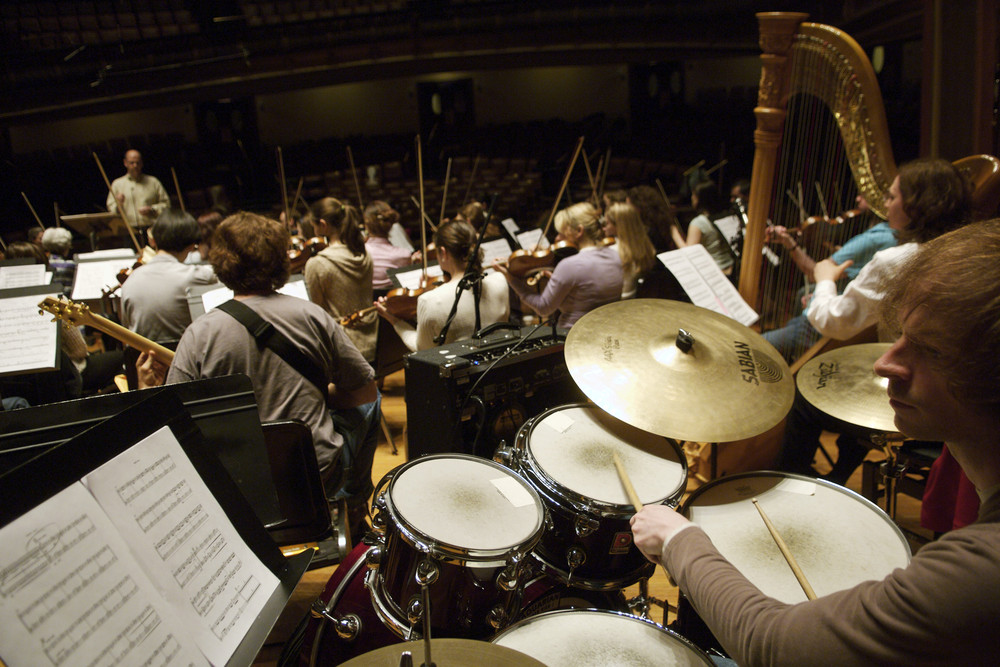
American Composers Orchestra
Avant-Garde
Minimalism
Orchestral
1
/5
Yvonne Loriod
Classical
Avant-Garde
Art Song
1
/5
Boston Modern Orchestra Project
Avant-Garde
Minimalism
Orchestral
1
/5
Holger Falk
Avant-Garde
Neoclassicism
Mélodie
1
/5
Milton Babbitt
Integral Serialism
Avant-Garde
Serialism
Download our mobile app
Get the Melodigging app and start digging for new genres on the go
Download on the App Store
Get it on Google Play
© 2026 Melodigging
Give feedback
Legal
Melodding was created as a tribute to
Every Noise at Once
, which inspired us to help curious minds keep digging into music's ever-evolving genres.