Genres
Artists
Albums
Make Music
Sign in
Sign in
Artists
Avant-Garde
Artists
Avant-Garde
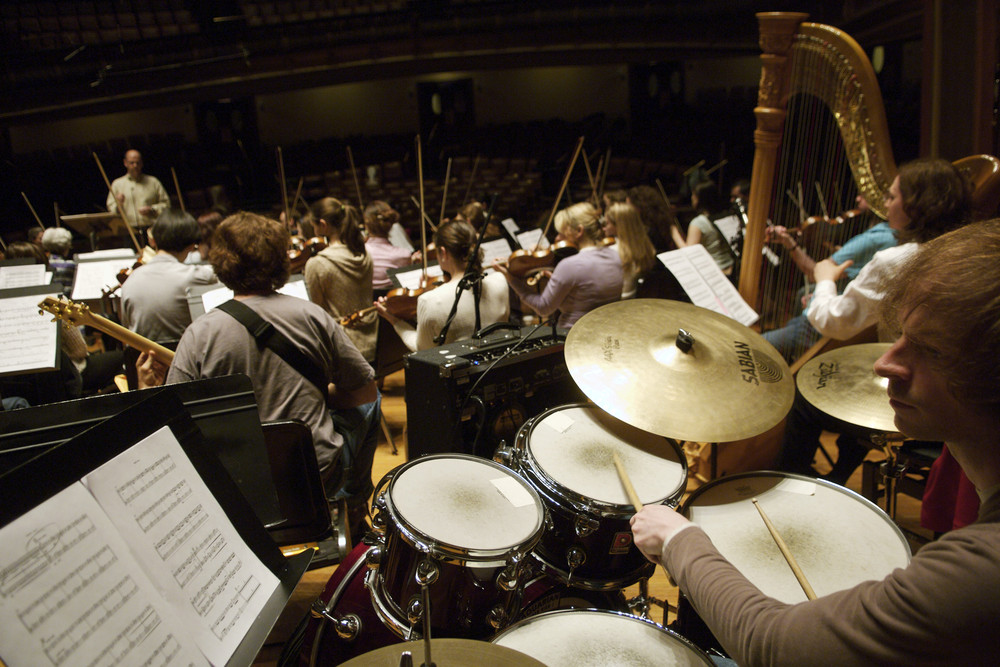
Boston Modern Orchestra Project
2013–2017
·
3 albums
Listen
1
/5
Genres
Minimalism
Minimalism is a style of Western art music that emerged in the United States during the 1960s, characterized by the use of very limited musical materials, steady pulse, and extensive repetition. Composers often build pieces from short cells or motifs that are repeated and slowly transformed through additive or subtractive processes, phase shifting, and gradual changes in harmony, texture, or register. Harmony is typically consonant (often modal or diatonic), though just intonation and extended drones are also common. The result is music that foregrounds process, clarity, audibility of structure, and a hypnotic sense of stasis and flow. Typical ensembles include keyboards, mallet percussion, strings, winds, voices, and electronics or tape. Minimalism influenced a wide array of later styles, from ambient and new age to post-minimalism and minimal techno.
Discover
Listen
Integral Serialism
Integral serialism (also called total serialism) is a post–World War II compositional approach that extends the serial ordering principle beyond pitch to other musical parameters such as duration, dynamics, timbre, articulation, and register. Instead of relying on tonal harmony or freely atonal gestures, the composer constructs one or more ordered sets (series) for each parameter and subjects them to systematic transformations (inversion, retrograde, transposition, permutation) and cross-mappings. The result is highly controlled, pointillistic textures and tightly organized forms whose coherence derives from parametric organization rather than tonal function. Its sound world often features fragmented gestures, rapid contrasts of dynamics and articulation, and intricate rhythmic structures. While perceived as austere or rigorous, it enabled composers to craft micro-detailed musical behaviors and helped forge the postwar European avant-garde’s language.
Discover
Listen
Avant-Garde
Avant-garde music is an umbrella term for boundary-pushing practices that challenge prevailing norms of harmony, rhythm, timbre, form, and performance. It privileges experimentation, conceptual rigor, and a willingness to reframe what counts as music at all. Historically tied to early 20th‑century artistic modernism, avant-garde music introduced atonality, the emancipation of noise, and new forms of notation and process. It embraces indeterminacy, extended techniques, electronics, spatialization, and multimedia performance, treating sound as material to be sculpted, questioned, and reinvented.
Discover
Listen
Futurism
Futurism in music was an early 20th‑century avant‑garde movement that sought to break with Romantic and classical conventions by embracing the sounds, energy, and aesthetics of the modern industrial age. Italian Futurists advocated a radical expansion of the musical palette to include machine noise, urban soundscapes, and new instruments designed to produce timbres outside the orchestral norm. Manifestos by figures like Luigi Russolo and Francesco Balilla Pratella argued for music that celebrated speed, technology, and mechanization. Works featured noise orchestras (intonarumori), pounding polyrhythms, harsh dissonances, and quasi-theatrical performance tactics that foregrounded shock, provocation, and immersion.
Discover
Listen
Monodrama
Monodrama is a staged musical work centered on a single character whose thoughts, memories, or actions unfold in real time. It typically features one singer (or sometimes a speaking actor) accompanied by orchestra, chamber ensemble, or piano, turning the solitary voice into the sole onstage protagonist. While it shares DNA with opera, cantata, and melodrama, monodrama narrows the dramatic lens to an intimate psychological drama. The music is often through-composed, allowing uninterrupted narrative flow, and the orchestra frequently functions as an "invisible second character," projecting scenery, memory, and subtext through color and motif.
Discover
Listen
Orchestral
Orchestral music refers to compositions written for an orchestra—a large ensemble typically built around a string section (violins, violas, cellos, double basses), complemented by woodwinds, brass, percussion, and often harp, keyboard, or other auxiliary instruments. A conductor coordinates the ensemble, shaping balance, phrasing, and expression. The style emphasizes coloristic timbre combinations, dynamic range from the softest pianissimo to explosive tuttis, and textures that can shift seamlessly between transparent chamber-like writing and monumental masses of sound. Orchestral writing underpins concert genres such as symphonies, overtures, and tone poems, as well as opera, ballet, and modern film and game scores. While orchestral writing evolved across centuries, its core craft centers on melody, counterpoint, harmony, register, and orchestration—the art of assigning musical ideas to instruments to achieve clarity, contrast, and narrative impact.
Discover
Listen
Albums
2017
1
/5
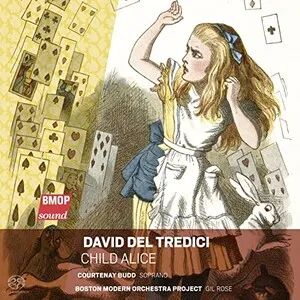
Child Alice
David Del Tredici
Monodrama
2013
1
/5
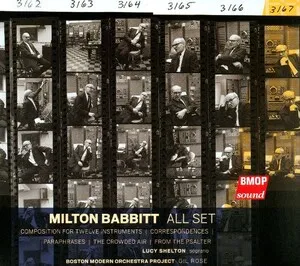
All Set
Milton Babbitt
Integral Serialism
2013
1
/5
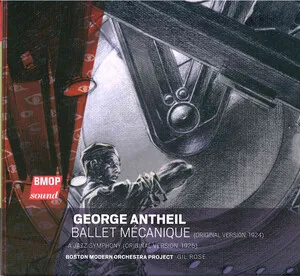
Ballet mécanique; A Jazz Symphony
George Antheil / Boston Modern Orchestra Project / Gil Rose
Futurism
Similar artists
2
/5
American Composers Orchestra
Avant-Garde
Minimalism
Orchestral
3
/5
Pierre Boulez
Classical
Serialism
Second Viennese School
3
/5
Kronos Quartet
Classical
Chamber Music
Latin American Classical Music
2
/5
John Cage
Indeterminacy
Classical
Experimental
2
/5
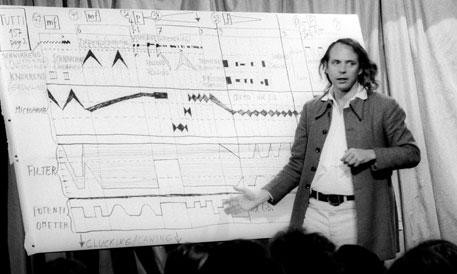
Karlheinz Stockhausen
Integral Serialism
Serialism
Darmstadt School
2
/5
Herbert Henck
Avant-Garde
Minimalism
Futurism
1
/5
John Luther Adams
Totalism
Avant-Garde
Minimalism
1
/5
Various Artists
Afro-Funk
Alternative Rock
Ambient
3
/5
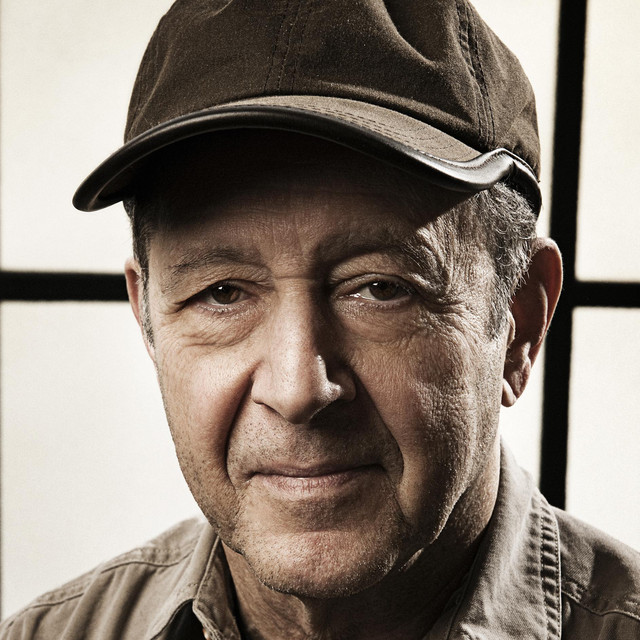
Steve Reich
Minimalism
Classical
Modern Classical
3
/5
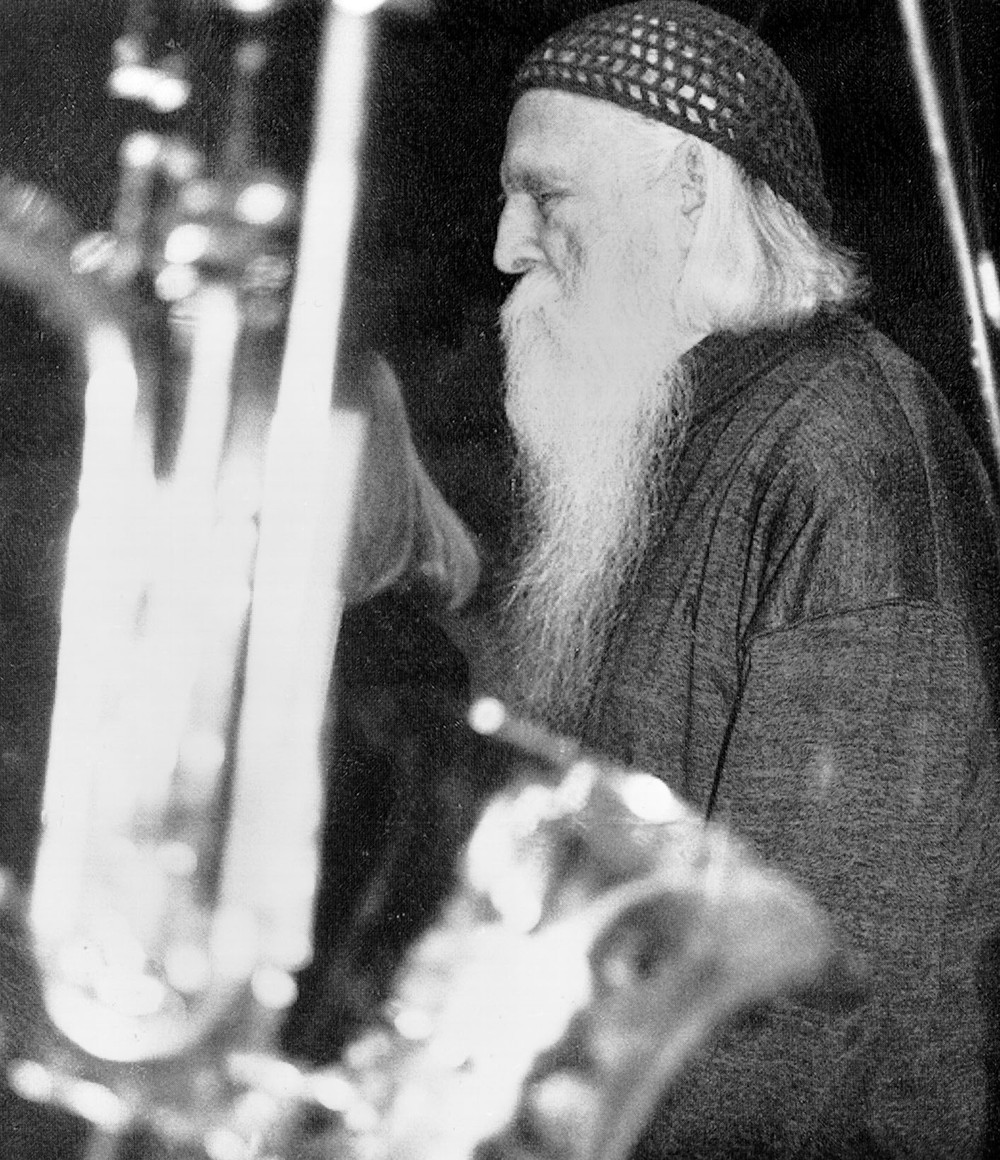
Moondog
Outsider
Avant-Garde
Classical
Download our mobile app
Get the Melodigging app and start digging for new genres on the go
Download on the App Store
Get it on Google Play
© 2026 Melodigging
Give feedback
Legal
Melodding was created as a tribute to
Every Noise at Once
, which inspired us to help curious minds keep digging into music's ever-evolving genres.