Genres
Artists
Albums
Make Music
Sign in
Sign in
Artists
Classical
Artists
Classical
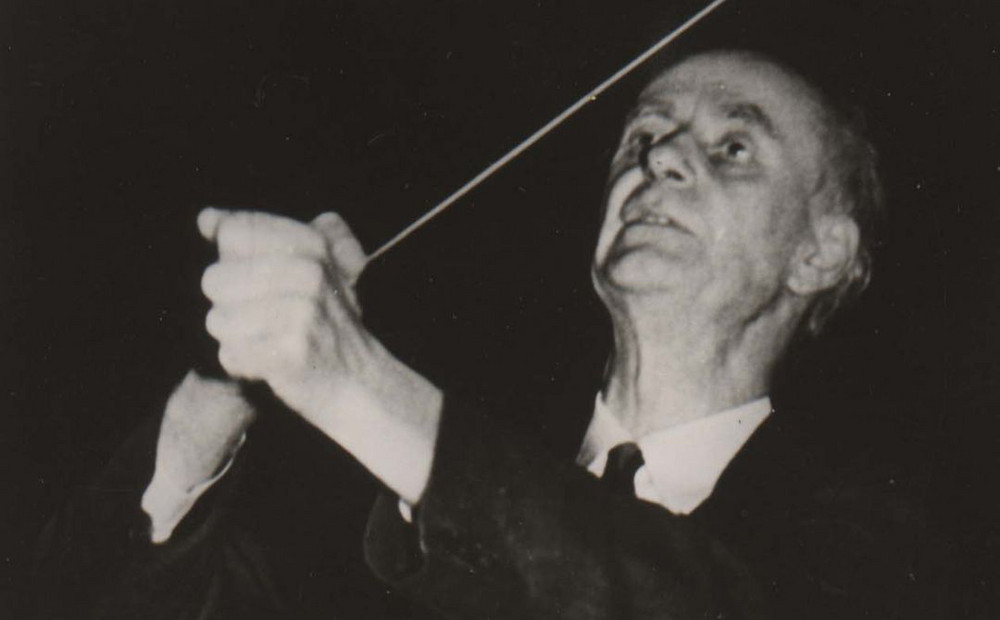
Paul van Kempen
2010
·
2 albums
Listen
1
/5
Genres
Radio Symphony
Radio symphony refers to orchestral music performed by radio-affiliated symphony orchestras and produced for broadcast and recording. The genre crystallized when national broadcasters in Europe founded full‑time orchestras to supply live and studio concerts for the new medium of radio. While the repertoire spans the entire canon—from Baroque to contemporary premieres—its hallmark is a broadcast-oriented approach: clear balances, disciplined ensemble, and programming that alternates core symphonic works with light music, film/production cues, and newly commissioned pieces tailor‑made for airplay. The result is a distinctive sound culture that marries concert-hall orchestral traditions with the editorial, acoustic, and time-constraint realities of broadcasting.
Discover
Listen
Historic Orchestral Performance
Historic orchestral performance refers to orchestral interpretations captured in the early era of recording (acoustic and early electrical) and the mid‑20th‑century high‑fidelity mono/stereo decades. It documents the living performance traditions of late‑Romantic and early modern conductors and orchestras, heard before the later codification of standardized "international" styles. These performances are characterized by flexible tempo (agogic shaping), pronounced rubato, portamento in string sections, varied vibrato practices, vivid dynamic terracing, and spontaneous phrasing. Because they were recorded with period technologies—from horn/acoustic and single‑microphone electrical set‑ups to early tape and stereo—the sound image is historically specific (limited bandwidth, mono focus, period halls, and broadcast acoustics). The genre is valued both as musical testimony and as a reference for historically grounded orchestral style.
Discover
Listen
Classical
Classical music is the notated art-music tradition of Europe and its global descendants, characterized by durable forms, carefully codified harmony and counterpoint, and a literate score-based practice. The term “classical” can refer broadly to the entire Western art-music lineage from the Medieval era to today, not just the Classical period (c. 1750s–1820s). It privileges long-form structures (such as symphonies, sonatas, concertos, masses, and operas), functional or modal harmony, thematic development, and timbral nuance across ensembles ranging from solo instruments to full orchestras and choirs. Across centuries, the style evolved from chant and modal polyphony to tonal harmony, and later to post-tonal idioms, while maintaining a shared emphasis on written notation, performance practice, and craft.
Discover
Listen
Albums
2010
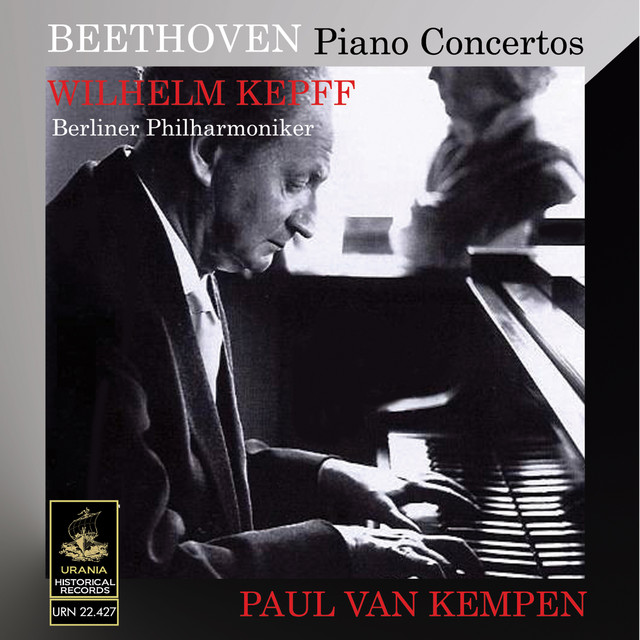
Beethoven: Piano Concertos & Appassionata
Ludwig van Beethoven, Wilhelm Kempff, Paul van Kempen, Berliner Philharmoniker
Historic Orchestral Performance
2010
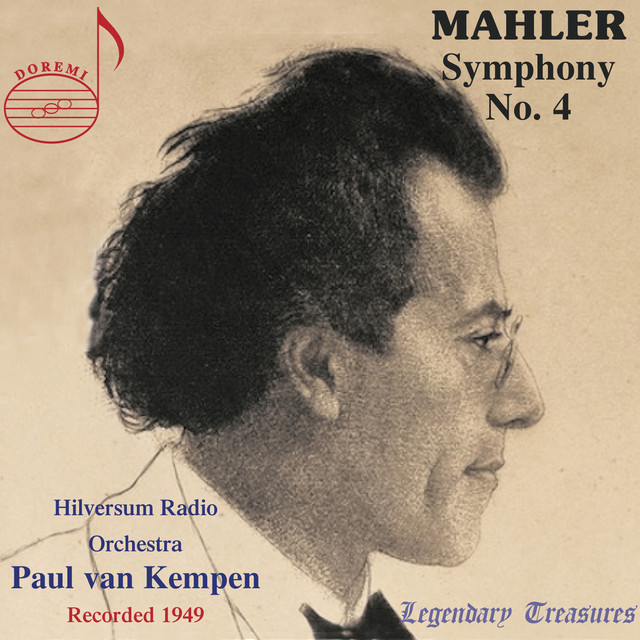
Mahler: Symphony No. 4 in G Major
Gustav Mahler, Hilversum Radio Orchestra, Paul van Kempen, Corry Bijster
Radio Symphony
Similar artists
4
/5
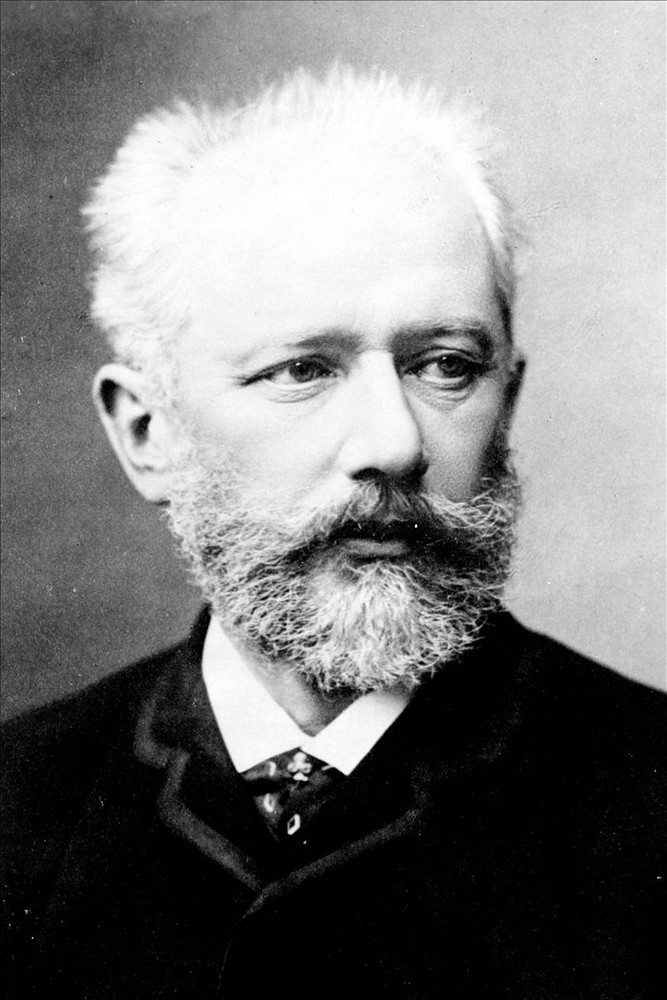
Pyotr Ilyich Tchaikovsky
Classical
Moscow School
Ballet
4
/5
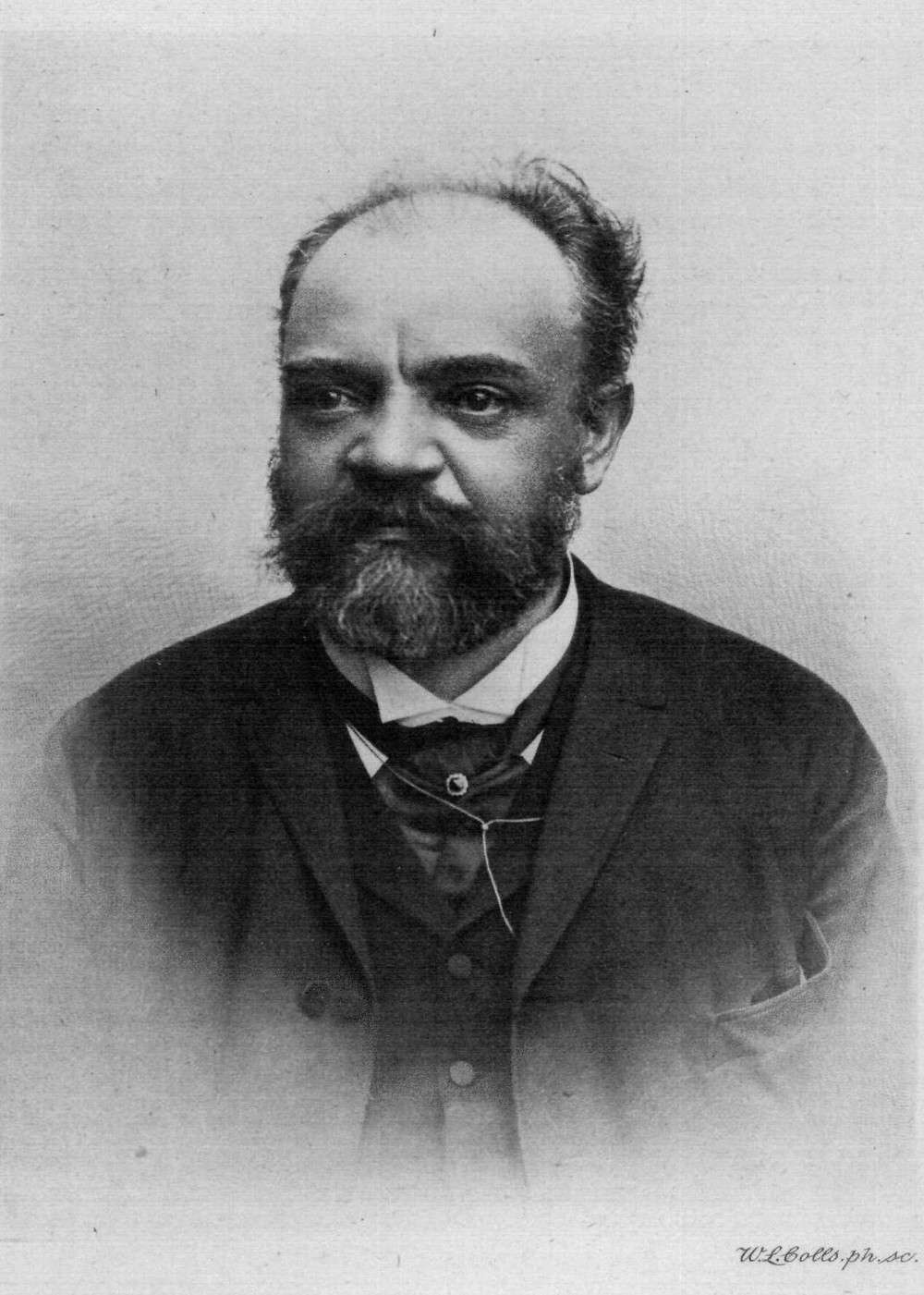
Antonín Dvořák
Classical
Symphony
Symfonicky Orchestr
4
/5
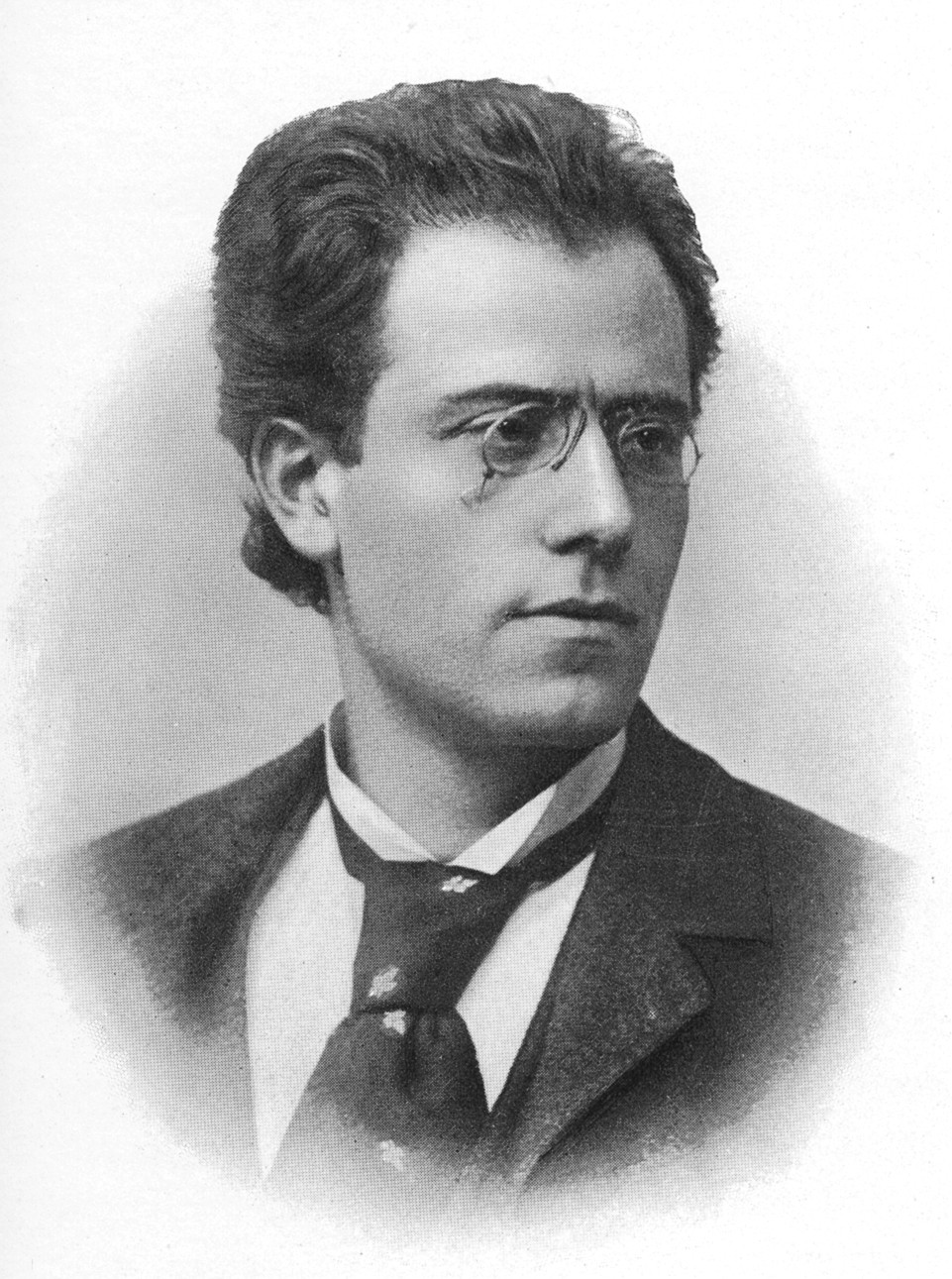
Gustav Mahler
Choral Symphony
Orchestral Song
Classical
3
/5
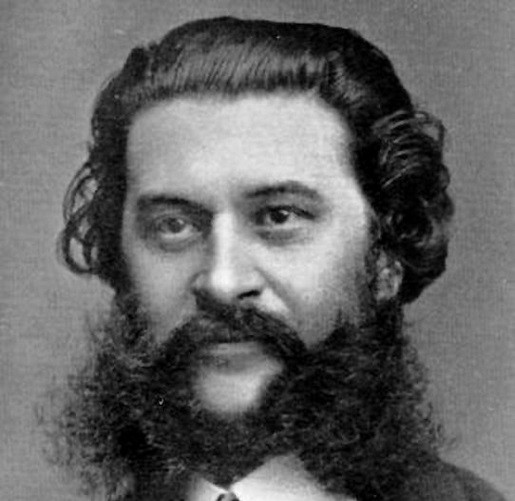
Johann Strauss II
Operetta
Historic Orchestral Performance
Waltz
3
/5
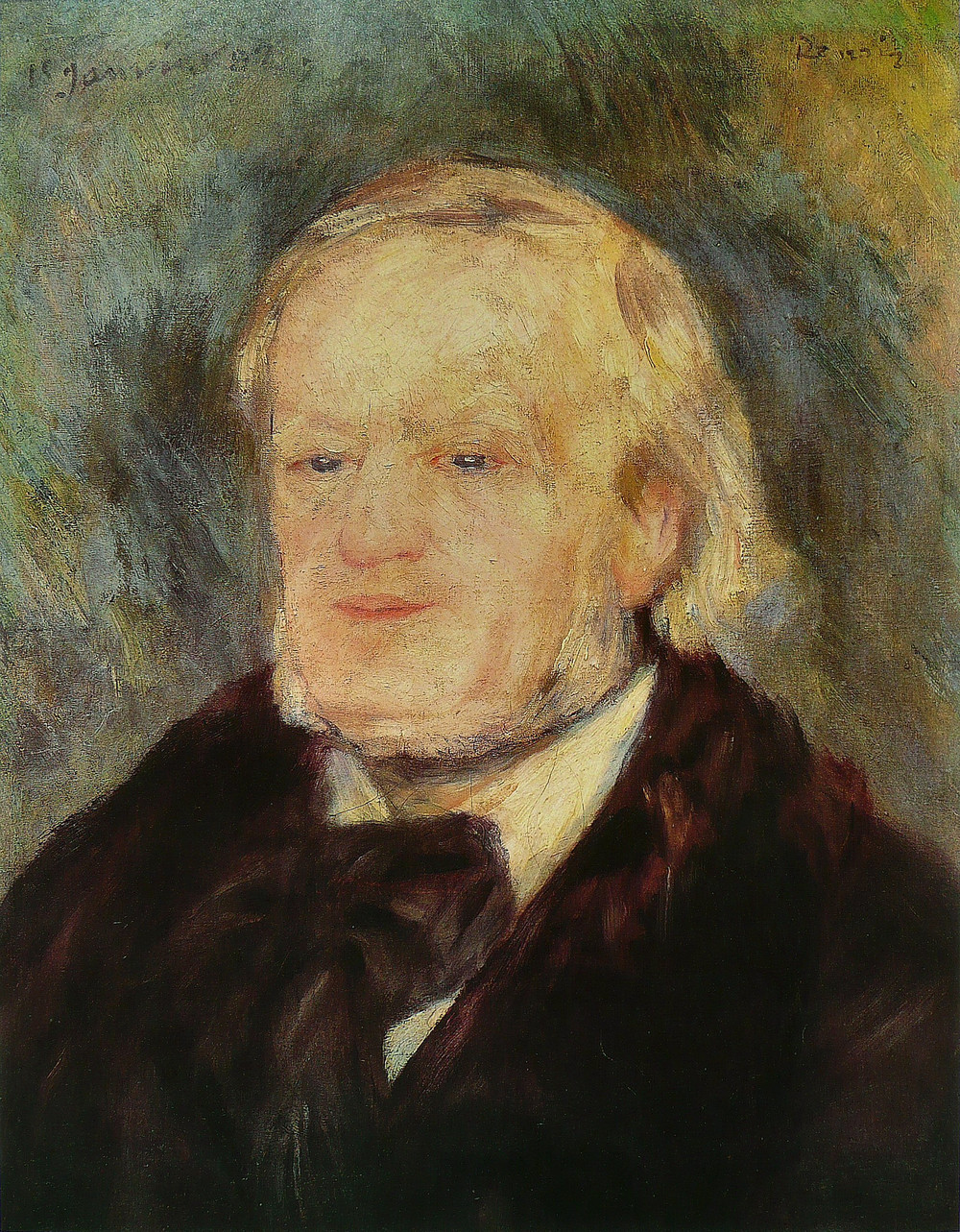
Richard Wagner
New German School
Romantische Oper
Wagnerian Singing
2
/5
Wilhelm Furtwängler
Wagnerian Singing
Classical
Historic Orchestral Performance
4
/5
Johann Sebastian Bach
Baroque
Classical
Baroque Suite
4
/5
Wolfgang Amadeus Mozart
Classical
Requiem
Classical Period
4
/5
Berliner Philharmoniker
Classical
Symphony
Romantic Classical
4
/5
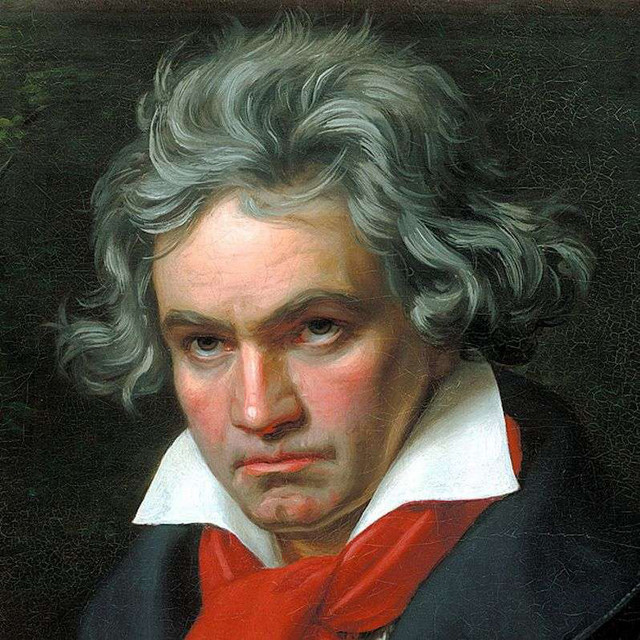
Ludwig van Beethoven
Classical
Classical Period
Romantic Classical
Download our mobile app
Get the Melodigging app and start digging for new genres on the go
Download on the App Store
Get it on Google Play
© 2026 Melodigging
Give feedback
Legal
Melodding was created as a tribute to
Every Noise at Once
, which inspired us to help curious minds keep digging into music's ever-evolving genres.