Genres
Artists
Albums
Make Music
Sign in
Sign in
Artists
Baroque
Artists
Baroque
Orchestra Mozart
2011–2013
·
2 albums
Listen
2
/5
Genres
Classical Horn
Classical horn refers to the Western classical repertoire centered on the natural and valved French horn, spanning solo, chamber, and concerto writing as well as idiomatic ensemble and orchestral roles. The style balances two core identities: the hunting-call brilliance and arpeggiated rhetoric inherited from the natural horn’s harmonic series, and the singing, lyrical cantabile that blossomed with 18th–19th‑century hand‑stopping and the later invention of valves. Typical pieces highlight noble, expansive melodies; fanfare-like figures; and agile arpeggios and slurs, often in horn‑friendly keys such as E‑flat and D major. In performance and composition, the genre values legato line, clear phrasing, classical forms (sonata, rondo), and idiomatic writing that respects breathing, register color, and the horn’s transposing notation.
Discover
Listen
Classical Bassoon
Classical bassoon refers to the body of Western art‑music written for, or prominently featuring, the bassoon—from the late Baroque through the Classical and Romantic eras into the present. It encompasses solo concertos and sonatas, chamber music (often with piano or strings), and characteristic orchestral writing that showcases the instrument’s wide expressive range. A double‑reed, non‑transposing bass voice of the woodwind family, the bassoon spans approximately A1 to E5, moving from a dark, plummy low register to a vocal, singing tenor and a pungent, characterful upper range. Its agility, comic timing, and cantabile line made it a favorite for both witty scherzi and deeply lyrical slow movements. Classical bassoon practice also codified idiomatic articulation (legato cantilena, ultra‑clean staccato), voice‑leading across breaks, and the expressive use of dynamics that remain foundational to woodwind writing.
Discover
Listen
Classical Clarinet
Classical clarinet refers to the body of Western classical music written for the clarinet family (notably the B♭ and A clarinets, as well as E♭, basset, and bass clarinets) from the 18th century to the present. It encompasses concertos, sonatas, chamber music (e.g., clarinet–piano, clarinet quintets, woodwind quintets), orchestral solos, and modern works that explore extended techniques. Stylistically it is marked by cantabile melodic writing, agile passagework, vivid dynamic contrasts, and expressive use of the instrument’s distinct registers (chalumeau, clarion, and altissimo). Tone production and articulation emphasize clarity, legato flexibility, and nuanced control; vibrato, if used, is typically subtle and style-dependent. Canonical repertoire spans the Classical era through Romanticism and into the 20th/21st centuries, creating a continuous tradition of performance and pedagogy that shapes how clarinetists learn phrasing, color, and technique across solo, chamber, and orchestral contexts.
Discover
Listen
Concerto
A concerto is a large-scale composition that sets one or more solo instruments in dynamic dialogue with an orchestra. Its core idea is contrast—between soloist and tutti—and the dramatic negotiation of power, color, and thematic responsibility. While Baroque concertos often relied on ritornello form, the Classical era standardized a three-movement plan (fast–slow–fast) with sonata principles in the opening movement. The Romantic period emphasized virtuosity and expressive foregrounding of the soloist, and the 20th–21st centuries broadened the palette with new instruments, harmonies, and formats. Across eras, the concerto remains a showcase for instrumental character, technical brilliance, and the art of orchestral conversation.
Discover
Listen
Baroque
Baroque is a period and style of Western art music spanning roughly 1600–1750. It is characterized by the birth of functional tonality, the widespread use of basso continuo (figured bass), and a love of contrast—between soloist and ensemble, loud and soft, and different timbres. Hallmark genres and forms of the era include opera, cantata, oratorio, concerto (especially the concerto grosso), dance suite, sonata, and fugue. Textures range from expressive monody to intricate counterpoint, and melodies are richly ornamented with trills, mordents, and appoggiaturas. Baroque music flourished in churches, courts, and theaters across Europe, with regional styles (Italian, French, German, English) shaping distinctive approaches to rhythm, dance, harmony, and ornamentation.
Discover
Listen
Orchestral
Orchestral music refers to compositions written for an orchestra—a large ensemble typically built around a string section (violins, violas, cellos, double basses), complemented by woodwinds, brass, percussion, and often harp, keyboard, or other auxiliary instruments. A conductor coordinates the ensemble, shaping balance, phrasing, and expression. The style emphasizes coloristic timbre combinations, dynamic range from the softest pianissimo to explosive tuttis, and textures that can shift seamlessly between transparent chamber-like writing and monumental masses of sound. Orchestral writing underpins concert genres such as symphonies, overtures, and tone poems, as well as opera, ballet, and modern film and game scores. While orchestral writing evolved across centuries, its core craft centers on melody, counterpoint, harmony, register, and orchestration—the art of assigning musical ideas to instruments to achieve clarity, contrast, and narrative impact.
Discover
Listen
Classical
Classical music is the notated art-music tradition of Europe and its global descendants, characterized by durable forms, carefully codified harmony and counterpoint, and a literate score-based practice. The term “classical” can refer broadly to the entire Western art-music lineage from the Medieval era to today, not just the Classical period (c. 1750s–1820s). It privileges long-form structures (such as symphonies, sonatas, concertos, masses, and operas), functional or modal harmony, thematic development, and timbral nuance across ensembles ranging from solo instruments to full orchestras and choirs. Across centuries, the style evolved from chant and modal polyphony to tonal harmony, and later to post-tonal idioms, while maintaining a shared emphasis on written notation, performance practice, and craft.
Discover
Listen
Show all 7 genres
Albums
2013
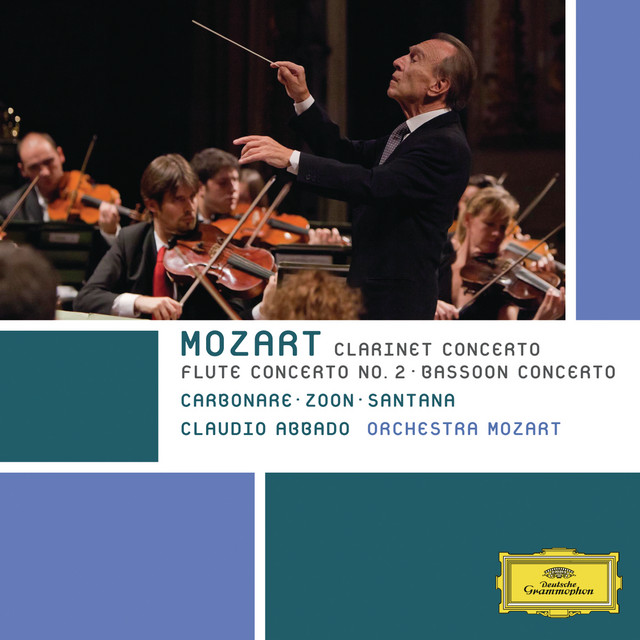
Mozart: Clarinet Concerto; Flute Concerto No. 2; Bassoon Concerto
Wolfgang Amadeus Mozart, Alessandro Carbonare, Jacques Zoon, Guilhaume Santana,…
Classical Clarinet
Classical Bassoon
2011
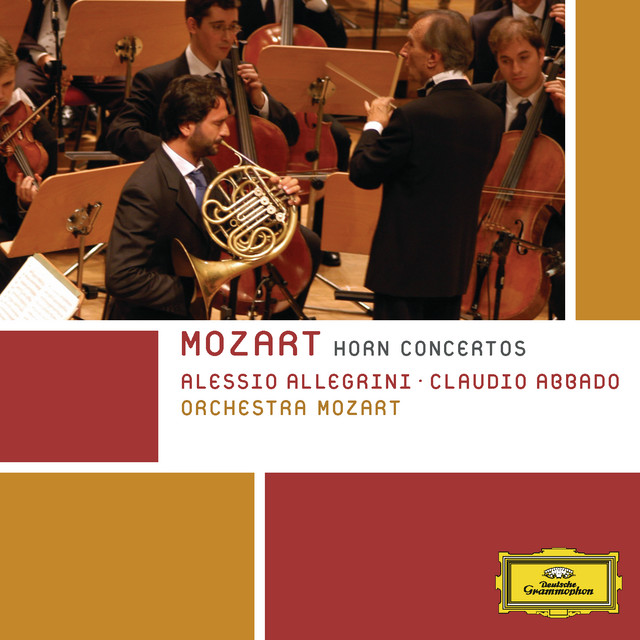
Mozart: Horn Concertos
Wolfgang Amadeus Mozart, Alessio Allegrini, Orchestra Mozart, Claudio Abbado
Classical Horn
Similar artists
4
/5
Academy of St. Martin in the Fields
Baroque
Classical
Classical Performance
4
/5
Sir Neville Marriner
Baroque
Classical
Concerto
3
/5
Orpheus Chamber Orchestra
Baroque
Chamber Music
Classical
4
/5
Johann Sebastian Bach
Baroque
Classical
Baroque Suite
4
/5
Capella Istropolitana
Classical
Chamber Orchestra
Orchestral
3
/5
Academy of Ancient Music
Classical
Concerto
Baroque
3
/5
Stuttgart Chamber Orchestra
Baroque
Classical
Orchestral
4
/5
Johannes Brahms
Classical Clarinet
Classical Piano Quartet
Concerto
4
/5
Claudio Abbado
Classical
Concerto
Expressionism
3
/5
Deutsches Symphonie-Orchester Berlin
Classical
Opera
Concerto
Download our mobile app
Get the Melodigging app and start digging for new genres on the go
Download on the App Store
Get it on Google Play
© 2026 Melodigging
Give feedback
Legal
Melodding was created as a tribute to
Every Noise at Once
, which inspired us to help curious minds keep digging into music's ever-evolving genres.