Genres
Artists
Albums
Make Music
Sign in
Sign in
Artists
Experimental
Artists
Experimental
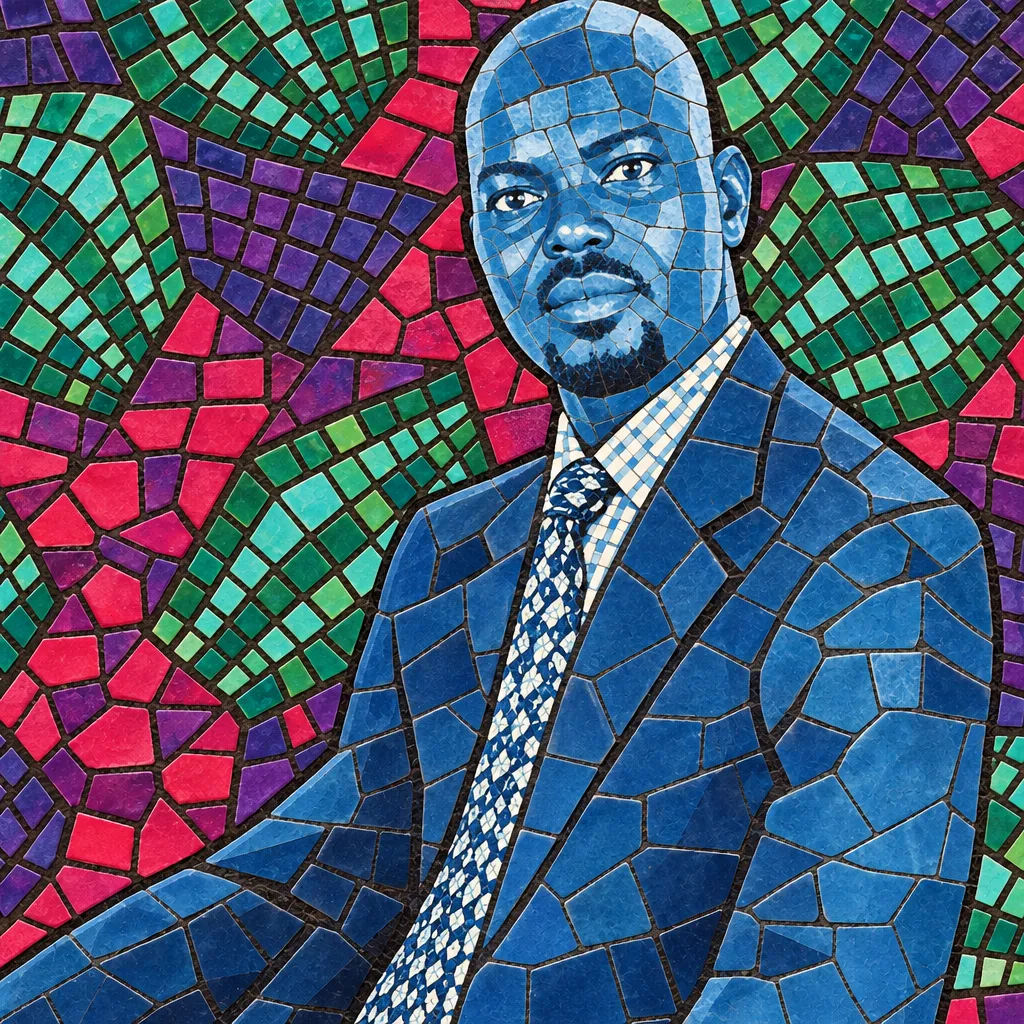
Ocen James
2023
·
1 album
Listen
1
/5
Genres
New Isolationism
New isolationism is a contemporary strain of isolationist ambient and post-industrial minimalism that emerged in the 2010s, particularly around Scandinavian experimental labels and studios. It foregrounds intimate, close-mic’d sound, negative space, and a quiet-but-present noise floor; its pieces feel both internal and architectural, like rooms built from reverb tails, tape hiss, and soft electronics. Sonically, the style blends glacial drones, fragile chamber timbres (strings, organ, piano), lo‑fi electronics, and field recordings into stark, slow-evolving tableaux. Melodic information is sparse—often only a few tones or gestures—while rhythm is either absent or reduced to distant pulses, heartbeats, or mechanical cycles. Vocals, when they appear, are murmured, diaristic, or abstracted by pitch and time manipulation. Aesthetically, new isolationism is post‑internet and diaristic: it captures solitude, memory, and dislocation with a palette that feels personal yet estranged, drawing as much from contemporary gallery sound practice as from classic dark ambient.
Discover
Listen
Singeli
Singeli is a hyper-accelerated Tanzanian dance music and MC tradition that emerged in Dar es Salaam’s working-class neighborhoods in the mid‑2000s. Built on blisteringly fast drum programming—often between 180 and 300 BPM—it features shouted or rapped vocals in Swahili and street slang, rapid-fire call‑and‑response, and looped keyboard riffs or chopped samples. While it draws from local ngoma rhythms, mchiriku street styles, and the broader tarab/taarab lineage, singeli is its own distinctly Tanzanian sound rather than soukous or classical taarab. Performances are intensely kinetic: DJs trigger barrages of claps, toms, and snares while MCs hype the crowd, and dancers drive the energy with footwork and shoulder moves. The overall aesthetic is raw, DIY, and maximal, but also playful and community‑focused.
Discover
Listen
Acholitronix
Acholitronix is a high–energy electronic dance style rooted in the wedding and celebratory music of the Acholi people of northern Uganda. It fuses traditional Acholi rhythms, call‑and‑response vocals, and ceremonial dance patterns with modern drum machines, sequencers, and bright, looping synth riffs. The style typically runs at brisk tempos and prioritizes interlocking polyrhythms that echo Acholi dances such as larakaraka, bwola, and dingi‑dingi. Producers often program hand‑clap patterns, log‑drum or frame‑drum timbres, and short, catchy vocal refrains in the Acholi language (a Luo variety), creating a festive, trance‑like propulsion tailored for social gatherings and late‑night dance floors. Beyond its local function at weddings and community events, Acholitronix has been championed internationally by East African electronic curators and DJs, bringing the sound of Gulu and Kitgum’s studios into global club culture while maintaining the genre’s celebratory spirit.
Discover
Listen
Idm
IDM (often expanded as "Intelligent Dance Music") is a strand of experimental electronic music that applies the sound palette and production methods of club genres to listening-focused, often home-oriented works. It favors intricate rhythm programming, unusual time signatures, and richly textured sound design, blending ambient atmospheres with techno’s pulse, electro’s syncopation, and breakbeat’s fragmentation. The music often de-emphasizes the dancefloor in favor of headphone detail, algorithmic structure, and timbral exploration. The term itself is contentious—many artists rejected the "intelligent" label—yet it became a convenient tag for the early- to mid‑1990s cluster of Warp, Rephlex, and related scenes that foregrounded complexity, abstraction, and emotional ambiguity.
Discover
Listen
Experimental
Experimental music is an umbrella term for practices that prioritize exploration, process, and discovery over adherence to established genre norms. It embraces new sound sources, nonstandard tuning systems, indeterminacy and chance operations, graphic and open-form scores, extended techniques, and technology-led sound design (tape, electronics, computers, and live processing). Rather than a single style, it is a methodology and ethos: testing hypotheses about sound, structure, and performance, often blurring boundaries between composition, improvisation, sound art, and performance art. Listeners can expect unfamiliar timbres, unusual forms, and an emphasis on how music is made as much as the resulting sound.
Discover
Listen
East African Music
East African music is a broad regional umbrella that encompasses the musical traditions and modern styles of countries along and around the Swahili Coast and the Horn of Africa. It blends indigenous rhythmic practices and vocal traditions with centuries of Indian Ocean exchange, notably Arabic maqam-based aesthetics and instrumentation that shaped coastal forms like taarab. Across the interior and highlands, interlocking guitar lines, polyrhythmic percussion, and call-and-response vocals inform genres such as Kenyan benga and Ugandan kadongo kamu, while Ethiopia and Eritrea contribute distinctive modal systems (qenet) that underpin ethio-jazz and popular song. Languages such as Kiswahili, Amharic, Oromo, Tigrinya, Luganda, Luo, Somali, and others frame lyric poetry ranging from praise and protest to love and social commentary. Since the mid-20th century, Congolese rumba/soukous dance-band idioms mixed with local rhythms to shape dance musics like muziki wa dansi and modern Tanzanian pop forms. In the 21st century, ultra-fast electronic scenes (singeli) and Swahili hip-hop/pop (bongo flava) testify to the region’s continual reinvention, while traditional forms like taarab and lyre-based repertories (nyatiti, krar, endongo) remain foundational.
Discover
Listen
Acholi Music
Acholi music is the traditional music of the Acholi people of Northern Uganda (and neighboring South Sudan), centered on communal dancing, call-and-response singing, and rich polyrhythmic drumming. It features distinctive social dance forms such as bwola (a royal drum dance with a powerful, processional character), larakaraka (a lively courtship dance), dingi-dingi, apiti, and otole (a warrior dance). Ensembles combine interlocking drum patterns with shakers, whistles, horns, and melodic instruments like the one‑string fiddle (rigi‑rigi/endingidi), lamellophones, and end-blown or side-blown horns (oporo). Vocals often use responsorial structures, parallel intervals, and pentatonic/hexatonic melodic contours. Songs mark weddings, courtship, harvests, praise, mourning, and historical remembrance. Movement is integral: choreography and musical rhythm are inseparable, producing an energetic, communal, and celebratory sound that can also turn solemn and epic during ceremonial pieces.
Discover
Listen
Show all 7 genres
Albums
2023
1
/5
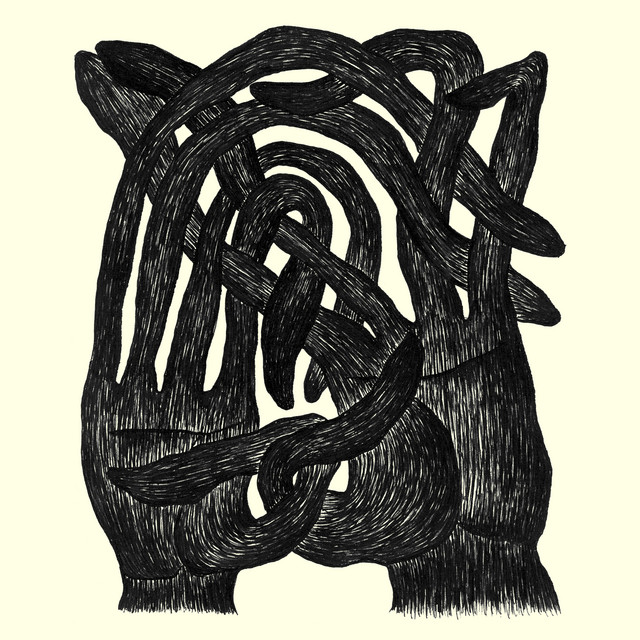
Saccades
Rian Treanor & Ocen James
Acholitronix
Acholi Music
East African Music
Similar artists
1
/5
Various Artists
Afro-Funk
Alternative Rock
Ambient
2
/5
Caterina Barbieri
Ambient
Dark Ambient
Drone
1
/5
Nkisi
Experimental
Idm
Singeli
1
/5
Otim Alpha
Singeli
Acholi Music
Acholitronix
1
/5
Nihiloxica
Baganda Music
East African Music
Singeli
4
/5
Björk
Art Pop
Icelandic Experimental
Electronic
4
/5
Aphex Twin
Braindance
Idm
Ambient
3
/5
Flying Lotus
Glitch Hop
Idm
Instrumental Hip Hop
3
/5
Oneohtrix Point Never
Hauntology
Plunderphonics
Ambient
3
/5
Autechre
Idm
Experimental
Electronic
Download our mobile app
Get the Melodigging app and start digging for new genres on the go
Download on the App Store
Get it on Google Play
© 2026 Melodigging
Give feedback
Legal
Melodding was created as a tribute to
Every Noise at Once
, which inspired us to help curious minds keep digging into music's ever-evolving genres.