Genres
Artists
Albums
Make Music
Sign in
Sign in
Artists
Singeli
Artists
Singeli
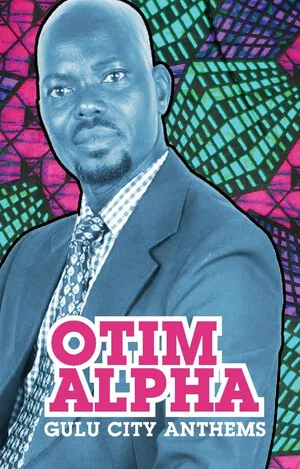
Otim Alpha
2018
·
1 album
Listen
1
/5
Genres
Gqom
Gqom is a minimalist, hard-edged club music from Durban, South Africa, built around pounding kicks, syncopated toms, and sparse, looped vocal chants. It favors tension and release over melodic development, using stark, percussive motifs and dramatic breakdowns to create a hypnotic, physically compelling groove. Typically sitting around 120–130 BPM, gqom departs from straight four-on-the-floor house patterns, embracing broken-beat structures, off-grid fills, and sudden dropouts. The sound palette leans dark and industrial—heavy sub-bass, metallic hits, claps, whistles, crowd shouts, and found sounds—while harmony is minimal or absent, keeping the focus on rhythm and texture.
Discover
Listen
Singeli
Singeli is a hyper-accelerated Tanzanian dance music and MC tradition that emerged in Dar es Salaam’s working-class neighborhoods in the mid‑2000s. Built on blisteringly fast drum programming—often between 180 and 300 BPM—it features shouted or rapped vocals in Swahili and street slang, rapid-fire call‑and‑response, and looped keyboard riffs or chopped samples. While it draws from local ngoma rhythms, mchiriku street styles, and the broader tarab/taarab lineage, singeli is its own distinctly Tanzanian sound rather than soukous or classical taarab. Performances are intensely kinetic: DJs trigger barrages of claps, toms, and snares while MCs hype the crowd, and dancers drive the energy with footwork and shoulder moves. The overall aesthetic is raw, DIY, and maximal, but also playful and community‑focused.
Discover
Listen
Acholitronix
Acholitronix is a high–energy electronic dance style rooted in the wedding and celebratory music of the Acholi people of northern Uganda. It fuses traditional Acholi rhythms, call‑and‑response vocals, and ceremonial dance patterns with modern drum machines, sequencers, and bright, looping synth riffs. The style typically runs at brisk tempos and prioritizes interlocking polyrhythms that echo Acholi dances such as larakaraka, bwola, and dingi‑dingi. Producers often program hand‑clap patterns, log‑drum or frame‑drum timbres, and short, catchy vocal refrains in the Acholi language (a Luo variety), creating a festive, trance‑like propulsion tailored for social gatherings and late‑night dance floors. Beyond its local function at weddings and community events, Acholitronix has been championed internationally by East African electronic curators and DJs, bringing the sound of Gulu and Kitgum’s studios into global club culture while maintaining the genre’s celebratory spirit.
Discover
Listen
East African Music
East African music is a broad regional umbrella that encompasses the musical traditions and modern styles of countries along and around the Swahili Coast and the Horn of Africa. It blends indigenous rhythmic practices and vocal traditions with centuries of Indian Ocean exchange, notably Arabic maqam-based aesthetics and instrumentation that shaped coastal forms like taarab. Across the interior and highlands, interlocking guitar lines, polyrhythmic percussion, and call-and-response vocals inform genres such as Kenyan benga and Ugandan kadongo kamu, while Ethiopia and Eritrea contribute distinctive modal systems (qenet) that underpin ethio-jazz and popular song. Languages such as Kiswahili, Amharic, Oromo, Tigrinya, Luganda, Luo, Somali, and others frame lyric poetry ranging from praise and protest to love and social commentary. Since the mid-20th century, Congolese rumba/soukous dance-band idioms mixed with local rhythms to shape dance musics like muziki wa dansi and modern Tanzanian pop forms. In the 21st century, ultra-fast electronic scenes (singeli) and Swahili hip-hop/pop (bongo flava) testify to the region’s continual reinvention, while traditional forms like taarab and lyre-based repertories (nyatiti, krar, endongo) remain foundational.
Discover
Listen
Acholi Music
Acholi music is the traditional music of the Acholi people of Northern Uganda (and neighboring South Sudan), centered on communal dancing, call-and-response singing, and rich polyrhythmic drumming. It features distinctive social dance forms such as bwola (a royal drum dance with a powerful, processional character), larakaraka (a lively courtship dance), dingi-dingi, apiti, and otole (a warrior dance). Ensembles combine interlocking drum patterns with shakers, whistles, horns, and melodic instruments like the one‑string fiddle (rigi‑rigi/endingidi), lamellophones, and end-blown or side-blown horns (oporo). Vocals often use responsorial structures, parallel intervals, and pentatonic/hexatonic melodic contours. Songs mark weddings, courtship, harvests, praise, mourning, and historical remembrance. Movement is integral: choreography and musical rhythm are inseparable, producing an energetic, communal, and celebratory sound that can also turn solemn and epic during ceremonial pieces.
Discover
Listen
Albums
2018
1
/5
Gulu City Anthems
Otim Alpha
Acholitronix
Acholi Music
East African Music
Similar artists
1
/5
Ocen James
Experimental
Idm
Singeli
1
/5
Jay Mitta
Singeli
Gqom
Kuduro
2
/5
PROFESSOR JAY
Bongo Flava
Singeli
East African Music
2
/5
DJ Travella
Singeli
Kuduro
East African Music
1
/5
Nihiloxica
Baganda Music
East African Music
Singeli
1
/5
Bamba Pana
Singeli
Kuduro
East African Music
1
/5
Nakibembe Embaire Group
Singeli
East African Music
Soga Music
1
/5
Sisso
Singeli
East African Music
1
/5
Jagwa Music
Mchiriku
Ethio-Jazz
Singeli
1
/5
Duke
Singeli
Moroccan Chaabi
East African Music
Download our mobile app
Get the Melodigging app and start digging for new genres on the go
Download on the App Store
Get it on Google Play
© 2026 Melodigging
Give feedback
Legal
Melodding was created as a tribute to
Every Noise at Once
, which inspired us to help curious minds keep digging into music's ever-evolving genres.