Genres
Artists
Albums
Make Music
Sign in
Sign in
Artists
Grindcore
Artists
Grindcore
Naked City
1993–2002
·
6 albums
Listen
Genres
Brutal Prog
Brutal prog (short for "brutal progressive") is a hyper-aggressive, tightly wound offshoot of progressive rock that fuses the complexity of prog with the abrasion of no wave, the intensity of grindcore, and the freedom of avant-jazz. Its hallmarks include relentless rhythmic churn, sudden metric lurches, whiplash stop–start arrangements, and dense, through-composed structures that minimize repetition. Harmony tends toward dissonance and chromatic clusters, while melodies often appear as angular, high-velocity unisons and hocketed lines between guitar, bass, and drums (and at times saxophone or keys). Vocals, if present at all, are sparse and used for color rather than hooks. The overall effect is maximalist, precise, and confrontational: music that feels meticulously engineered yet volatile, demanding virtuosic control and ensemble cohesion.
Discover
Listen
Drone Metal
Drone metal (often called drone doom) is an extreme, minimalist offshoot of doom metal that centers on sustained tones, monumental volume, and glacial tempos. Rather than relying on riffs or conventional grooves, it foregrounds long, vibrating chords, amplifier feedback, and the physical presence of sound itself. Its textures are typically cavernous and monochromatic, with guitars tuned very low, notes held for extended durations, and percussion either sparse or entirely absent. Vocals—if present—range from ritualistic chants to guttural growls or distant murmurs, often treated as another layer of texture rather than a narrative lead. The result is immersive and meditative, yet crushing: a music of weight, space, and resonance that emphasizes timbre and decay over melody and rhythm.
Discover
Listen
Grindcore
Grindcore is an extremely fast, abrasive fusion of hardcore punk and extreme metal characterized by blast-beat drumming, highly distorted down-tuned guitars, and a mix of guttural growls and high-pitched screams. Songs are typically very short—often under two minutes and sometimes just seconds—favoring intensity over traditional verse–chorus structures. Lyrically, grindcore spans politically charged and socially conscious themes (war, capitalism, animal rights) as well as gore and body horror (particularly in goregrind). Production ranges from raw, live-in-the-room ferocity to tight, modern clarity. The style is defined by relentless speed, dissonant or chromatic riffing, and sudden start–stop shifts that create a feeling of controlled chaos.
Discover
Listen
Dark Ambient
Dark ambient is a post‑industrial subgenre that coalesced in the mid‑1980s, drawing primarily on ambient music but shifting its focus toward ominous, subterranean space and timbre. It is characterized by long, low‑frequency drones; dissonant or microtonal overtones; and an enveloping, gloomy or catacomb‑like atmosphere. While largely electronic (synthesizers, samplers, tape and digital processing), artists frequently incorporate field recordings, contact‑mic textures, bowed metal, gongs, and fragments of traditional instruments captured with semi‑acoustic techniques and then heavily processed. Melody and pulse are minimized; instead the music emphasizes immersive sound design, psychoacoustic detail, and slowly evolving textures that evoke dread, awe, and isolation.
Discover
Listen
Jazz Metal
Jazz metal is a hybrid of jazz’s harmonic language and improvisational ethos with metal’s amplified intensity and rhythmic power. It typically blends distorted guitars and aggressive drumming with extended chords, modal harmony, walking or fretless bass lines, and passages of real-time improvisation. Many bands adopt progressive song forms, odd meters, and polyrhythms, toggling between heavy riffs and spacious, clean-toned jazz interludes. The result is a technically demanding, cerebral style that can range from atmospheric and fusion-like to extreme and abrasive.
Discover
Listen
Ambient
Ambient is a form of electronic and electroacoustic music that prioritizes tone, atmosphere, and texture over conventional song structures and rhythmic drive. It typically features slow-moving harmonies, sustained drones, gentle timbral shifts, and extensive use of space and silence. Rather than drawing attention to itself through hooks or beats, ambient is designed to be as ignorable as it is interesting, rewarding both background listening and focused immersion. Artists often employ synthesizers, samplers, tape loops, field recordings, and subtle acoustic instruments, with reverb and delay creating a sense of place. Substyles range from luminous, consonant soundscapes to darker, more dissonant atmospheres.
Discover
Listen
Avant-Prog
Avant-prog (avant-garde progressive rock) is a branch of progressive rock that emphasizes experimentation, dissonance, and structural innovation. It often blends rock instrumentation with chamber-music timbres (strings, woodwinds, brass) and techniques borrowed from 20th‑century classical music, free jazz, and minimalism. Typical traits include irregular and shifting meters, abrupt contrasts, complex counterpoint, atonal or modal harmony, extended techniques, and through-composed forms that minimize or abandon verse/chorus structures. The mood ranges from stark and austere to playfully surreal, with a frequent penchant for theatricality and sound collage. The movement’s ethos—crystallized by the late‑1970s Rock in Opposition (RIO) collective—was as much cultural as musical, favoring artistic independence, DIY production, and an oppositional stance toward commercial music industry norms.
Discover
Listen
Noise
Noise is an experimental music genre that uses non-traditional sound sources, distortion, feedback, and extreme dynamics as primary musical materials. Instead of emphasizing melody, harmony, or conventional rhythm, it focuses on texture, density, timbre, and the physical presence of sound. Practitioners sculpt saturated walls of sound, piercing feedback, metallic clatter, contact-mic scrapes, tape hiss, and electronic interference into works that can be confrontational or meditative. Performances often highlight process and immediacy—improvisation, body movement, and site-specific acoustics—while recordings can range from lo-fi cassette overload to meticulously layered studio constructions. Though rooted in early avant-garde ideas, the genre coalesced as a distinct practice in the late 1970s and 1980s, especially through Japan’s ‘Japanoise’ scene, and subsequently influenced numerous styles across industrial, punk-adjacent, and experimental electronic music.
Discover
Listen
Progressive Rock
Progressive rock is a rock subgenre that expands the genre’s formal, harmonic, and conceptual boundaries. It favors long-form compositions, intricate arrangements, and virtuosic musicianship, often drawing on Western classical, jazz, folk, and psychedelic idioms. Typical hallmarks include multi-part suites, shifting time signatures, extended instrumental passages, recurring motifs, and concept albums that present unified themes or narratives. The sound palette commonly features electric guitar, bass, and drums alongside an array of keyboards (Hammond organ, Mellotron, Moog/ARP synthesizers, piano), woodwinds or brass, and occasional orchestral additions. Lyrics often explore science fiction, mythology, philosophy, social commentary, and introspective themes.
Discover
Listen
Experimental
Experimental music is an umbrella term for practices that prioritize exploration, process, and discovery over adherence to established genre norms. It embraces new sound sources, nonstandard tuning systems, indeterminacy and chance operations, graphic and open-form scores, extended techniques, and technology-led sound design (tape, electronics, computers, and live processing). Rather than a single style, it is a methodology and ethos: testing hypotheses about sound, structure, and performance, often blurring boundaries between composition, improvisation, sound art, and performance art. Listeners can expect unfamiliar timbres, unusual forms, and an emphasis on how music is made as much as the resulting sound.
Discover
Listen
Rock
Rock is a broad family of popular music centered on amplified instruments, a strong backbeat, and song forms that foreground riffs, choruses, and anthemic hooks. Emerging from mid‑20th‑century American styles like rhythm & blues, country, and gospel-inflected rock and roll, rock quickly expanded in scope—absorbing folk, blues, and psychedelic ideas—while shaping global youth culture. Core sonic markers include electric guitar (often overdriven), electric bass, drum kit emphasizing beats 2 and 4, and emotive lead vocals. Rock songs commonly use verse–chorus structures, blues-derived harmony, and memorable melodic motifs, ranging from intimate ballads to high‑energy, stadium‑sized performances.
Discover
Listen
Avant-Garde Jazz
Avant-garde jazz is a boundary-pushing current of jazz that privileges experimentation, collective improvisation, and timbral exploration over conventional song forms and chord progressions. It often uses atonality or loose tonality, extended instrumental techniques, shifting or absent meters, and open forms. Ensembles may emphasize texture and density as much as melody and harmony, drawing as readily from modern classical music and non-Western traditions as from blues and bebop. While sometimes intense or noisy, avant-garde jazz also embraces spaciousness and silence, allowing players to interact in real time without predetermined roles. The result is music that questions the limits of jazz itself, foregrounding sound, spontaneity, and social expression.
Discover
Listen
Free Jazz
Free jazz is a radical branch of jazz that rejects fixed chord progressions, strict meter, and conventional song forms in favor of collective improvisation, textural exploration, and spontaneous interaction. Musicians prioritize timbre, dynamics, and gesture as much as pitch and harmony, often using extended techniques (multiphonics, overblowing, prepared piano) and unconventional sounds. While rooted in the blues and earlier jazz vocabularies, free jazz frees improvisers from pre-set harmonic cycles, allowing lines to unfold over tonal centers, shifting modes, drones, or complete atonality. Rhythm sections may float without a steady pulse, or drive with layered polyrhythms and “energy playing.” The result ranges from contemplative soundscapes to cathartic, high-intensity eruptions. Culturally, the genre intersected with the civil rights era and broader avant-garde movements, emphasizing autonomy, community, and new possibilities for musical expression.
Discover
Listen
Jazz
Jazz is an improvisation-centered music tradition that emerged from African American communities in the early 20th century. It blends blues feeling, ragtime syncopation, European harmonic practice, and brass band instrumentation into a flexible, conversational art. Defining features include swing rhythm (a triplet-based pulse), call-and-response phrasing, blue notes, and extended harmonies built on 7ths, 9ths, 11ths, and 13ths. Jazz is as much a way of making music—spontaneous interaction, variation, and personal sound—as it is a set of forms and tunes. Across its history, jazz has continually hybridized, from New Orleans ensembles and big-band swing to bebop, cool and hard bop, modal and free jazz, fusion, and contemporary cross-genre experiments. Its influence permeates global popular and art music.
Discover
Listen
Avant-Garde
Avant-garde music is an umbrella term for boundary-pushing practices that challenge prevailing norms of harmony, rhythm, timbre, form, and performance. It privileges experimentation, conceptual rigor, and a willingness to reframe what counts as music at all. Historically tied to early 20th‑century artistic modernism, avant-garde music introduced atonality, the emancipation of noise, and new forms of notation and process. It embraces indeterminacy, extended techniques, electronics, spatialization, and multimedia performance, treating sound as material to be sculpted, questioned, and reinvented.
Discover
Listen
Show all 15 genres
Albums
2002
1
/5
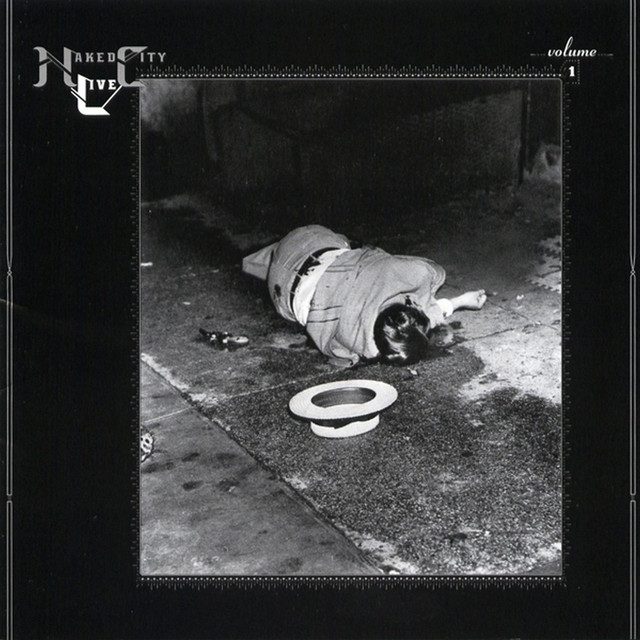
Naked City Live vol. 1: Knitting Factory 1989
Naked City
Jazz Metal
Experimental
Jazz
1993
1
/5
Absinthe
Naked City
Dark Ambient
Ambient
Experimental
Torture Garden
Naked City
Avant-Prog
Torture Garden
Naked City
Grindcore
Torture Garden
Naked City
Brutal Prog
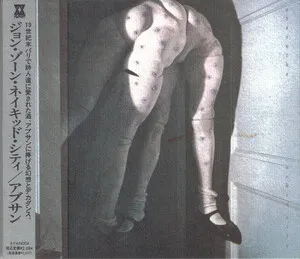
Leng tch'e 凌遲
Naked City
Drone Metal
Similar artists
3
/5
black midi
Windmill Scene
Math Rock
Noise Rock
1
/5
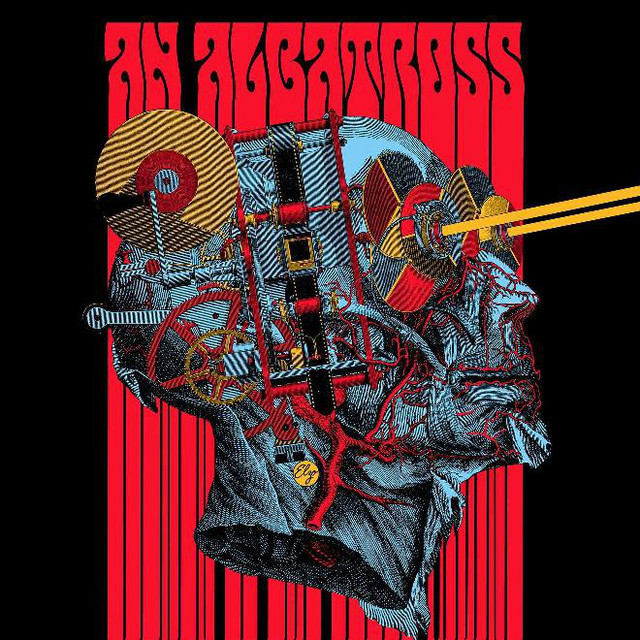
An Albatross
Noise Rock
Brutal Prog
Grindcore
1
/5
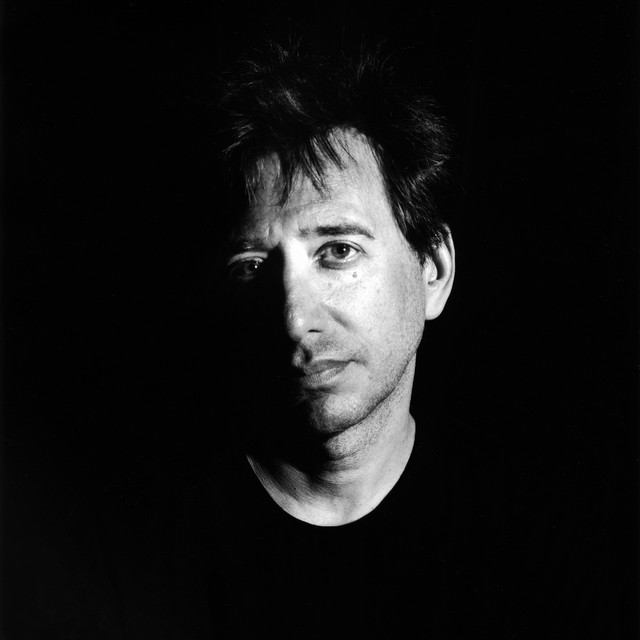
John Zorn
Avant-Garde Jazz
Free Improvisation
Jazz
1
/5
Ruins
Brutal Prog
Math Rock
Noise Rock
1
/5
Various Artists
Afro-Funk
Alternative Rock
Ambient
2
/5
Lightning Bolt
Noise Rock
Math Rock
Brutal Prog
2
/5
Melt-Banana
Noise
Noise Rock
Noisecore
1
/5
Painkiller
Avant-Garde
Experimental
Free Jazz
4
/5
Toby Fox
Indie Game Soundtrack
Soundtrack
Video Game Music
4
/5
Björk
Art Pop
Icelandic Experimental
Electronic
Download our mobile app
Get the Melodigging app and start digging for new genres on the go
Download on the App Store
Get it on Google Play
© 2026 Melodigging
Give feedback
Legal
Melodding was created as a tribute to
Every Noise at Once
, which inspired us to help curious minds keep digging into music's ever-evolving genres.