Genres
Artists
Albums
Make Music
Sign in
Sign in
Artists
Noise Rock
Artists
Noise Rock
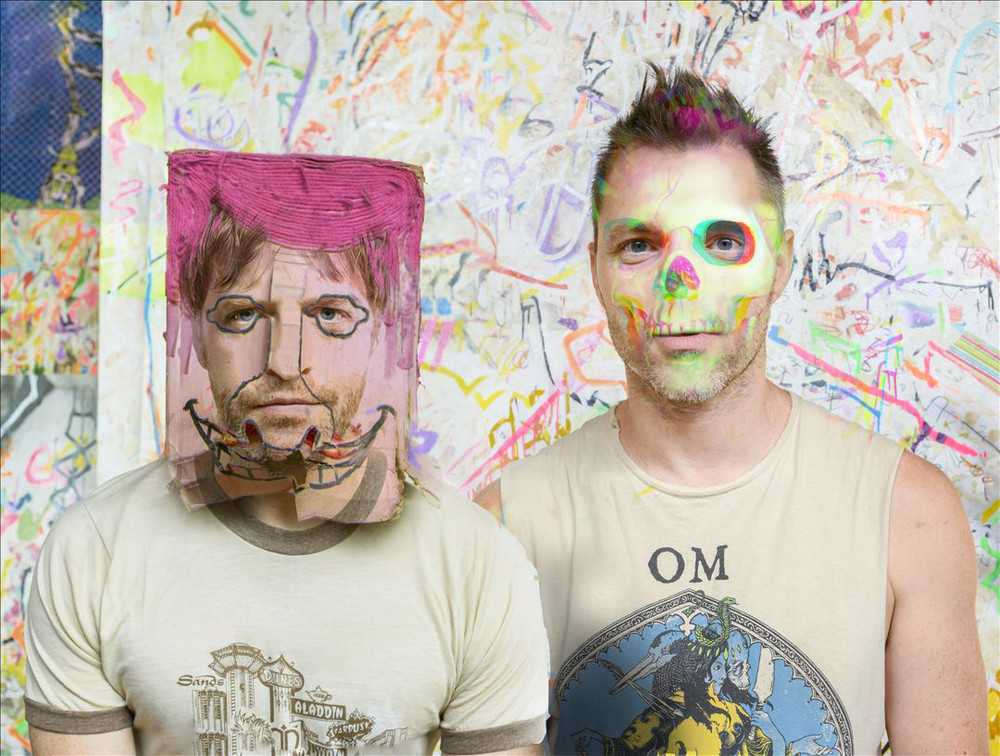
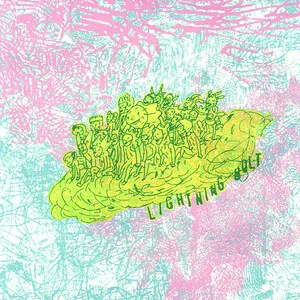
Lightning Bolt
1999–2009
·
5 albums
Listen
2
/5
Genres
Brutal Prog
Brutal prog (short for "brutal progressive") is a hyper-aggressive, tightly wound offshoot of progressive rock that fuses the complexity of prog with the abrasion of no wave, the intensity of grindcore, and the freedom of avant-jazz. Its hallmarks include relentless rhythmic churn, sudden metric lurches, whiplash stop–start arrangements, and dense, through-composed structures that minimize repetition. Harmony tends toward dissonance and chromatic clusters, while melodies often appear as angular, high-velocity unisons and hocketed lines between guitar, bass, and drums (and at times saxophone or keys). Vocals, if present at all, are sparse and used for color rather than hooks. The overall effect is maximalist, precise, and confrontational: music that feels meticulously engineered yet volatile, demanding virtuosic control and ensemble cohesion.
Discover
Listen
Fort Thunder Scene
The Fort Thunder scene refers to a mid/late‑1990s DIY art‑and‑noise community centered around the Fort Thunder warehouse in Providence, Rhode Island. It fused blistering noise rock, no wave abrasion, hardcore punk energy, and comic‑book/screen‑print visual culture into immersive floor‑level performances. Musically, it favored maximal volume, distorted bass guitar (often the only stringed instrument), hyperactive polyrhythmic drumming, clattering electronics, contact‑miked objects, and improvised/through‑composed structures that prized texture and momentum over conventional harmony. Aesthetically, shows were carnivalesque: masks and costumes, hand‑silkscreened posters, projections, and sculptural set pieces turned concerts into total environments. Although place‑specific, the Fort Thunder scene became a shorthand for a raw, ecstatic, visual‑arts‑driven strain of American noise/experimental rock that spread via touring, zines, tapes, and labels like Load Records.
Discover
Listen
Noise Rock
Noise rock is a subgenre of rock that deliberately embraces distortion, feedback, dissonance, and abrasive textures as primary musical materials rather than mere effects. It prioritizes timbre, volume, and sonic density over conventional melody and harmony, often using nonstandard tunings, prepared or detuned guitars, and extended techniques to generate harsh overtones and sheets of sound. Rhythm sections tend to be driving and repetitive, anchoring the chaos with motorik pulses, lurching grooves, or pummeling, minimal patterns. Vocals range from spoken and murmured to shouted and cathartic, with lyrics that skew cryptic, confrontational, or surreal. Aesthetically, noise rock traces a line from punk’s anti-virtuosity and DIY ethos through no wave’s iconoclasm and the avant-garde’s interest in sound-as-sound, yielding music that can be physically intense, psychologically unsettling, and artistically exploratory.
Discover
Listen
Math Rock
Math rock is a subgenre of indie and experimental rock defined by complex, irregular rhythms, sudden dynamic shifts, and angular, interlocking guitar lines. It frequently employs odd and mixed meters (such as 5/4, 7/8, 11/8), polyrhythms, start–stop figures, and intricate syncopation. Guitars often favor clean or lightly overdriven tones, tapping, and harmonically adventurous voicings over traditional power-chord riffing. Vocals, if present, are usually sparse, textural, or rhythmically coordinated with the ensemble rather than the primary focal point. Aesthetically, math rock draws from the precision and structural ambition of progressive rock, the urgency of post-hardcore, and the textural curiosity of indie and noise rock, resulting in music that feels both cerebral and visceral.
Discover
Listen
Post-Hardcore
Post-hardcore is a branch of hardcore punk that retains the style’s urgency and DIY ethos while expanding its musical vocabulary. Bands push beyond breakneck tempos and simple power-chord progressions into more dynamic song structures, varied rhythms, and a wider emotional range. Guitars often alternate between caustic distortion and clean, chiming textures; vocals can shift from shouted slogans to melodic singing; and arrangements emphasize tension-and-release, odd meters, and dramatic builds. Lyrically, post-hardcore tends to be more introspective and socially conscious than its hardcore roots, touching on personal, political, and philosophical themes.
Discover
Listen
Avant-Prog
Avant-prog (avant-garde progressive rock) is a branch of progressive rock that emphasizes experimentation, dissonance, and structural innovation. It often blends rock instrumentation with chamber-music timbres (strings, woodwinds, brass) and techniques borrowed from 20th‑century classical music, free jazz, and minimalism. Typical traits include irregular and shifting meters, abrupt contrasts, complex counterpoint, atonal or modal harmony, extended techniques, and through-composed forms that minimize or abandon verse/chorus structures. The mood ranges from stark and austere to playfully surreal, with a frequent penchant for theatricality and sound collage. The movement’s ethos—crystallized by the late‑1970s Rock in Opposition (RIO) collective—was as much cultural as musical, favoring artistic independence, DIY production, and an oppositional stance toward commercial music industry norms.
Discover
Listen
Noise
Noise is an experimental music genre that uses non-traditional sound sources, distortion, feedback, and extreme dynamics as primary musical materials. Instead of emphasizing melody, harmony, or conventional rhythm, it focuses on texture, density, timbre, and the physical presence of sound. Practitioners sculpt saturated walls of sound, piercing feedback, metallic clatter, contact-mic scrapes, tape hiss, and electronic interference into works that can be confrontational or meditative. Performances often highlight process and immediacy—improvisation, body movement, and site-specific acoustics—while recordings can range from lo-fi cassette overload to meticulously layered studio constructions. Though rooted in early avant-garde ideas, the genre coalesced as a distinct practice in the late 1970s and 1980s, especially through Japan’s ‘Japanoise’ scene, and subsequently influenced numerous styles across industrial, punk-adjacent, and experimental electronic music.
Discover
Listen
Experimental Rock
Experimental rock is a broad, exploratory branch of rock music that prioritizes innovation over convention. It stretches rock’s core instrumentation and song forms through unusual timbres, extended techniques, nonstandard tunings, chance procedures, and studio-as-instrument production. Drawing on avant-garde composition, free jazz, minimalism, and electronic/tape music, experimental rock often rejects verse–chorus structures in favor of drones, suites, collage, and improvisation. It embraces dissonance and noise as expressive tools, employs odd or fluid meters, and incorporates non-rock instruments, found sounds, and unconventional recording methods. The result is a lineage of music that treats rock not as a fixed style but as a laboratory for new sound worlds.
Discover
Listen
Experimental
Experimental music is an umbrella term for practices that prioritize exploration, process, and discovery over adherence to established genre norms. It embraces new sound sources, nonstandard tuning systems, indeterminacy and chance operations, graphic and open-form scores, extended techniques, and technology-led sound design (tape, electronics, computers, and live processing). Rather than a single style, it is a methodology and ethos: testing hypotheses about sound, structure, and performance, often blurring boundaries between composition, improvisation, sound art, and performance art. Listeners can expect unfamiliar timbres, unusual forms, and an emphasis on how music is made as much as the resulting sound.
Discover
Listen
Show all 9 genres
Albums
2009
2
/5
Earthly Delights
Lightning Bolt
Brutal Prog
Math Rock
Noise
2005
2
/5
Hypermagic Mountain
Lightning Bolt
Brutal Prog
Avant-Prog
Noise Rock
2003
2
/5
Wonderful Rainbow
Lightning Bolt
Fort Thunder Scene
Brutal Prog
Avant-Prog
1999
2
/5
Ride the Skies
Lightning Bolt
Fort Thunder Scene
Hypermagic Mountain
Lightning Bolt
Fort Thunder Scene
Similar artists
1
/5
Ruins
Brutal Prog
Math Rock
Noise Rock
3
/5
black midi
Windmill Scene
Math Rock
Noise Rock
1
/5
Ni
Brutal Prog
Math Rock
Avant-Garde
1
/5
Yowie
Brutal Prog
Avant-Garde
Experimental
1
/5
Orthrelm
Brutal Prog
Avant-Garde
Math Rock
1
/5
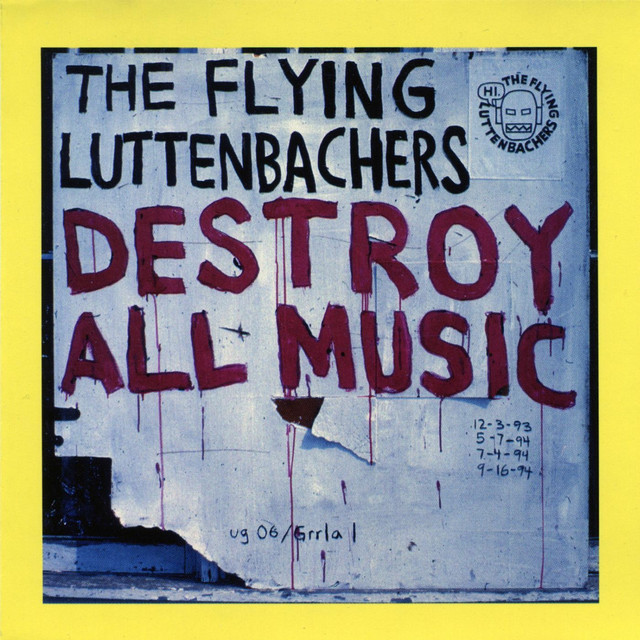
The Flying Luttenbachers
Chicago No Wave
Brutal Prog
Avant-Garde
1
/5
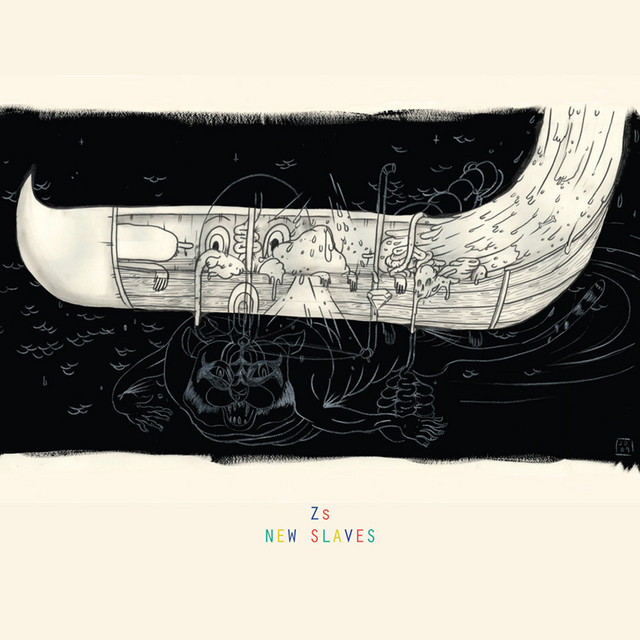
Zs
Avant-Garde
Brutal Prog
Experimental
1
/5
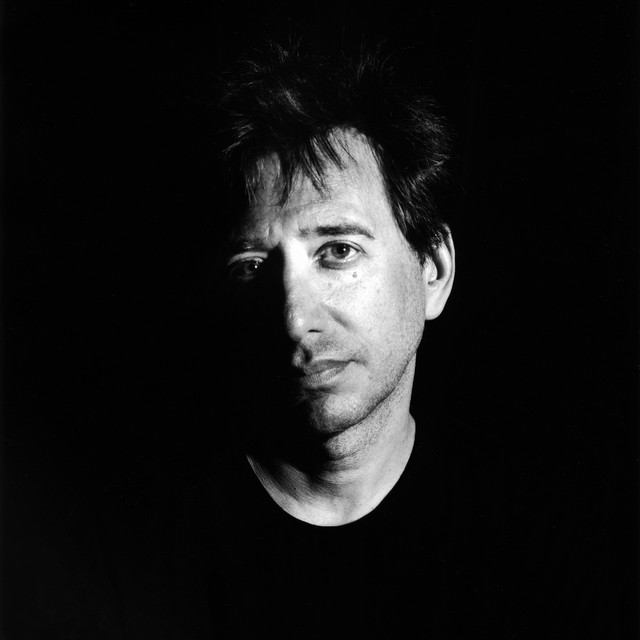
John Zorn
Avant-Garde Jazz
Free Improvisation
Jazz
1
/5
PinioL
Avant-Prog
Brutal Prog
Math Rock
2
/5
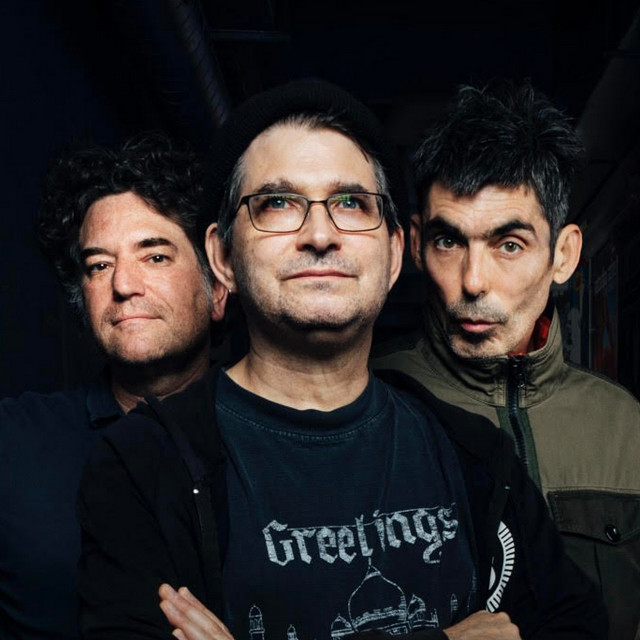
Shellac
Math Rock
Noise Rock
Post-Hardcore
Download our mobile app
Get the Melodigging app and start digging for new genres on the go
Download on the App Store
Get it on Google Play
© 2026 Melodigging
Give feedback
Legal
Melodding was created as a tribute to
Every Noise at Once
, which inspired us to help curious minds keep digging into music's ever-evolving genres.