Genres
Artists
Albums
Make Music
Sign in
Sign in
Artists
Traditional Music
Artists
Traditional Music
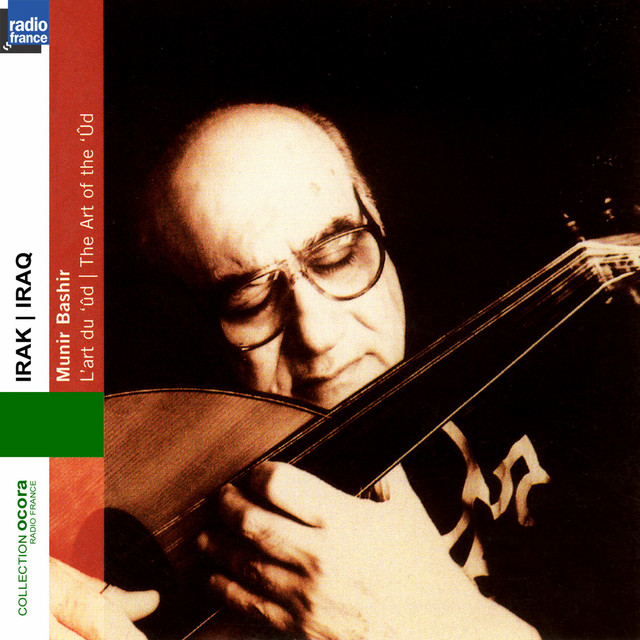
Munir Bashir
1998–2001
·
2 albums
Listen
2
/5
Genres
World
World music is a broad, industry-coined umbrella for traditional, folk, and contemporary popular styles from around the globe that fall outside the Anglo-American pop mainstream. The label emerged in the 1980s as a retail and marketing category to group diverse regional musics for international distribution. Musically, it spans acoustic and electric instrumentation; modal, pentatonic, and microtonal pitch systems; and rhythms ranging from cyclical grooves and polyrhythms to asymmetrical meters. While the term can obscure local specificity, it also facilitated cross-cultural collaboration, festivals, and recordings that brought regional genres to wider audiences.
Discover
Listen
Traditional Music
Traditional music is an umbrella term used in the mid–20th century by folklorists and ethnomusicologists to denote community-rooted, orally transmitted repertoires tied to social ritual, work, celebration, and storytelling. Unlike commercial pop or art-music traditions, traditional music is typically learned by ear, varies regionally, and evolves slowly through communal participation. It often features modal melodies, cyclic rhythms, heterophony or unison singing, and indigenous instruments whose timbres are integral to local identity. Lyrics tend to preserve language, history, and collective memory. While the musical practices themselves can be ancient, the phrase “traditional music” emerged to replace earlier, narrower or colonial framings like “folk” or “ethnic” music, foregrounding continuity, locality, and living practice rather than exoticism.
Discover
Listen
Folk
Folk is a song-centered acoustic tradition rooted in community storytelling, everyday life, and social history. It emphasizes clear melodies, simple harmonies, and lyrics that foreground narrative, protest, and personal testimony. As a modern recorded genre, folk coalesced in the early-to-mid 20th century in the United States out of older ballad, work song, and rural dance traditions. It typically features acoustic instruments (guitar, banjo, fiddle, mandolin, harmonica), strophic song forms, and participatory singing (choruses, call-and-response).
Discover
Listen
Country
Country is a roots-based popular music from the rural American South that blends Anglo-Celtic ballad traditions with African American blues, gospel, and string-band dance music. It is characterized by narrative songwriting, plainspoken vocals with regional twang, and a palette of acoustic and electric instruments such as acoustic guitar, fiddle, banjo, pedal steel, and telecaster guitar. Rhythmically it favors two-step feels, train beats, shuffles, and waltzes, while harmony is largely diatonic (I–IV–V) with occasional country chromaticism and secondary dominants. Across a century, country has evolved through substyles like honky-tonk, the Nashville and Bakersfield sounds, outlaw country, neotraditionalist revivals, pop-country, and country-rap hybrids, but it consistently prioritizes storytelling about everyday life, love, work, faith, place, and identity.
Discover
Listen
Iraqi Maqam
Iraqi Maqam is a highly structured yet semi‑improvised urban art music of Iraq within the wider Arabic maqam tradition. Centered on a virtuosic lead singer (qāriʾ) and a Baghdadi chamber ensemble (Al Chalghi al‑Baghdadi), it sets classical Arabic or Iraqi dialect poetry to modal melodies. Performances are organized as suites (fasl) named for the opening maqam—often Bayāt, Ḥijāz, Rāst, Nawā, or Ḥusaynī. Within each fasl, the singer unfolds a prescribed sequence of sections, modulating among related modes, balancing free‑rhythmic passages with metrically precise songs. The ensemble typically includes santūr (hammered dulcimer), joza/jawza (spike fiddle), goblet drum (darbuka), cello, and at times ʿūd and naqqārāt. Its aesthetic blends ornate melodic lines, microtonal intonation, and complex rhythmic cycles into an intensely expressive, text‑driven performance practice.
Discover
Listen
Arabic Classical Music
Arabic classical music is the art-music tradition of the Arabic-speaking world, built on the modal system of maqam and cyclical rhythmic modes called iqaʿat. It prioritizes ornate melody, nuanced intonation (including microtonal intervals), heterophonic ensemble texture, and a balance between composed forms and improvisation (taqsim). Core forms include the samaʿi (often in 10/8), longa (2/4), dulab (short prelude), muwashshah (strophic song), and the wasla (a multi-movement suite). The aesthetic of tarab—emotional ecstasy and deep musical rapture—guides performance and listening. Typical instruments include the ʿūd (fretless lute), qānūn (plucked zither), nay (end-blown flute), violin/kamanja, riqq (tambourine), and darbuka/tabla, often assembled as a takht (chamber ensemble) or, in later periods, the larger firqa (orchestra).
Discover
Listen
Albums
2001
2
/5
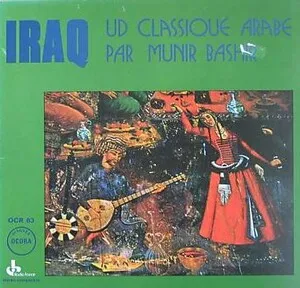
Ud classique arabe par Munir Bashir
Munir Bashir
Arabic Classical Music
Country
Folk
1998
2
/5
Duo de 'ûd
Munir Bashir & Omar Bashir
Iraqi Maqam
Similar artists
1
/5
The Imperial Court Ensemble
Japanese Classical
Traditional Music
Classical
3
/5
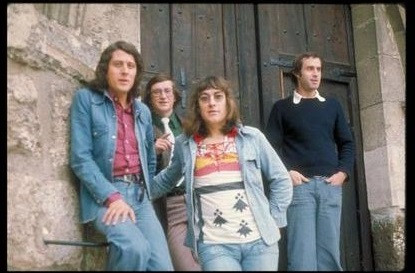
Tri Yann
Breton Celtic Folk Music
Breton Folk Music
Celtic Rock
3
/5
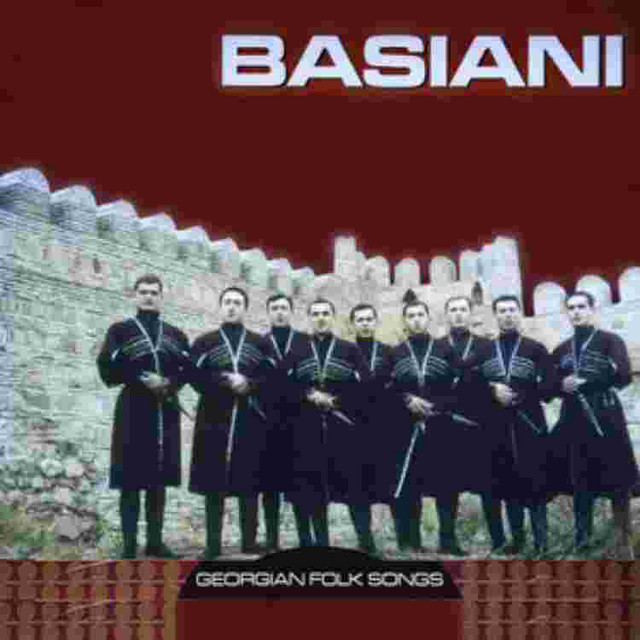
Basiani Ensemble
Georgian Folk Music
Traditional Folk
Traditional Music
3
/5
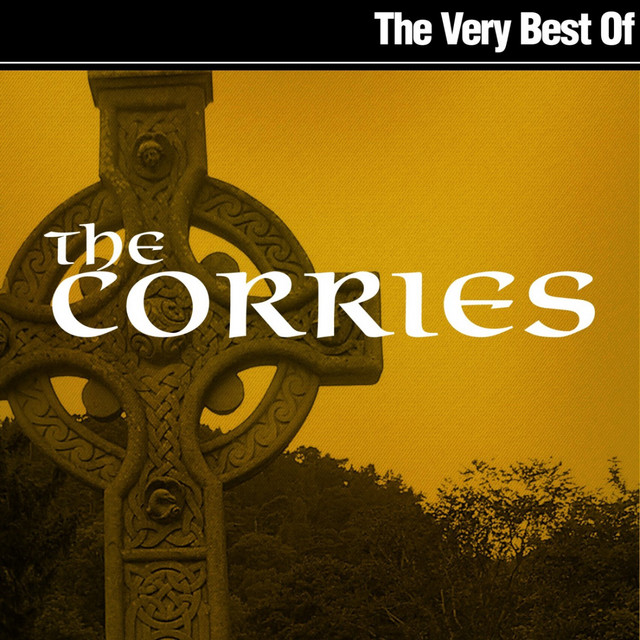
The Corries
Scots Song
Scottish Folk Revival
Celtic
3
/5
José Afonso
Música De Intervenção
Folk
Portuguese Music
2
/5
La Bottine Souriante
French-Canadian Folk Music
Traditional Music
Néo-Trad
2
/5
Pep Gimeno "Botifarra"
Valencian Folk Music
Traditional Music
Folk
2
/5
Huun-Huur-Tu
Central Asian Throat Singing
North Asian Music
Tuvan Throat Singing
2
/5
Solas
Celtic
Folk
Traditional Folk
2
/5
Breabach
Celtic
Celtic Rock
Folk
Download our mobile app
Get the Melodigging app and start digging for new genres on the go
Download on the App Store
Get it on Google Play
© 2026 Melodigging
Give feedback
Legal
Melodding was created as a tribute to
Every Noise at Once
, which inspired us to help curious minds keep digging into music's ever-evolving genres.