Genres
Artists
Albums
Make Music
Sign in
Sign in
Artists
Música De Intervenção
Artists
Música De Intervenção
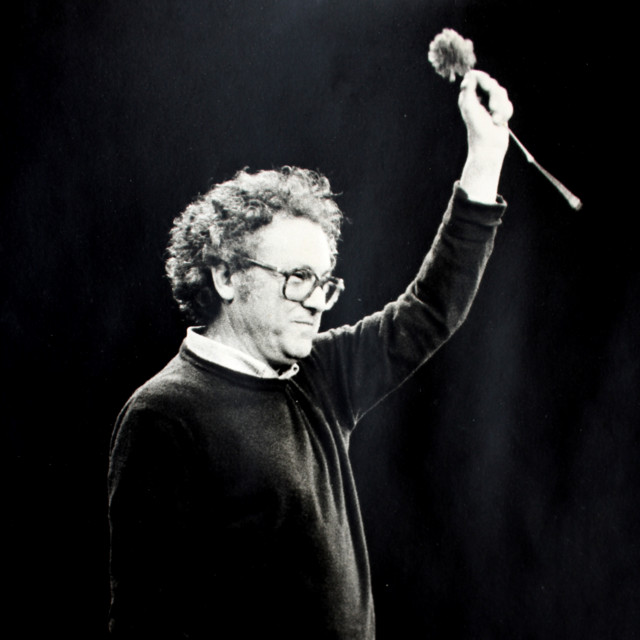
José Afonso
1968–2024
·
22 albums
Listen
3
/5
Genres
Previa
Previa is a contemporary Argentine pre‑party DJ style built around high‑energy edits, bootlegs, and mashups designed to kick off the night. The name comes from the colloquial “la previa,” the pregame gathering before going out, and the music’s job is to turn familiar Latin pop, reggaeton, and regional hits into floor‑ready, faster, harder versions. Sonically, previa lives between tech‑house tempo and reggaeton sensibilities: hooks are sped up, drops hit with big sidechained bass, and builds are short and dramatic. DJs chop sing‑along choruses, stack hypechants and FX, and slam dembow or four‑on‑the‑floor kick patterns under recognizable vocals. The vibe is extroverted, party‑starting, and unapologetically functional—made for mass sing‑backs and immediate dancing.
Discover
Listen
Música De Intervenção
Música de intervenção is the Portuguese tradition of explicitly political and socially engaged song that flourished under the Estado Novo dictatorship and around the Carnation Revolution of 1974. Blending the intimacy of the singer‑songwriter with Portuguese folk and fado inflections, its lyrics prioritize clear messaging, allegory, and collective memory. Melodies tend to be direct and singable, often strophic and supported by acoustic guitar, small ensembles, or choral textures to encourage audience participation. The genre’s purpose is not only aesthetic but civic: to denounce oppression, narrate working‑class realities, and mobilize solidarity.
Discover
Listen
Contemporary Folk
Contemporary folk is a modern evolution of traditional folk aesthetics centered on intimate storytelling, clear melodies, and largely acoustic instrumentation. It favors voice-forward production, fingerpicked or gently strummed guitars, and arrangements that leave space for lyrics to resonate. While rooted in older folk ballad traditions, contemporary folk embraces current themes, production values, and song forms. Artists often blend guitar, banjo, mandolin, fiddle, upright or electric bass, light percussion, and close vocal harmonies, creating a warm, organic sound. The genre frequently addresses personal reflection, social issues, place, memory, and identity, balancing timeless simplicity with contemporary sensibilities.
Discover
Listen
Singer-Songwriter
Singer-songwriter is a song-focused style in which the same person writes, composes, and performs their own material, often accompanying themselves on acoustic guitar or piano. It emphasizes personal voice, lyrical intimacy, and storytelling over elaborate production. Arrangements are typically sparse, allowing the melody, words, and performance nuance to carry the song’s emotional weight. While rooted in folk and blues traditions, singer-songwriter embraces pop and rock songcraft, producing works that can range from quiet confessional ballads to subtly orchestrated, radio-ready pieces.
Discover
Listen
Traditional Music
Traditional music is an umbrella term used in the mid–20th century by folklorists and ethnomusicologists to denote community-rooted, orally transmitted repertoires tied to social ritual, work, celebration, and storytelling. Unlike commercial pop or art-music traditions, traditional music is typically learned by ear, varies regionally, and evolves slowly through communal participation. It often features modal melodies, cyclic rhythms, heterophony or unison singing, and indigenous instruments whose timbres are integral to local identity. Lyrics tend to preserve language, history, and collective memory. While the musical practices themselves can be ancient, the phrase “traditional music” emerged to replace earlier, narrower or colonial framings like “folk” or “ethnic” music, foregrounding continuity, locality, and living practice rather than exoticism.
Discover
Listen
Folk
Folk is a song-centered acoustic tradition rooted in community storytelling, everyday life, and social history. It emphasizes clear melodies, simple harmonies, and lyrics that foreground narrative, protest, and personal testimony. As a modern recorded genre, folk coalesced in the early-to-mid 20th century in the United States out of older ballad, work song, and rural dance traditions. It typically features acoustic instruments (guitar, banjo, fiddle, mandolin, harmonica), strophic song forms, and participatory singing (choruses, call-and-response).
Discover
Listen
Fado De Coimbra
Fado de Coimbra is a scholarly, serenade-oriented branch of Portuguese fado associated with the University of Coimbra and its academic traditions. It is typically performed by male student singers at night, accompanied by the Coimbra-tuned Portuguese guitar (guitarra de Coimbra) and classical guitar (viola). The tuning, timbre, and repertoire favor a dignified, lyrical delivery that highlights poetry, restraint, and saudade. Compared to Lisbon fado, the Coimbra style is more austere and classically inflected, with texts that often reference student life, the city’s river Mondego, nocturnal streets, and unrequited love.
Discover
Listen
Fado
Fado is an urban Portuguese song tradition centered on the feeling of saudade—an untranslatable mix of longing, nostalgia, and bittersweet melancholy. It emerged in 19th‑century Lisbon’s working-class neighborhoods and port districts and later developed a distinct academic strain in Coimbra. Typically performed by a solo singer (fadista) with accompaniment from the 12‑string guitarra portuguesa (Portuguese guitar) and a 6‑string viola (classical/steel‑string guitar), fado favors minor keys, expressive rubato, and ornate melodic embellishment. Its poetry (often in quatrains) contemplates love, fate, the sea, and everyday hardship. Two principal styles dominate: Fado de Lisboa, intimate and dramatic, and Fado de Coimbra, associated with student serenades and a more classical, restrained delivery. Recognized by UNESCO in 2011 as Intangible Cultural Heritage, fado remains a living tradition continually renewed by contemporary interpreters.
Discover
Listen
Iberian Music
Iberian music is an umbrella term for the intertwined musical traditions of Spain and Portugal, shaped over centuries by Mediterranean, North African, and European currents. It spans sacred chant and courtly song, rural dance traditions, fado and flamenco, art music inspired by folk idioms, and contemporary fusions. At its core are distinctive rhythmic cycles (such as flamenco compás), modal colors (notably the Phrygian cadence and Hijaz-like inflections), and poetic themes ranging from duende’s raw intensity to fado’s saudade. Guitars (Spanish and Portuguese), clapping (palmas), cajón, castanets, and regional instruments (gaita galega, bandurria, Portuguese guitarra) are central timbral markers. As a cultural matrix rather than a single style, Iberian music both preserves local identities—Andalusian, Galician, Catalan, Alentejano—and continually reinvents itself in dialogue with classical composition, jazz, rock, and electronic music.
Discover
Listen
Portuguese Folk Music
Portuguese folk music is the umbrella term for Portugal’s regional traditional musics and dances, encompassing vocal and instrumental practices tied to social life, work, and ritual. It includes lively circle and couple dances such as the Vira and Chula of Minho, the Corridinho of the Algarve, the Fandango of Ribatejo, the Bailinho of Madeira, and the Chamarrita of the Azores, alongside slower strophic songs (modas) and the powerful choral Cante Alentejano from the south. Typical instruments include the gaita-de-fole (bagpipes), adufe (square frame drum), concertina and diatonic accordion, cavaquinho and regional violas (viola braguesa, toeira, amarantina), rabeca chuleira (fiddle), bombo (bass drum), and ferrinhos (triangle). Vocals often employ call-and-response, heterophony, and close parallel harmonies in Portuguese and, in some regions, Mirandese. The style is communal and dance-oriented, performed at romarias (religious festivals), village gatherings, and seasonal celebrations. Melodies are diatonic and modal (often mixolydian or dorian), with simple harmonic supports when harmonized, and strong rhythmic patterns suited to participatory dancing.
Discover
Listen
Portuguese Music
Portuguese music is the broad musical tradition of Portugal, spanning medieval courtly song, liturgical polyphony, regional folk styles, urban song (most famously fado), and a modern landscape of pop, rock, jazz, hip hop, and experimental scenes. At its core is the aesthetic of saudade—a bittersweet sense of longing—that shapes the melodic phrasing and lyrical themes of many Portuguese styles. Hallmark timbres include the bright, shimmering guitarra portuguesa (12‑string Portuguese guitar), classical/folk guitars (viola), cavaquinho, accordion, adufe frame drum, and regional bagpipes (gaita transmontana). Portuguese music also reflects centuries of exchange across the Lusophone world, especially with Brazil, Cape Verde, and other former colonies, enriching local idioms with rhythmic and harmonic colors from Africa and the Americas.
Discover
Listen
Show all 11 genres
Albums
2024
1
/5
Os Vampiros
José Afonso
Música De Intervenção
2023
1
/5
Fura fura
José Afonso
Música De Intervenção
Folk
2023
1
/5
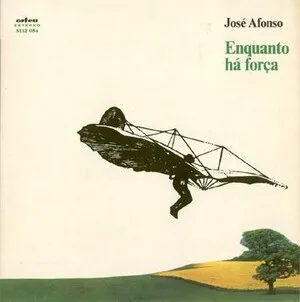
Enquanto há força
José Afonso
Música De Intervenção
Portuguese Music
Fado
2023
1
/5
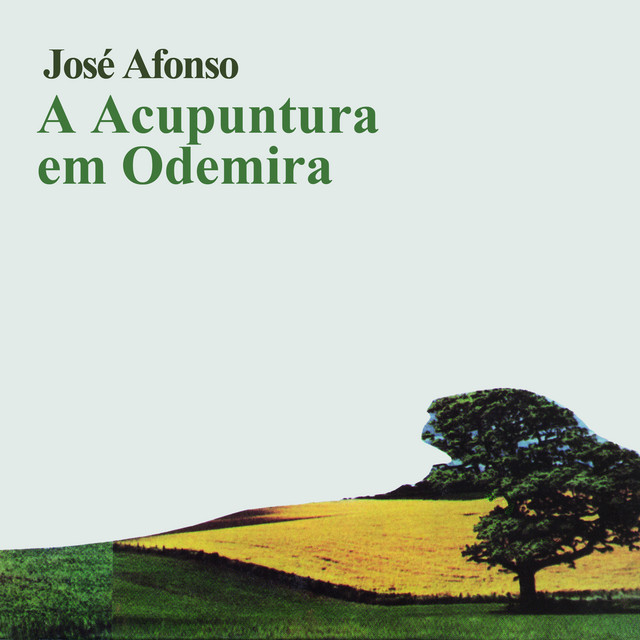
A Acupuntura em Odemira
José Afonso
Música De Intervenção
1997
2
/5
Baladas e canções
José Afonso
Fado De Coimbra
Fado
Portuguese Folk Music
1981
1
/5
Fados de Coimbra e outras canções
José Afonso
Fado De Coimbra
Fado
1976
1
/5
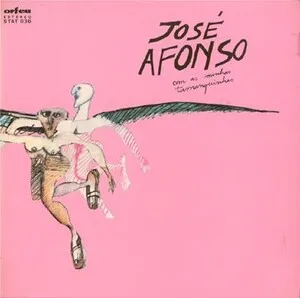
Com as minhas tamanquinhas
José Afonso
Música De Intervenção
Portuguese Music
Folk
1974
1
/5
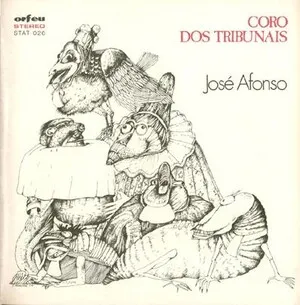
Coro dos tribunais
José Afonso
Música De Intervenção
Portuguese Music
Folk
1973
2
/5
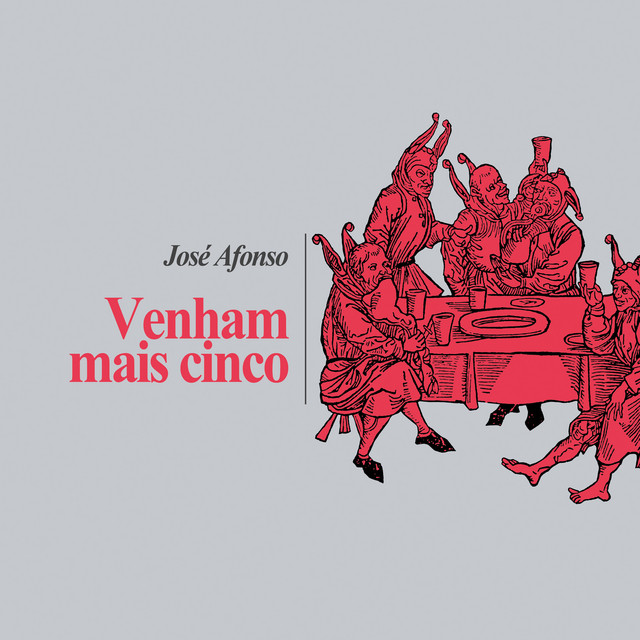
Venham Mais Cinco
José Afonso
Música De Intervenção
Folk
1973
1
/5
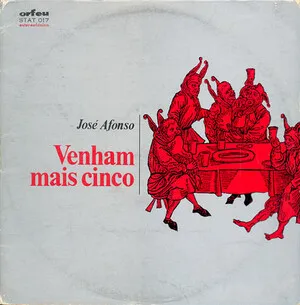
Venham mais cinco
José Afonso
Música De Intervenção
Portuguese Music
Iberian Music
1972
1
/5
Eu vou ser como a toupeira
José Afonso
Música De Intervenção
Portuguese Music
Folk
1971
1
/5
Grândola, Vila Morena
José Afonso
Música De Intervenção
Traditional Music
Fado
1971
2
/5
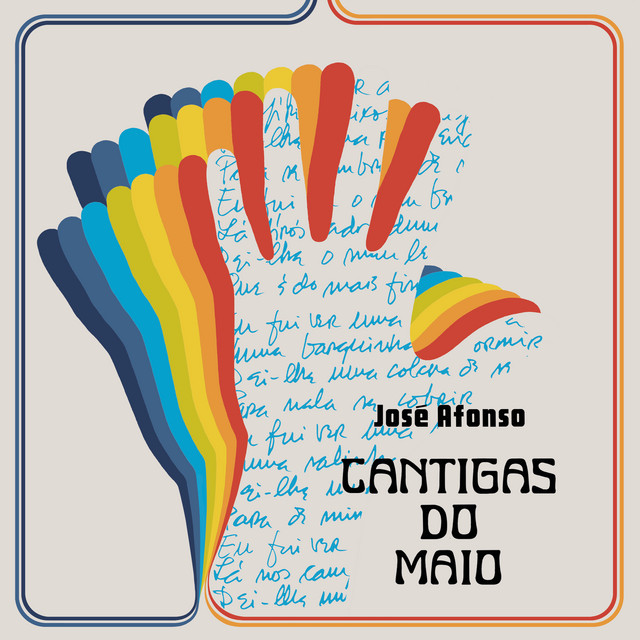
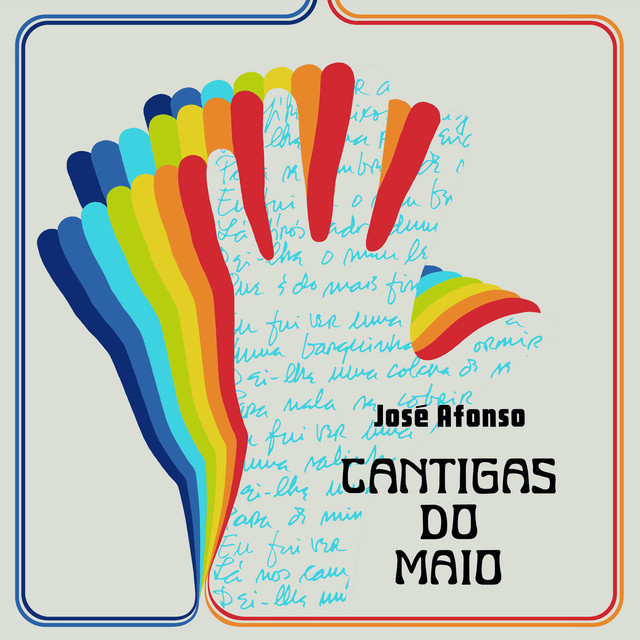
Cantigas Do Maio
José Afonso
Música De Intervenção
1971
1
/5
Cantigas do Maio
José Afonso
Música De Intervenção
Portuguese Music
Iberian Music
1970
2
/5
Traz Outro Amigo Também
José Afonso
Música De Intervenção
Folk
1970
1
/5
Traz outro amigo também
José Afonso
Música De Intervenção
Portuguese Music
Iberian Music
1969
1
/5
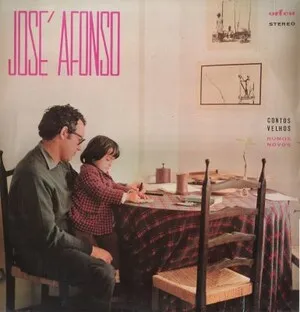
Contos velhos, rumos novos
José Afonso
Música De Intervenção
Folk
1968
2
/5
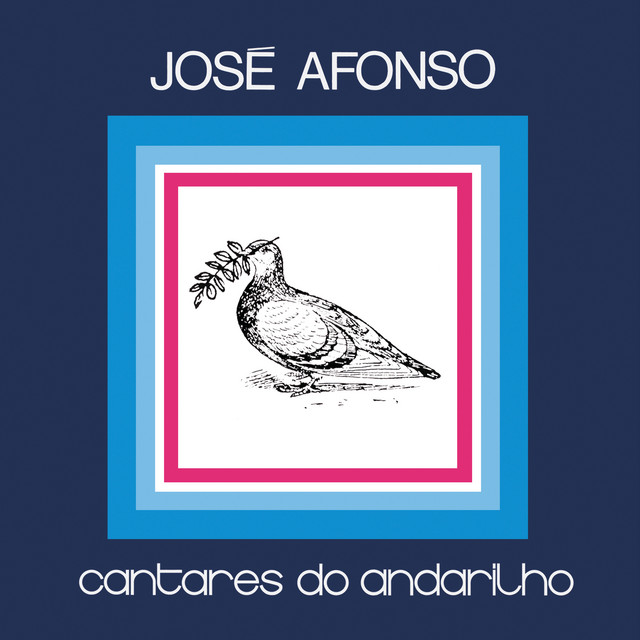
Cantares do Andarilho
José Afonso
Música De Intervenção
Folk
1968
1
/5
Cantares do andarilho
José Afonso
Música De Intervenção
Portuguese Music
Iberian Music
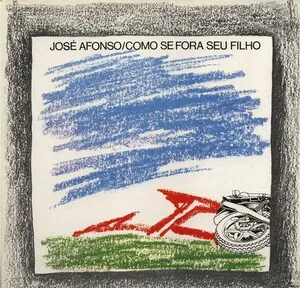
Como se fora seu filho
José Afonso
Portuguese Folk Music
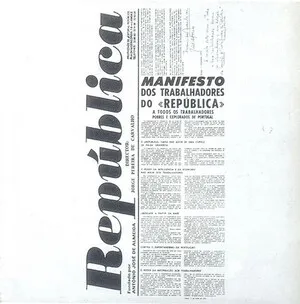
República
José Afonso
Música De Intervenção
Como se fora seu filho
José Afonso
Música De Intervenção
Similar artists
2
/5
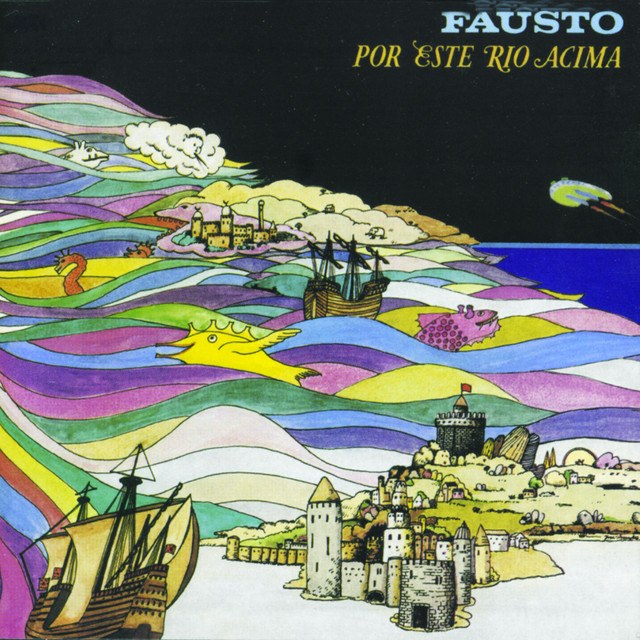
Fausto
Música De Intervenção
Portuguese Folk Music
Fado
2
/5
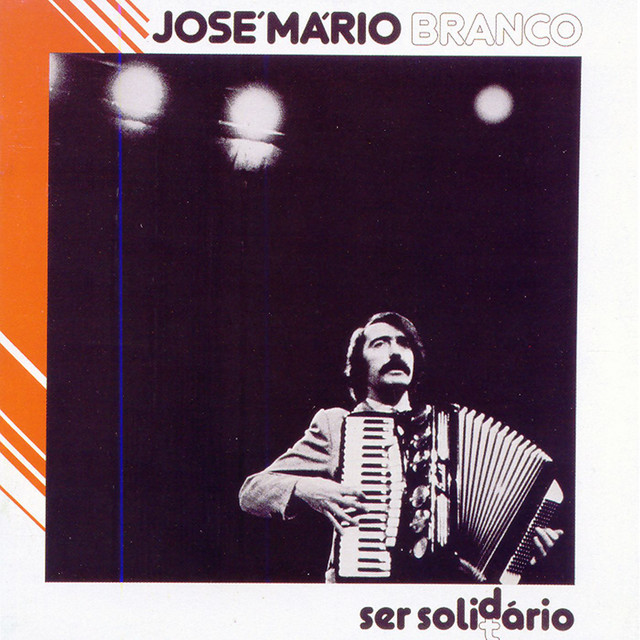
José Mário Branco
Música De Intervenção
Fado
Portuguese Music
2
/5
Sergio Godinho
Música De Intervenção
Fado
Portuguese Music
2
/5
Carlos Do Carmo
Fado
Música De Intervenção
Portuguese Folk Music
2
/5
Vitorino
Música De Intervenção
Fado
Traditional Music
2
/5
Madredeus
Fado
Portuguese Folk Music
Folk
2
/5
Carlos Paredes
Fado
Portuguese Music
Iberian Music
2
/5
Raül Refree
Fado
Flamenco
Folk
2
/5
Galandum Galundaina
Trás-Os-Montes Folk Music
Traditional Music
Folk
3
/5
Amália Rodrigues
Fado
Fado De Coimbra
Portuguese Folk Music
Download our mobile app
Get the Melodigging app and start digging for new genres on the go
Download on the App Store
Get it on Google Play
© 2026 Melodigging
Give feedback
Legal
Melodding was created as a tribute to
Every Noise at Once
, which inspired us to help curious minds keep digging into music's ever-evolving genres.