Genres
Artists
Albums
Make Music
Sign in
Sign in
Artists
Trás-Os-Montes Folk Music
Artists
Trás-Os-Montes Folk Music
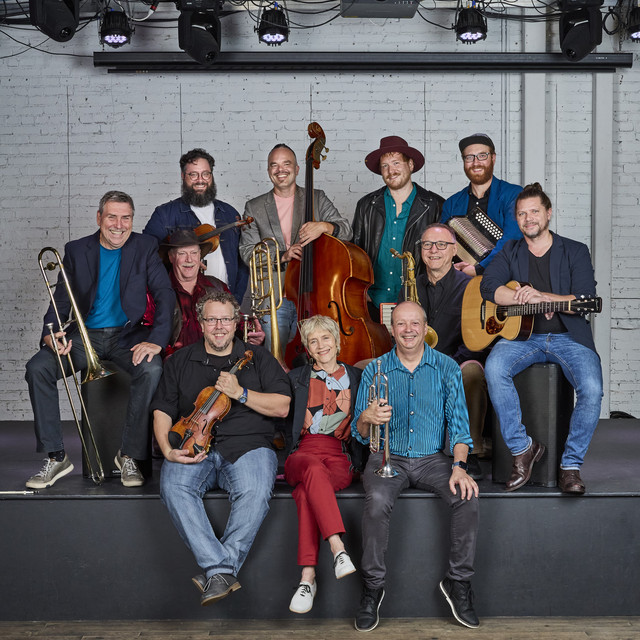
Galandum Galundaina
2002–2015
·
5 albums
Listen
2
/5
Genres
Traditional Music
Traditional music is an umbrella term used in the mid–20th century by folklorists and ethnomusicologists to denote community-rooted, orally transmitted repertoires tied to social ritual, work, celebration, and storytelling. Unlike commercial pop or art-music traditions, traditional music is typically learned by ear, varies regionally, and evolves slowly through communal participation. It often features modal melodies, cyclic rhythms, heterophony or unison singing, and indigenous instruments whose timbres are integral to local identity. Lyrics tend to preserve language, history, and collective memory. While the musical practices themselves can be ancient, the phrase “traditional music” emerged to replace earlier, narrower or colonial framings like “folk” or “ethnic” music, foregrounding continuity, locality, and living practice rather than exoticism.
Discover
Listen
Folk
Folk is a song-centered acoustic tradition rooted in community storytelling, everyday life, and social history. It emphasizes clear melodies, simple harmonies, and lyrics that foreground narrative, protest, and personal testimony. As a modern recorded genre, folk coalesced in the early-to-mid 20th century in the United States out of older ballad, work song, and rural dance traditions. It typically features acoustic instruments (guitar, banjo, fiddle, mandolin, harmonica), strophic song forms, and participatory singing (choruses, call-and-response).
Discover
Listen
Portuguese Folk Music
Portuguese folk music is the umbrella term for Portugal’s regional traditional musics and dances, encompassing vocal and instrumental practices tied to social life, work, and ritual. It includes lively circle and couple dances such as the Vira and Chula of Minho, the Corridinho of the Algarve, the Fandango of Ribatejo, the Bailinho of Madeira, and the Chamarrita of the Azores, alongside slower strophic songs (modas) and the powerful choral Cante Alentejano from the south. Typical instruments include the gaita-de-fole (bagpipes), adufe (square frame drum), concertina and diatonic accordion, cavaquinho and regional violas (viola braguesa, toeira, amarantina), rabeca chuleira (fiddle), bombo (bass drum), and ferrinhos (triangle). Vocals often employ call-and-response, heterophony, and close parallel harmonies in Portuguese and, in some regions, Mirandese. The style is communal and dance-oriented, performed at romarias (religious festivals), village gatherings, and seasonal celebrations. Melodies are diatonic and modal (often mixolydian or dorian), with simple harmonic supports when harmonized, and strong rhythmic patterns suited to participatory dancing.
Discover
Listen
Trás-Os-Montes Folk Music
Trás-os-Montes folk music is the traditional music of Portugal’s northeastern uplands, especially the Terra de Miranda plateau on the Spanish border. It is marked by vigorous dance tunes for bagpipe-and-drum ensembles, seasonal ritual songs, and distinctive stick-dance repertoires. Core sounds include the gaita-de-foles mirandesa (Mirandese bagpipe), bombos (bass drums), caixas (side drums), and the pandeiro/pandeira quadrado (square frame drum) often played by women. Singing can be solo or in small groups, in Portuguese or Mirandese (Mirandês), and frequently uses strophic, call-and-response forms with memorable refrains. The idiom accompanies community life—romarias (pilgrimages), Carnival (Entrudo) with the Caretos of Podence, winter caroling (Janeiras), and Lenten laments—blending lively circle and line dances (chulas in 2/4, viras in 3/4) with modal melodies, bagpipe drones, percussive footwork, and the striking stick patterns of the pauliteiros (Mirandese stick-dance troupes).
Discover
Listen
Portuguese Music
Portuguese music is the broad musical tradition of Portugal, spanning medieval courtly song, liturgical polyphony, regional folk styles, urban song (most famously fado), and a modern landscape of pop, rock, jazz, hip hop, and experimental scenes. At its core is the aesthetic of saudade—a bittersweet sense of longing—that shapes the melodic phrasing and lyrical themes of many Portuguese styles. Hallmark timbres include the bright, shimmering guitarra portuguesa (12‑string Portuguese guitar), classical/folk guitars (viola), cavaquinho, accordion, adufe frame drum, and regional bagpipes (gaita transmontana). Portuguese music also reflects centuries of exchange across the Lusophone world, especially with Brazil, Cape Verde, and other former colonies, enriching local idioms with rhythmic and harmonic colors from Africa and the Americas.
Discover
Listen
Albums
2015
1
/5
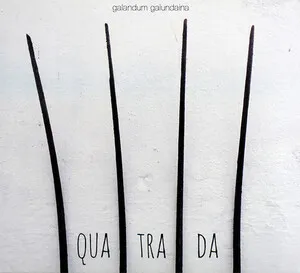
Quatrada
Galandum Galundaina
Trás-Os-Montes Folk Music
2010
1
/5
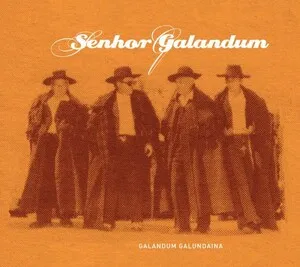
Senhor Galandum
Galandum Galundaina
Trás-Os-Montes Folk Music
Portuguese Folk Music
Portuguese Music
2005
1
/5
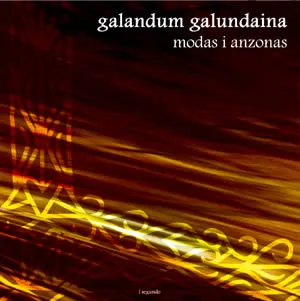
Modas i anzonas
Galandum Galundaina
Trás-Os-Montes Folk Music
Folk
2002
1
/5
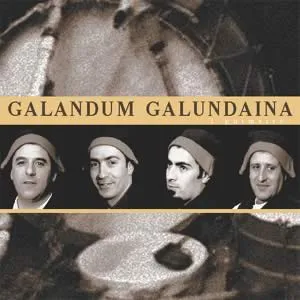
L Purmeiro
Galandum Galundaina
Trás-Os-Montes Folk Music
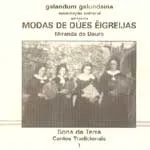
Modas de Dúes Eigreijas
Galandum Galundaina
Trás-Os-Montes Folk Music
Similar artists
3
/5
José Afonso
Música De Intervenção
Folk
Portuguese Music
2
/5
Fausto
Música De Intervenção
Portuguese Folk Music
Fado
2
/5
Madredeus
Fado
Portuguese Folk Music
Folk
2
/5
Raül Refree
Fado
Flamenco
Folk
2
/5
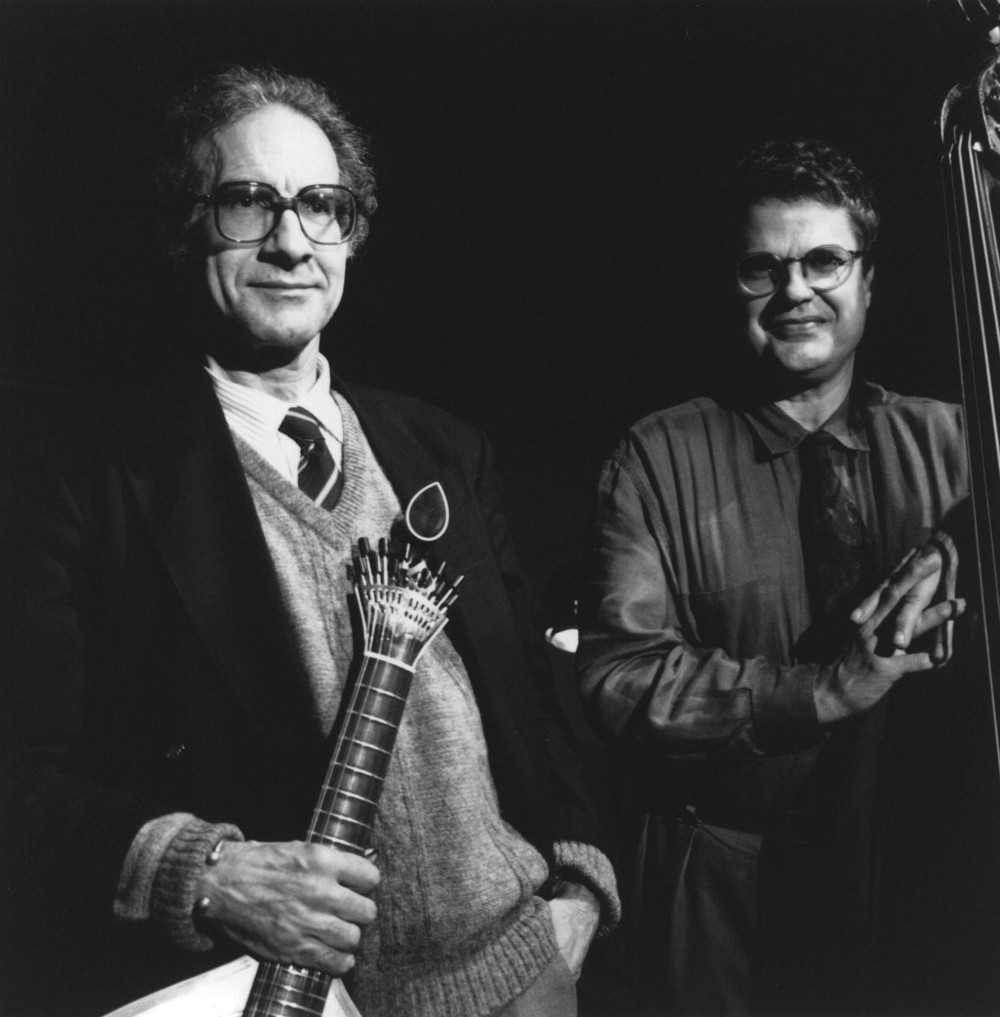
Carlos Paredes
Fado
Portuguese Music
Iberian Music
3
/5
Tri Yann
Breton Celtic Folk Music
Breton Folk Music
Celtic Rock
3
/5
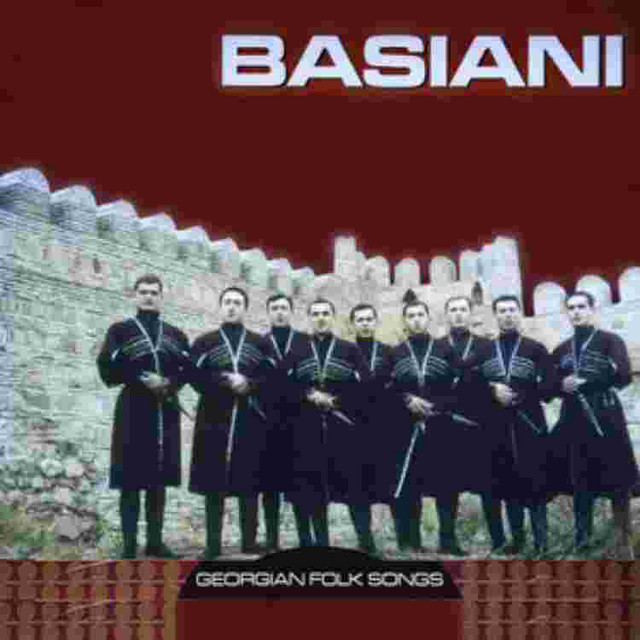
Basiani Ensemble
Georgian Folk Music
Traditional Folk
Traditional Music
3
/5
The Corries
Scots Song
Scottish Folk Revival
Celtic
2
/5
La Bottine Souriante
French-Canadian Folk Music
Traditional Music
Néo-Trad
2
/5
Pep Gimeno "Botifarra"
Valencian Folk Music
Traditional Music
Folk
Download our mobile app
Get the Melodigging app and start digging for new genres on the go
Download on the App Store
Get it on Google Play
© 2026 Melodigging
Give feedback
Legal
Melodding was created as a tribute to
Every Noise at Once
, which inspired us to help curious minds keep digging into music's ever-evolving genres.