Genres
Artists
Albums
Make Music
Sign in
Sign in
Artists
Música De Intervenção
Artists
Música De Intervenção
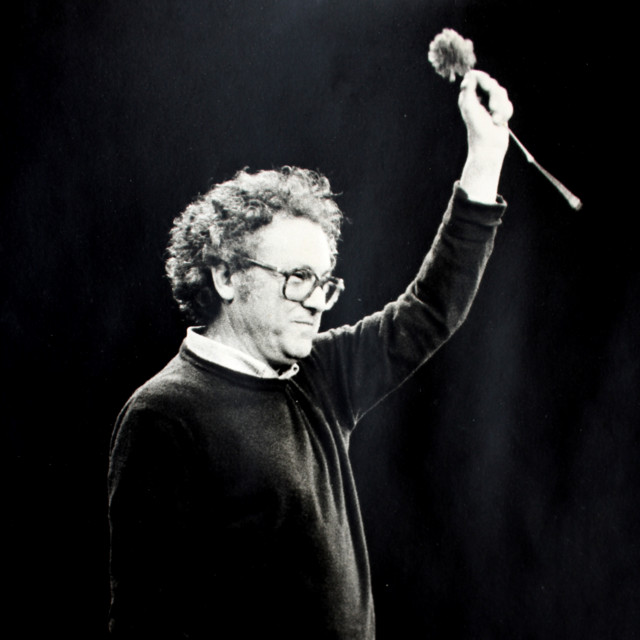
José Mário Branco
1974–2018
·
9 albums
Listen
2
/5
Genres
Música De Intervenção
Música de intervenção is the Portuguese tradition of explicitly political and socially engaged song that flourished under the Estado Novo dictatorship and around the Carnation Revolution of 1974. Blending the intimacy of the singer‑songwriter with Portuguese folk and fado inflections, its lyrics prioritize clear messaging, allegory, and collective memory. Melodies tend to be direct and singable, often strophic and supported by acoustic guitar, small ensembles, or choral textures to encourage audience participation. The genre’s purpose is not only aesthetic but civic: to denounce oppression, narrate working‑class realities, and mobilize solidarity.
Discover
Listen
Singer-Songwriter
Singer-songwriter is a song-focused style in which the same person writes, composes, and performs their own material, often accompanying themselves on acoustic guitar or piano. It emphasizes personal voice, lyrical intimacy, and storytelling over elaborate production. Arrangements are typically sparse, allowing the melody, words, and performance nuance to carry the song’s emotional weight. While rooted in folk and blues traditions, singer-songwriter embraces pop and rock songcraft, producing works that can range from quiet confessional ballads to subtly orchestrated, radio-ready pieces.
Discover
Listen
Rock
Rock is a broad family of popular music centered on amplified instruments, a strong backbeat, and song forms that foreground riffs, choruses, and anthemic hooks. Emerging from mid‑20th‑century American styles like rhythm & blues, country, and gospel-inflected rock and roll, rock quickly expanded in scope—absorbing folk, blues, and psychedelic ideas—while shaping global youth culture. Core sonic markers include electric guitar (often overdriven), electric bass, drum kit emphasizing beats 2 and 4, and emotive lead vocals. Rock songs commonly use verse–chorus structures, blues-derived harmony, and memorable melodic motifs, ranging from intimate ballads to high‑energy, stadium‑sized performances.
Discover
Listen
Folk
Folk is a song-centered acoustic tradition rooted in community storytelling, everyday life, and social history. It emphasizes clear melodies, simple harmonies, and lyrics that foreground narrative, protest, and personal testimony. As a modern recorded genre, folk coalesced in the early-to-mid 20th century in the United States out of older ballad, work song, and rural dance traditions. It typically features acoustic instruments (guitar, banjo, fiddle, mandolin, harmonica), strophic song forms, and participatory singing (choruses, call-and-response).
Discover
Listen
Fado
Fado is an urban Portuguese song tradition centered on the feeling of saudade—an untranslatable mix of longing, nostalgia, and bittersweet melancholy. It emerged in 19th‑century Lisbon’s working-class neighborhoods and port districts and later developed a distinct academic strain in Coimbra. Typically performed by a solo singer (fadista) with accompaniment from the 12‑string guitarra portuguesa (Portuguese guitar) and a 6‑string viola (classical/steel‑string guitar), fado favors minor keys, expressive rubato, and ornate melodic embellishment. Its poetry (often in quatrains) contemplates love, fate, the sea, and everyday hardship. Two principal styles dominate: Fado de Lisboa, intimate and dramatic, and Fado de Coimbra, associated with student serenades and a more classical, restrained delivery. Recognized by UNESCO in 2011 as Intangible Cultural Heritage, fado remains a living tradition continually renewed by contemporary interpreters.
Discover
Listen
Iberian Music
Iberian music is an umbrella term for the intertwined musical traditions of Spain and Portugal, shaped over centuries by Mediterranean, North African, and European currents. It spans sacred chant and courtly song, rural dance traditions, fado and flamenco, art music inspired by folk idioms, and contemporary fusions. At its core are distinctive rhythmic cycles (such as flamenco compás), modal colors (notably the Phrygian cadence and Hijaz-like inflections), and poetic themes ranging from duende’s raw intensity to fado’s saudade. Guitars (Spanish and Portuguese), clapping (palmas), cajón, castanets, and regional instruments (gaita galega, bandurria, Portuguese guitarra) are central timbral markers. As a cultural matrix rather than a single style, Iberian music both preserves local identities—Andalusian, Galician, Catalan, Alentejano—and continually reinvents itself in dialogue with classical composition, jazz, rock, and electronic music.
Discover
Listen
Portuguese Music
Portuguese music is the broad musical tradition of Portugal, spanning medieval courtly song, liturgical polyphony, regional folk styles, urban song (most famously fado), and a modern landscape of pop, rock, jazz, hip hop, and experimental scenes. At its core is the aesthetic of saudade—a bittersweet sense of longing—that shapes the melodic phrasing and lyrical themes of many Portuguese styles. Hallmark timbres include the bright, shimmering guitarra portuguesa (12‑string Portuguese guitar), classical/folk guitars (viola), cavaquinho, accordion, adufe frame drum, and regional bagpipes (gaita transmontana). Portuguese music also reflects centuries of exchange across the Lusophone world, especially with Brazil, Cape Verde, and other former colonies, enriching local idioms with rhythmic and harmonic colors from Africa and the Americas.
Discover
Listen
Show all 7 genres
Albums
2018
1
/5
Inéditos (1967-1999)
José Mário Branco
Música De Intervenção
2004
2
/5
Resistir É Vencer
José Mário Branco
Música De Intervenção
1996
2
/5
Mudam-se Os Tempos Mudam-se As Vontades
José Mário Branco
Música De Intervenção
1996
1
/5
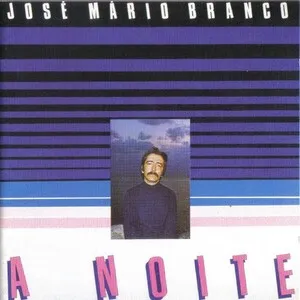
A noite
José Mário Branco
Música De Intervenção
1996
1
/5
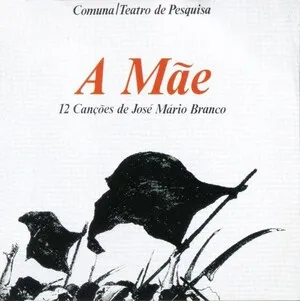
A mãe
José Mário Branco
Música De Intervenção
1996
1
/5
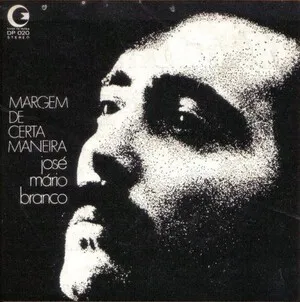
Margem de certa maneira
José Mário Branco
Música De Intervenção
Portuguese Music
1996
1
/5
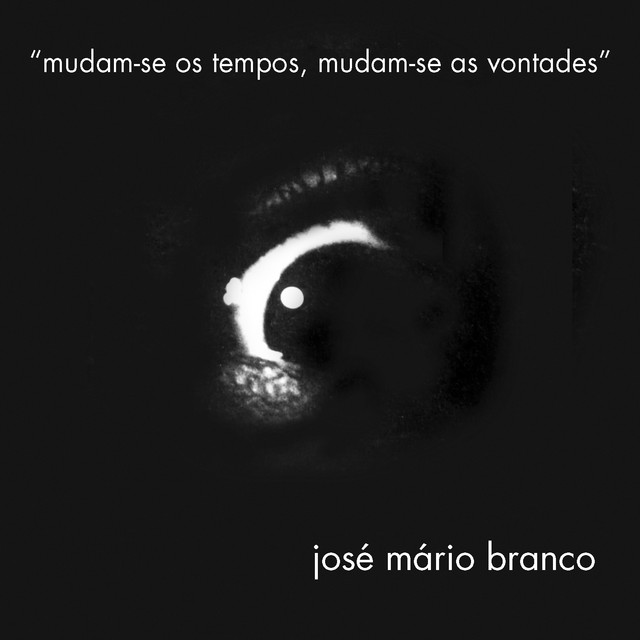
Mudam-se os tempos, mudam-se as vontades
José Mário Branco
Música De Intervenção
Portuguese Music
1996
2
/5
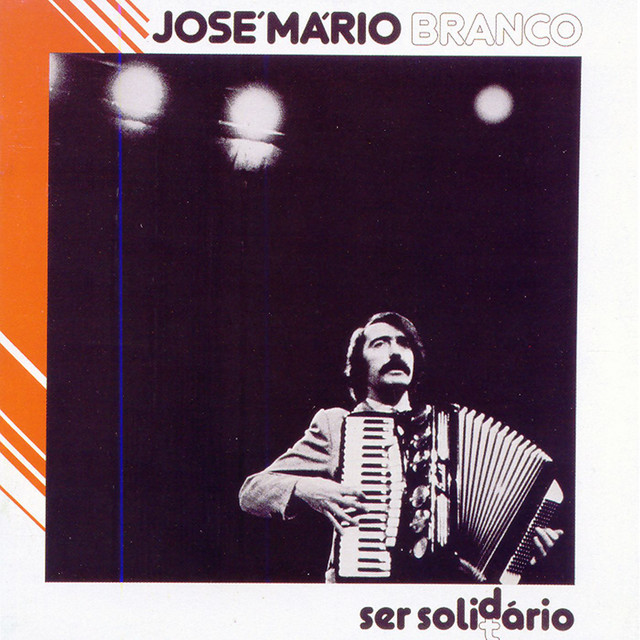
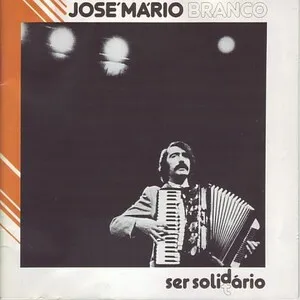
Ser solidário
José Mário Branco
Música De Intervenção
Portuguese Music
Iberian Music
1974
1
/5
Mudam-se os Tempos, Mudam-se as Vontades
José Mário Branco
Música De Intervenção
Similar artists
3
/5
José Afonso
Música De Intervenção
Folk
Portuguese Music
2
/5
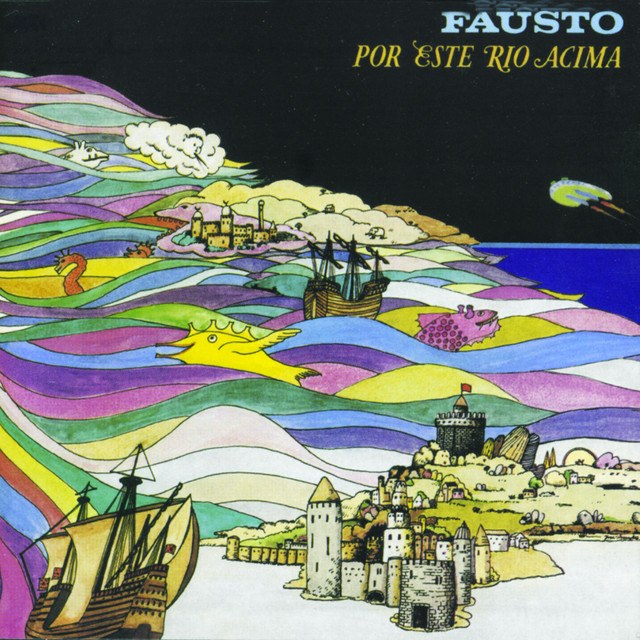
Fausto
Música De Intervenção
Portuguese Folk Music
Fado
2
/5
Sergio Godinho
Música De Intervenção
Fado
Portuguese Music
2
/5
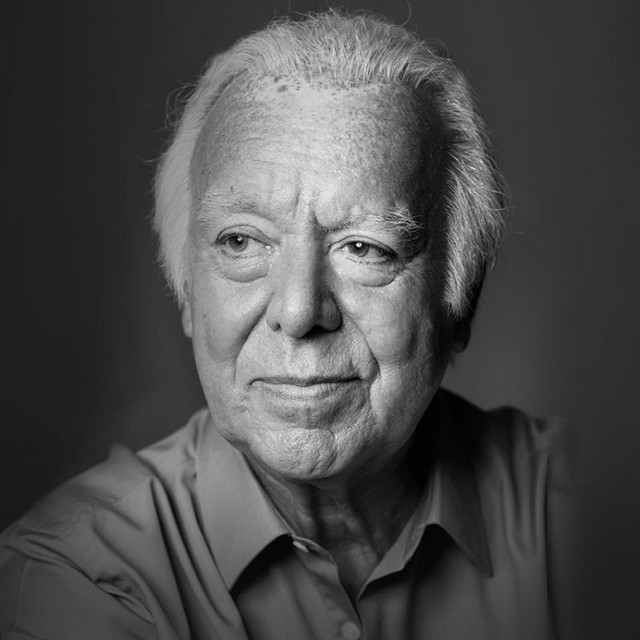
Carlos Do Carmo
Fado
Música De Intervenção
Portuguese Folk Music
2
/5
Madredeus
Fado
Portuguese Folk Music
Folk
2
/5
Carlos Paredes
Fado
Portuguese Music
Iberian Music
2
/5
Raül Refree
Fado
Flamenco
Folk
2
/5
Manuel Freire
Música De Intervenção
Fado
2
/5
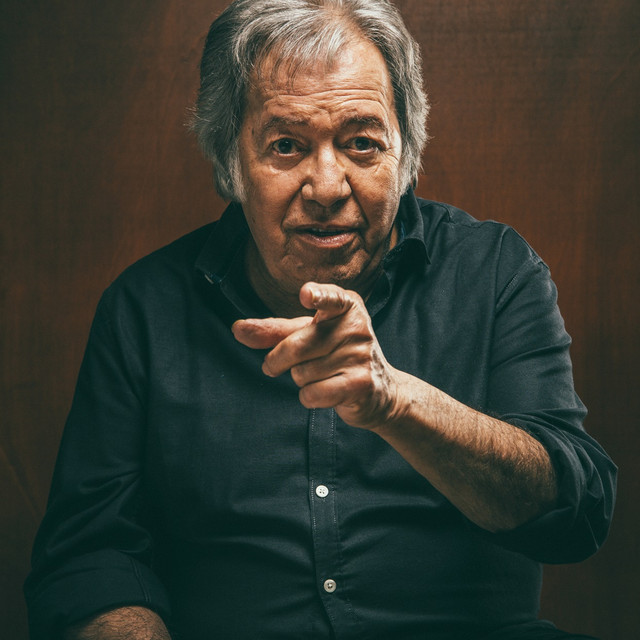
Vitorino
Música De Intervenção
Fado
Traditional Music
3
/5
Amália Rodrigues
Fado
Fado De Coimbra
Portuguese Folk Music
Download our mobile app
Get the Melodigging app and start digging for new genres on the go
Download on the App Store
Get it on Google Play
© 2026 Melodigging
Give feedback
Legal
Melodding was created as a tribute to
Every Noise at Once
, which inspired us to help curious minds keep digging into music's ever-evolving genres.