Genres
Artists
Albums
Make Music
Sign in
Sign in
Artists
Fado
Artists
Fado
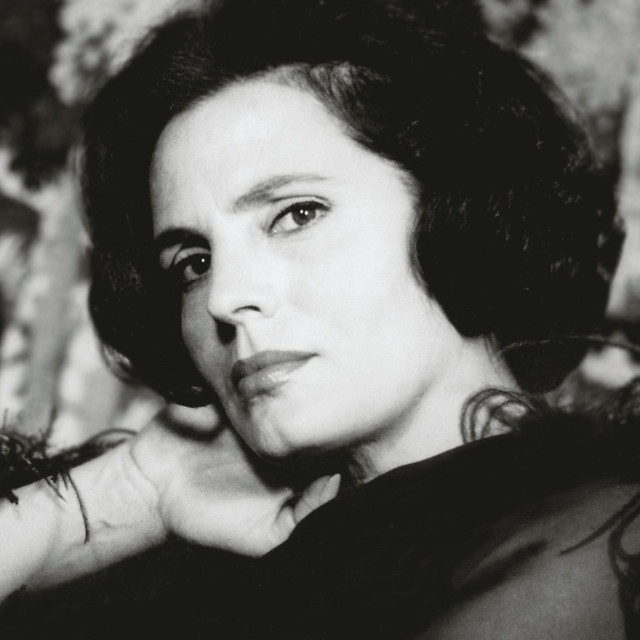
Amália Rodrigues
1952–2020
·
41 albums
Listen
3
/5
Genres
Copla
Copla (often called copla andaluza or canción española) is a dramatic Spanish popular song style characterized by narrative lyrics, big emotions, and theatrical performance. It typically tells compact, melodramatic stories of love, jealousy, honor, betrayal, social stigma, or fate, delivered by a solo singer with highly expressive phrasing. Musically, copla favors clear tonal harmony (often minor-key), memorable melodies, and accompaniment that ranges from guitar or piano to full orchestra or band. Rhythms frequently draw on pasodoble and bolero feels, with touches of flamenco color and the Andalusian cadence that imbue the songs with a distinctly Iberian character. Historically linked to stage and cinema, copla thrives on performance: commanding vocals, precise diction, and emotional acting are as central as the music itself.
Discover
Listen
Folk
Folk is a song-centered acoustic tradition rooted in community storytelling, everyday life, and social history. It emphasizes clear melodies, simple harmonies, and lyrics that foreground narrative, protest, and personal testimony. As a modern recorded genre, folk coalesced in the early-to-mid 20th century in the United States out of older ballad, work song, and rural dance traditions. It typically features acoustic instruments (guitar, banjo, fiddle, mandolin, harmonica), strophic song forms, and participatory singing (choruses, call-and-response).
Discover
Listen
Fado De Coimbra
Fado de Coimbra is a scholarly, serenade-oriented branch of Portuguese fado associated with the University of Coimbra and its academic traditions. It is typically performed by male student singers at night, accompanied by the Coimbra-tuned Portuguese guitar (guitarra de Coimbra) and classical guitar (viola). The tuning, timbre, and repertoire favor a dignified, lyrical delivery that highlights poetry, restraint, and saudade. Compared to Lisbon fado, the Coimbra style is more austere and classically inflected, with texts that often reference student life, the city’s river Mondego, nocturnal streets, and unrequited love.
Discover
Listen
Fado
Fado is an urban Portuguese song tradition centered on the feeling of saudade—an untranslatable mix of longing, nostalgia, and bittersweet melancholy. It emerged in 19th‑century Lisbon’s working-class neighborhoods and port districts and later developed a distinct academic strain in Coimbra. Typically performed by a solo singer (fadista) with accompaniment from the 12‑string guitarra portuguesa (Portuguese guitar) and a 6‑string viola (classical/steel‑string guitar), fado favors minor keys, expressive rubato, and ornate melodic embellishment. Its poetry (often in quatrains) contemplates love, fate, the sea, and everyday hardship. Two principal styles dominate: Fado de Lisboa, intimate and dramatic, and Fado de Coimbra, associated with student serenades and a more classical, restrained delivery. Recognized by UNESCO in 2011 as Intangible Cultural Heritage, fado remains a living tradition continually renewed by contemporary interpreters.
Discover
Listen
Portuguese Folk Music
Portuguese folk music is the umbrella term for Portugal’s regional traditional musics and dances, encompassing vocal and instrumental practices tied to social life, work, and ritual. It includes lively circle and couple dances such as the Vira and Chula of Minho, the Corridinho of the Algarve, the Fandango of Ribatejo, the Bailinho of Madeira, and the Chamarrita of the Azores, alongside slower strophic songs (modas) and the powerful choral Cante Alentejano from the south. Typical instruments include the gaita-de-fole (bagpipes), adufe (square frame drum), concertina and diatonic accordion, cavaquinho and regional violas (viola braguesa, toeira, amarantina), rabeca chuleira (fiddle), bombo (bass drum), and ferrinhos (triangle). Vocals often employ call-and-response, heterophony, and close parallel harmonies in Portuguese and, in some regions, Mirandese. The style is communal and dance-oriented, performed at romarias (religious festivals), village gatherings, and seasonal celebrations. Melodies are diatonic and modal (often mixolydian or dorian), with simple harmonic supports when harmonized, and strong rhythmic patterns suited to participatory dancing.
Discover
Listen
Flamenco
Flamenco is a highly expressive musical and dance tradition from Andalusia that combines cante (song), toque (guitar), baile (dance), palmas (handclaps), and jaleo (shouts of encouragement). It is characterized by intricate rhythmic cycles called compás, intense vocal melismas with ornamental micro-inflections, and guitar techniques such as rasgueado, picado, alzapúa, golpe, and tremolo. Harmonically it often centers on the Phrygian mode and the Andalusian cadence (iv–III–II–I), creating a dramatic tension that complements the emotional depth of the lyrics, which frequently explore themes of love, loss, pride, and fate. Flamenco is organized into palos (forms) such as soleá, bulería, alegrías, seguiriyas, tientos/tangos, fandangos, tarantas, and rumba, each defined by its compás, mood, and traditional melodic/harmonic vocabulary.
Discover
Listen
Traditional Folk
Traditional folk is a broad umbrella for orally transmitted songs and dance tunes that circulated in rural and working-class communities before the age of mass recording. Repertoires include narrative ballads, laments, love songs, work songs, lullabies, and instrumental dance sets such as reels, jigs, hornpipes, and marches. Stylistically, traditional folk favors strophic forms, pentatonic or modal melodies (often Dorian and Mixolydian), limited harmonic movement, and strong, memorable tunes designed for communal singing and dancing. Performances range from unaccompanied solo voice to small ensembles built around fiddle, flute/whistle, pipes, concertina/accordion, guitar, banjo, and frame drum. Ornamentation, variation by verse, and flexible tempo are integral, reflecting an oral tradition where songs live through continual reinterpretation. Although it is pan‑regional, the modern idea of “traditional folk” coalesced in the 19th century through collectors and revivalists who documented vernacular music and framed it as cultural heritage.
Discover
Listen
Portuguese Music
Portuguese music is the broad musical tradition of Portugal, spanning medieval courtly song, liturgical polyphony, regional folk styles, urban song (most famously fado), and a modern landscape of pop, rock, jazz, hip hop, and experimental scenes. At its core is the aesthetic of saudade—a bittersweet sense of longing—that shapes the melodic phrasing and lyrical themes of many Portuguese styles. Hallmark timbres include the bright, shimmering guitarra portuguesa (12‑string Portuguese guitar), classical/folk guitars (viola), cavaquinho, accordion, adufe frame drum, and regional bagpipes (gaita transmontana). Portuguese music also reflects centuries of exchange across the Lusophone world, especially with Brazil, Cape Verde, and other former colonies, enriching local idioms with rhythmic and harmonic colors from Africa and the Americas.
Discover
Listen
Show all 8 genres
Albums
2020
1
/5
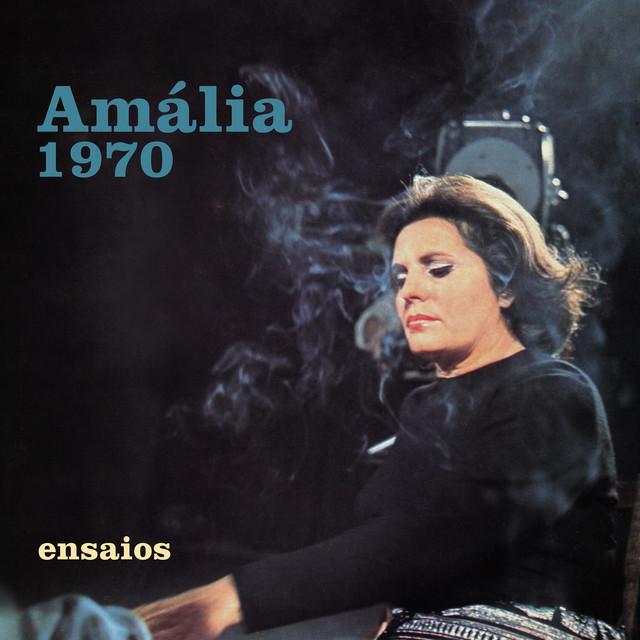
Ensaios (Rehearsal Sessions)
Amália Rodrigues
Fado De Coimbra
2020
1
/5
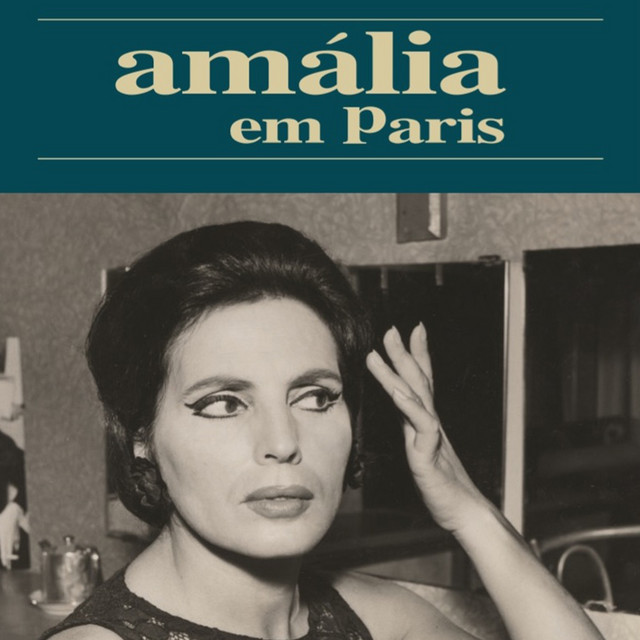
Amália em Paris (Ao Vivo)
Amália Rodrigues
Fado De Coimbra
2019
1
/5
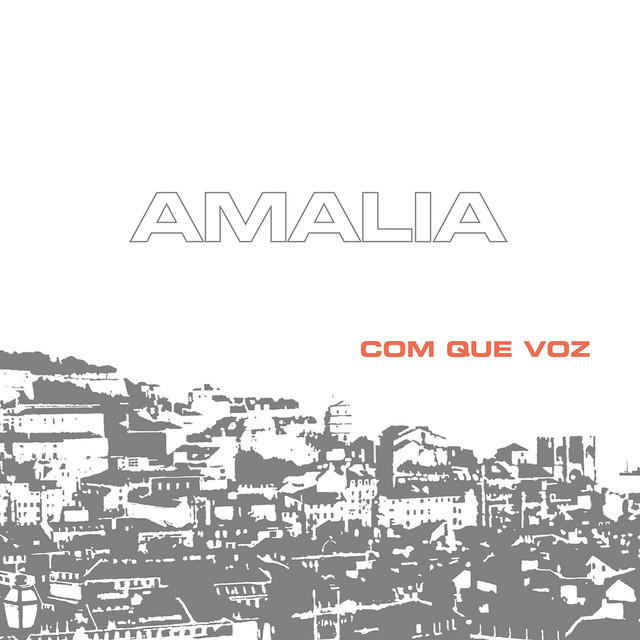
Com que voz
Amália Rodrigues
Portuguese Folk Music
2018
2
/5
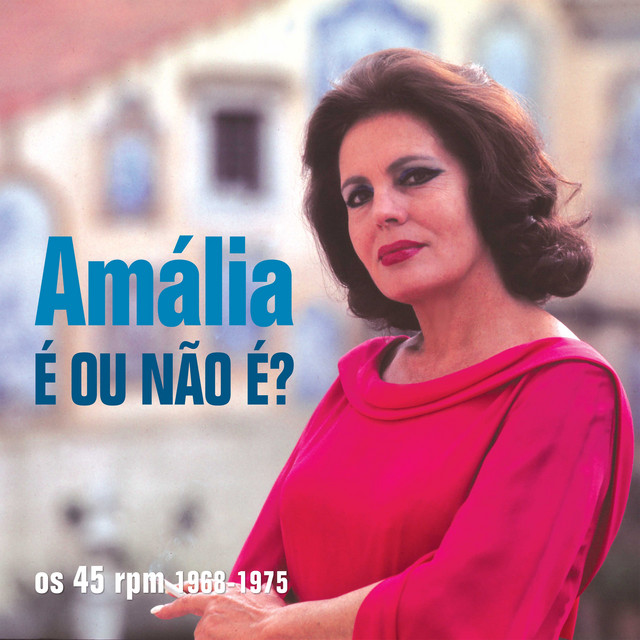
É ou não É?
Amália Rodrigues
Fado De Coimbra
2017
2
/5
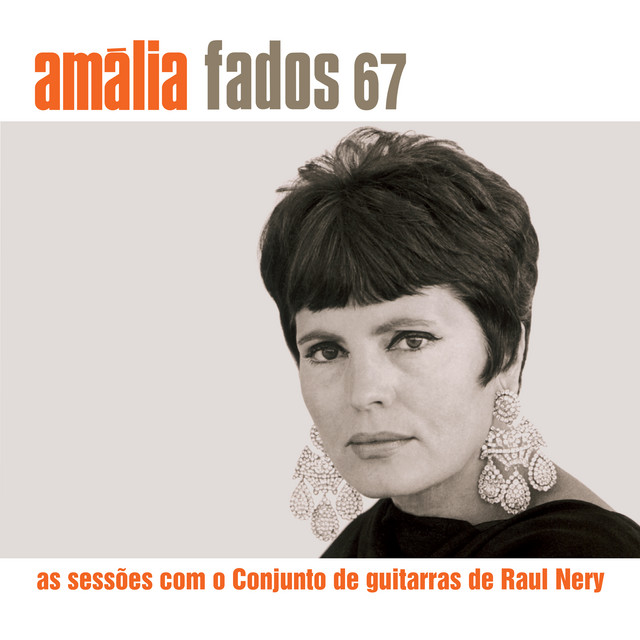
Fados 67
Amália Rodrigues
Fado De Coimbra
Fado
2017
1
/5
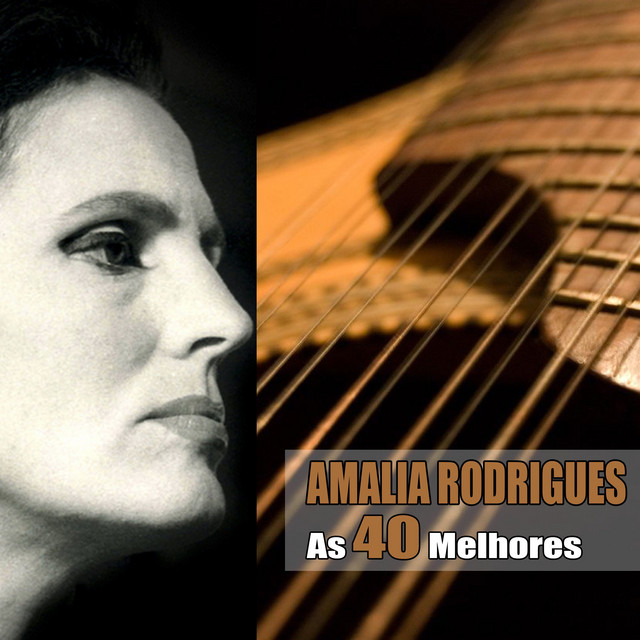
As 40 Melhores
Amália Rodrigues
Fado De Coimbra
2017
2
/5
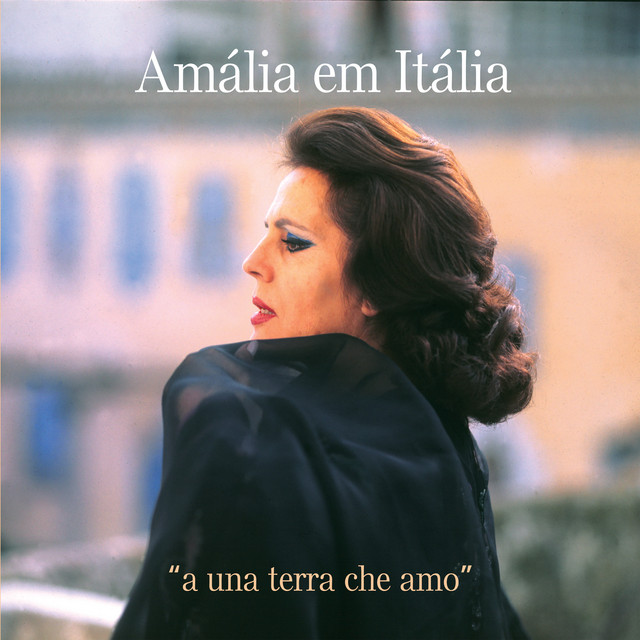
Amália em Itália - "a una terra che amo"
Amália Rodrigues
Fado De Coimbra
Fado
2015
2
/5
Amália Rodrigues - The Greatest Hits
Amália Rodrigues
Fado De Coimbra
2015
1
/5
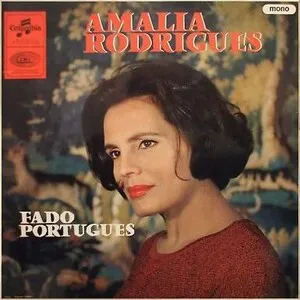
Fado português
Amália Rodrigues
Fado
Portuguese Folk Music
Portuguese Music
2013
2
/5
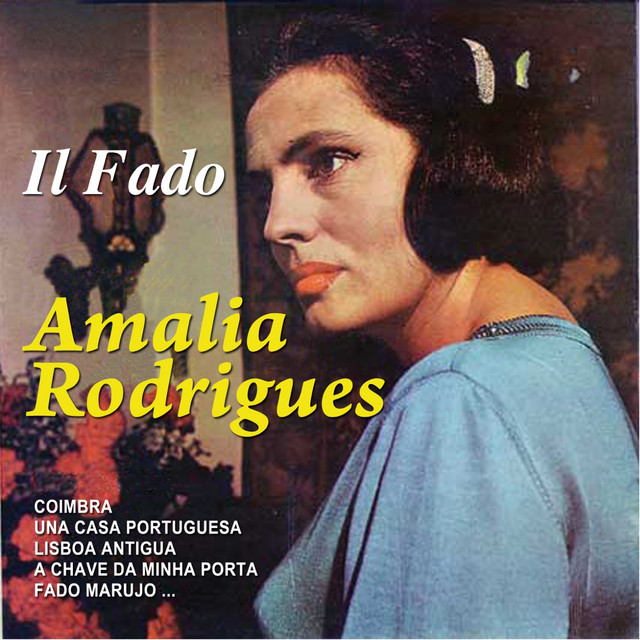
Il Fado
Amália Rodrigues
Fado De Coimbra
2013
1
/5
Amália Rodrigues
Amália Rodrigues
Fado De Coimbra
2013
1
/5
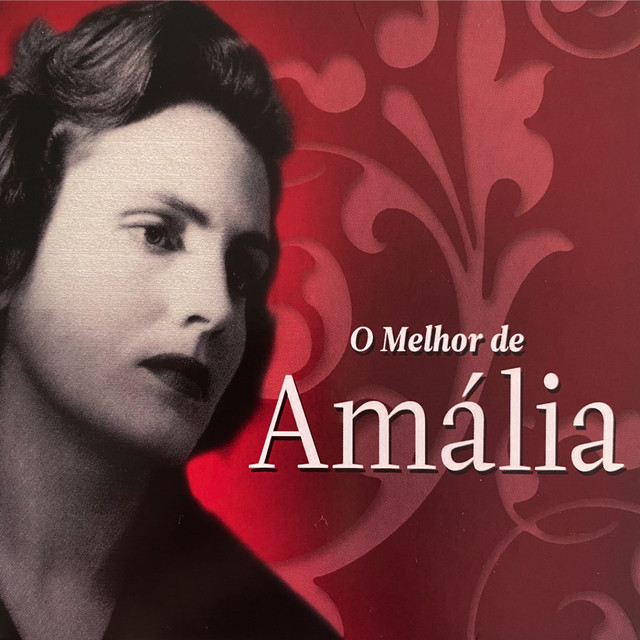
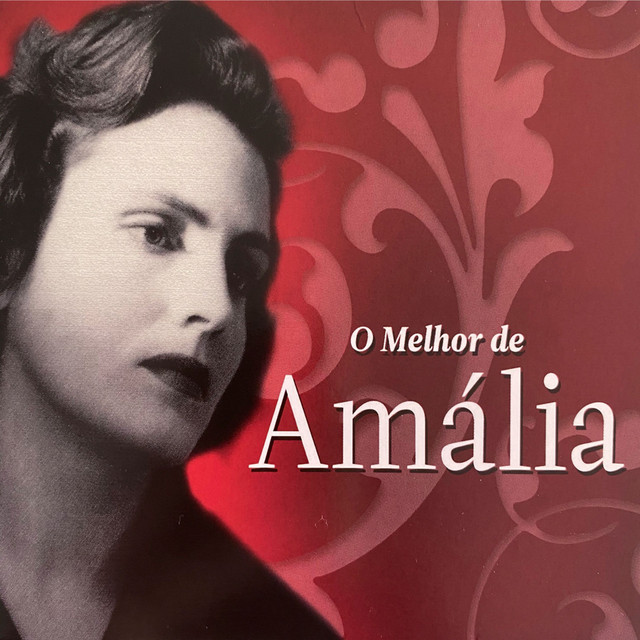
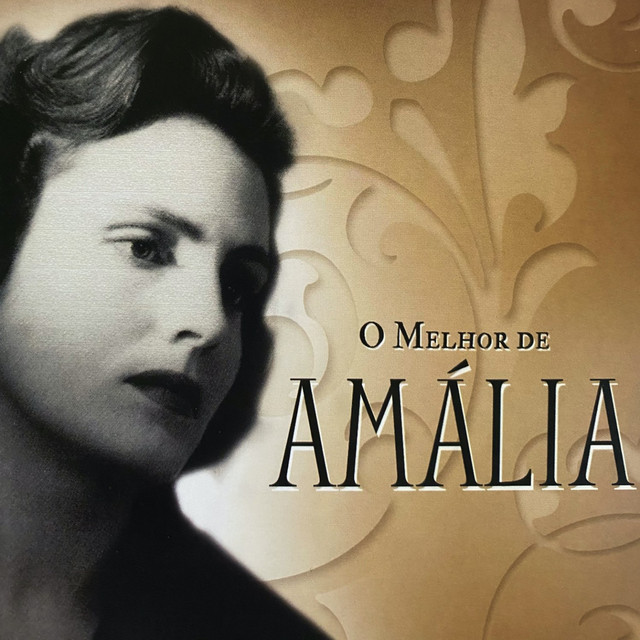
O Melhor de Amália
Amália Rodrigues
Fado De Coimbra
2013
2
/5
O Melhor de Amália
Amália Rodrigues
Fado De Coimbra
2012
2
/5
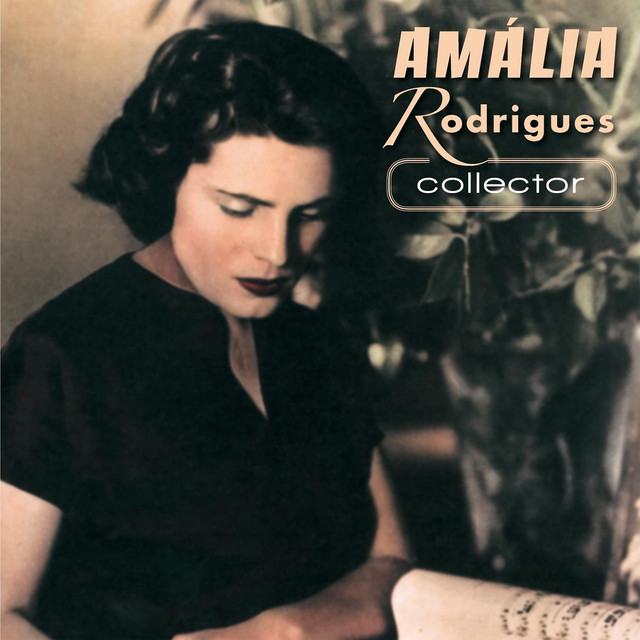
Amália Rodrigues (Collector)
Amália Rodrigues
Fado De Coimbra
2011
1
/5
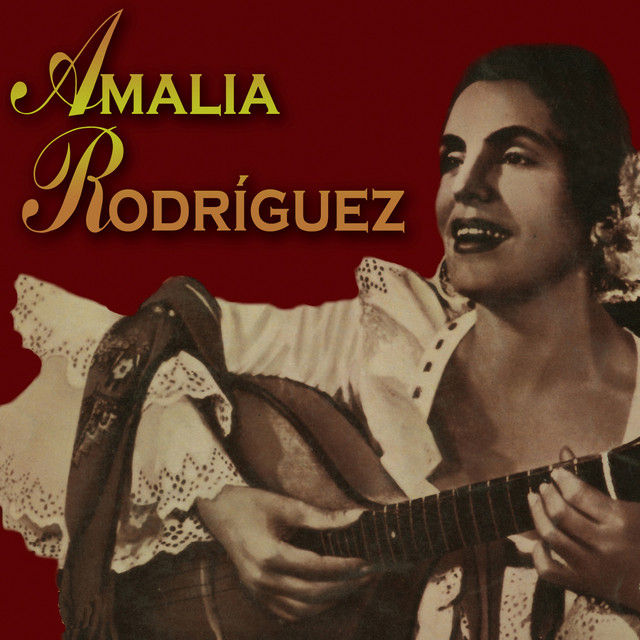
Amalia Rodríguez
Amália Rodrigues
Fado De Coimbra
2011
1
/5
Fado From Portugal / Flamenco From Spain
Amália Rodrigues
Copla
Fado
2011
1
/5
O Melhor de Amália
Amália Rodrigues
Fado De Coimbra
2011
1
/5
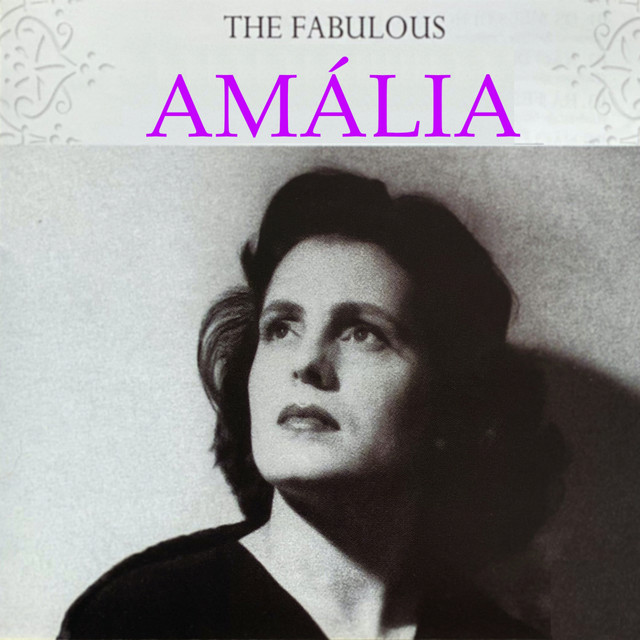
The Fabulous
Amália Rodrigues
Fado De Coimbra
2010
2
/5
Com que voz
Amália Rodrigues
Fado
Portuguese Music
Fado De Coimbra
2010
1
/5
Amália Vol.1
Amália Rodrigues
Fado De Coimbra
2005
1
/5
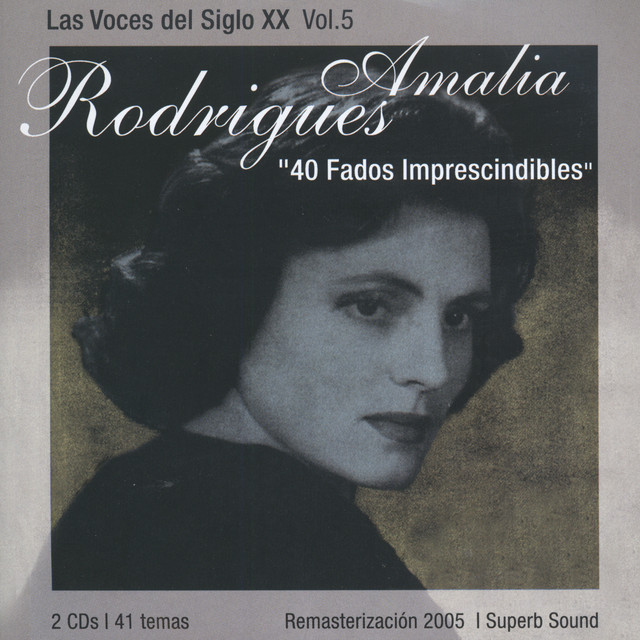
Las Voces Del Siglo XX Vol. 5 - "40 Fados Imprescindibles"
Amália Rodrigues
Fado De Coimbra
2000
2
/5
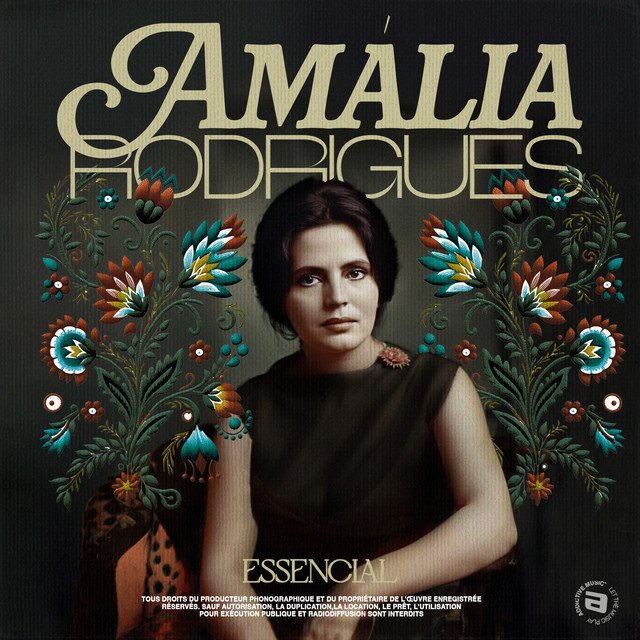
Amália Rodrigues 3 - Essencial
Amália Rodrigues
Fado De Coimbra
1998
3
/5
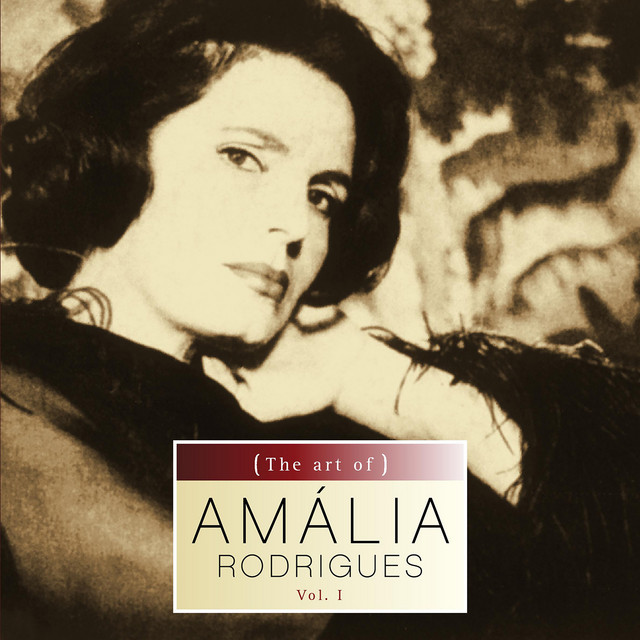
The art of Amalia Rodrigues vol.I
Amália Rodrigues
Fado De Coimbra
Fado
1997
1
/5
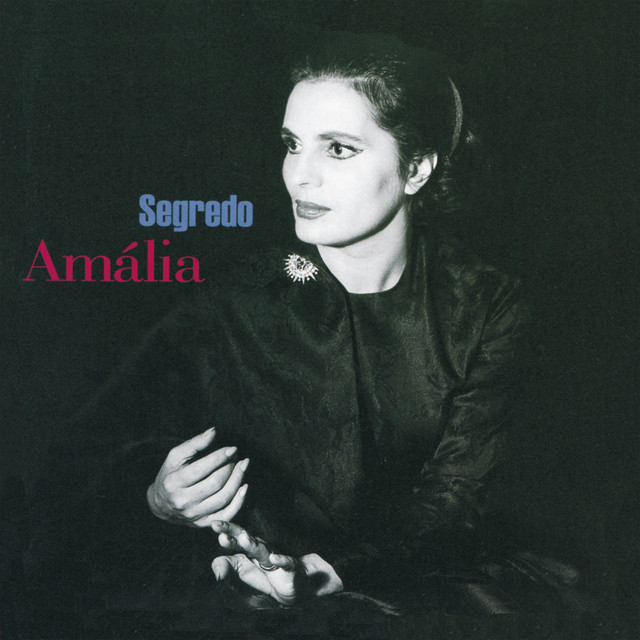
Segredo
Amália Rodrigues
Fado De Coimbra
1997
2
/5
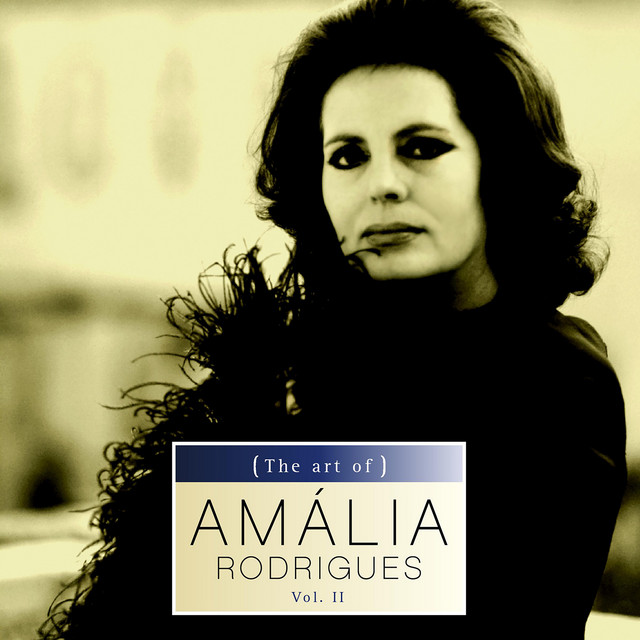
The art of Amália Rodrigues Vol. II
Amália Rodrigues
Fado De Coimbra
Fado
1996
1
/5
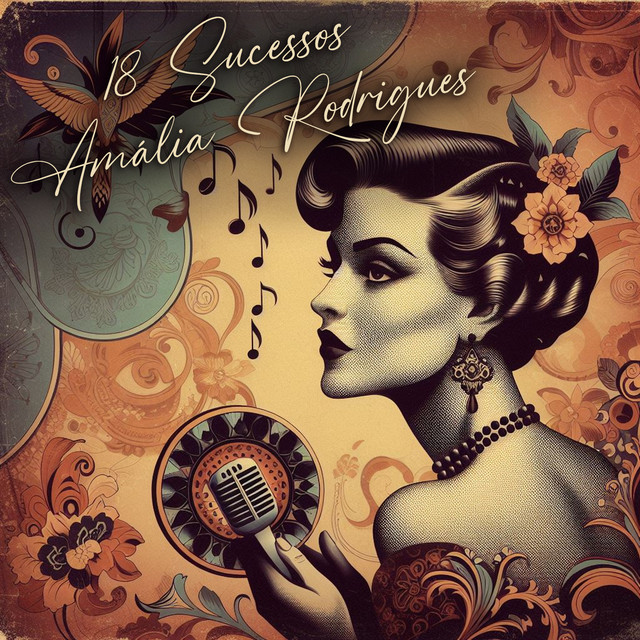
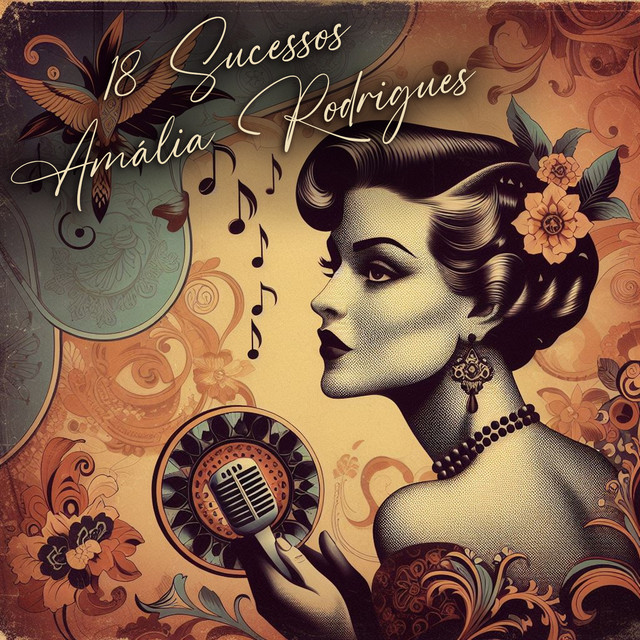
18 Sucessos
Amália Rodrigues
Fado De Coimbra
1996
1
/5
18 Sucessos
Amália Rodrigues
Fado De Coimbra
1990
1
/5
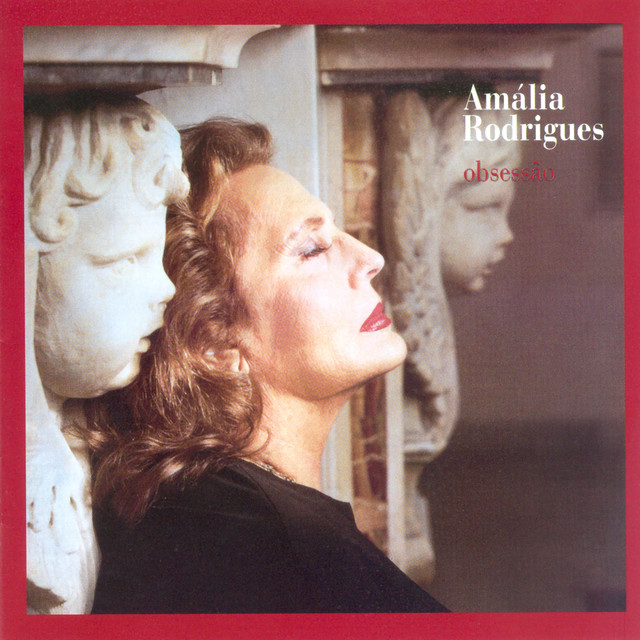
Obsessão
Amália Rodrigues
Fado De Coimbra
1982
1
/5
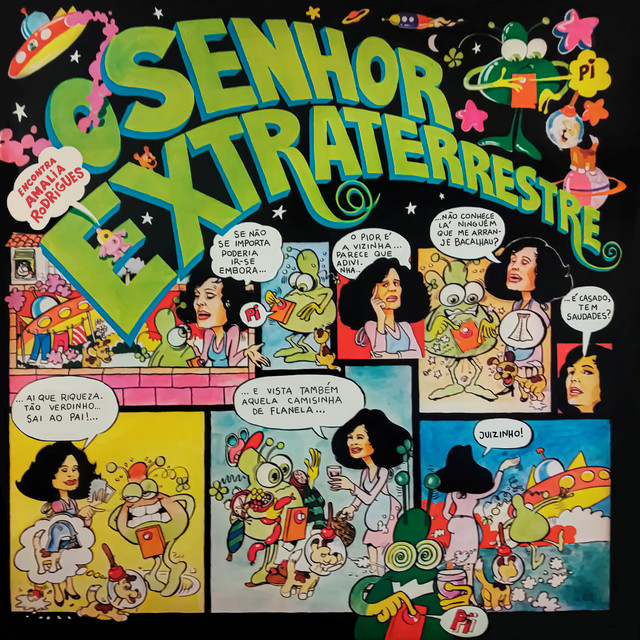
O Senhor Extraterrestre
Amália Rodrigues
Fado De Coimbra
1977
2
/5
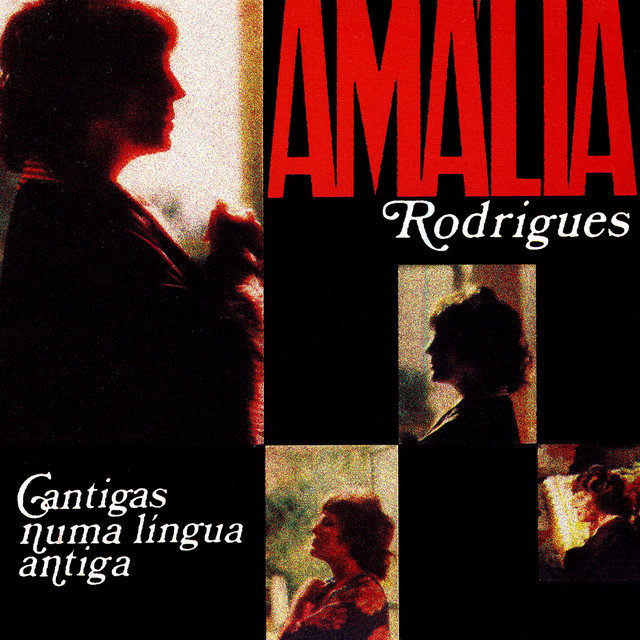
Cantigas numa língua antiga
Amália Rodrigues
Fado De Coimbra
1973
1
/5
Encontro
Amália Rodrigues & Don Byas
Fado
Portuguese Folk Music
Portuguese Music
1972
2
/5
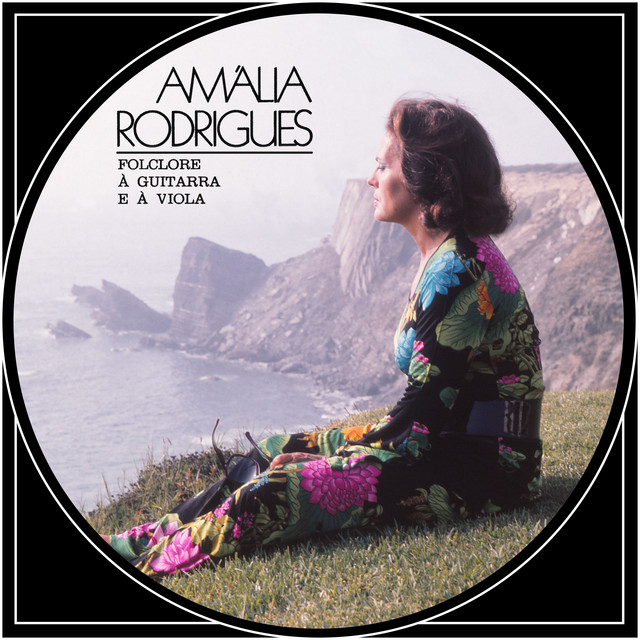
Folclore à guitarra e à viola
Amália Rodrigues
Fado De Coimbra
1971
2
/5
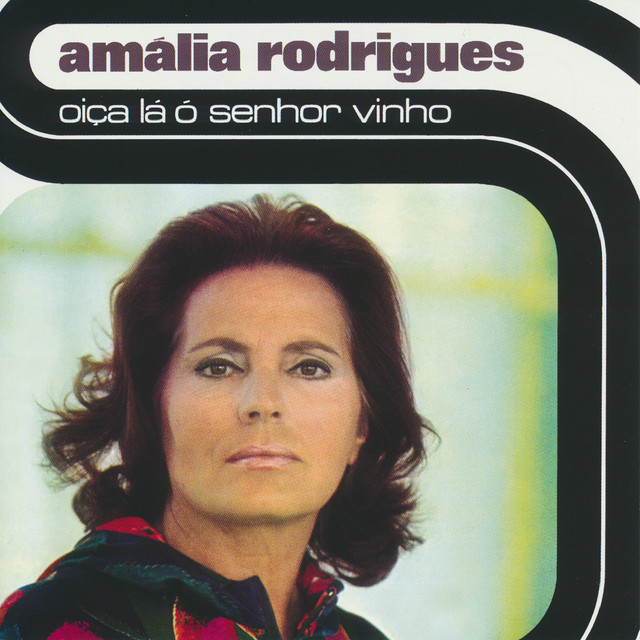
Oiça lá ó senhor vinho
Amália Rodrigues
Fado De Coimbra
1970
3
/5
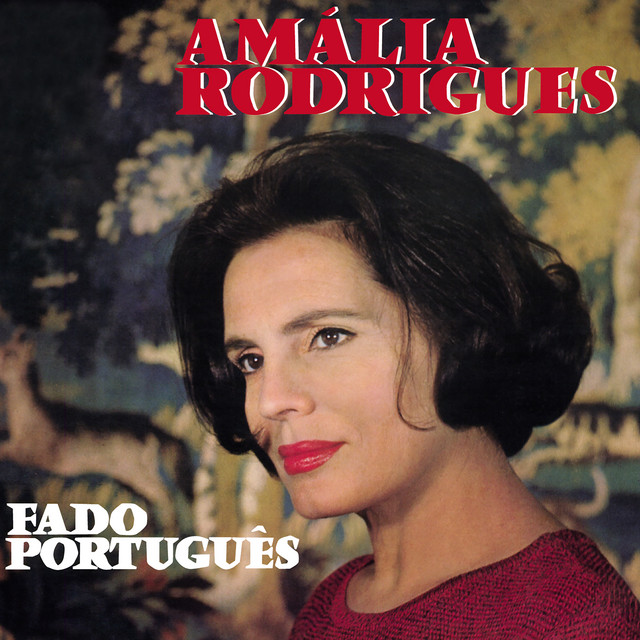
Fado português
Amália Rodrigues
Fado De Coimbra
1968
2
/5
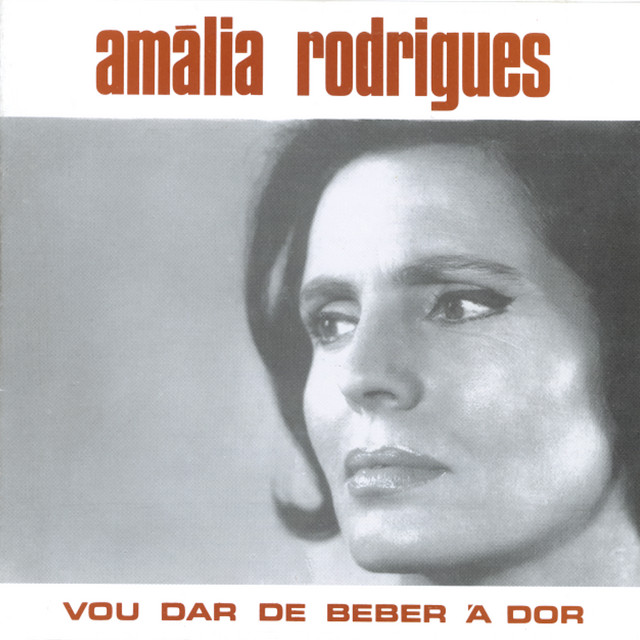
Vou dar de beber à dor
Amália Rodrigues
Fado De Coimbra
1967
2
/5
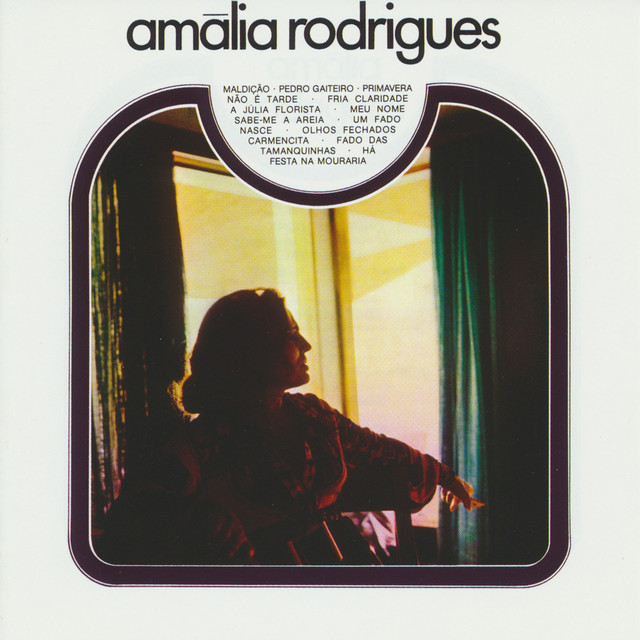
Maldição
Amália Rodrigues
Fado De Coimbra
1964
1
/5
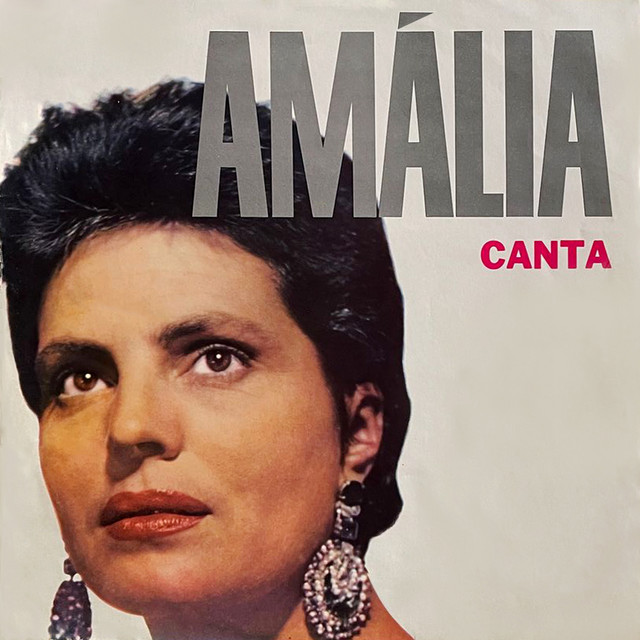
Amália Canta
Amália Rodrigues
Fado De Coimbra
1962
2
/5
Asas fechadas
Amália Rodrigues
Fado De Coimbra
Fado
1962
1
/5
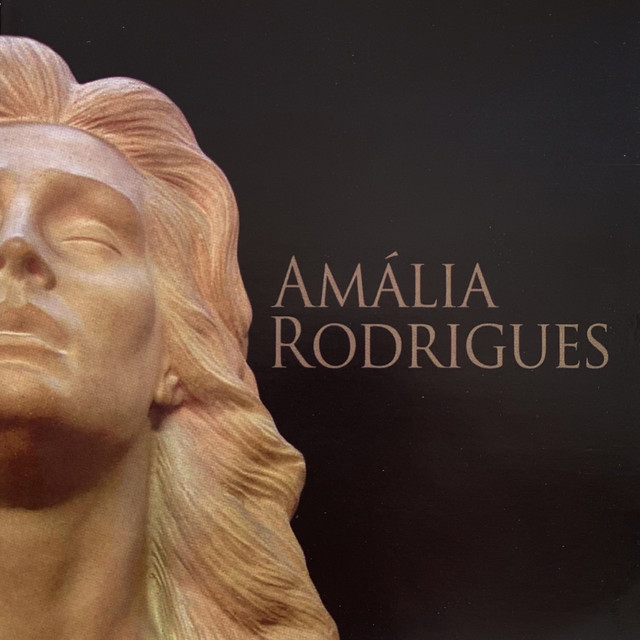
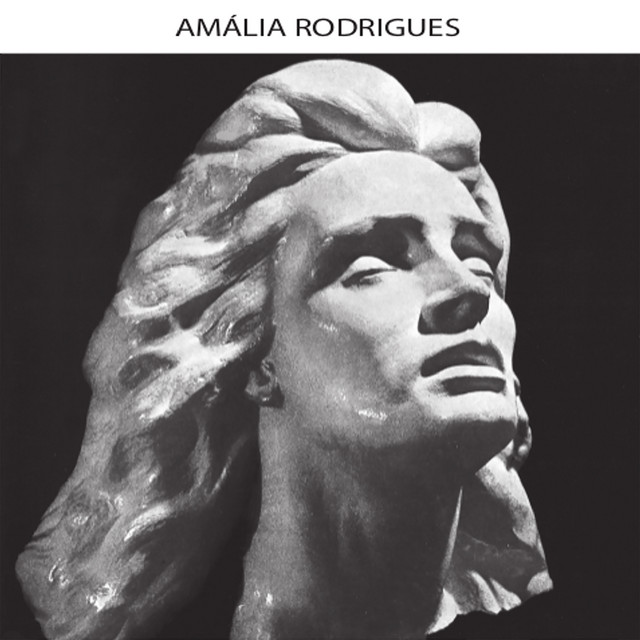
Amália Rodrigues [Busto]
Amália Rodrigues
Fado
Portuguese Folk Music
Portuguese Music
1958
1
/5
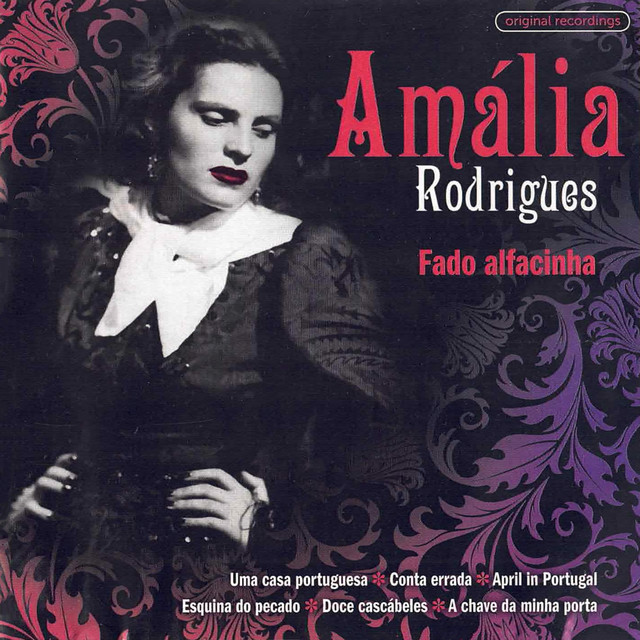
Fado alfacinha
Amália Rodrigues
Fado De Coimbra
1952
2
/5
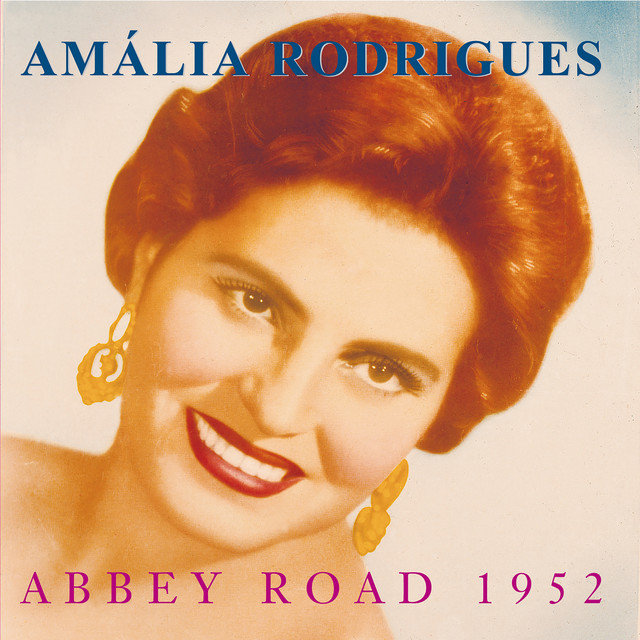
Abbey Road 1952
Amália Rodrigues
Fado De Coimbra
Similar artists
1
/5
Luiz Goes
Fado De Coimbra
Fado
Portuguese Folk Music
3
/5
José Afonso
Música De Intervenção
Folk
Portuguese Music
3
/5
Mariza
Fado
Portuguese Folk Music
World
3
/5
Ana Moura
Fado
Portuguese Folk Music
Portuguese Music
2
/5
Madredeus
Fado
Portuguese Folk Music
Folk
2
/5
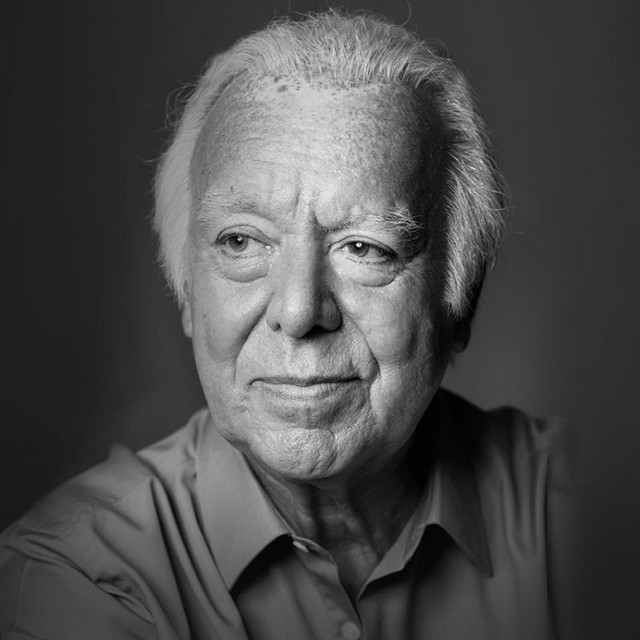
Carlos Do Carmo
Fado
Música De Intervenção
Portuguese Folk Music
2
/5
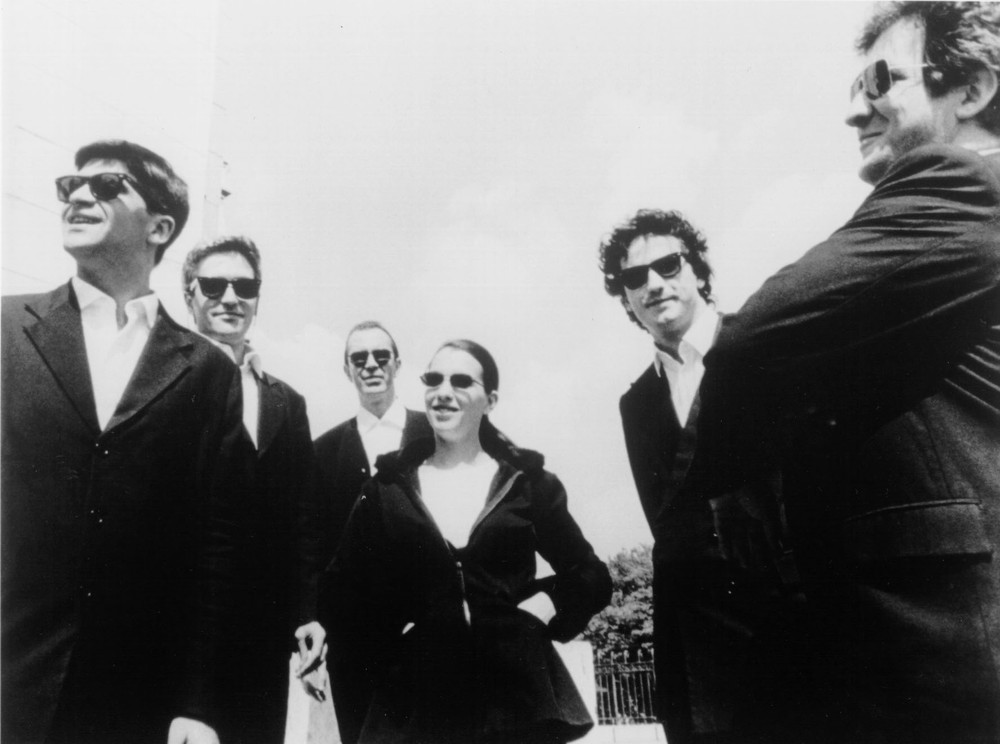
Deolinda
Fado
Portuguese Folk Music
Portuguese Music
2
/5
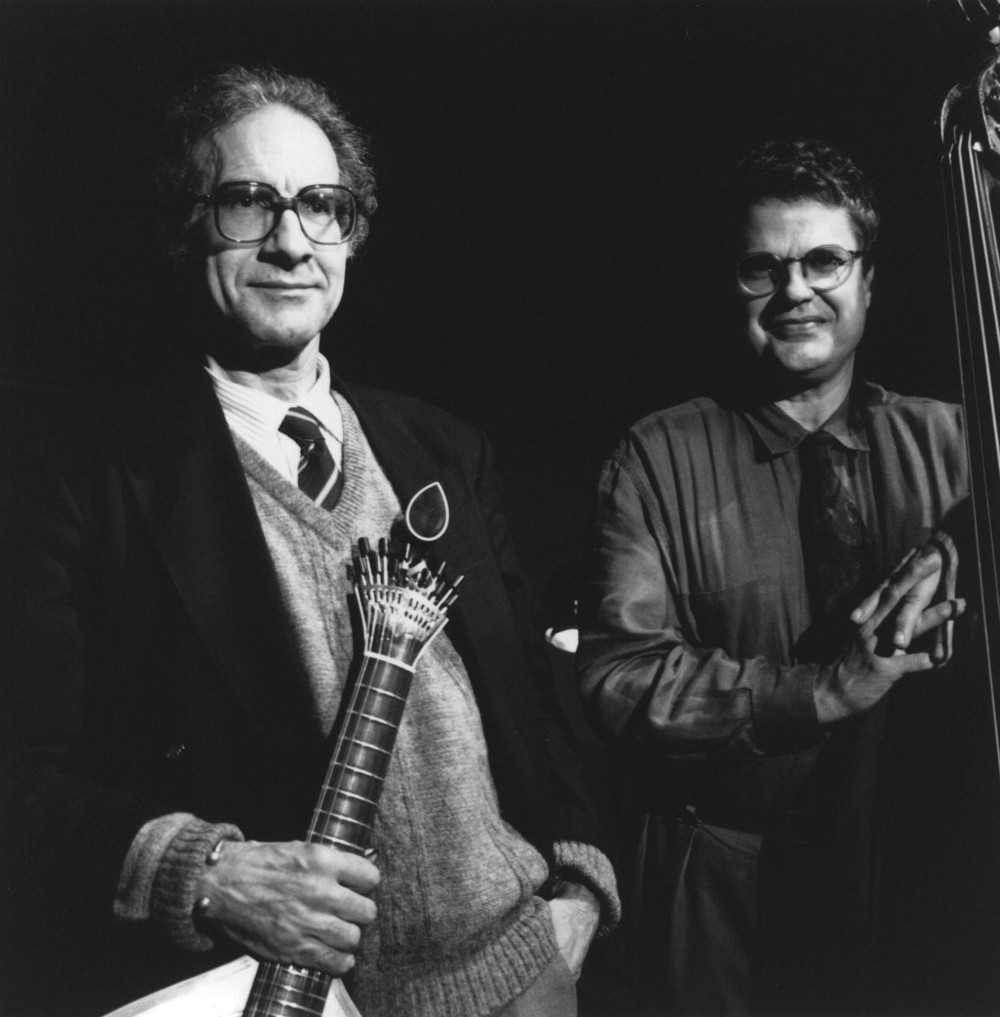
Carlos Paredes
Fado
Portuguese Music
Iberian Music
2
/5
Lina
Fado
Portuguese Folk Music
Portuguese Music
2
/5
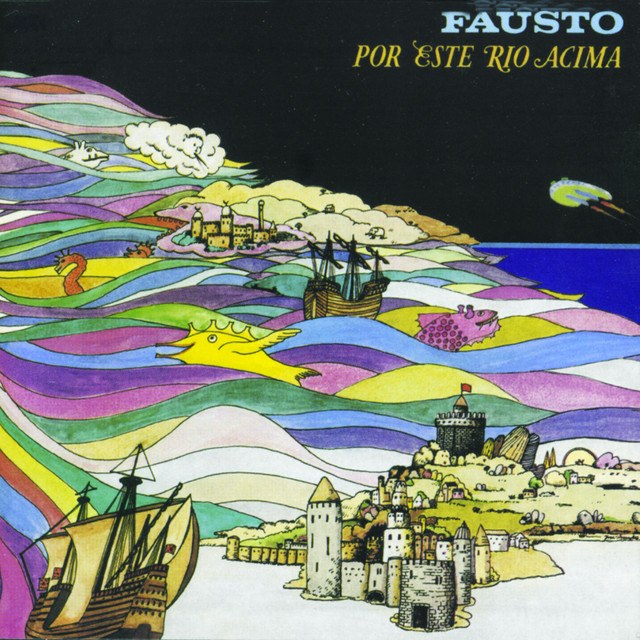
Fausto
Música De Intervenção
Portuguese Folk Music
Fado
Download our mobile app
Get the Melodigging app and start digging for new genres on the go
Download on the App Store
Get it on Google Play
© 2026 Melodigging
Give feedback
Legal
Melodding was created as a tribute to
Every Noise at Once
, which inspired us to help curious minds keep digging into music's ever-evolving genres.