Your digging level
Description
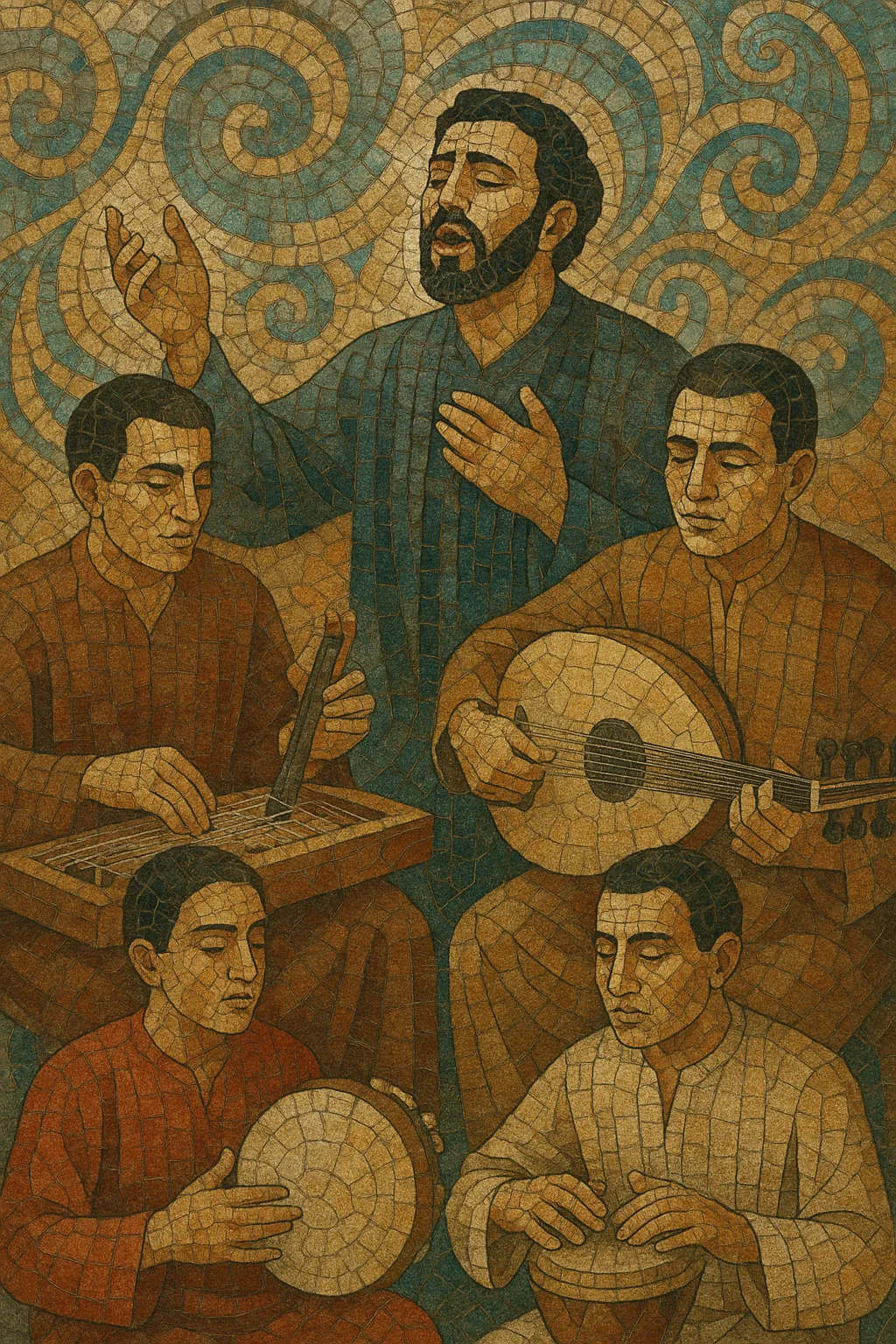
Iraqi Maqam is a highly structured yet semi‑improvised urban art music of Iraq within the wider Arabic maqam tradition. Centered on a virtuosic lead singer (qāriʾ) and a Baghdadi chamber ensemble (Al Chalghi al‑Baghdadi), it sets classical Arabic or Iraqi dialect poetry to modal melodies.
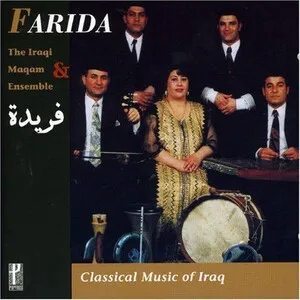
Performances are organized as suites (fasl) named for the opening maqam—often Bayāt, Ḥijāz, Rāst, Nawā, or Ḥusaynī. Within each fasl, the singer unfolds a prescribed sequence of sections, modulating among related modes, balancing free‑rhythmic passages with metrically precise songs. The ensemble typically includes santūr (hammered dulcimer), joza/jawza (spike fiddle), goblet drum (darbuka), cello, and at times ʿūd and naqqārāt.
Its aesthetic blends ornate melodic lines, microtonal intonation, and complex rhythmic cycles into an intensely expressive, text‑driven performance practice.
History
Iraqi Maqam traces its lineage to the courtly and urban traditions that flourished under the Abbasid Caliphate (8th–13th centuries), when Baghdad was a cosmopolitan musical capital. Over centuries, local melodic practices interacted with neighboring Persian and Ottoman traditions while retaining an Iraqi identity grounded in Arabic poetry and recitation.
The modern, named repertoire and performance conventions of Iraqi Maqam coalesced in the 18th–19th centuries in Baghdad and other Iraqi cities. During this period, the fasl (suite) format and a canon of principal maqāmāt—such as Bayāt, Ḥijāz, Rāst, Nawā, and Ḥusaynī—were stabilized. The Al Chalghi al‑Baghdadi ensemble instrumentation (santūr, joza, goblet drum, and, later, cello; with occasional ʿūd and naqqārāt) became standard.
The advent of recording and Iraqi radio in the early–mid 20th century elevated renowned singers and instrumentalists. Muhammad al‑Qubbanchi modernized presentation and introduced Iraqi Maqam to international audiences at the 1932 Cairo Congress of Arabic Music. Masters such as Yūsuf ʿUmar and Nazem al‑Ghazali popularized the style, while scholar‑performers like Hāshim al‑Rajab documented its modal theory and repertory.
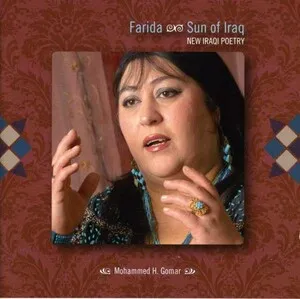
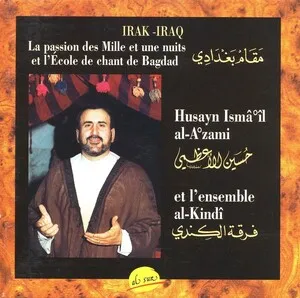
Late‑20th‑ and 21st‑century upheavals dispersed many practitioners to the diaspora, but teaching lineages continue in Iraq, Europe, and North America. Artists such as Farida Muhammad Ali, Ḥamīd al‑Saʿdī, and Ḥusayn al‑Aʿẓamī have sustained and revitalized the tradition. Today, Iraqi Maqam remains a sophisticated, poem‑centered art form—performed in concert halls, cultural centers, and conservatories—while informing contemporary Iraqi and pan‑Arab musical expression.