Genres
Artists
Albums
Make Music
Sign in
Sign in
Artists
Cumbia
Artists
Cumbia
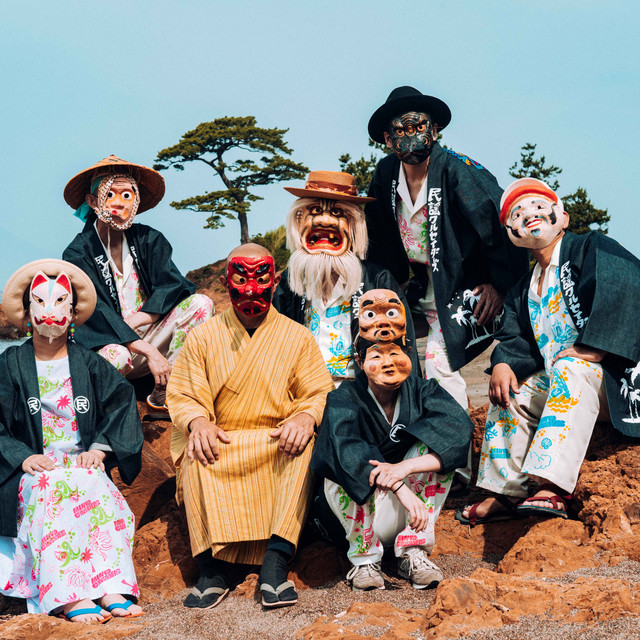
Minyo Crusaders
2017
·
1 album
Listen
2
/5
Genres
Electrocumbia
Electrocumbia (often called digital cumbia or nu-cumbia) is a contemporary, electronic reinterpretation of traditional cumbia. It merges cumbia’s signature off‑beat percussion, guacharaca/güiro textures, and tumbao bass with modern production elements such as synthesizers, drum machines, sampling, and dub-style effects. While rooted in Colombian cumbia, the style took shape across Latin America—especially within Buenos Aires’ club scene—where producers fused folkloric rhythms with downtempo, house, hip hop, and dub aesthetics. The result is a sound that can be both hypnotic and dance‑forward, oscillating between dreamy, psychedelic atmospheres and gritty, bass‑heavy grooves.
Discover
Listen
World Fusion
World fusion is a broad, exploratory approach that blends musical traditions from different cultures with contemporary forms such as jazz, rock, ambient, and electronic music. Rather than being tied to a single folk lineage, it privileges hybrid instrumentation, modal and rhythmic vocabularies from around the globe, and collaborative performance practices. Compared with the more pop-oriented worldbeat, world fusion tends to be more improvisational, texture-driven, and studio- or ensemble-focused. It commonly juxtaposes instruments like oud, kora, sitar, tabla, duduk, and frame drums with electric guitar, synthesizers, and jazz rhythm sections, often emphasizing modal harmony, drones, polyrhythms, and odd meters.
Discover
Listen
Reggae
Reggae is a popular music genre from Jamaica characterized by a laid-back, syncopated groove, prominent bass lines, and steady offbeat “skank” guitar or keyboard chords. The rhythmic core often emphasizes the third beat in a bar (the “one drop”), creating a spacious, rolling feel that foregrounds bass and drums. Typical instrumentation includes drum kit, electric bass, rhythm and lead guitars, keyboards/organ (notably the Hammond and the percussive "bubble"), and often horn sections. Tempos generally sit around 70–80 BPM (or 140–160 BPM felt in half-time), allowing vocals to breathe and messages to be clearly delivered. Lyrically, reggae ranges from love songs and everyday storytelling to incisive social commentary, resistance, and spirituality, with Rastafarian culture and language (e.g., “I and I”) playing a central role in many classic recordings. Studio production techniques—spring reverbs, tape delays, and creative mixing—became signature elements, especially through dub versions that strip down and reimagine tracks.
Discover
Listen
East Asian Folk Music
East Asian folk music is an umbrella term for the traditional, community-rooted musics of China, Japan, Korea, Mongolia, and related cultures in the region. While the practices themselves are ancient, the category coalesced in the 1900s as folklorists, broadcasters, and state ensembles began documenting, standardizing, and reviving rural and ritual repertoires. Typical features include pentatonic-based melodies, flexible rhythm and meter, and heterophonic textures in which multiple performers ornament the same tune simultaneously. Vocal styles range from narrative epics and work songs to lyrical art-folk ballads, often delivered with regional timbres and rich ornamentation. Signature instruments include the Chinese erhu, pipa, dizi, and guzheng; the Japanese shamisen, shakuhachi, and koto; the Korean gayageum, haegeum, piri, and janggu; and Mongolian morin khuur and tovshuur, alongside various frame drums and gongs. Beyond village and ritual contexts, East Asian folk music today thrives on stage and in media, influencing popular genres and fusions that retain traditional scales, storytelling, and timbral aesthetics.
Discover
Listen
Cumbia
Cumbia is a syncretic dance-music tradition from Colombia’s Caribbean coast that blends African rhythmic heritage, Indigenous (especially gaita flute) melodic practice, and Spanish colonial instrumentation and forms. Traditionally performed in a moderate 2/4 (often felt in 4/4 today), it features interlocking hand-drum parts (tambora, alegre, llamador), guacharaca or maracas for steady texture, and long cane flutes (gaita hembra and gaita macho) carrying call-and-response melodies. As it spread in the 20th century, orchestras and dance bands added accordion, horns, piano, bass, and later electric guitar and synthesizers, creating urban and pan–Latin American variants. Harmonically simple and rhythm-forward, cumbia places groove, ostinati, and vocal refrains at the center, making it both ceremonial in origin and enduringly popular on social dance floors across the Americas.
Discover
Listen
Min'yō
Min'yō refers to the diverse body of Japanese folk songs that arose from everyday life—work, festivals, travel, drinking gatherings, and lullabies—across regions of Japan. The songs are typically strophic, use local dialects, and often include onomatopoeic calls and interjections (kakegoe) such as “sore!” or “yoisho!” that energize group participation. Musically, min'yō commonly employs Japanese pentatonic scales—especially the anhemitonic yo scale and the hemitonic in-sen scale—with characteristic melismatic ornaments (kobushi), tight, bright vocal timbres, and flexible timing that respects ma (expressive space). Accompaniments are traditionally provided by shamisen, shinobue (transverse bamboo flute), shakuhachi, taiko and hand drums, and sometimes koto, with heterophonic textures rather than harmonic progressions. Stylistically, subtypes such as “-bushi” and “-ondo” reflect narrative vs. dance-oriented tendencies, respectively, with well-known regional examples like Soran-bushi (Hokkaidō), Tsugaru folk repertoire (Aomori), and Sado okesa (Niigata).
Discover
Listen
Japanese Folk Music
Japanese folk music (min'yō and related regional traditions) is the collective body of vernacular song and instrumental practices that arose among Japan’s rural and coastal communities. It includes work songs (rice-planting, fishing, sake-brewing), festival and dance songs (Bon-odori), travelers’ and boatmen’s songs, lullabies, and ritual/seasonal chants. Melodies commonly draw on pentatonic collections such as the yo and in scales, and are richly ornamented with kobushi (vocal turns) and flexible timing shaped by ma (intentional silence/space). Textures are largely monophonic or heterophonic, with unison singing doubled by instruments like shamisen, fue (transverse bamboo flutes), shakuhachi, and sometimes koto; taiko and local percussion support dance and procession contexts. Regional styles (e.g., Tsugaru in the north, Amami in the south, Okinawa and Ainu traditions) contribute distinctive timbres, rhythms, and repertories that together define the breadth of Japanese folk expression.
Discover
Listen
Japanese Music
Japanese music is a broad umbrella that spans ancient court and religious traditions, regional folk repertoires, and a vast spectrum of modern popular and experimental styles. Its aesthetic is often defined by timbral nuance, the expressive use of silence (ma), flexible rhythm, and modal pitch collections distinct from common-practice Western harmony. Core traditional streams include gagaku (imperial court music), shōmyō (Buddhist chant), noh and kabuki theater music (e.g., nagauta), and min'yō (folk song). Instruments such as the koto, shamisen, shakuhachi, biwa, and various taiko drums shape its signature sound. Since the Meiji period, Western classical, band, jazz, rock, electronic, and hip-hop idioms have been localized into uniquely Japanese forms—from kayōkyoku and enka to city pop, J-pop, Vocaloid, and game/anime music.
Discover
Listen
Show all 8 genres
Albums
2017
2
/5
Echoes of Japan (エコーズ・オブ・ジャパン)
Minyo Crusaders
Min'yō
Japanese Folk Music
East Asian Folk Music
Similar artists
4
/5
Quantic
Electronic
Nu-Cumbia
Downtempo
3
/5
Flowering Inferno
Electrocumbia
Electronic
Latin Afrobeat
4
/5
Corazón Serrano
Chicha
Huayno
Cumbia
3
/5
Grupo Jalado
Cumbia Sonidera
Guaracha
Cumbia
3
/5
Alcalde La Sonora
Cumbia
Cumbia Sonidera
Electrocumbia
3
/5
Grupo Cumbia Nova
Cumbia
Cumbia Sonidera
Electrocumbia
3
/5
Grupo Kachimba
Cumbia
Cumbia Sonidera
Guaracha
3
/5
Los Mirlos
Cumbia Amazónica
Cumbia
Cumbia Peruana
3
/5
Grupo Mijez
Cumbia
Cumbia Sonidera
Electrocumbia
3
/5
Dj X'ces
Cumbia Editada
Cumbia
Cumbia Sonidera
Download our mobile app
Get the Melodigging app and start digging for new genres on the go
Download on the App Store
Get it on Google Play
© 2026 Melodigging
Give feedback
Legal
Melodding was created as a tribute to
Every Noise at Once
, which inspired us to help curious minds keep digging into music's ever-evolving genres.