Your digging level
Description
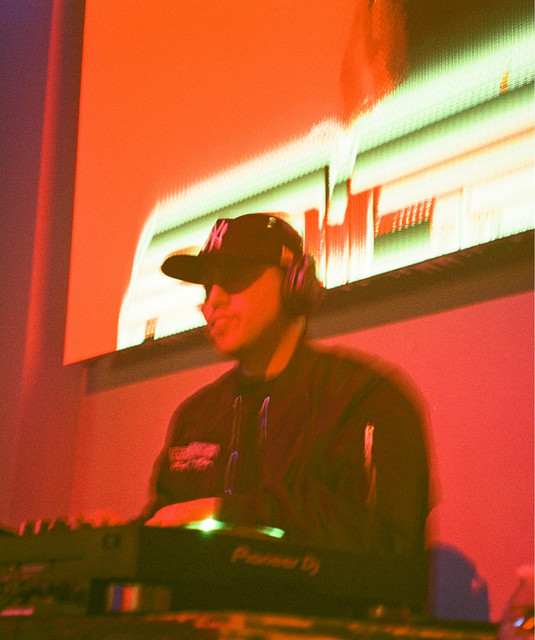
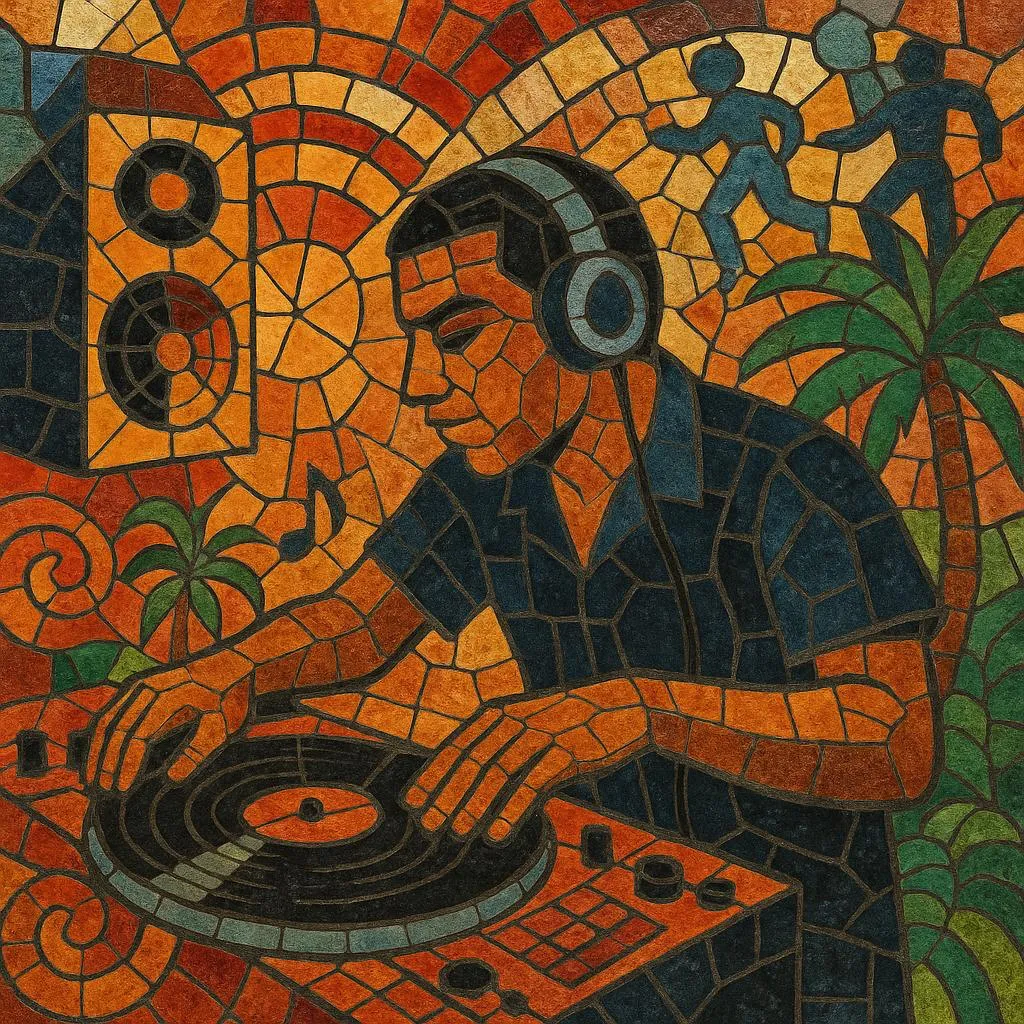
Cumbia editada (also seen as “kumbias editadas”) is a DJ‑driven offshoot of Mexican cumbia and the sonidero sound system tradition. It consists of re‑editing existing cumbia recordings—looping hooks, inserting stutters and rewinds, applying heavy echo and delay, and adding sound‑effects drops (sirens, air horns, lasers), DJ tags, and MC dedications.
Born in dance floors, neighborhood street parties, and later on social video platforms, cumbia editada privileges crowd response and DJ functionality. Tracks often extend intros/outros for mixing, emphasize percussion breaks, and sometimes adopt the slowed, woozy feel popular in northern Mexico, while keeping the romantic and melodic core of classic cumbia.
History
Cumbia editada grows out of Mexico’s sonidero culture, where mobile sound systems have remixed cumbia on the fly since the 1970s–1990s using echo units, reel‑to‑reel tricks, and MC shout‑outs. That performative aesthetic—stretching breaks, riding the percussion, and addressing the crowd—laid the groundwork for later studio and DAW‑based edits.
With inexpensive software and file‑sharing, DJs began circulating labeled “cumbias/kumbias editadas.” These edits stitched favorite fragments of Colombian, Peruvian, Argentine, and Mexican cumbias into DJ‑friendly builds, featuring rewinds, stutters, flangers, and sirens. Online platforms amplified the style, turning local party tools into a recognizable micro‑scene.
Editors borrowed the slowed, syrupy feel associated with northern Mexican “rebajada,” while others kept mid‑tempo sonidero bounce. Across regions, the common thread is functional design for dancers: long intros/outros, punchy kicks and congas, and emotional vocal hooks punctuated by MC dedications and signature DJ IDs.
Cumbia editada continues as a grassroots, highly decentralized practice: a living DJ vocabulary rather than a fixed catalog. You’ll hear it in barrio parties, low‑rider meets, and digital crates—where classic cumbia melodies are continuously re‑framed for contemporary dance floors.

![Como hacer Cumbia y Electrocumbia en Fl Studio🤯🎶 [TUTORIAL] - Guzens El Imaginante](https://i.ytimg.com/vi/8TjjZb53VQw/hqdefault.jpg)