Your digging level

For this genre
0/8
🏆
Sign in, then listen to this genre to level up

Description

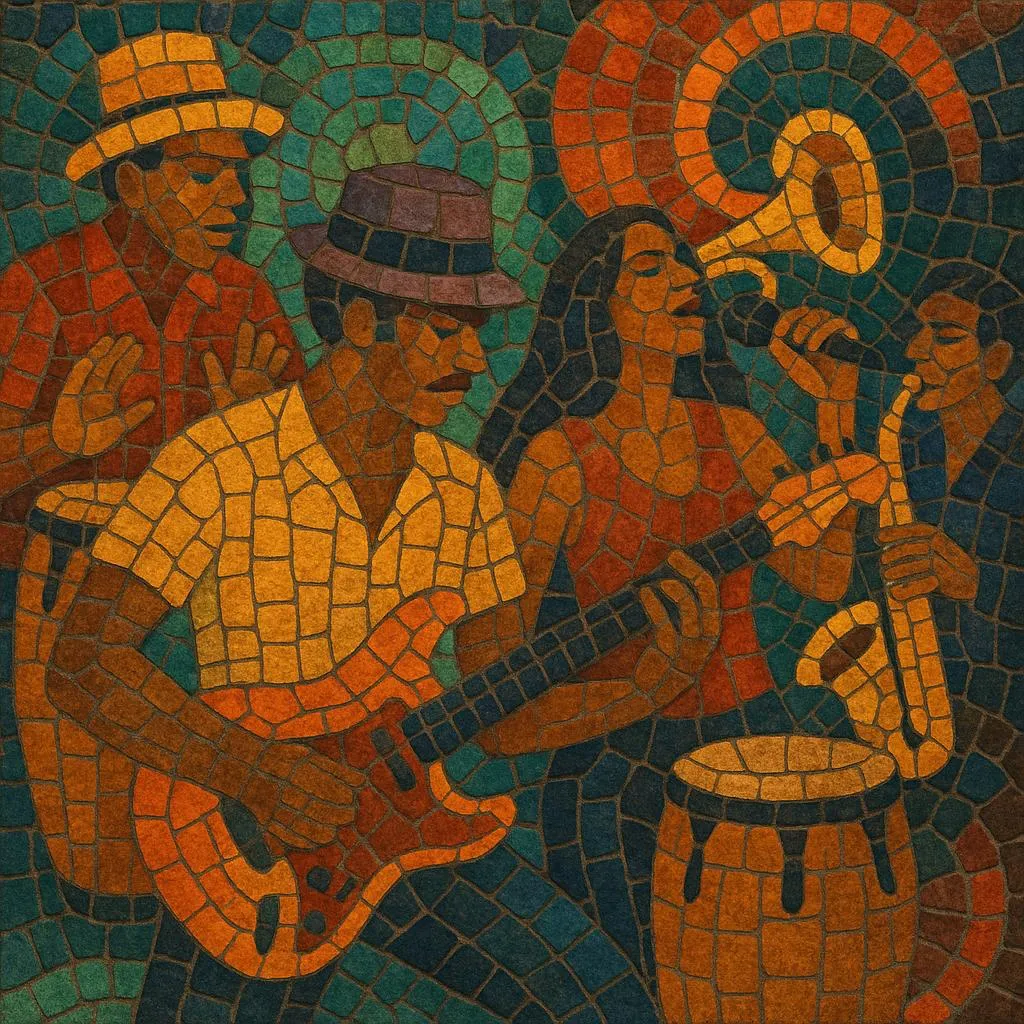
Cumbia funk is a hybrid style that fuses the coastal Colombian cumbia rhythm with the syncopated grooves, bass-forward feel, and electric instrumentation of 1970s funk.

It keeps cumbia’s two-step drum cadence, hand percussion, and call‑and‑response vocals, but layers them with wah‑wah guitars, clavinet or Hammond‑style organs, brass riffs, and a tight, syncopated electric bass. The result is a dance-floor sound that feels earthy and ceremonial like cumbia, yet elastic, gritty, and urban like funk.

Arrangements typically foreground pocket and repetition: interlocking percussion (tambora, congas, guacharaca), a tumbao‑inspired bass line reimagined with funk syncopation, and short horn stabs or guitar vamps. Harmony is usually simple—dominant 7ths, minor pentatonic/Blues vocabulary—so the groove stays front-and-center.


Sources: Spotify, Wikipedia, Discogs, RYM, MB, user feedback and other online sources

History

Roots (late 1960s–1970s)

Cumbia funk emerged along Colombia’s Caribbean coast when electrified bands began blending traditional cumbia with imported U.S. soul/funk, Latin boogaloo, and brass-driven dance music. Independent labels and house bands embraced electric bass, drum kit, wah‑wah guitar, and organ, adapting them to cumbia’s tambora/guacharaca engine and two‑step cadence.

Studio bands and the dance-floor (1970s–1980s)

Label ensembles and coastal groups cemented the style in recordings and club circuits, emphasizing syncopated bass, short horn riffs, and Afro-diasporic percussion. The sound traveled regionally through DJs and sound system culture, coexisting with salsa, Afrobeat imports, and local Afro-Colombian lineages.

Global revival and crossovers (2000s–present)

A 2000s revival—driven by crate-digging, reissues, and new bands—reframed cumbia funk as a bridge between vintage coastal dance music and contemporary global bass. Modern projects kept the live-band format (percussion, horns, keys) while updating production (heavier low end, occasional dub effects) and collaborating across scenes, helping the style filter into electrocumbia, alternative tropical, and eclectic “worldbeat” dance sets.

How to make a track in this genre

Rhythm and groove
•   Start with the cumbia engine: tambora (on beats 1–2), guacharaca/hi-hat doing the steady scrape, congas with a simple marcha. Keep tempo around 90–110 BPM for a deep pocket. •   Lock a syncopated electric-bass line: think funk (16th‑note syncopation, anticipations) but phrase around the cumbia two-step. Use dominant 7th color tones and occasional chromatic approach notes.
Harmony and melody
•   Keep harmony sparse (I–bVII–bVI, or i–bVII–bVI is common). Favor dominant 7ths and minor pentatonic/Blues licks for guitars/keys and horn fills. •   Use short horn stabs and riff motifs; arrange call-and-response vocal hooks with concise, streetwise verses and chantable choruses.
Instrumentation and timbre
•   Core: drum kit (light kick on 1, snare cross-stick on 2), tambora, congas, guacharaca, electric bass. •   Color: wah‑wah or slightly overdriven guitar, clavinet or Hammond/Combo-organ, trumpet/trombone/sax section, occasional handclaps. •   Production: emphasize tight low end and midrange punch; allow percussion air. Subtle tape/dub delays can add space without losing the live feel.
Arrangement tips
•   Build forms from groove blocks (intro vamp → verse → horn riff chorus → breakdown → vamp out). •   Use breakdowns to feature percussion or bass-and-voice, then reintroduce horns/guitar riffs for crowd lift.

Top tracks

Locked
Share your favorite track to unlock other users’ top tracks

Upcoming concerts

in this genre

Download our mobile app

Get the Melodigging app and start digging for new genres on the go
© 2026 Melodigging
Melodding was created as a tribute to Every Noise at Once, which inspired us to help curious minds keep digging into music's ever-evolving genres.
Buy me a coffee for Melodigging