Your digging level
Description
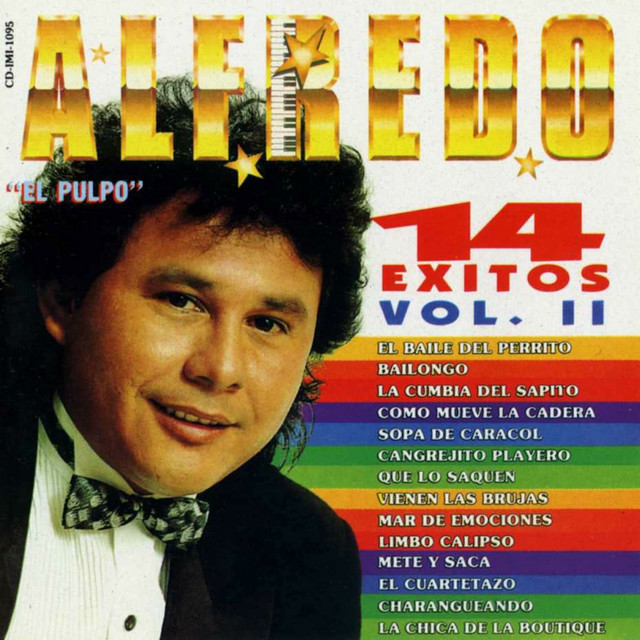
Tropical tecladista is a keyboard‑led branch of Latin American tropical dance music, centered on cumbia and merengue grooves played almost entirely on arranger keyboards and drum machines.
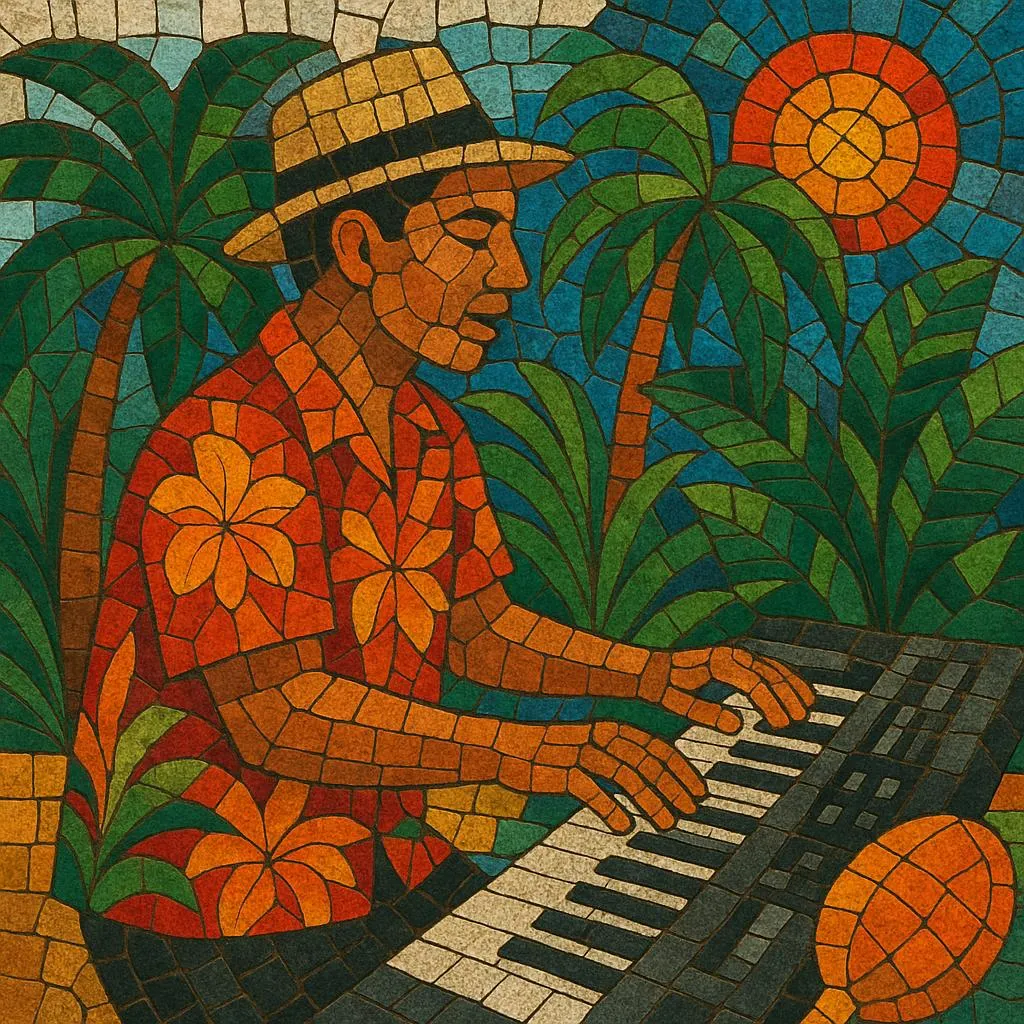
The name “tecladista” (keyboardist) points to the performer as the show’s nucleus: one or two musicians trigger auto‑accompaniment patterns, play synth‑bass and bright organ or lead‑synth hooks, and deliver shout‑outs over microphone—creating a full dance‑band sound with minimal personnel. Its timbre is defined by bouncy cumbia beats, tumbao‑style bass on synth, sparkling arpeggios, and catchy right‑hand riffs that mimic accordion or brass lines.
The style thrives at popular dances, fairs, and family celebrations across Mexico and Central America and within immigrant communities in the United States, where its portability, affordability, and non‑stop party energy made it a staple of weekend “bailes.”
History
Affordable arranger keyboards (Casio/Yamaha) and compact PAs transformed local dance circuits across Mexico in the late 1980s and 1990s. Solo and duo performers began covering cumbias, merengues, and mambos using auto‑accompaniment patterns, layering live right‑hand riffs and shout‑outs. This practical, portable setup birthed a recognizable sound—bright organs and saw‑lead melodies over machine cumbia—which audiences came to identify as the tecladista way of playing “música tropical.”
The scene intertwined with the Mexican sonidero ecosystem of sound‑system parties, where keyboard timbres and sequenced beats blended seamlessly with DJ talkovers and dedications. Economic accessibility (one musician could replace a full band) accelerated its spread through small towns and big‑city barrios alike, then into Central America and U.S. diaspora communities.
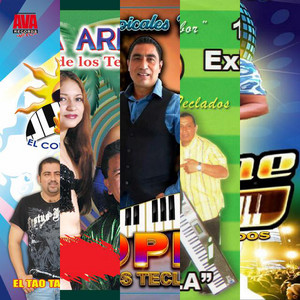
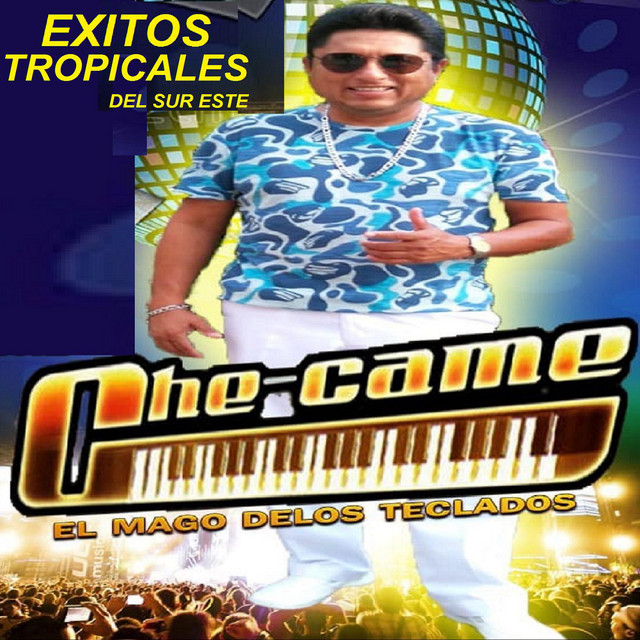
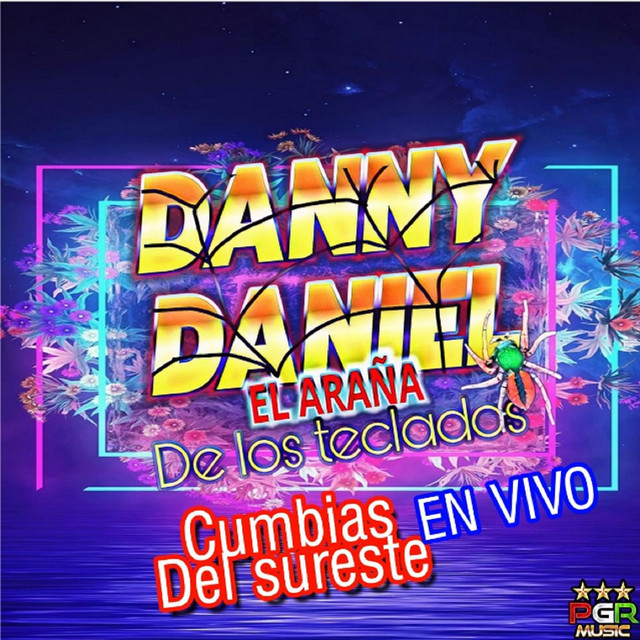
By the 2000s, tropical tecladista performers developed extensive repertoires of crowd‑pleasers—cumbias, merengues, mambos, and bolero‑cumbias—often arranged for nonstop medleys. Distinctive branding (“___ de los Teclados”) and high‑energy stage presence became trademarks. The sound’s DNA—machine cumbia beat, synth tumbao, piercing lead lines—remained consistent while repertoire and local slang shifted by region.
YouTube, Facebook Lives, and small‑venue streams helped the style circulate beyond local circuits. Producers folded tecladista timbres into modern edit cultures and digital cumbia scenes (pitch‑bent hooks, chopped vocal tags, and thumping kick‑cumbia hybrids). The genre’s portability and dancefloor logic keep it in demand at community parties, while its synth textures continue to influence newer electronic‑tropical hybrids.