Genres
Artists
Albums
Make Music
Sign in
Sign in
Artists
Qawwali
Artists
Qawwali
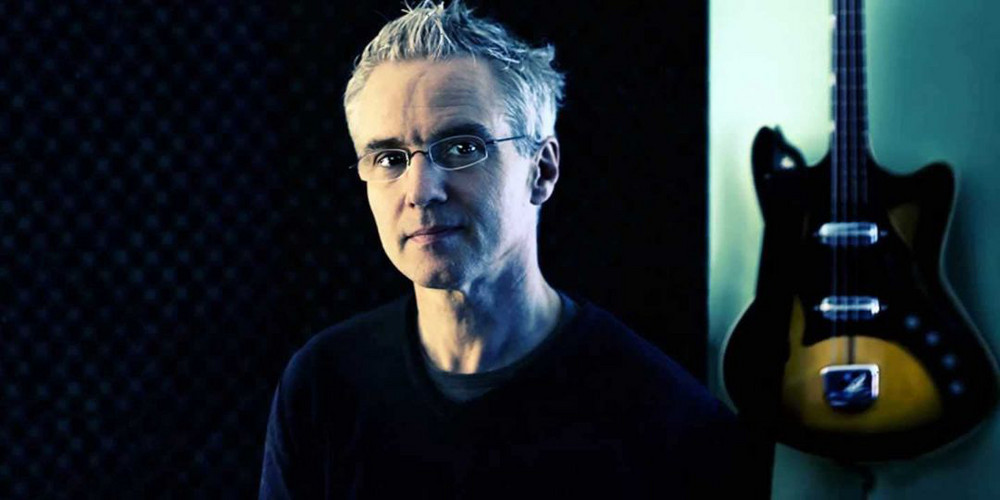
Michael Brook
1985–2013
·
4 albums
Listen
3
/5
Genres
Dreamgaze
Dreamgaze is a contemporary, internet-era blend of shoegaze and dream pop that emphasizes hazy guitar textures, soft vocals, and a nostalgic, romantic atmosphere. The style favors slow-to-mid tempos, chorus- and reverb-drenched guitars, gauzy synth pads, and pillow-soft drum programming or lightly compressed live drums. Vocals tend to be breathy and mixed as part of the texture rather than as a dominant lead, with lyrics that evoke memory, distance, and intimate, cinematic imagery. Production leans toward lush ambience and gentle saturation—think washed-out delays, shimmering modulations, side-chained pads, and layers of stereo width—creating a weightless, dreamlike sound field.
Discover
Listen
New Isolationism
New isolationism is a contemporary strain of isolationist ambient and post-industrial minimalism that emerged in the 2010s, particularly around Scandinavian experimental labels and studios. It foregrounds intimate, close-mic’d sound, negative space, and a quiet-but-present noise floor; its pieces feel both internal and architectural, like rooms built from reverb tails, tape hiss, and soft electronics. Sonically, the style blends glacial drones, fragile chamber timbres (strings, organ, piano), lo‑fi electronics, and field recordings into stark, slow-evolving tableaux. Melodic information is sparse—often only a few tones or gestures—while rhythm is either absent or reduced to distant pulses, heartbeats, or mechanical cycles. Vocals, when they appear, are murmured, diaristic, or abstracted by pitch and time manipulation. Aesthetically, new isolationism is post‑internet and diaristic: it captures solitude, memory, and dislocation with a palette that feels personal yet estranged, drawing as much from contemporary gallery sound practice as from classic dark ambient.
Discover
Listen
Asian Underground
Asian underground is a UK-born fusion that blends South Asian musical traditions with British electronic, hip hop, and club culture. It emerged from the British-Asian diaspora, combining raga-based melodies, Bollywood and qawwali-influenced vocals, and indigenous percussion (tabla, dhol, dholak) with breakbeats, jungle, drum and bass, dub, and trip hop aesthetics. The sound is both urban and diasporic: heavy basslines and syncopated breaks sit under modal melodies, drones, and intricate tala cycles. Producers often sample classic South Asian recordings or record live virtuosi, then process them with dub delays, filters, and contemporary sound design. The result ranges from moody, cinematic downtempo to fiercely rhythmic club tracks, unified by an exploration of identity, migration, and cross-cultural dialogue.
Discover
Listen
Downtempo
Downtempo is a mellow, groove-oriented branch of electronic music characterized by slower tempos, plush textures, and a focus on atmosphere over dancefloor intensity. Typical tempos range from about 60–110 BPM, with swung or laid-back rhythms, dub-informed basslines, and warm, jazz-tinged harmonies. Stylistically, it blends the spaciousness of ambient, the head-nodding rhythms of hip hop and breakbeat, and the cosmopolitan smoothness of lounge and acid jazz. Producers often use sampled drums, Rhodes or Wurlitzer electric pianos, guitar licks with delay, and field recordings to create intimate, cinematic soundscapes. The mood spans from soulful and romantic to introspective and dusk-lit, making it a staple of after-hours listening, cafes, and relaxed club back rooms.
Discover
Listen
Worldbeat
Worldbeat is a pop-oriented fusion that blends contemporary Western production (pop, rock, dance, and electronic) with rhythms, instruments, scales, and vocal styles drawn from diverse musical traditions around the world. It typically features layered percussion, polyrhythms, call-and-response vocals, and multilingual or code-switching lyrics, while maintaining accessible song forms and hook-driven choruses. Arrangements often juxtapose drum kits, bass guitar, and synths with instruments such as kora, mbira, oud, sitar, djembe, balafon, or charango. As a retail and radio category in the 1980s–1990s, worldbeat served both as a creative space for cross-cultural collaboration and a marketing umbrella, attracting praise for bridge-building and criticism for occasional exoticism or unequal credit-sharing.
Discover
Listen
Dark Wave
Dark wave is a moody, melancholic offshoot of post-punk and new wave that emphasizes minor-key harmonies, somber timbres, and introspective or romantic lyrical themes. It blends the icy textures of early synthesizers and drum machines with reverb-laden guitars and melodic, driving basslines. The style typically features baritone or ethereal vocals, atmospheric production with heavy use of chorus, delay, and reverb, and tempos that range from slow and brooding to mid-tempo and danceable. Dark wave spans both guitar-oriented and synth-forward approaches, and often overlaps with related movements such as coldwave, minimal wave, and ethereal wave.
Discover
Listen
Neoclassical Dark Wave
Neoclassical dark wave is a subgenre of dark wave that fuses the somber atmospheres of gothic-leaning post-punk with orchestral and early-music aesthetics. It favors minor-key harmonies, liturgical or poetic vocals, and dramatic, cinematic arrangements. Typical sound palettes include strings, choirs, piano, organ, and timpani alongside ambient textures and spacious reverbs. Tempos are often slow to moderate, with processional rhythms and modal writing (Aeolian, Dorian, Phrygian) that evoke medieval, Renaissance, or Baroque sensibilities. Vocals often sit in the “heavenly voices” tradition—ethereal sopranos or solemn baritones—singing in English, Latin, or other European languages. The result is music that feels sacred, melancholic, and epic, balancing intimate chamber music colors with vast, cathedral-like ambience.
Discover
Listen
Ambient
Ambient is a form of electronic and electroacoustic music that prioritizes tone, atmosphere, and texture over conventional song structures and rhythmic drive. It typically features slow-moving harmonies, sustained drones, gentle timbral shifts, and extensive use of space and silence. Rather than drawing attention to itself through hooks or beats, ambient is designed to be as ignorable as it is interesting, rewarding both background listening and focused immersion. Artists often employ synthesizers, samplers, tape loops, field recordings, and subtle acoustic instruments, with reverb and delay creating a sense of place. Substyles range from luminous, consonant soundscapes to darker, more dissonant atmospheres.
Discover
Listen
Soundtrack
Soundtrack is music created to accompany and enhance visual media such as film, television, and video games. It includes original scores (instrumental or vocal music composed specifically for the picture) and, at times, curated compilations of pre-existing songs. Stylistically, soundtrack is a meta-genre that can encompass orchestral symphonic writing, jazz, electronic and synth-driven textures, choral forces, popular song, and experimental sound design. Its defining trait is functional storytelling: themes, motifs, harmony, rhythm, and timbre are shaped by narrative needs, character psychology, pacing, and editing. Common features include leitmotifs for characters or ideas, modular cues that can be edited to picture, dynamic orchestration for dramatic range, and production approaches that sit well under dialogue and sound effects. Because it must synchronize to picture, soundtrack often uses clear dramatic arcs, tempo maps, and hit points.
Discover
Listen
Armenian Folk Music
Armenian folk music is the traditional music of the Armenian people, traceable to antiquity and preserved through rich regional styles. It is unified by shared modal systems, vocal ornaments, and poetic song forms that give it a distinctive Armenian character despite local dialects and variants. Typical instruments include the duduk (double‑reed apricot wood oboe), the kamancha/kemenche (spike fiddle), the oud (fretless lute), the zurna and dhol (outdoor shawm and drum pair), the shvi/blul (duct flutes), the kanun (plucked zither), and the tar. Vocal genres range from work songs (horovel) and laments to epic and love ballads associated with the ashugh (bardic) tradition, alongside lively line dances such as kochari, shalakho, and tamzara. In sound and structure it is closely related to other Caucasian and West Asian traditions, sharing melodic types, asymmetric rhythms (e.g., 5/8, 7/8, 9/8), and ornamentation with Georgia, Azerbaijan, and eastern Anatolia, yet retaining unmistakable Armenian melodic turns and cadences.
Discover
Listen
Qawwali
Qawwali is a Sufi devotional vocal music from the Indian subcontinent that aims to evoke spiritual ecstasy and communal devotion. It is typically performed by a lead singer (qawwal) with a small ensemble of accompanying vocalists, harmoniums, handclaps, and percussion such as dholak and tabla. Musically, Qawwali blends raga-based melodic frameworks and flexible, improvisatory singing with driving rhythms and responsorial choruses. Texts are drawn from Urdu, Persian, Punjabi, and other North Indian languages, and include ghazals, kafis, hamds (praise of God), naats (praise of the Prophet), and manqabats (praise of Sufi saints). Performances traditionally take place at Sufi shrines (dargahs), where repetition, call-and-response, and gradual intensification lead listeners toward wajd (states of spiritual ecstasy). In the modern era, Qawwali is also heard on concert stages, recordings, and film.
Discover
Listen
Sufi
Sufi is a devotional musical tradition rooted in Islamic mysticism that seeks to induce remembrance of the Divine (dhikr) and transport performers and listeners toward spiritual ecstasy (wajd). It is not a single uniform style, but a family of practices that vary across regions—most notably Persian/Iranian, Anatolian/Turkish (Mevlevi), Arab, and South Asian (qawwali, kafi). Musically, Sufi repertoire tends to revolve around repetitive, mantra-like refrains, call-and-response between lead and chorus, and gradual intensification over cyclical rhythms. Melodic language draws from regional modal systems such as the Persian dastgāh, Ottoman/Turkish makam, and South Asian raga, and is often supported by drones. Texts are central: poetry by mystic masters like Rumi, Hafez, Bullhe Shah, and Amir Khusrau is sung in Persian, Urdu, Punjabi, Arabic, Turkish, and other languages. Instrumentation varies by locale—harmonium, tabla/dholak, tanpura, and clapping in South Asia; ney, kudüm, bendir, and tanbur in Turkey; oud and frame drums across the Arab world—yet the unifying aim is spiritual uplift and inner transformation.
Discover
Listen
Show all 12 genres
Albums
2013
2
/5
Star Rise
Nusrat Fateh Ali Khan & Michael Brook
Qawwali
Asian Underground
1995
1
/5
Night Song
Nusrat Fateh Ali Khan & Michael Brook
Qawwali
Sufi
Worldbeat
1987
1
/5
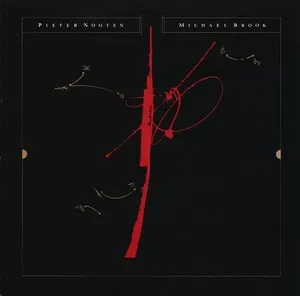
Sleeps With the Fishes
Pieter Nooten & Michael Brook
Neoclassical Dark Wave
Dark Wave
1985
2
/5
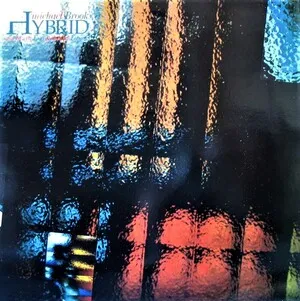
Hybrid
Michael Brook with Brian Eno & Daniel Lanois
Worldbeat
Similar artists
4
/5
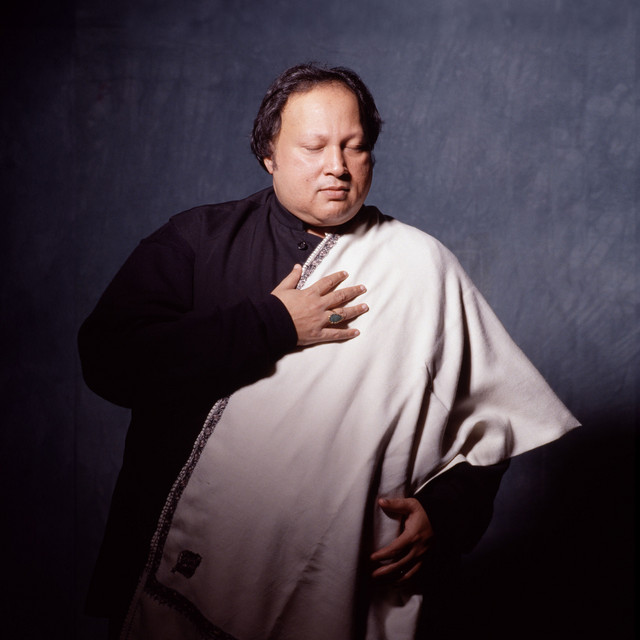
Nusrat Fateh Ali Khan
Qawwali
World
Sufi
3
/5
Dead Can Dance
Ethereal Wave
Dark Wave
Electronic
5
/5
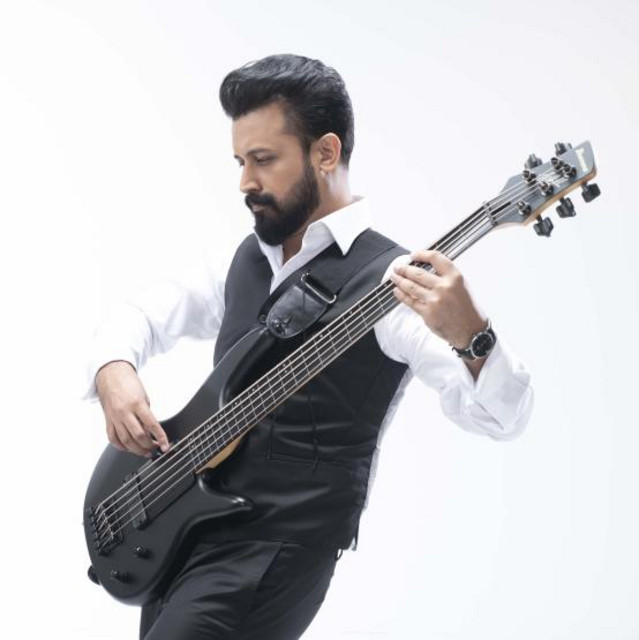
Atif Aslam
Qawwali
Sufi
Bollywood
4
/5
Rahat Fateh Ali Khan
Ghazal
Qawwali
Sufi
4
/5
Zeeshan Ali
Ghazal
Indian Indie
Qawwali
3
/5
Sabri Brothers
Qawwali
Sufi
Bollywood
3
/5
Abida Parveen
Kafi
Ghazal
Qawwali
1
/5
Rizwan-Muazzam Qawwali
Qawwali
Sufi
Ghazal
4
/5
Kailash Kher
Kannada Pop
Qawwali
Sufi
4
/5
Zain Zohaib
Ghazal
Qawwali
Sufi
Download our mobile app
Get the Melodigging app and start digging for new genres on the go
Download on the App Store
Get it on Google Play
© 2026 Melodigging
Give feedback
Legal
Melodding was created as a tribute to
Every Noise at Once
, which inspired us to help curious minds keep digging into music's ever-evolving genres.