Genres
Artists
Albums
Make Music
Sign in
Sign in
Artists
Qawwali
Artists
Qawwali
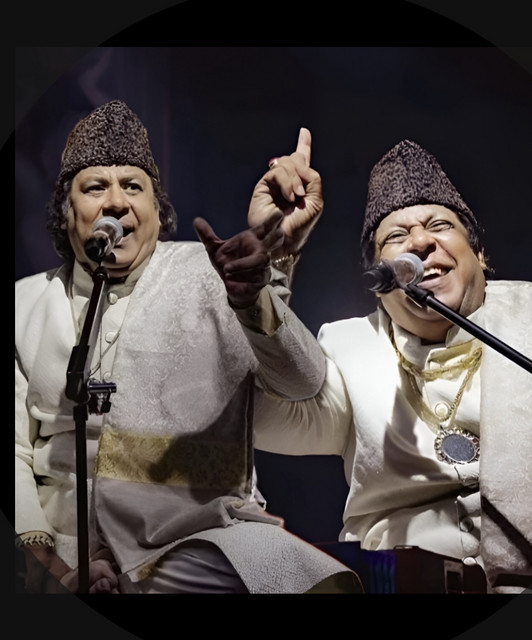
Sabri Brothers
1990–1998
·
2 albums
Listen
3
/5
Genres
Bollywood
Bollywood is the popular film-music tradition associated with Hindi-language cinema from Mumbai, India. It blends raga-based melodies and Hindustani vocalism with Western orchestration, jazz/big-band legacies, pop hooks, disco/funk grooves, rock energy, and contemporary electronic production. Songs are typically designed for on-screen performance and storytelling, featuring lush arrangements, memorable refrains, and emotive playback singing. A common formal scheme is the mukhda (catchy refrain) and antara (stanza/verse) structure, often with instrumental preludes, interludes, and dance breaks. Because it serves narrative and spectacle, Bollywood music ranges widely in mood—from romantic ballads and devotional pieces to high-energy dance numbers—and has continuously absorbed global influences while remaining rooted in Indian melodic and rhythmic aesthetics.
Discover
Listen
Qawwali
Qawwali is a Sufi devotional vocal music from the Indian subcontinent that aims to evoke spiritual ecstasy and communal devotion. It is typically performed by a lead singer (qawwal) with a small ensemble of accompanying vocalists, harmoniums, handclaps, and percussion such as dholak and tabla. Musically, Qawwali blends raga-based melodic frameworks and flexible, improvisatory singing with driving rhythms and responsorial choruses. Texts are drawn from Urdu, Persian, Punjabi, and other North Indian languages, and include ghazals, kafis, hamds (praise of God), naats (praise of the Prophet), and manqabats (praise of Sufi saints). Performances traditionally take place at Sufi shrines (dargahs), where repetition, call-and-response, and gradual intensification lead listeners toward wajd (states of spiritual ecstasy). In the modern era, Qawwali is also heard on concert stages, recordings, and film.
Discover
Listen
Sufi
Sufi is a devotional musical tradition rooted in Islamic mysticism that seeks to induce remembrance of the Divine (dhikr) and transport performers and listeners toward spiritual ecstasy (wajd). It is not a single uniform style, but a family of practices that vary across regions—most notably Persian/Iranian, Anatolian/Turkish (Mevlevi), Arab, and South Asian (qawwali, kafi). Musically, Sufi repertoire tends to revolve around repetitive, mantra-like refrains, call-and-response between lead and chorus, and gradual intensification over cyclical rhythms. Melodic language draws from regional modal systems such as the Persian dastgāh, Ottoman/Turkish makam, and South Asian raga, and is often supported by drones. Texts are central: poetry by mystic masters like Rumi, Hafez, Bullhe Shah, and Amir Khusrau is sung in Persian, Urdu, Punjabi, Arabic, Turkish, and other languages. Instrumentation varies by locale—harmonium, tabla/dholak, tanpura, and clapping in South Asia; ney, kudüm, bendir, and tanbur in Turkey; oud and frame drums across the Arab world—yet the unifying aim is spiritual uplift and inner transformation.
Discover
Listen
Indian Classical
Indian classical music (Shastriya Sangeet / Mārga Sangeet) is the art-music tradition of the Indian subcontinent, organized around melodic frameworks called raga and cyclical meters called tala. It has two major streams: Hindustani music in the North, which foregrounds extended improvisation and raga exploration, and Carnatic music in the South, which is composition-centric with structured but highly sophisticated improvisation. A related eastern tradition is Odissi (from present-day Odisha), whose classical lineage spans roughly two millennia. Despite regional distinctions, these systems share common theoretical roots, performance aesthetics, and a spiritual-philosophical view of music as a vehicle for rasa (embodied aesthetic emotion).
Discover
Listen
South Asian Classical Music
South Asian classical music is the art-music tradition of the Indian subcontinent built around raga (melodic frameworks) and tala (cyclical rhythmic structures). It emphasizes microtonal nuance, ornamentation (gamaka), and a continuous drone, producing a highly expressive, meditative, and often devotional soundworld. The tradition cohered from ancient liturgical and courtly practices and later diverged into two major streams: Hindustani (North Indian) and Carnatic (South Indian). Both systems share the raga–tala grammar but differ in repertoire, performance format, instrumentation, and stylistic emphasis. Improvisation is central in both, balancing formal compositions with spontaneous exploration.
Discover
Listen
Albums
1998
1
/5
Qawwali: Sufi Music From Pakistan
The Sabri Brothers
Qawwali
Sufi
Indian Classical
1990
2
/5
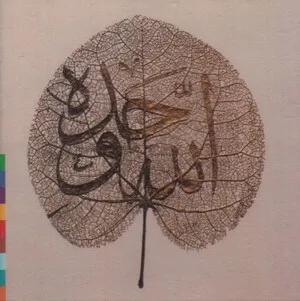
Ya Habib
The Sabri Brothers
Qawwali
Sufi
Similar artists
4
/5
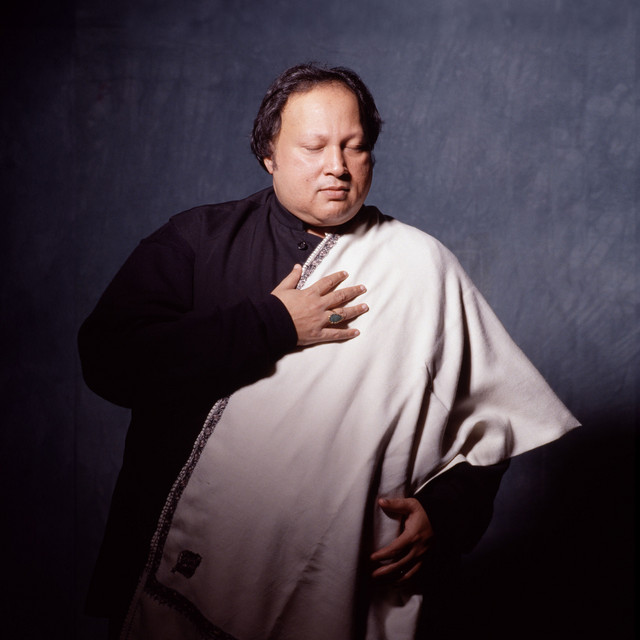
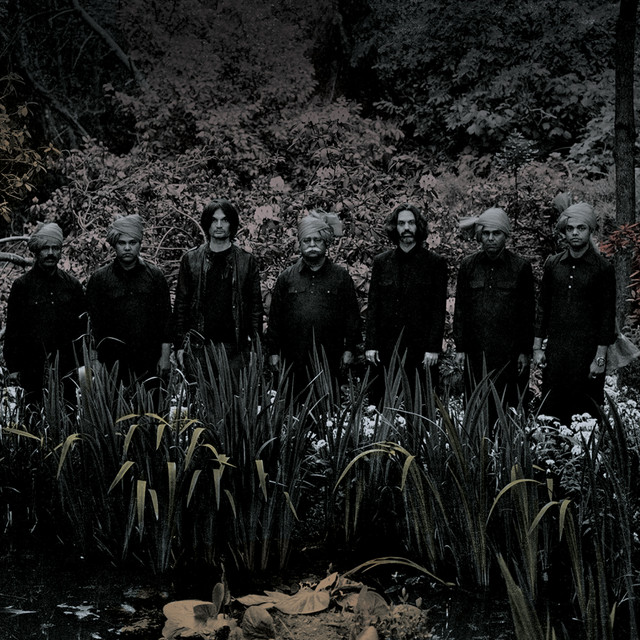
Nusrat Fateh Ali Khan
Qawwali
World
Sufi
5
/5
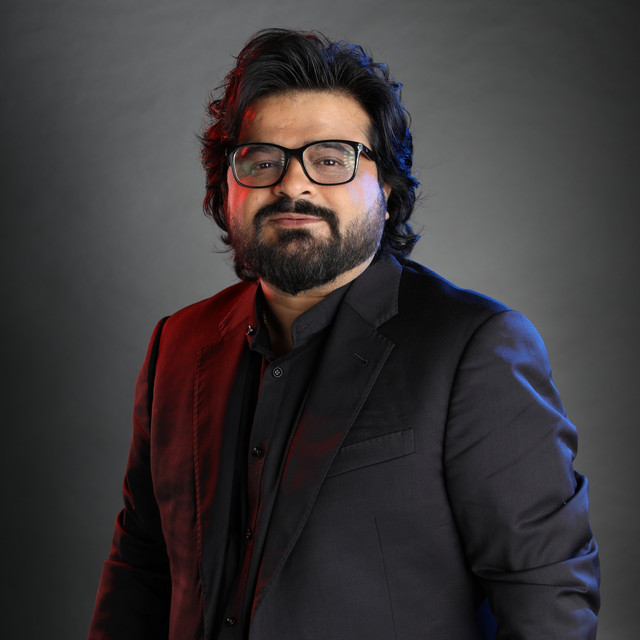
Pritam
Bollywood
Filmi
Pop
2
/5
Shye Ben Tzur
Qawwali
Sufi
Downtempo
1
/5
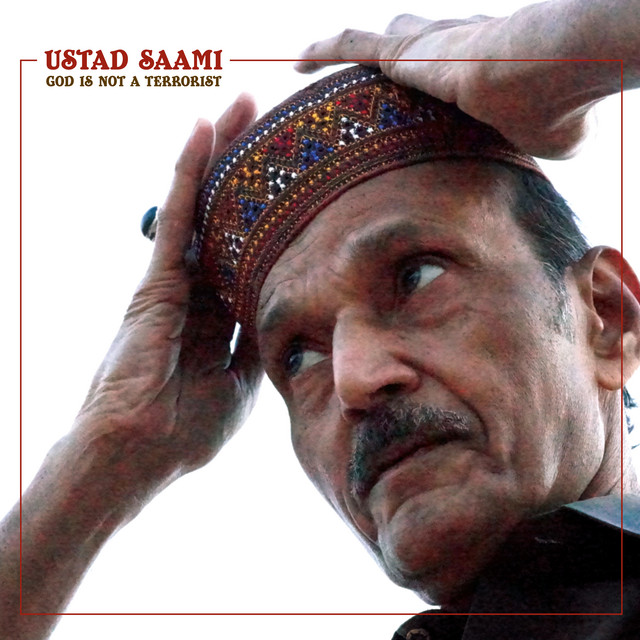
Ustad Saami
Qawwali
Khyal
Sufi
5
/5
Irshad Kamil
Bollywood
Filmi
Pop
1
/5
Ghazal
Ghazal
Indian Classical
Persian Classical
1
/5
Various Artists
Afro-Funk
Alternative Rock
Ambient
3
/5
Jonny Greenwood
Compositional Ambient
Electronic
Pop
5
/5
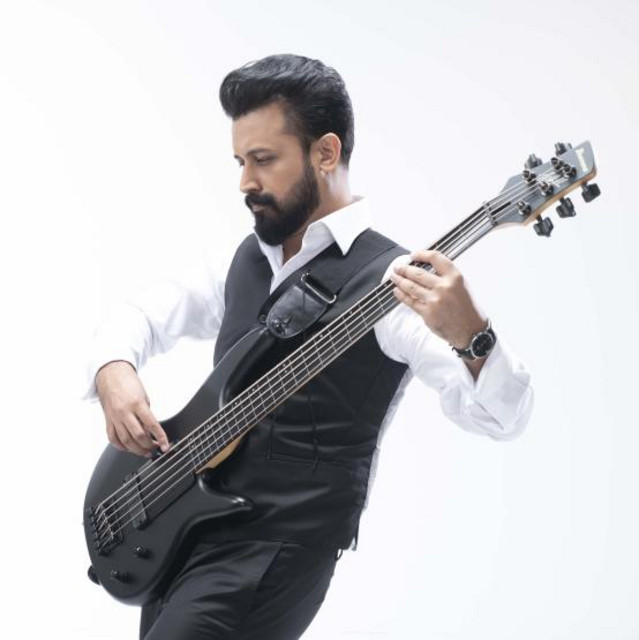
Atif Aslam
Qawwali
Sufi
Bollywood
4
/5
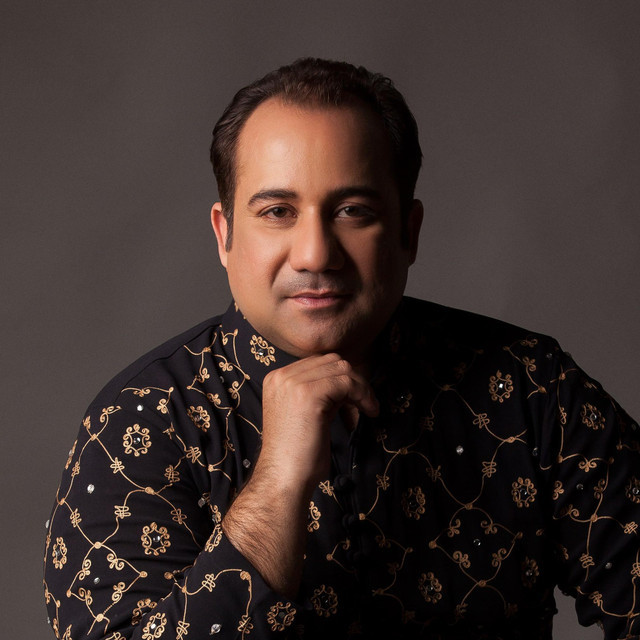
Rahat Fateh Ali Khan
Ghazal
Qawwali
Sufi
Download our mobile app
Get the Melodigging app and start digging for new genres on the go
Download on the App Store
Get it on Google Play
© 2026 Melodigging
Give feedback
Legal
Melodding was created as a tribute to
Every Noise at Once
, which inspired us to help curious minds keep digging into music's ever-evolving genres.