Pakistani folk is an umbrella term for the country’s diverse regional traditions, uniting Punjabi, Sindhi, Balochi, Pashto, Saraiki, Kashmiri and other local musics under one national tapestry. It centers on storytelling, devotional poetry, and communal celebration, expressed in indigenous languages and dialects.
While melodies often trace back to Hindustani modal practice, the delivery is distinctly local: robust, highly ornamented vocals supported by portable and rustic instruments like dhol, dholak, chimta, tumbi/ektara, harmonium, algoza (double flute), rubab, sarangi, benju, dambura/yaktaro and shehnai. Rhythms favor infectious cyclic grooves (Keherwa, Dadra) for dance and procession, as well as more meditative meters for devotional songs.
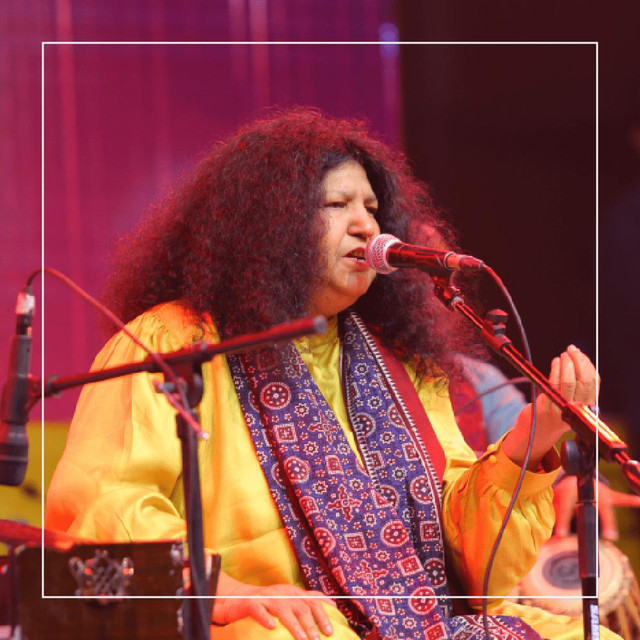
Performed at Sufi shrines (dargahs), village melas, weddings, and seasonal festivals, Pakistani folk bridges the sacred and the secular—moving from mystical kafi and bhitayi poetry to harvest songs, heroic ballads, and love laments. In contemporary times, broadcast media and fusion projects have brought these village-born styles to national and global audiences.