Genres
Artists
Albums
Make Music
Sign in
Sign in
Artists
Funk Brasileiro
Artists
Funk Brasileiro
MC Bin Laden
2014–2022
·
3 albums
Listen
3
/5
Genres
Beat Bruxaria
Beat bruxaria (often called funk bruxaria) is a São Paulo‑born strain of Brazilian funk defined by aggressively distorted, high‑pitched sonics over skeletal, hard‑hitting percussion. Producers push the treble into piercing “tuin” tones while letting blown‑out subs and clipped claps carry a stark, marching groove. Arrangements are minimalist and stop‑start, using sudden silences, horror‑movie stabs, sirens, phone rings, radio snippets, and other found sounds to heighten tension. Vocals, when present, are typically chopped tags, barked ad‑libs, or brief MC phrases treated as rhythmic hits instead of full verses. The result is a deliberately abrasive, dancefloor‑oriented sound that warps baile funk’s energy into something darker and more cinematic, while remaining rooted in street‑party practicality and diversified, anything‑goes sampling.
Discover
Listen
Rave Funk
Rave funk is a contemporary Brazilian club style that fuses the raw percussion, call‑and‑response vocals, and gritty bass of funk carioca with the supersaws, hoover stabs, white‑noise risers, and big‑room drops of EDM and rave. Typically sitting between 140–150 BPM (often at the Brazilian "150 BPM" pace), it uses the tamborzão or mandelão drum feel under festival‑scale synth builds and DJ‑friendly drops. The result is a high‑impact, dance‑floor sound that keeps the street energy of funk while adopting the dramatic structures of modern rave.
Discover
Listen
Funk Ostentação
Funk ostentação is a São Paulo–born branch of Brazilian funk that celebrates conspicuous consumption and upward mobility from the urban periphery. Its lyrics revolve around luxury brands, cars and motorbikes, nightlife, and the dream of financial success, delivered through catchy sing-rap hooks and heavy use of Auto-Tune. Musically, it keeps the tamborzão-derived drum patterns of funk carioca while adding brighter synth leads, melodic choruses, and radio-ready structures. Typical tempos sit around 125–135 BPM, with booming 808-style kicks, syncopated claps, and sub-bass drops underscoring aspirational, party-oriented themes. High-gloss music videos—showing designer fashion and status symbols—are central to the genre’s identity and helped it spread nationwide.
Discover
Listen
Tecnofunk
Tecnofunk is a raw, dance-centered hybrid genre from northern Brazil that fuses the melodic and party-driven language of tecnobrega with the percussive force, erotic directness, and street energy of Brazilian funk. It emerged in Belém do Pará in the late 2010s, especially through DJs, producers, and sound-system-centered party culture. The style is marked by heavy electronic beats, loud low-end, provocative vocal samples or lyrics, and a deliberately vulgar, festive, and high-impact aesthetic. Compared with classic tecnobrega, tecnofunk tends to hit harder rhythmically and often feels more aggressive and stripped-down. Compared with mainstream funk brasileiro, it retains strong Pará dance-music traits, including regional melodic phrasing, synth textures, and the legacy of brega-derived party production. The genre is closely tied to local dance scenes, DJ remix culture, and informal music circulation, where tracks are designed for immediate crowd response rather than polished pop presentation.
Discover
Listen
Funk Mandelão
Funk mandelão is a minimalist, hard‑hitting branch of Brazilian funk that crystallized in São Paulo’s street party (fluxo) scene. It emphasizes a stripped, percussive groove with booming sub‑bass, clipped toms and rims, and shouted call‑and‑response vocals that command the dancefloor. Compared with Rio’s tamborzão-driven funk carioca, mandelão tends to sit a bit slower and heavier, favoring hypnotic repetition, stark spaces, and gritty saturation (“estouro”) that translates well on massive, bass-heavy sound systems. Producers often recycle short vocal chops and neighborhood shoutouts, building tension through micro-variations in drums, drops, and crowd‑engaging breaks.
Discover
Listen
Trap Boricua
Trap boricua is the Puerto Rican strain of Latin trap: a Spanish-language take on Southern U.S. trap aesthetics fused with the island’s reggaetón DNA and hip‑hop tradition. It is characterized by halftime 4/4 grooves (typically 65–75 BPM, or 130–150 BPM counted double‑time), heavy 808 sub-bass with slides, skittering 1/16 hi‑hats and triplet rolls, crisp claps/snares on the halftime backbeat, and atmospheric pads or minor‑key synth motifs. Vocals often mix melodic Auto‑Tuned hooks with gritty rap verses, switching between rapid‑fire syllables and laid‑back flows. Lyrically, artists blend barrio storytelling, bravado (fronteo), luxury and street codes with Puerto Rican slang, while also opening space for romance, introspection, and social commentary. The sound frequently hybrids with reggaetón (dembow cadences), R&B, and drill, making it both club‑ready and mood‑driven.
Discover
Listen
Hybrid Trap
Hybrid trap is an EDM subgenre that fuses Southern hip hop–derived trap rhythms and 808 low end with the sound-design intensity and drop-centric structure of dubstep and electro house. It typically runs at 75/150 BPM in a halftime feel, features skittering hi-hats and snare/clap hits on beat three, and pairs punchy 808 kick–sub combos with midrange growls, reese basses, screeches, and cinematic brass stabs. Producers lean heavily on modern synthesis, resampling, and aggressive processing (distortion, multiband compression, OTT) to craft dynamic, call-and-response drops suited to festival stages. Compared with “classic” EDM trap, hybrid trap places greater emphasis on dubstep-like bass design, complex fills, and theatrical builds, while retaining trap’s swaggering grooves and minimalistic, percussive motifs.
Discover
Listen
New Mpb
New MPB (Nova Música Popular Brasileira in English usage) is a 2010s–2020s wave that refreshes classic MPB’s songwriting craft with indie, R&B, hip‑hop, and electronic production. It keeps the genre’s hallmark: sophisticated harmony, intimate vocals, and poetry‑forward lyrics in Portuguese. Sonically, you’ll hear nylon‑string guitars and Rhodes pianos beside drum machines, 808s, and warm synths. Rhythms nod to samba, bossa nova, baião, and funk carioca while embracing modern pop swing and hip‑hop backbeats. The result is stylish, urban, and contemporary—romantic and reflective, yet danceable and groove‑savvy.
Discover
Listen
Vapor Pop
Vapor pop is a glossy, internet-native strain of alternative pop that blends vaporwave’s hazy nostalgia with contemporary synth-pop and dream-pop songwriting. It favors soft-focus textures, clean but slightly detuned synths, breathy vocals, and gently pulsing beats that evoke late‑night drives, neon cityscapes, and digital romance. Where vaporwave deconstructs and slows down archival media, vapor pop translates that vaporous, retro-futurist palette into concise, hook-forward songs. The result is sleek and melancholic yet accessible: pop structures and earworm choruses wrapped in gauzy ambience, 80s/90s timbral references, and modern streaming-era minimalism.
Discover
Listen
Funk Brasileiro
Funk brasileiro (also known internationally as baile funk) is an urban dance music from Brazil that grew out of Rio de Janeiro’s favela party culture. It took the skeletal templates of Miami bass and electro, then reimagined them with Portuguese lyrics, crowd‑shouting hooks, and Afro‑Brazilian rhythmic ideas. The sound is defined by booming 808 sub‑bass, punchy drum programming, and chant‑like vocals designed for participation on the dance floor. While early tracks typically sat around 130–140 BPM with the iconic tamborzão groove, later waves popularized 150 BPM energy and an even more percussive, hard‑hitting feel. Lyrically it ranges from party anthems and romantic “melody” cuts to street reportage and social commentary. Over time it branched into many substyles—proibidão, ostentação, 150 BPM/mandelão, automotivo, and pop‑crossover hybrids—while influencing global pop, rap, and club music.
Discover
Listen
Funk Carioca
Funk carioca, also known as baile funk, is a high-energy dance music born in the favelas of Rio de Janeiro. It blends the booming 808 sub-bass and drum-machine punch of Miami bass and electro with Brazilian street party culture, Portuguese slang, and call-and-response vocals. At its core is the tamborzão rhythm, a syncopated, percussive groove that drives simple, looping beats and chant-like hooks. Lyrics range from playful and explicitly sexual (putaria) to socially conscious narratives and favela pride, and performances are designed for massive neighborhood bailes (street parties). Over time the style has branched into many variants—from melodic radio-friendly hits to darker proibidão—and has influenced global club music while remaining a defining sound of contemporary urban Brazil.
Discover
Listen
Show all 11 genres
Albums
2022
1
/5
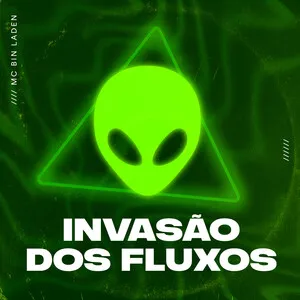
Invasão dos fluxos
MC Bin Laden
Funk Mandelão
2016
3
/5
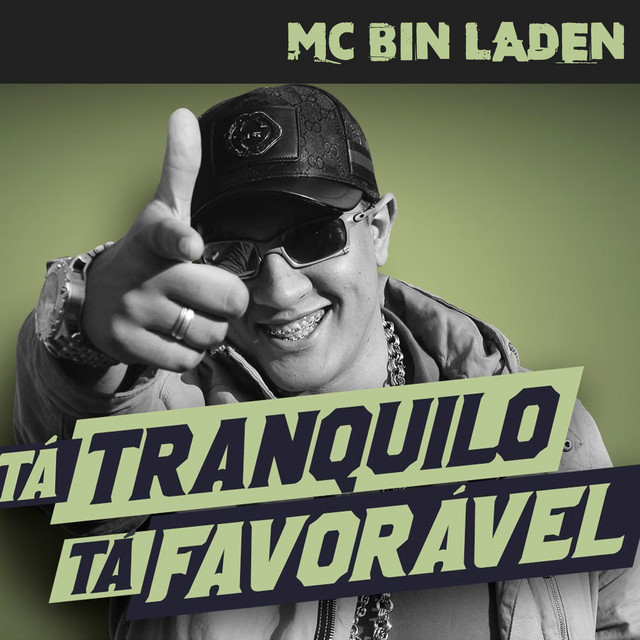
Tá Tranquilo, Tá Favorável
MC Bin Laden
Funk Ostentação
2014
2
/5
MC Bin Laden
MC Bin Laden
Funk Brasileiro
Similar artists
4
/5
Mc Gw
Funk Brasileiro
Funk Carioca
Phonk
4
/5
MC G15
Funk
Funk Mtg
Funk Ostentação
3
/5
MC Fioti
Funk Ostentação
Funk Paulista
Brazilian Trap
4
/5
MC Menor MT
Funk Mandelão
Deboxe
Doomshop Phonk
4
/5
MC Kevinho
Funk Ostentação
Funk Pop
Funk Carioca
3
/5
MC's Jhowzinho & Kadinho
Brega Funk
Funk Brasileiro
Funk Ostentação
4
/5
Mc Livinho
Funk Rj
Funk Paulista
Funk
3
/5
Delano
Funk Ostentação
Brazilian Trap
Funk Brasileiro
5
/5
Mc Jacaré
Brazilian Trap
Funk 150 Bpm
Funk Brasileiro
4
/5
Mc Rodrigo do CN
Brazilian Trap
Funk 150 Bpm
Funk Brasileiro
Download our mobile app
Get the Melodigging app and start digging for new genres on the go
Download on the App Store
Get it on Google Play
© 2026 Melodigging
Give feedback
Legal
Melodding was created as a tribute to
Every Noise at Once
, which inspired us to help curious minds keep digging into music's ever-evolving genres.