Your digging level

For this genre
0/8
🏆
Sign in, then listen to this genre to level up

Description

Beat bruxaria (often called funk bruxaria) is a São Paulo‑born strain of Brazilian funk defined by aggressively distorted, high‑pitched sonics over skeletal, hard‑hitting percussion. Producers push the treble into piercing “tuin” tones while letting blown‑out subs and clipped claps carry a stark, marching groove.

Arrangements are minimalist and stop‑start, using sudden silences, horror‑movie stabs, sirens, phone rings, radio snippets, and other found sounds to heighten tension. Vocals, when present, are typically chopped tags, barked ad‑libs, or brief MC phrases treated as rhythmic hits instead of full verses.

The result is a deliberately abrasive, dancefloor‑oriented sound that warps baile funk’s energy into something darker and more cinematic, while remaining rooted in street‑party practicality and diversified, anything‑goes sampling.


Sources: Spotify, Wikipedia, Discogs, Rate Your Music, MusicBrainz, and other online sources

History

Origins (late 2010s–early 2020s)

Beat bruxaria crystallized in the South Zone of São Paulo as baile funk producers began exaggerating the genre’s treble, distortion, and negative space. Street parties such as Baile do Helipa (Heliópolis) and DZ7 (Paraisópolis) provided the testing ground, where minimal drum grids and tinnitus‑like “tuin” tones cut through massive sound systems.

Sound and aesthetics

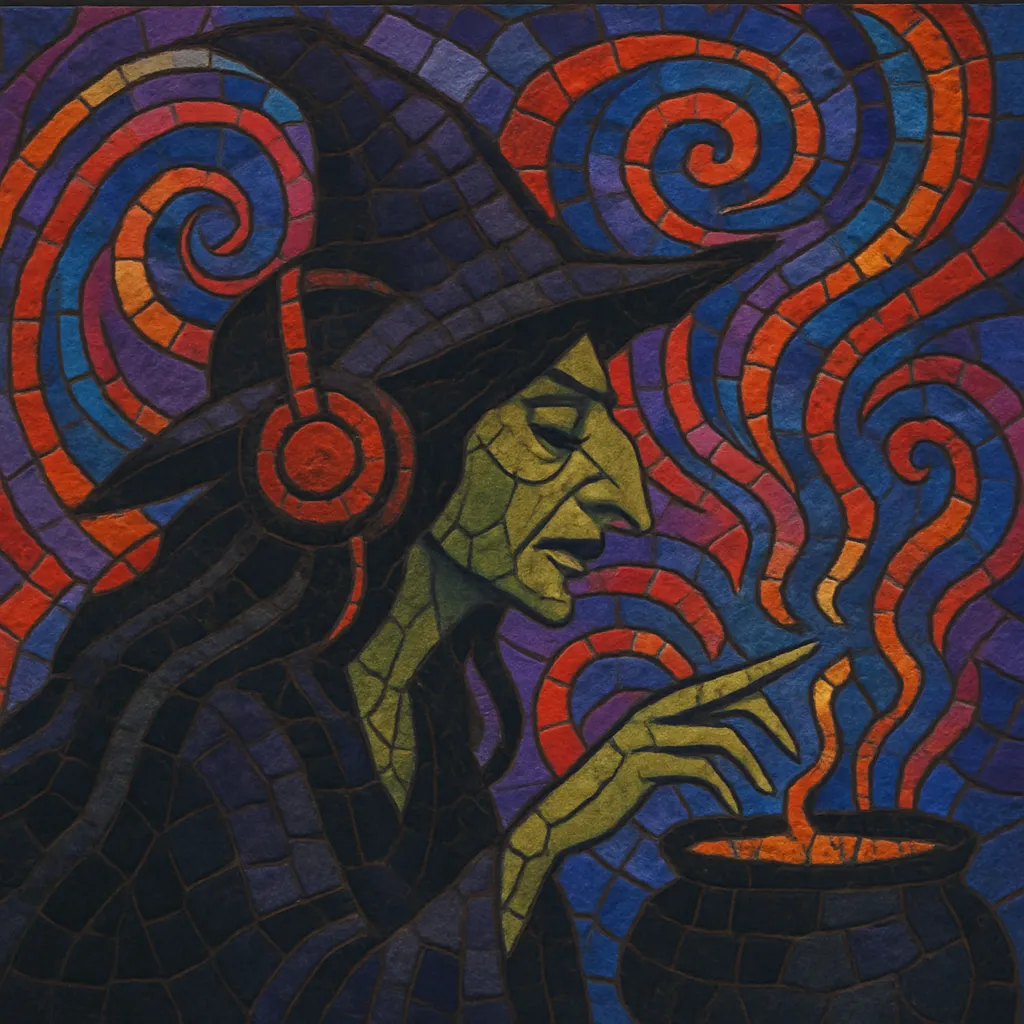
The term “bruxaria” (witchcraft) reflects its haunted, anxious atmosphere: horror‑score hits, police sirens, alert tones, and guttural bass drops collide with sparse tamborzão‑derived rhythms. Producers favor FL Studio workflows and highly processed 808s, prioritizing immediacy and shock value over lush arrangement.

Key figures and releases

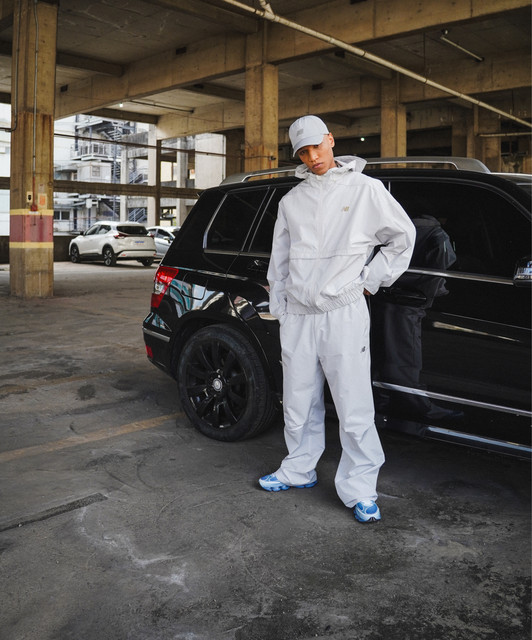
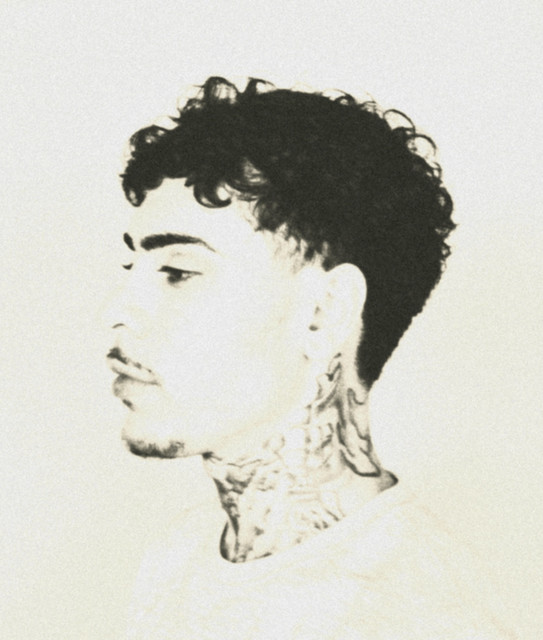
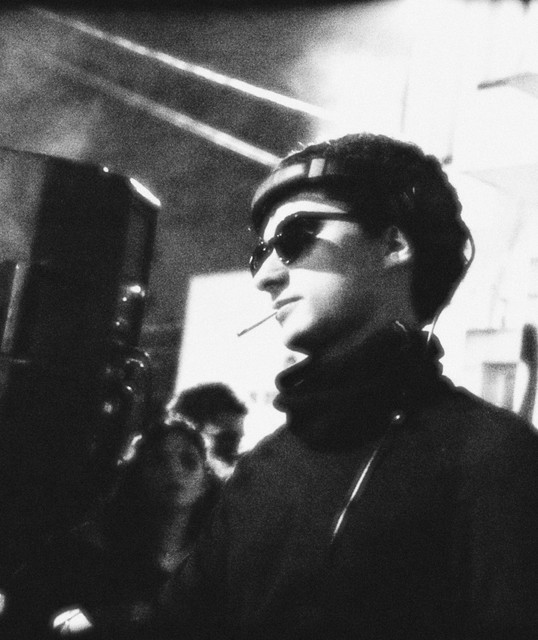
Producers from São Paulo’s new wave brought the style to wider attention through mixtapes, SoundCloud sets, and later label releases. Flagship albums and singles cemented the template—high‑frequency leads, clipped percussion, aggressive sampling—and framed bruxaria as the darker, punk‑of‑funk edge of contemporary baile.

Spread and online traction

Clips circulated rapidly on TikTok, YouTube, and DJ mixes, and the style’s blown‑out treble and horror cues resonated with global club audiences. As it traveled, bruxaria cross‑pollinated with phonk and other internet‑driven micro‑scenes while remaining anchored to São Paulo’s bailes.

How to make a track in this genre

Core tempo, grid and low‑end
•   Work around 140–160 BPM (often near 150). Program a skeletal, stomping kick pattern with clipped claps/snares; keep ghost notes sparse so every hit feels heavy. •   Use an 808 or synth sub with hard saturation, bit‑crushing, or EQ boosts around 40–60 Hz for body and 120–200 Hz for growl.
Signature treble and “tuin” tone
•   Create a piercing lead (sine/saw with FM or ring‑mod) pitched high, automated with quick bends and tremolo. Layer subtle white noise for edge and automate filters for whiplash sweeps. •   Leave midrange space; the contrast between sub‑bass and ultra‑treble is the aesthetic.
Percussion and space
•   Keep percussion minimal: a kick, a clipped clap, and a tight hat are enough. Use strategic dropouts and hard mutes to build anticipation, then slam back in with the full kit. •   Embrace silence; bruxaria’s tension comes from sudden cuts and negative space as much as from impact.
Sampling and sound design
•   Collage short, attention‑grabbing samples: horror stings, sirens, phone rings, news idents, audience shouts, or rock/film snippets. Heavily distort, time‑stretch, or gate them so they act rhythmically. •   For vocals, chop brief MC phrases or producer tags; pitch them, stutter, or gate to function as percussion rather than lead melody.
Mixing mindset
•   Prioritize club translation: strong limiter, controlled low‑end mono, and protected treble so the “tuin” cuts without painful harshness. Use multiband saturation to keep the mix loud but focused. •   Test on small speakers and big subs; bruxaria should feel stark yet overwhelming on a wall of sound.

Top tracks

Locked
Share your favorite track to unlock other users’ top tracks
Influenced by
Has influenced
Challenges
Digger Battle
Let's see who can find the best track in this genre
© 2026 Melodigging
Melodding was created as a tribute to Every Noise at Once, which inspired us to help curious minds keep digging into music's ever-evolving genres.
Buy me a coffee for Melodigging