Genres
Artists
Albums
Make Music
Sign in
Sign in
Artists
Funk Ostentação
Artists
Funk Ostentação
Delano
2015
·
1 album
Listen
3
/5
Genres
Rave Funk
Rave funk is a contemporary Brazilian club style that fuses the raw percussion, call‑and‑response vocals, and gritty bass of funk carioca with the supersaws, hoover stabs, white‑noise risers, and big‑room drops of EDM and rave. Typically sitting between 140–150 BPM (often at the Brazilian "150 BPM" pace), it uses the tamborzão or mandelão drum feel under festival‑scale synth builds and DJ‑friendly drops. The result is a high‑impact, dance‑floor sound that keeps the street energy of funk while adopting the dramatic structures of modern rave.
Discover
Listen
Beat Bolha
Beat bolha is a recent Brazilian microstyle that blends baile funk drum programming with airy, “watery” textures and soft, plucky synths that resemble floating bubbles. Producers emphasize minimal, spacious arrangements, glossy sound design, and gentle 808 slides, making it a mellow, romantic counterpoint to heavier strands of funk and trap. The aesthetic is closely tied to internet beat culture and “type beat” ecosystems, spreading through TikTok, YouTube, and SoundCloud and often backing melodic, emotive vocals from MCs and trappers.
Discover
Listen
Funk Ostentação
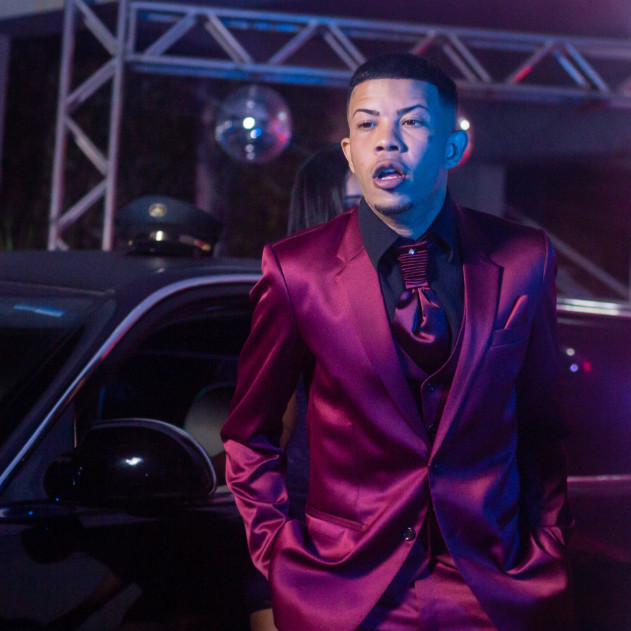
Funk ostentação is a São Paulo–born branch of Brazilian funk that celebrates conspicuous consumption and upward mobility from the urban periphery. Its lyrics revolve around luxury brands, cars and motorbikes, nightlife, and the dream of financial success, delivered through catchy sing-rap hooks and heavy use of Auto-Tune. Musically, it keeps the tamborzão-derived drum patterns of funk carioca while adding brighter synth leads, melodic choruses, and radio-ready structures. Typical tempos sit around 125–135 BPM, with booming 808-style kicks, syncopated claps, and sub-bass drops underscoring aspirational, party-oriented themes. High-gloss music videos—showing designer fashion and status symbols—are central to the genre’s identity and helped it spread nationwide.
Discover
Listen
Brazilian Trap
Brazilian trap (trap brasileiro) is the Brazilian adaptation of the Atlanta-born trap sound, performed primarily in Portuguese and colored by local rhythms, slang, and aesthetics. It features 808-heavy beats, half-time grooves, rapid hi-hat rolls, and melodic, Auto-Tuned vocals, while often folding in the swing and percussive feel of funk carioca. Lyrics commonly move between street realities, internet-native lifestyle, fashion, and aspirational luxury, with strong regional accents and Brazilian vernacular giving it a distinct identity from US trap.
Discover
Listen
Funk Bruxaria
Funk bruxaria is a dark, occult-tinged microstyle of Brazilian baile funk that blends the raw, percussive drive of funk carioca with eerie sound design and gothic/witchy aesthetics. Producers favor minor modes, ominous pads, whispered or pitched-down vocal chops, ritual-like percussive cycles, and cinematic foley (bells, chimes, wind, thunder) to create a brooding, supernatural atmosphere over unmistakably dance-oriented funk rhythms. The result sits between the street energy of baile funk and the hazy, nocturnal mood of witch house and trap, often at 130–150 BPM (with frequent 150-BPM variants).
Discover
Listen
Tecnofunk
Tecnofunk is a raw, dance-centered hybrid genre from northern Brazil that fuses the melodic and party-driven language of tecnobrega with the percussive force, erotic directness, and street energy of Brazilian funk. It emerged in Belém do Pará in the late 2010s, especially through DJs, producers, and sound-system-centered party culture. The style is marked by heavy electronic beats, loud low-end, provocative vocal samples or lyrics, and a deliberately vulgar, festive, and high-impact aesthetic. Compared with classic tecnobrega, tecnofunk tends to hit harder rhythmically and often feels more aggressive and stripped-down. Compared with mainstream funk brasileiro, it retains strong Pará dance-music traits, including regional melodic phrasing, synth textures, and the legacy of brega-derived party production. The genre is closely tied to local dance scenes, DJ remix culture, and informal music circulation, where tracks are designed for immediate crowd response rather than polished pop presentation.
Discover
Listen
Funk Evangelico
Funk evangélico is a Brazilian Christian take on funk carioca that keeps the style’s hard-hitting, dance‑floor energy while replacing secular or explicit themes with evangelical Christian messages. Built on the classic tamborzão beat, booming sub‑bass, and call‑and‑response hooks, it uses the language of the baile to preach testimony, “vitória,” and spiritual warfare. The result is music that feels at once street‑level and devotional—meant for dancing, collective chanting, and faith‑based outreach in the same neighborhoods where funk originally flourished.
Discover
Listen
Bregadeira
Bregadeira is a contemporary Brazilian party style that fuses romantic and melodic brega songwriting with the percussive swing of pagodão baiano and the booming low‑end of funk scenes. Built for paredão (sound‑system) culture, it emphasizes catchy hooks, call‑and‑response vocals, and drop‑driven arrangements that explode on heavy car and street systems. Producers blend tamborzão- and pagodão‑inspired drum patterns with technobrega/brega‑funk synths and sub‑bass, creating an extroverted, dance‑first sound that can be both flirtatious and rowdy.
Discover
Listen
Funk Paulista
Funk paulista is the São Paulo city and metropolitan variation of Brazilian funk that crystallized in the early 2010s. It preserves the Miami-bass-rooted drum programming and MC-driven call‑and‑response of funk carioca, but emphasizes punchy, front‑of‑mix 808s, minimal synth riffs, and hooky, chant‑like refrains tailored for large bailes and YouTube virality. Lyrically, it became widely known through "funk ostentação," which foregrounded aspiration and conspicuous consumption (cars, fashion, nightlife), and later broadened into socially aware "funk consciente" and the darker, heavier club‑facing "funk mandelão."
Discover
Listen
No Beat
No beat is a Brazilian, producer‑driven tag and scene that grew around baile funk and adjacent regional party styles, where the beatmaker’s identity (often voiced as the tag “X no beat!”) is foregrounded. Musically it pulls from funk carioca’s Miami‑bass lineage, paredão/car‑sound‑system aesthetics, and newer dark, minimalist strands (e.g., bruxaria), yielding hard sub‑bass, sparse percussion at 130–150+ BPM, abrupt mutes, chopped/ported vocals, and crowd‑command call‑outs. In some regional pockets the groove leans into arrochadeira/brega influences and trap textures (“trapfunk”). Rather than meaning “without drums,” the label signals a producer‑centric baile funk approach that thrives in street parties and sound‑system culture and has fed into today’s global club and trap‑funk cross‑pollination.
Discover
Listen
Funk De Bh
Funk de BH (Belo Horizonte) is a regional strain of Brazilian funk that crystallized in Minas Gerais’ capital during the 2010s. It takes the party-ready DNA of funk brasileiro and pares it down to a darker, more hypnotic, bass‑led minimalism. Compared with Rio’s tamborzão-driven euphoria or São Paulo’s ostentação flash, Funk de BH emphasizes sub‑heavy 808s, sparse percussion, and chant‑like vocals that feel intimate and street‑level. The result is a moody, rolling groove aimed equally at neighborhood bailes and car‑sound (“som de carro”) culture, with lyrics that swing between hedonistic party themes, everyday hustle, and local pride.
Discover
Listen
Ritmada
Ritmada is a contemporary Brazilian dance-music style built around short, repetitive, resonant rhythmic loops. It favors immersive, highly danceable grooves that draw on Afro‑Brazilian percussion and timbres, but presents them with a cleaner, more radio-friendly production aesthetic. Compared to rougher street-oriented bass styles, ritmada typically places greater emphasis on sung or rapped lyrics and hook structure, while keeping the beat hypnotic and driving.
Discover
Listen
Funk Brasileiro
Funk brasileiro (also known internationally as baile funk) is an urban dance music from Brazil that grew out of Rio de Janeiro’s favela party culture. It took the skeletal templates of Miami bass and electro, then reimagined them with Portuguese lyrics, crowd‑shouting hooks, and Afro‑Brazilian rhythmic ideas. The sound is defined by booming 808 sub‑bass, punchy drum programming, and chant‑like vocals designed for participation on the dance floor. While early tracks typically sat around 130–140 BPM with the iconic tamborzão groove, later waves popularized 150 BPM energy and an even more percussive, hard‑hitting feel. Lyrically it ranges from party anthems and romantic “melody” cuts to street reportage and social commentary. Over time it branched into many substyles—proibidão, ostentação, 150 BPM/mandelão, automotivo, and pop‑crossover hybrids—while influencing global pop, rap, and club music.
Discover
Listen
Show all 13 genres
Albums
2015
3
/5
Devagarinho
Delano
Funk Ostentação
Similar artists
4
/5
MC G15
Funk
Funk Mtg
Funk Ostentação
3
/5
MC Fioti
Funk Ostentação
Funk Paulista
Brazilian Trap
4
/5
MC Lan
Funk Ostentação
Analog Horror
Brazilian Trap
4
/5
Mc Livinho
Funk Rj
Funk Paulista
Funk
5
/5
Mc Jacaré
Brazilian Trap
Funk 150 Bpm
Funk Brasileiro
4
/5
Mc Gw
Funk Brasileiro
Funk Carioca
Phonk
4
/5
Mc Rodrigo do CN
Brazilian Trap
Funk 150 Bpm
Funk Brasileiro
4
/5
PEDRO SAMPAIO
Brazilian Pop
Brega Funk
Funk Pop
4
/5
Mc Pedrinho
Funk Mtg
Funk Paulista
Funk
4
/5
Mc Magrinho
Analog Horror
Brazilian Trap
Funk 150 Bpm
Download our mobile app
Get the Melodigging app and start digging for new genres on the go
Download on the App Store
Get it on Google Play
© 2026 Melodigging
Give feedback
Legal
Melodding was created as a tribute to
Every Noise at Once
, which inspired us to help curious minds keep digging into music's ever-evolving genres.