Genres
Artists
Albums
Make Music
Sign in
Sign in
Artists
Funk Ostentação
Artists
Funk Ostentação
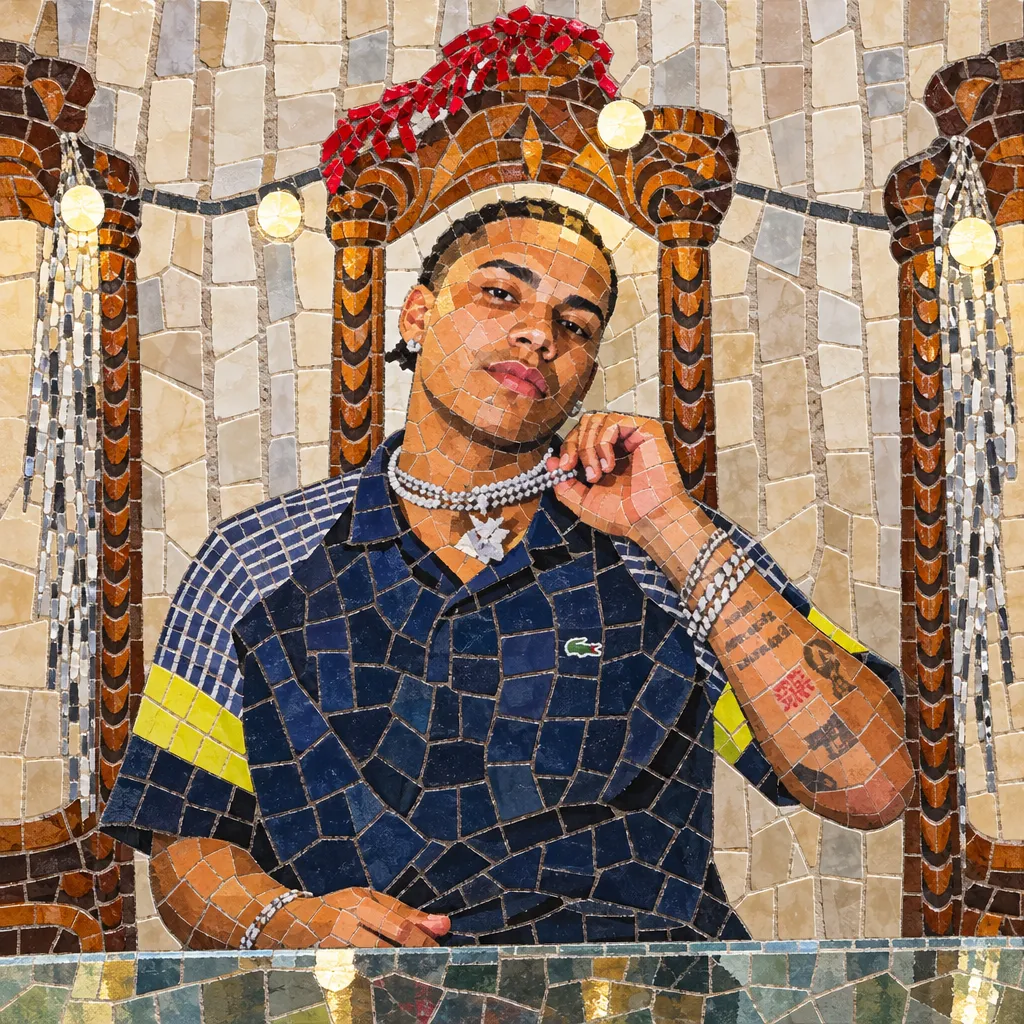
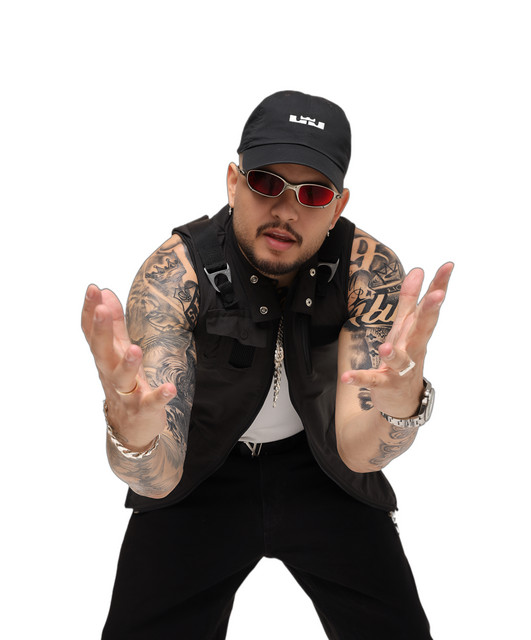
MC Kevinho
2016–2019
·
7 albums
Listen
4
/5
Genres
Rave Funk
Rave funk is a contemporary Brazilian club style that fuses the raw percussion, call‑and‑response vocals, and gritty bass of funk carioca with the supersaws, hoover stabs, white‑noise risers, and big‑room drops of EDM and rave. Typically sitting between 140–150 BPM (often at the Brazilian "150 BPM" pace), it uses the tamborzão or mandelão drum feel under festival‑scale synth builds and DJ‑friendly drops. The result is a high‑impact, dance‑floor sound that keeps the street energy of funk while adopting the dramatic structures of modern rave.
Discover
Listen
Agronejo
Agronejo is a contemporary Brazilian offshoot of sertanejo that foregrounds rural identity, rodeo imagery, and the agribusiness lifestyle while adopting pop-friendly hooks and modern production. Musically it blends the vocal phrasing and duet traditions of sertanejo with the glossy sheen of pop and country-pop, often borrowing the driving percussion and synth bass from piseiro and the romantic sentiment of arrocha. Arrangements frequently combine viola caipira, acoustic and electric guitars, and accordion with programmed drums, sub-bass, and festival-scale crowd chants. The result is a radio- and TikTok-ready sound that keeps dance floors moving while celebrating countryside culture.
Discover
Listen
Arrocha Funk
Arrocha funk is a Brazilian fusion that marries the romantic, crooner-style melodies of Arrocha with the streetwise punch of contemporary funk and reggaeton production. Characterized by slow and gritty reggaeton-like drums, it places a clear emphasis on brassy horn riffs and stabs, echoing Arrocha’s band arrangements while keeping the rhythmic engine syncopated and danceable. Harmonies tend to be minor and bittersweet, supporting lyrical themes of longing, jealousy, reconciliation, and celebration. Vocals are typically upfront and expressive, often ornamented with melisma, light Auto‑Tune, and call‑and‑response hooks that translate well to dance floors and social media clips.
Discover
Listen
Brazilian Phonk
Brazilian phonk is a contemporary offshoot of phonk that fuses 1990s Memphis-rap aesthetics with the percussion, swing, and party energy of Brazilian baile funk. Producers keep the gritty, overdriven 808s, cowbells, and chopped vocal-manipulation that define phonk, then layer in tamborzão-leaning drum programming and Portuguese/Portuguese-slang vocal chops. Typically faster and more dance-focused than classic or drift phonk, Brazilian phonk often runs between 140–170 BPM, features clipped/distorted low end, syncopated claps, and razor-sharp percussive fills borrowed from funk carioca/mandelão. It is heavily tied to online culture—thriving on TikTok/Instagram “edits,” motovlog/car videos, and YouTube channels—where its high-impact drops and punchy loop design translate into quick virality.
Discover
Listen
Funk Ostentação
Funk ostentação is a São Paulo–born branch of Brazilian funk that celebrates conspicuous consumption and upward mobility from the urban periphery. Its lyrics revolve around luxury brands, cars and motorbikes, nightlife, and the dream of financial success, delivered through catchy sing-rap hooks and heavy use of Auto-Tune. Musically, it keeps the tamborzão-derived drum patterns of funk carioca while adding brighter synth leads, melodic choruses, and radio-ready structures. Typical tempos sit around 125–135 BPM, with booming 808-style kicks, syncopated claps, and sub-bass drops underscoring aspirational, party-oriented themes. High-gloss music videos—showing designer fashion and status symbols—are central to the genre’s identity and helped it spread nationwide.
Discover
Listen
Brazilian Trap
Brazilian trap (trap brasileiro) is the Brazilian adaptation of the Atlanta-born trap sound, performed primarily in Portuguese and colored by local rhythms, slang, and aesthetics. It features 808-heavy beats, half-time grooves, rapid hi-hat rolls, and melodic, Auto-Tuned vocals, while often folding in the swing and percussive feel of funk carioca. Lyrics commonly move between street realities, internet-native lifestyle, fashion, and aspirational luxury, with strong regional accents and Brazilian vernacular giving it a distinct identity from US trap.
Discover
Listen
Latin Afrobeats
Latin Afrobeats is a hybrid of West African Afrobeats and Latin urban pop in which Spanish (and sometimes Portuguese) lyrics ride syncopated, polyrhythmic grooves. It marries Afrobeats’ swung shakers, off‑beat hi‑hats, guitar licks, and buoyant bass with dembow and dancehall drum patterns common to reggaeton and Latin pop. The result is a bright, dance‑forward style with catchy toplines, call‑and‑response hooks, and concise song forms tailored to streaming. Production tends to be minimal yet percussive, with Afro‑percussion (shekere, conga/bongo colors), plucked guitars or synth plucks, and warm sub‑bass supporting melodies that often draw on pentatonic or natural minor scales. Themes revolve around romance, partying, and feel‑good celebration, making the music equally at home in clubs and playlists.
Discover
Listen
Previa
Previa is a contemporary Argentine pre‑party DJ style built around high‑energy edits, bootlegs, and mashups designed to kick off the night. The name comes from the colloquial “la previa,” the pregame gathering before going out, and the music’s job is to turn familiar Latin pop, reggaeton, and regional hits into floor‑ready, faster, harder versions. Sonically, previa lives between tech‑house tempo and reggaeton sensibilities: hooks are sped up, drops hit with big sidechained bass, and builds are short and dramatic. DJs chop sing‑along choruses, stack hypechants and FX, and slam dembow or four‑on‑the‑floor kick patterns under recognizable vocals. The vibe is extroverted, party‑starting, and unapologetically functional—made for mass sing‑backs and immediate dancing.
Discover
Listen
Funk Paulista
Funk paulista is the São Paulo city and metropolitan variation of Brazilian funk that crystallized in the early 2010s. It preserves the Miami-bass-rooted drum programming and MC-driven call‑and‑response of funk carioca, but emphasizes punchy, front‑of‑mix 808s, minimal synth riffs, and hooky, chant‑like refrains tailored for large bailes and YouTube virality. Lyrically, it became widely known through "funk ostentação," which foregrounded aspiration and conspicuous consumption (cars, fashion, nightlife), and later broadened into socially aware "funk consciente" and the darker, heavier club‑facing "funk mandelão."
Discover
Listen
Deep Funk Ostentacao
Deep funk ostentação is a moody, late‑night variant of São Paulo’s funk ostentação, emphasizing deeper sub‑bass, sparse percussion, and atmospheric pads while retaining the genre’s themes of luxury, status, and upward mobility. Compared with the brighter, EDM‑leaning hits of ostentação in the early 2010s, the “deep” approach strips arrangements down to hypnotic tamborzão grooves, 808 low‑end, and minimal, minor‑key synth motifs. Vocals often sit closer to the beat, with autotune and chant‑like hooks, but the lyrical focus remains on conspicuous consumption (cars, brands, nightlife) filtered through a more introspective, nocturnal aesthetic.
Discover
Listen
Twerk
Twerk is a high-energy club and festival style built around pounding 808 bass, head-nodding half‑time grooves at double‑time feel, and chantable hooks designed for the dancefloor. Typically sitting near 95–110 BPM, its percussion borrows the call‑and‑response patterns and bounce of New Orleans Bounce while embracing the sub‑heavy thump and party-forward attitude of Miami Bass. Modern productions often fold in trap-style hi-hats, crowd commands, and minimal, catchy riffs, prioritizing rhythm and movement over complex harmony.
Discover
Listen
Pop Urbaine
Pop urbaine is a French mainstream pop style that blends contemporary R&B, hip hop, Afrobeats, dancehall, zouk, raï, and reggaeton with chart‑friendly songwriting. It emphasizes melodic hooks, mid‑tempo grooves, and sleek vocal production (often with Auto‑Tune) while foregrounding everyday, romantic, and nightlife themes in colloquial French. Rhythmically it favors syncopated Afro‑Caribbean patterns, sparse but bouncy 808 drums, and light guitar or synth plucks, creating a buoyant, danceable feel without the aggressiveness of club music. Vocals typically alternate between sung refrains and rap‑influenced verses, with catchy refrains designed for streaming and social media virality. The genre became a defining sound of French popular culture in the late 2010s, driven by a new generation of Francophone artists with diasporic roots who globalized French pop while keeping its language and local slang at the center.
Discover
Listen
Azontobeats
Azontobeats is a high-energy Ghanaian club sound built to power the Azonto dance craze of the early 2010s. It blends the melodic sensibility of highlife and the rap-forward urgency of hiplife with contemporary Afrobeats pop gloss, dancehall swagger, and UK club rhythms. Typically sitting around 118–128 BPM, the style features punchy, dance-focused drum programming, bright synth hooks, and recurring call-and-response chants in Ghanaian languages (especially Twi and Ga) and Ghanaian Pidgin English. Percussion draws on kpanlogo-inspired bell and drum patterns, while arrangements prioritize catchy toplines and hooky, instruction-style lyrics that cue dance moves. More than just a beat, Azontobeats became a cultural wave that helped push Ghana’s sound onto global dance floors, laying a pathway for later diasporic Afrobeats and UK Afroswing crossovers.
Discover
Listen
Musica Portuguesa Contemporanea
Música portuguesa contemporânea refers to the wave of Portuguese-made popular and art-leaning music that has flourished in the 2010s and 2020s. It blends the poetic sensibility and timbral colors of fado and folk with modern pop writing, indie craft, hip hop flows, and electronic production. Across this umbrella you’ll hear Portuguese-language lyrics shaped by saudade and everyday storytelling, acoustic textures (nylon-string and Portuguese guitar), and grooves informed by Lusophone urban dance (kizomba/batida) alongside chart-ready pop and indie aesthetics. The result is a scene that feels unmistakably Portuguese yet cosmopolitan, often minimalist and intimate in tone, but equally capable of sleek, dance-oriented production.
Discover
Listen
Shatta
Shatta is a raw, high-energy French Caribbean take on dancehall that crystallized in the 2010s within the Guadeloupe–Martinique scene. It is powered by hard-hitting dembow-derived grooves, booming 808 sub-bass, clipped snares, and sirens/airhorns designed for clubs and car sound systems. Vocals—often in Antillean Creole and French—favor short, repetitive hooks, call-and-response chants, and provocative, party-focused or streetwise themes. Stylistically, Shatta blends Jamaican dancehall attitude with local French Antillean aesthetics (and some bouyon drive), plus trap-era sound design. The result is an aggressive, minimal, dancefloor-first sound that’s immediately “bashment” in feel yet distinct to the FWI (French West Indies).
Discover
Listen
Trapfunk
Trapfunk is a Brazilian hybrid that fuses the drum programming, 808 bass, and hi‑hat articulations of trap with the syncopated tamborzão grooves, vocal cadences, and party‑ready attitude of funk carioca (baile funk). Tracks typically balance sparse, hard‑hitting trap frameworks with driving Brazilian funk percussion at 130–150 BPM, sliding 808s, and vocal deliveries that alternate between melodic hooks and rapid-fire chants. Lyrically, it draws on the street storytelling, ostentation, and party culture of the baile while adopting the darker textures and sound design of contemporary trap. The result is a club-optimized, bass-forward style that feels equally at home in the baile, on streaming playlists, and across social platforms, linking Brazil’s local funk scenes to global trap aesthetics.
Discover
Listen
Funk De Bh
Funk de BH (Belo Horizonte) is a regional strain of Brazilian funk that crystallized in Minas Gerais’ capital during the 2010s. It takes the party-ready DNA of funk brasileiro and pares it down to a darker, more hypnotic, bass‑led minimalism. Compared with Rio’s tamborzão-driven euphoria or São Paulo’s ostentação flash, Funk de BH emphasizes sub‑heavy 808s, sparse percussion, and chant‑like vocals that feel intimate and street‑level. The result is a moody, rolling groove aimed equally at neighborhood bailes and car‑sound (“som de carro”) culture, with lyrics that swing between hedonistic party themes, everyday hustle, and local pride.
Discover
Listen
Sertanejo Universitário
Sertanejo universitário is a contemporary, pop-leaning evolution of Brazil’s traditional sertanejo that emerged from college party circuits in the mid-2000s. It pairs the genre’s rural storytelling and acoustic roots with glossy, radio-friendly production and catchy pop hooks. Typical arrangements feature acoustic and electric guitars, bass, drums, keyboards/synth pads, and often accordion, with memorable sing‑along choruses and verse–pre‑chorus–chorus structures. Lyrically, themes revolve around love, heartbreak, nightlife, friendship, and youthful social life, reflecting a bridge between rural imagery and urban party culture. The style favors straightforward 4/4 grooves, from romantic mid‑tempos to dance‑floor anthems, and borrows harmonic language and production sheen from international pop and country pop. Its dominance on Brazilian charts in the 2010s made it one of the country’s most influential mainstream sounds.
Discover
Listen
Funk Carioca
Funk carioca, also known as baile funk, is a high-energy dance music born in the favelas of Rio de Janeiro. It blends the booming 808 sub-bass and drum-machine punch of Miami bass and electro with Brazilian street party culture, Portuguese slang, and call-and-response vocals. At its core is the tamborzão rhythm, a syncopated, percussive groove that drives simple, looping beats and chant-like hooks. Lyrics range from playful and explicitly sexual (putaria) to socially conscious narratives and favela pride, and performances are designed for massive neighborhood bailes (street parties). Over time the style has branched into many variants—from melodic radio-friendly hits to darker proibidão—and has influenced global club music while remaining a defining sound of contemporary urban Brazil.
Discover
Listen
Funk Brasileiro
Funk brasileiro (also known internationally as baile funk) is an urban dance music from Brazil that grew out of Rio de Janeiro’s favela party culture. It took the skeletal templates of Miami bass and electro, then reimagined them with Portuguese lyrics, crowd‑shouting hooks, and Afro‑Brazilian rhythmic ideas. The sound is defined by booming 808 sub‑bass, punchy drum programming, and chant‑like vocals designed for participation on the dance floor. While early tracks typically sat around 130–140 BPM with the iconic tamborzão groove, later waves popularized 150 BPM energy and an even more percussive, hard‑hitting feel. Lyrically it ranges from party anthems and romantic “melody” cuts to street reportage and social commentary. Over time it branched into many substyles—proibidão, ostentação, 150 BPM/mandelão, automotivo, and pop‑crossover hybrids—while influencing global pop, rap, and club music.
Discover
Listen
Funk Pop
Funk pop blends the syncopated grooves, bass-forward feel, and rhythmic guitar of funk with the concise song forms, hooks, and radio-friendly sheen of pop. It emphasizes danceable rhythms, earworm choruses, and glossy production that foregrounds both rhythm and melody. Iconic sonic traits include punchy bass lines (often with slap or percussive articulation), tight drum pockets with 16th‑note hi-hats, choppy clean guitar “chanks,” bright synths or electric pianos, and occasional horn stabs. Vocals lean toward charismatic, soulful leads with stacked harmonies and call-and-response hooks.
Discover
Listen
Funk
Funk is a rhythm-forward African American popular music style that centers on groove, syncopation, and interlocking parts. Rather than emphasizing complex chord progressions, funk builds tight, repetitive vamps that highlight the rhythm section and create an irresistible dance feel. The genre is marked by syncopated drum patterns, melodic yet percussive bass lines, choppy guitar "chanks," punchy horn stabs, call‑and‑response vocals, and a strong backbeat. Funk’s stripped-down harmony, prominent use of the one (accenting the downbeat), and polyrhythmic layering draw deeply from soul, rhythm and blues, jazz, gospel, and African rhythmic traditions. From James Brown’s late-1960s innovations through the expansive P-Funk universe and the slicker sounds of the 1970s and 1980s, funk has continually evolved while seeding countless other genres, from disco and hip hop to house and modern R&B.
Discover
Listen
Show all 22 genres
Albums
2019
3
/5
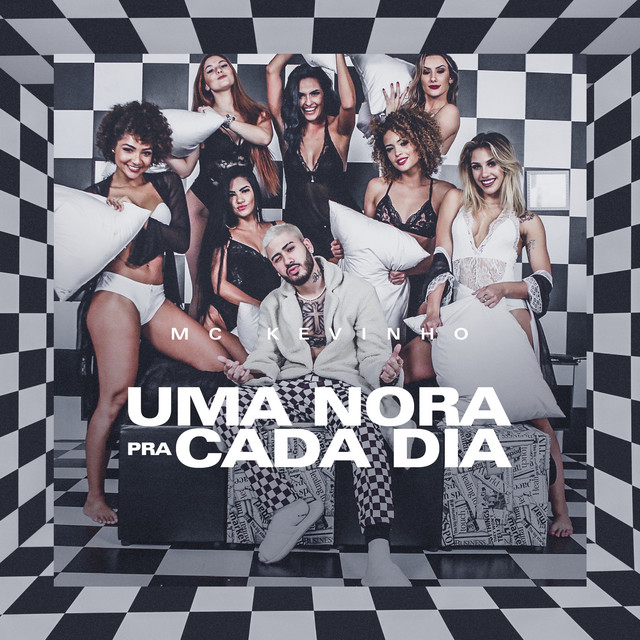
Uma nora pra cada dia
MC Kevinho
Funk Ostentação
Funk Pop
Funk Carioca
2018
3
/5
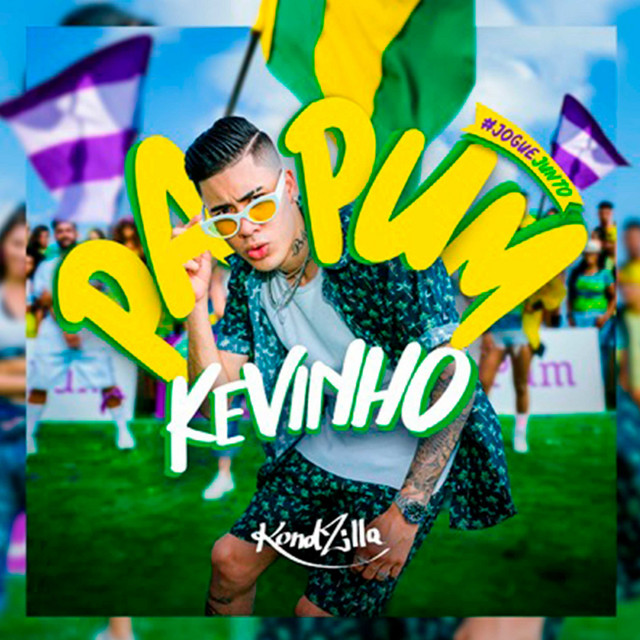
Papum
MC Kevinho
Funk Ostentação
Funk Pop
2017
3
/5
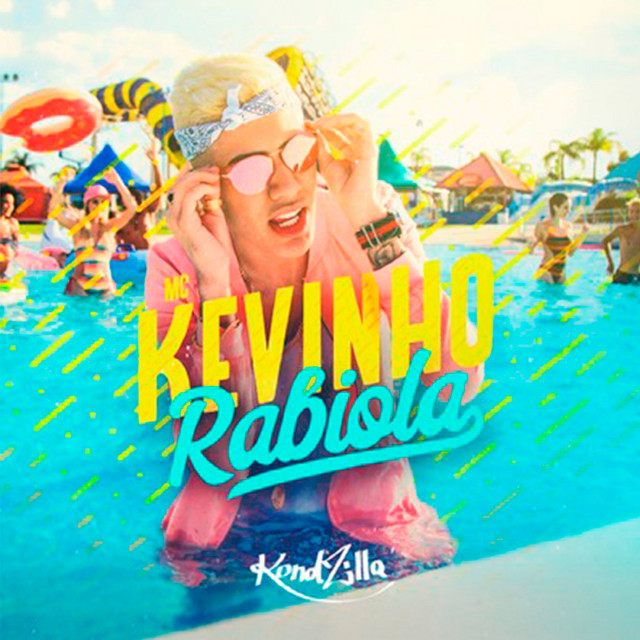
Rabiola
MC Kevinho
Funk Ostentação
Funk Pop
2017
3
/5
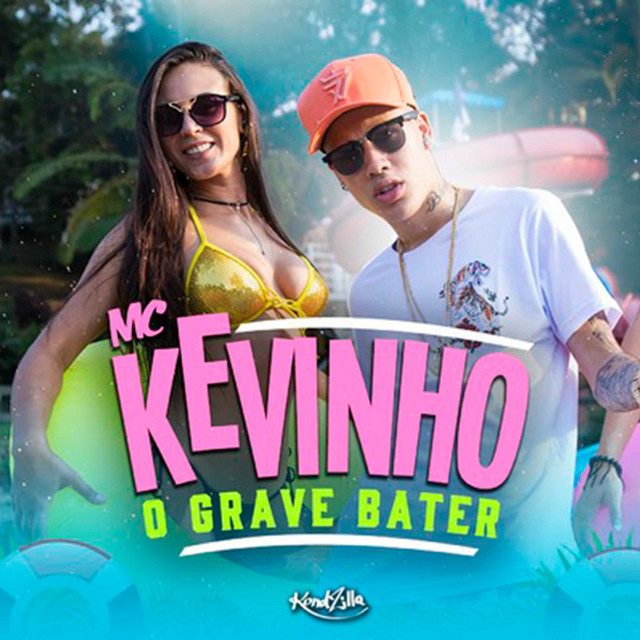
O Grave Bater
MC Kevinho
Funk Ostentação
Funk Pop
Funk
2017
3
/5
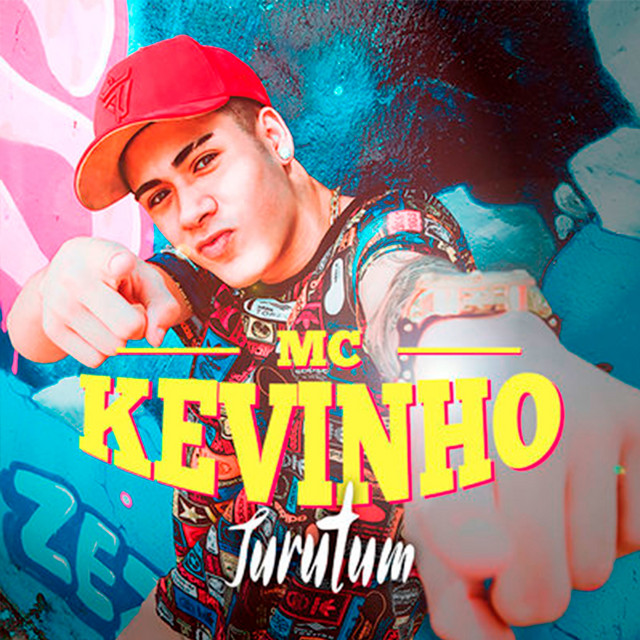
Turutum
MC Kevinho
Funk Ostentação
Funk Pop
2016
4
/5
Olha a Explosão
MC Kevinho
Funk Ostentação
Funk Pop
Funk Brasileiro
2016
2
/5
Olha A Explosão
MC Kevinho
Funk Carioca
Funk Ostentação
Funk Pop
Similar artists
5
/5
Anitta
Funk Pop
Brazilian Pop
Pop
4
/5
Luísa Sonza
Funk Pop
Brazilian Pop
Funk
4
/5
LUDMILLA
Funk Pop
Brazilian Pop
Pagode
4
/5
MC G15
Funk
Funk Mtg
Funk Ostentação
4
/5
PEDRO SAMPAIO
Brazilian Pop
Brega Funk
Funk Pop
4
/5
Mc Livinho
Funk Rj
Funk Paulista
Funk
4
/5
MC Lan
Funk Ostentação
Analog Horror
Brazilian Trap
3
/5
MC Fioti
Funk Ostentação
Funk Paulista
Brazilian Trap
4
/5
MC WM
Funk Ostentação
Brega Funk
Analog Horror
3
/5
MC's Jhowzinho & Kadinho
Brega Funk
Funk Brasileiro
Funk Ostentação
Download our mobile app
Get the Melodigging app and start digging for new genres on the go
Download on the App Store
Get it on Google Play
© 2026 Melodigging
Give feedback
Legal
Melodding was created as a tribute to
Every Noise at Once
, which inspired us to help curious minds keep digging into music's ever-evolving genres.