Genres
Artists
Albums
Make Music
Sign in
Sign in
Artists
Medieval
Artists
Medieval
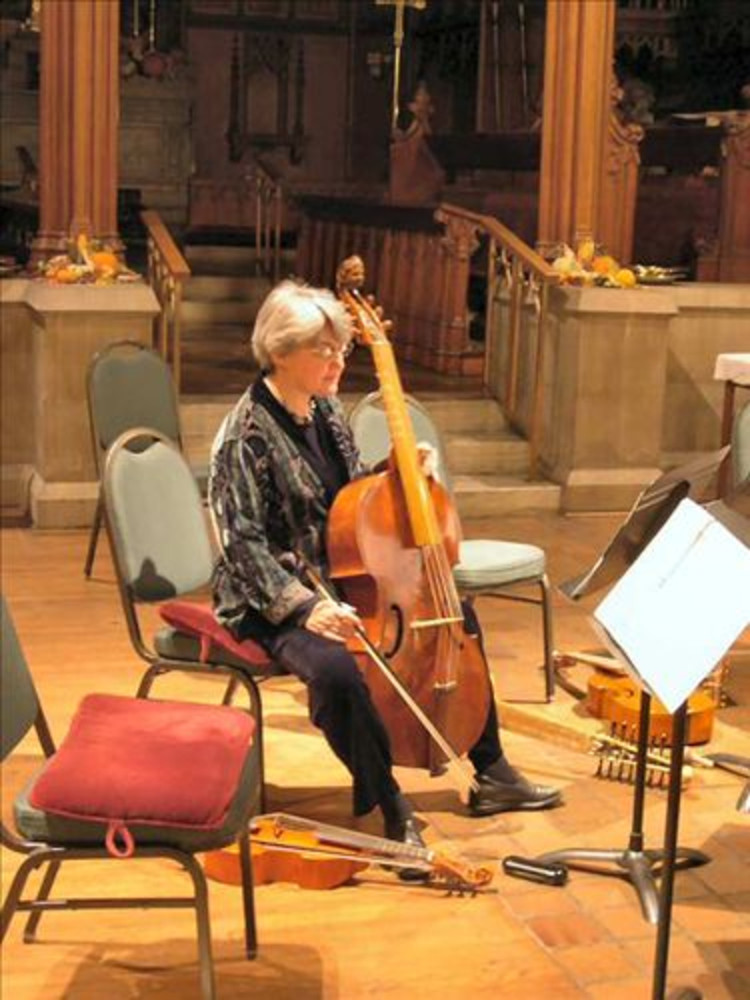
Mary Springfels
1993–1995
·
2 albums
Listen
1
/5
Genres
American Early Music
American early music is the U.S. branch of the post‑war early‑music revival devoted to the historically informed performance of Medieval, Renaissance, and Baroque repertoires (roughly c. 1100–1750). It centers on period instruments, historically appropriate tunings and temperaments, small ensemble forces, and style‑specific articulation, ornamentation, and rhetoric. Although the repertory largely originates in Europe, American early music also embraces colonial and mission‑era sources from North and Latin America, and it is shaped by U.S. institutions, festivals, ensembles, university programs, and instrument builders that took root from the mid‑20th century onward.
Discover
Listen
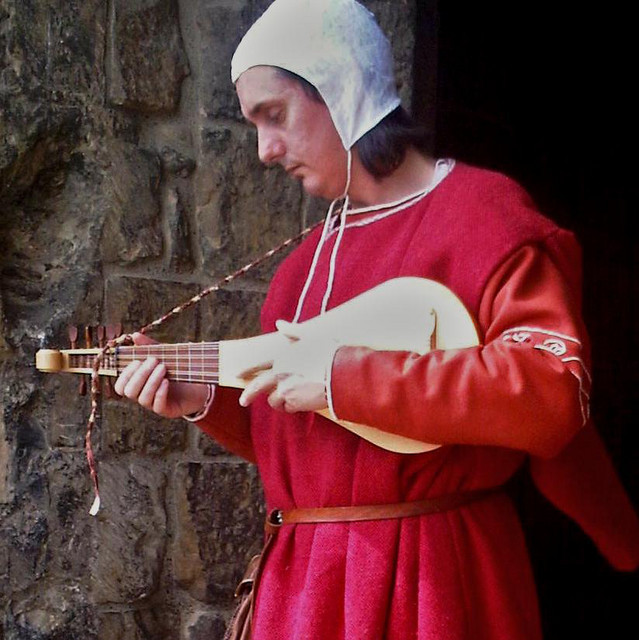
Minnesang
Minnesang is the German tradition of courtly lyric and song that flourished during the Middle High German period. Its name derives from “minne” (love), reflecting its central focus on idealized courtly love (hohe Minne), alongside nature imagery, crusade songs, and occasional political pieces. Musically it consists mainly of monophonic, strophic songs (Minnelieder) in bar form (AAB: two Stollen followed by an Abgesang). Texts are in Middle High German, crafted with refined rhyme and meter. Performance was typically by poet‑singers (Minnesänger) who either sang unaccompanied or with discreet accompaniment on medieval instruments such as harp, vielle (fiddle), or lute. While closely comparable to the Occitan troubadours and Old French trouvères, Minnesang is regarded as an original German contribution to courtly lyric.
Discover
Listen
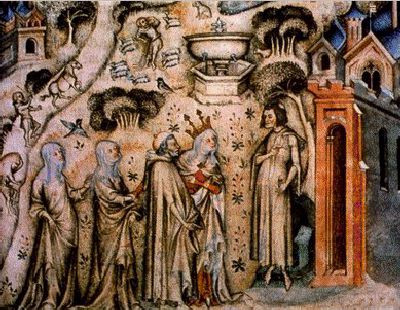
Medieval
Medieval music refers to the diverse sacred and secular musical practices of Europe between the fall of the Western Roman Empire and the dawn of the Renaissance. It spans more than eight centuries, from early monophonic chant to the first notated polyphony. Core features include the use of church modes rather than major/minor, extensive reliance on vocal music (Latin sacred chant as well as vernacular song), and the progressive development from unmeasured chant to rhythmic modal notation and, later, mensural notation. Texture evolves from monophony (plainchant, troubadour songs) to organum, conductus, and the motet, culminating in complex isorhythmic works by the late 13th–14th centuries. Secular traditions—troubadours and trouvères in France, Minnesänger in German lands, and the Iberian Cantigas—coexisted with and influenced sacred practice. Instruments such as the vielle, harp, psaltery, recorder, shawm, hurdy-gurdy, and portative organ often doubled or accompanied voices, though much music remained purely vocal.
Discover
Listen
Albums
1995
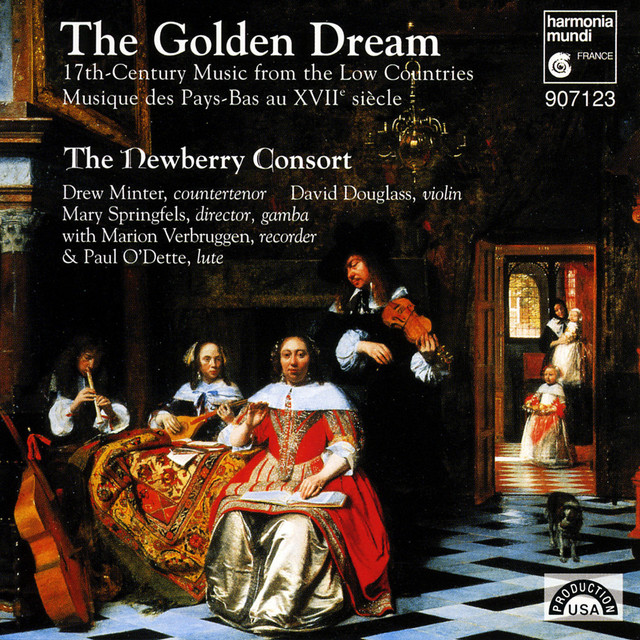
The Golden Dream (17th Century Music from the Low Countries)
The Newberry Consort, Marion Verbruggen, Mary Springfels, Paul O'Dette
American Early Music
1993
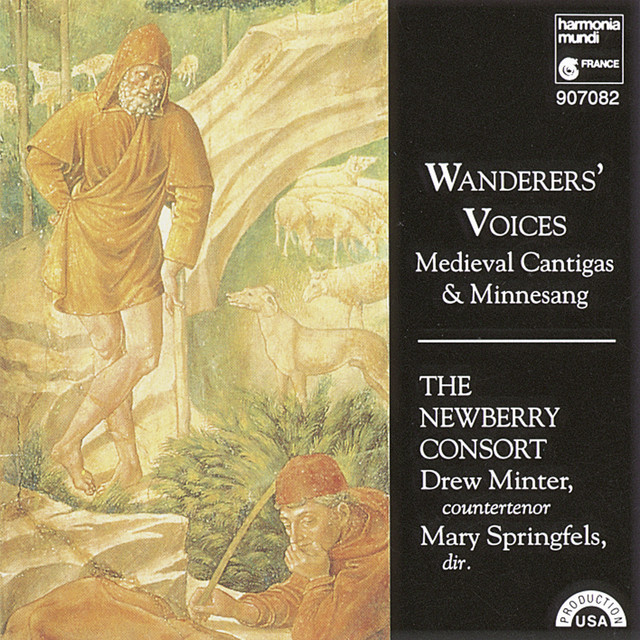
Wanderers' Voices: Medieval Cantigas & Minnesang
The Newberry Consort, Mary Springfels, Drew Minter
Minnesang
Similar artists
1
/5
Folger Consort
Medieval
Traditional Folk
American Early Music
1
/5
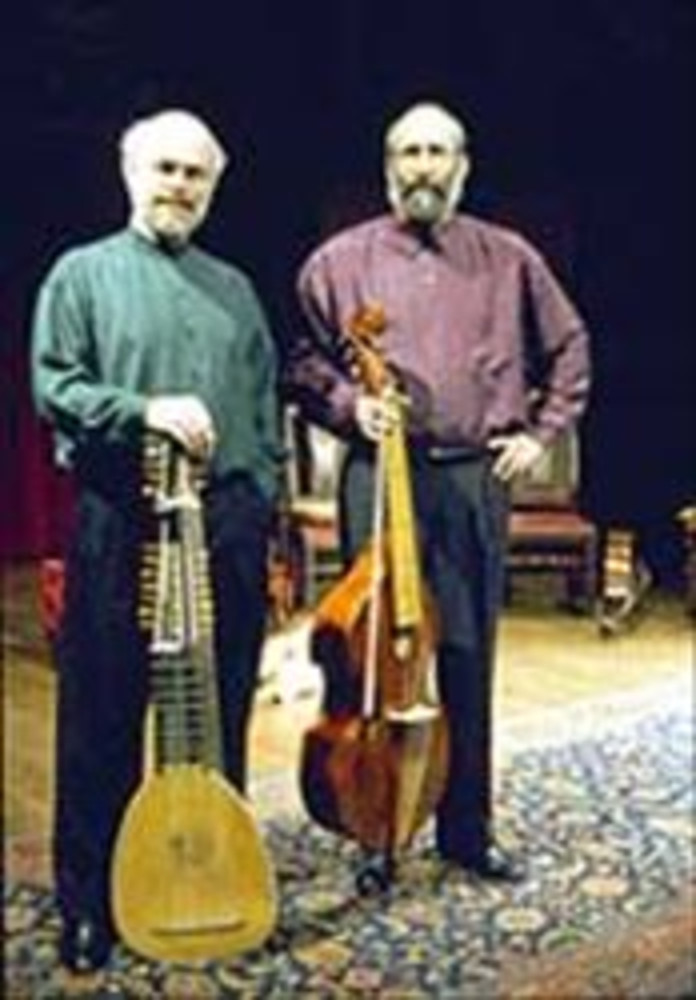
The Newberry Consort
Medieval
American Early Music
Minnesang
4
/5
Anonymous
Ars Antiqua
Gregorian Chant
Medieval
3
/5
John Dowland
Renaissance
Elizabethan Song
Early Music
3
/5
Anonymous 4
Gregorian Chant
Medieval Classical Music
Ars Antiqua
2
/5
Paul O'Dette
American Early Music
Medieval
Baroque Singing
2
/5
Guillaume de Machaut
Ars Nova
Classical
Medieval
2
/5
Baltimore Consort
Celtic
Early Music
Medieval
2
/5
Andrew Lawrence-King
Baroque
Celtic
Early Music
2
/5
Trouvere Medieval Minstrels
Celtic
Medieval
Medieval Ensemble
Download our mobile app
Get the Melodigging app and start digging for new genres on the go
Download on the App Store
Get it on Google Play
© 2026 Melodigging
Give feedback
Legal
Melodding was created as a tribute to
Every Noise at Once
, which inspired us to help curious minds keep digging into music's ever-evolving genres.