Genres
Artists
Albums
Make Music
Sign in
Sign in
Artists
Medieval
Artists
Medieval
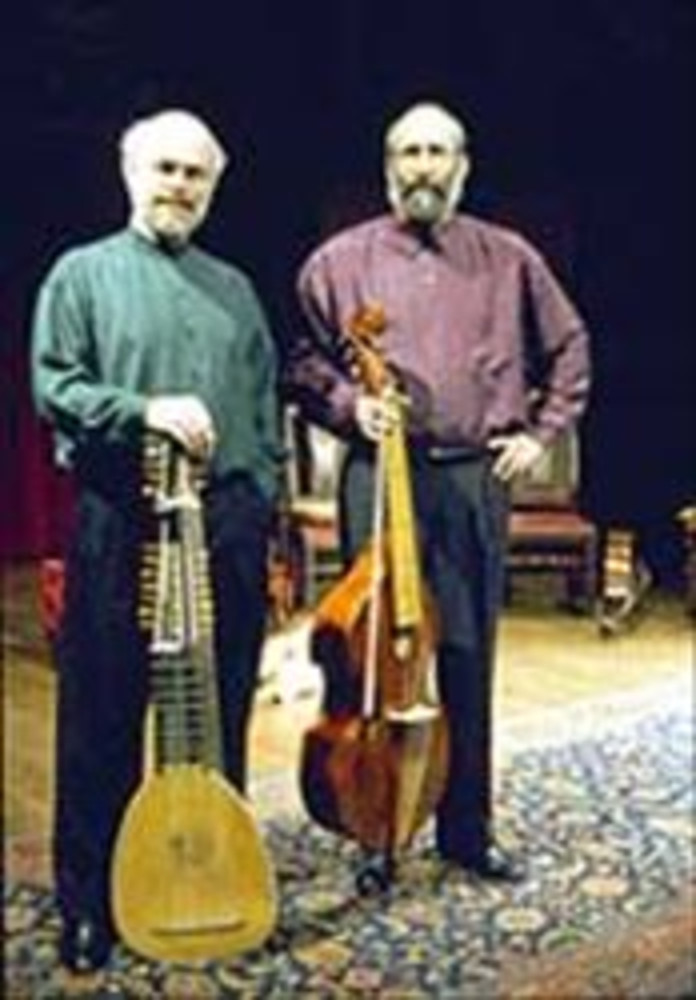
Folger Consort
1990–1997
·
3 albums
Listen
1
/5
Genres
American Early Music
American early music is the U.S. branch of the post‑war early‑music revival devoted to the historically informed performance of Medieval, Renaissance, and Baroque repertoires (roughly c. 1100–1750). It centers on period instruments, historically appropriate tunings and temperaments, small ensemble forces, and style‑specific articulation, ornamentation, and rhetoric. Although the repertory largely originates in Europe, American early music also embraces colonial and mission‑era sources from North and Latin America, and it is shaped by U.S. institutions, festivals, ensembles, university programs, and instrument builders that took root from the mid‑20th century onward.
Discover
Listen
Early Music Ensemble
An early music ensemble is a specialized vocal, instrumental, or mixed group devoted to the historically informed performance of Medieval, Renaissance, and Baroque repertoires (roughly before 1750). These ensembles typically use period instruments (or accurate reconstructions), historical tunings and temperaments, and performance practices derived from primary sources and treatises. Their goal is not a museum-like re‑creation but a living, stylistically grounded interpretation that clarifies texture, rhythm, rhetoric, and the soundworlds of earlier eras. Line‑ups range from small consorts (e.g., viols, recorders, lutes) to chamber orchestras with continuo groups, and from one‑to‑a‑part vocal consorts to medium‑sized choirs for larger polyphonic or Baroque works.
Discover
Listen
Traditional Folk
Traditional folk is a broad umbrella for orally transmitted songs and dance tunes that circulated in rural and working-class communities before the age of mass recording. Repertoires include narrative ballads, laments, love songs, work songs, lullabies, and instrumental dance sets such as reels, jigs, hornpipes, and marches. Stylistically, traditional folk favors strophic forms, pentatonic or modal melodies (often Dorian and Mixolydian), limited harmonic movement, and strong, memorable tunes designed for communal singing and dancing. Performances range from unaccompanied solo voice to small ensembles built around fiddle, flute/whistle, pipes, concertina/accordion, guitar, banjo, and frame drum. Ornamentation, variation by verse, and flexible tempo are integral, reflecting an oral tradition where songs live through continual reinterpretation. Although it is pan‑regional, the modern idea of “traditional folk” coalesced in the 19th century through collectors and revivalists who documented vernacular music and framed it as cultural heritage.
Discover
Listen
Trouvere
Trouvère is the monophonic courtly song tradition of northern France in the High Middle Ages. Written in Old French (langue d’oïl), its repertory centers on refined lyrical poetry about love, chivalry, crusade, debate, and pastoral scenes. Songs are primarily strophic and syllabic, designed so that the natural accents of the text shape the melodic line. While notated as single vocal lines, performance often featured a solo singer with optional accompaniment—vielle (fiddle), harp, psaltery, or flute—adding drones, simple borduns, or heterophonic doubling. Trouvère practice codified genres such as the chanson courtoise (courtly love song), pastourelle, chanson de croisade, jeu-parti (debate song), and serventois. Its melodic style draws on medieval modal practice and poetic meter rather than strict measured rhythm, though later pieces show awareness of rhythmic modes.
Discover
Listen
Minnesang
Minnesang is the German tradition of courtly lyric and song that flourished during the Middle High German period. Its name derives from “minne” (love), reflecting its central focus on idealized courtly love (hohe Minne), alongside nature imagery, crusade songs, and occasional political pieces. Musically it consists mainly of monophonic, strophic songs (Minnelieder) in bar form (AAB: two Stollen followed by an Abgesang). Texts are in Middle High German, crafted with refined rhyme and meter. Performance was typically by poet‑singers (Minnesänger) who either sang unaccompanied or with discreet accompaniment on medieval instruments such as harp, vielle (fiddle), or lute. While closely comparable to the Occitan troubadours and Old French trouvères, Minnesang is regarded as an original German contribution to courtly lyric.
Discover
Listen
Medieval
Medieval music refers to the diverse sacred and secular musical practices of Europe between the fall of the Western Roman Empire and the dawn of the Renaissance. It spans more than eight centuries, from early monophonic chant to the first notated polyphony. Core features include the use of church modes rather than major/minor, extensive reliance on vocal music (Latin sacred chant as well as vernacular song), and the progressive development from unmeasured chant to rhythmic modal notation and, later, mensural notation. Texture evolves from monophony (plainchant, troubadour songs) to organum, conductus, and the motet, culminating in complex isorhythmic works by the late 13th–14th centuries. Secular traditions—troubadours and trouvères in France, Minnesänger in German lands, and the Iberian Cantigas—coexisted with and influenced sacred practice. Instruments such as the vielle, harp, psaltery, recorder, shawm, hurdy-gurdy, and portative organ often doubled or accompanied voices, though much music remained purely vocal.
Discover
Listen
Albums
1997
Alpine Airs: Music of Switzerland, 13th-16th Centuries
Folger Consort
Minnesang
1995
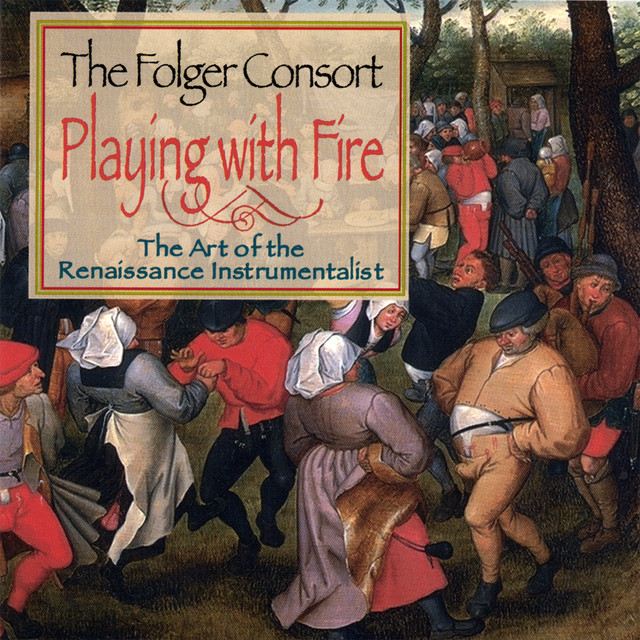
Playing with Fire: The Art of the Renaissance Instrumentalist
Folger Consort
American Early Music
Early Music Ensemble
1990
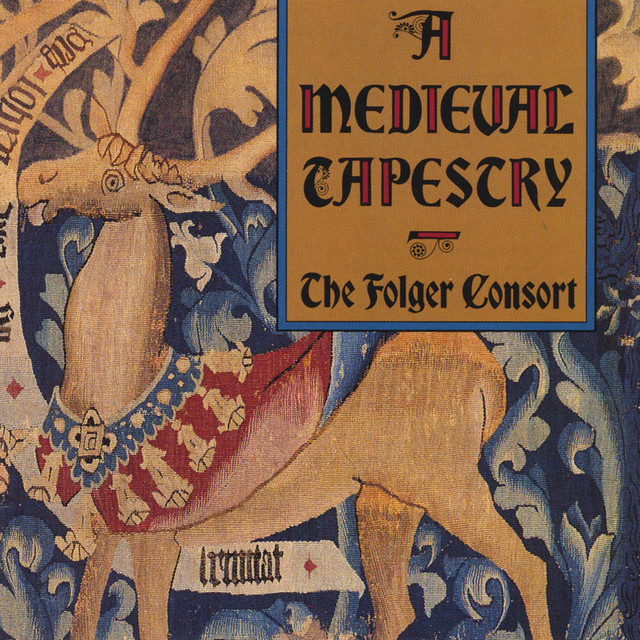
A Medieval Tapestry: Instrumental and Vocal Music from the 12th through 14th Centuries
Folger Consort
Trouvere
Similar artists
2
/5
Garmarna
Folk
Electronic
Nordic Folk Rock
2
/5
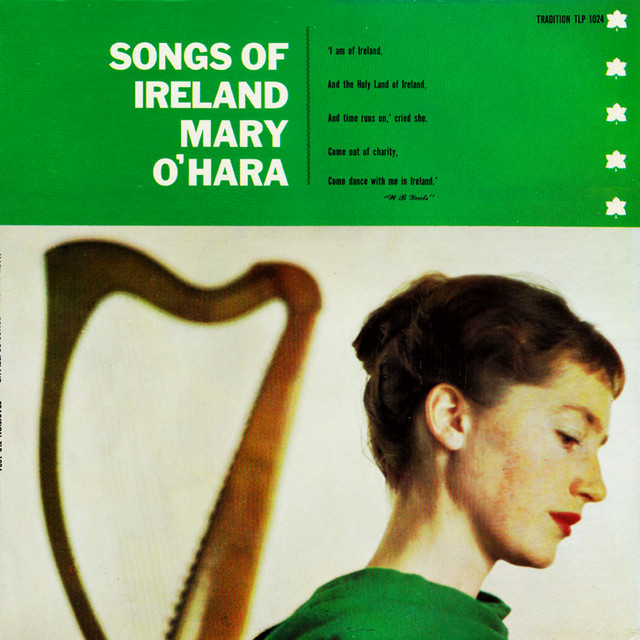
Mary O'Hara
Celtic
Medieval
Traditional Folk
2
/5
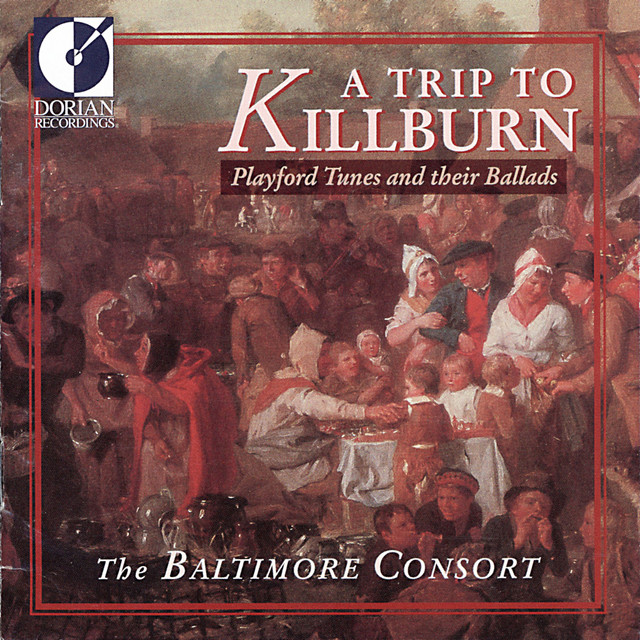
Baltimore Consort
Celtic
Medieval
Traditional Folk
2
/5
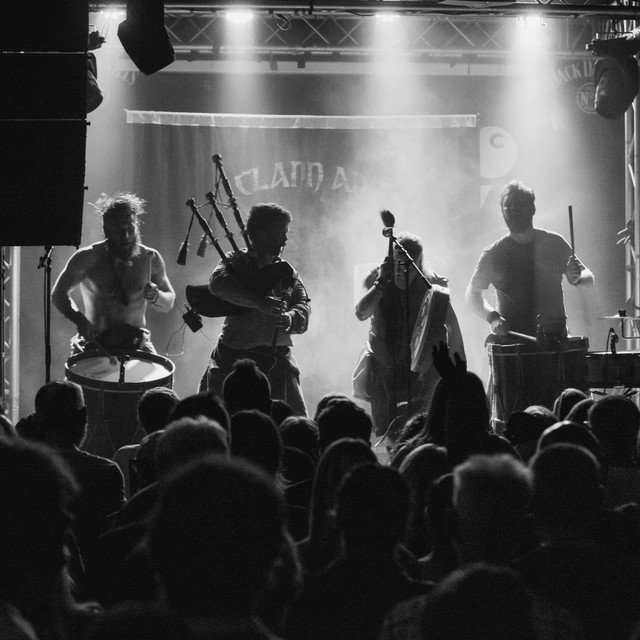
Clann An Drumma
Celtic
Celtic Rock
Medieval
2
/5
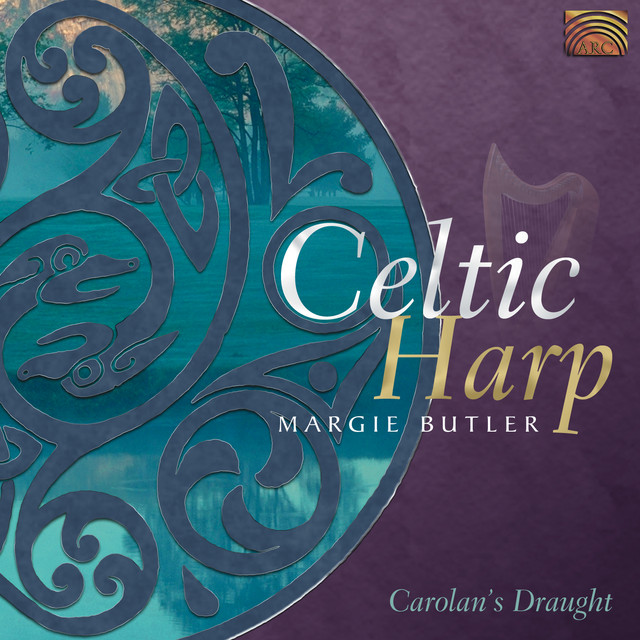
Margie Butler
Celtic
Medieval
Traditional Folk
2
/5
Hedningarna
Folk
Nordic Folk Music
Electronic
2
/5
Golden Bough
Celtic
Medieval
Traditional Folk
2
/5
Maggie Sansone
Celtic
Medieval
Traditional Folk
2
/5
Eduardo Paniagua
Medieval
Classical
Medieval Lyric Poetry
2
/5
Ugniavijas
Lithuanian Folk Music
Baltic Folk Music
Folk
Download our mobile app
Get the Melodigging app and start digging for new genres on the go
Download on the App Store
Get it on Google Play
© 2026 Melodigging
Give feedback
Legal
Melodding was created as a tribute to
Every Noise at Once
, which inspired us to help curious minds keep digging into music's ever-evolving genres.