Genres
Artists
Albums
Make Music
Sign in
Sign in
Artists
Lithuanian Folk Music
Artists
Lithuanian Folk Music
Ugniavijas
2016–2023
·
4 albums
Listen
2
/5
Genres
Folk Metal
Folk metal blends the power and riff-driven intensity of heavy metal with melodies, instruments, scales, and storytelling traditions from regional folk music. Typical arrangements combine distorted guitars, bass, and drums with fiddles, flutes, whistles, bagpipes, accordions, hurdy-gurdies, bouzoukis, and other traditional instruments. Bands often draw on myth, history, and local folklore for lyrical themes, ranging from epic sagas and battle hymns to drinking songs and pastoral ballads. The style spans a spectrum from aggressive and blackened approaches to upbeat, danceable, and festive moods, making it one of metal’s most diverse and regionally distinctive subgenres.
Discover
Listen
Folk
Folk is a song-centered acoustic tradition rooted in community storytelling, everyday life, and social history. It emphasizes clear melodies, simple harmonies, and lyrics that foreground narrative, protest, and personal testimony. As a modern recorded genre, folk coalesced in the early-to-mid 20th century in the United States out of older ballad, work song, and rural dance traditions. It typically features acoustic instruments (guitar, banjo, fiddle, mandolin, harmonica), strophic song forms, and participatory singing (choruses, call-and-response).
Discover
Listen
Lithuanian Folk Music
Lithuanian folk music is the traditional music of Lithuania, marked by ancient multipart singing (sutartinės), modal melodies, and a close connection to the agrarian ritual calendar. It features both monophonic and polyphonic practices, distinctive secondal harmonies and canonic entrances in sutartinės, and a rich palette of instruments such as the kanklės (Baltic zither), birbynė (reed pipe), lamzdelis (flute), daudytė (wooden trumpet), ragai (horns), skrabalai (wooden bells), dambrelis (jaw harp), and later additions like fiddle and accordion. Lyrics commonly reference nature, family, work, and life-cycle rites, and are strongly tied to regional styles (Aukštaitija, Žemaitija/Samogitia, Dzūkija, Suvalkija).
Discover
Listen
Baltic Folk Music
Baltic folk music refers to the traditional and revivalist musics of the Baltic region, primarily Lithuania and Latvia (Baltic language cultures), and often extending to Estonia (a Finnic culture within the Baltic states). It encompasses ancient vocal traditions, ritual song repertoires tied to the calendar year, and a wide variety of dance tunes that absorbed Central and Northern European influences in the 19th century. Characteristic elements include narrow-range, modal melodies; drones and heterophony; strophic poetic forms with dense alliteration; and multipart singing traditions such as Lithuanian sutartinės and Estonian regilaul (runo songs). Iconic instruments are the regional box zithers (kanklės in Lithuania, kokle in Latvia, kannel in Estonia), as well as birbynė (reed), skudučiai (panpipes), torupill (Estonian bagpipe), fiddle, and accordion. The genre also thrives in powerful choral traditions and large-scale Song and Dance Festivals that underscore communal identity and continuity.
Discover
Listen
Traditional Folk
Traditional folk is a broad umbrella for orally transmitted songs and dance tunes that circulated in rural and working-class communities before the age of mass recording. Repertoires include narrative ballads, laments, love songs, work songs, lullabies, and instrumental dance sets such as reels, jigs, hornpipes, and marches. Stylistically, traditional folk favors strophic forms, pentatonic or modal melodies (often Dorian and Mixolydian), limited harmonic movement, and strong, memorable tunes designed for communal singing and dancing. Performances range from unaccompanied solo voice to small ensembles built around fiddle, flute/whistle, pipes, concertina/accordion, guitar, banjo, and frame drum. Ornamentation, variation by verse, and flexible tempo are integral, reflecting an oral tradition where songs live through continual reinterpretation. Although it is pan‑regional, the modern idea of “traditional folk” coalesced in the 19th century through collectors and revivalists who documented vernacular music and framed it as cultural heritage.
Discover
Listen
Medieval
Medieval music refers to the diverse sacred and secular musical practices of Europe between the fall of the Western Roman Empire and the dawn of the Renaissance. It spans more than eight centuries, from early monophonic chant to the first notated polyphony. Core features include the use of church modes rather than major/minor, extensive reliance on vocal music (Latin sacred chant as well as vernacular song), and the progressive development from unmeasured chant to rhythmic modal notation and, later, mensural notation. Texture evolves from monophony (plainchant, troubadour songs) to organum, conductus, and the motet, culminating in complex isorhythmic works by the late 13th–14th centuries. Secular traditions—troubadours and trouvères in France, Minnesänger in German lands, and the Iberian Cantigas—coexisted with and influenced sacred practice. Instruments such as the vielle, harp, psaltery, recorder, shawm, hurdy-gurdy, and portative organ often doubled or accompanied voices, though much music remained purely vocal.
Discover
Listen
Albums
2023
2
/5
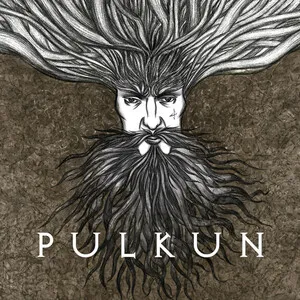
Pulkun
Ugniavijas
Lithuanian Folk Music
2018
2
/5
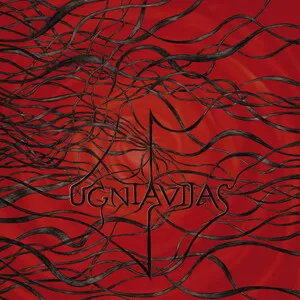
Ugniavijas
Ugniavijas
Lithuanian Folk Music
2016
2
/5
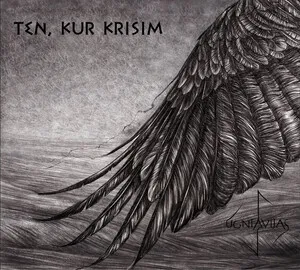
Ten, kur krisim
Ugniavijas
Lithuanian Folk Music
Baltic Folk Music
2016
2
/5
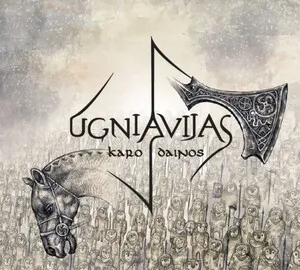
Karo Dainos
Ugniavijas
Lithuanian Folk Music
Baltic Folk Music
Similar artists
2
/5
Garmarna
Folk
Nordic Folk Rock
Nordic Music
1
/5
Eliwagar
Ambient Folk
Celtic
Folk
3
/5
Wardruna
Neofolk
Rune Folk
Viking Folk
3
/5
Eluveitie
Celtic Metal
Folk Metal
Melodic Death Metal
3
/5
Heilung
Dark Folk
Rune Folk
Neofolk
3
/5
Faun
Medieval Rock
Folk
Neofolk
3
/5
Versengold
Medieval Rock
Folk
Folk Rock
3
/5
Schandmaul
Medieval Rock
Mittelalter-Rock
Folk Rock
3
/5
Corvus Corax
Celtic
Folk
Folk Metal
3
/5
Fiddler's Green
Celtic
Celtic Punk
Celtic Rock
Download our mobile app
Get the Melodigging app and start digging for new genres on the go
Download on the App Store
Get it on Google Play
© 2026 Melodigging
Give feedback
Legal
Melodding was created as a tribute to
Every Noise at Once
, which inspired us to help curious minds keep digging into music's ever-evolving genres.