Genres
Artists
Albums
Make Music
Sign in
Sign in
Artists
Medieval Rock
Artists
Medieval Rock
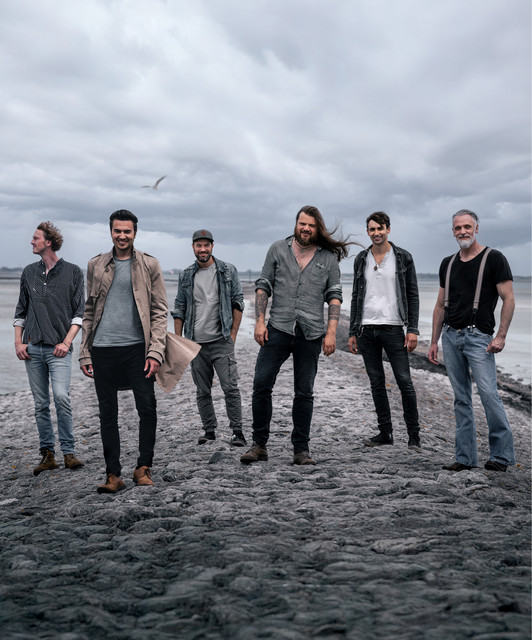
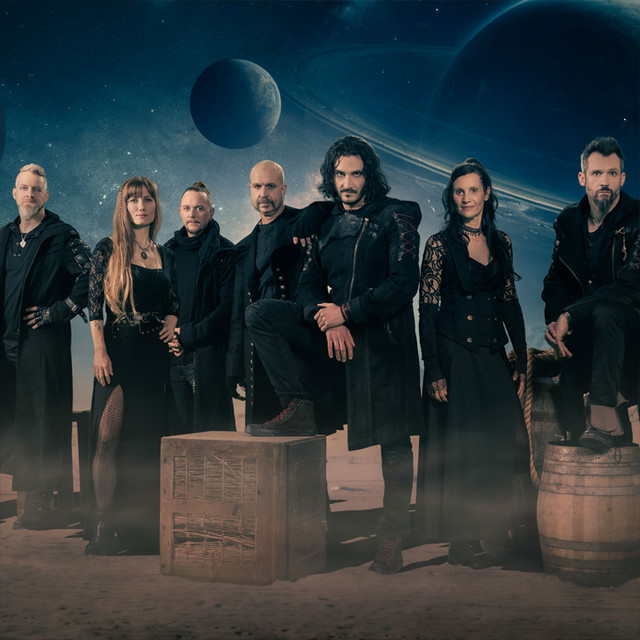
Versengold
2019–2026
·
5 albums
Listen
3
/5
Genres
Medieval Rock
Medieval rock is a fusion of contemporary rock with melodies, modes, instruments, and themes drawn from European medieval and early Renaissance music. It typically combines a rock rhythm section (drums, electric bass, guitars) with historical instruments such as bagpipes, hurdy-gurdy, shawms, citterns, recorders, harp, and lute. Musical materials often use modal scales (especially Dorian, Aeolian, and Mixolydian), drones, bordun-style accompaniments, and dance rhythms reminiscent of estampies, saltarellos, and bourrées. The lyrics and imagery frequently reference chivalric tales, minstrelsy, courtly love, folklore, and Middle High German or other archaic languages. In performance, many bands adopt a festive, theatrical medieval pageant aesthetic while delivering high-energy rock arrangements.
Discover
Listen
Medieval Metal
Medieval metal is a subgenre of folk metal that fuses the power and riff-driven weight of heavy metal with melodies, modes, and instruments associated with medieval and early modern European music. Centered largely in Germany—where it is known as Mittelalter-Metal or Mittelalter-Rock—the style features prominent use of hurdy-gurdy, bagpipes (Dudelsack), shawms/bombards, recorders, cittern/lute, nyckelharpa, and frame drums alongside distorted electric guitars, bass, and modern drum kits. Songs often draw on medieval dance rhythms (saltarello- or estampie-like pulses), modal melodies (Dorian, Aeolian, Mixolydian), and lyrics referencing legends, minstrelsy, battles, folk tales, and historical themes. Pioneered in the mid-to-late 1990s by bands such as Subway to Sally, In Extremo, and Schandmaul, the genre grew out of Germany’s Neo-Medieval movement and quickly established a vibrant live culture at medieval markets and major festivals.
Discover
Listen
Folk Metal
Folk metal blends the power and riff-driven intensity of heavy metal with melodies, instruments, scales, and storytelling traditions from regional folk music. Typical arrangements combine distorted guitars, bass, and drums with fiddles, flutes, whistles, bagpipes, accordions, hurdy-gurdies, bouzoukis, and other traditional instruments. Bands often draw on myth, history, and local folklore for lyrical themes, ranging from epic sagas and battle hymns to drinking songs and pastoral ballads. The style spans a spectrum from aggressive and blackened approaches to upbeat, danceable, and festive moods, making it one of metal’s most diverse and regionally distinctive subgenres.
Discover
Listen
Mittelalter-Rock
Mittelalter-Rock ("medieval rock") is a German style that fuses contemporary rock with melodies, modes, instruments, and imagery associated with the European Middle Ages. Bands blend electric guitars, bass, and drum kit with hurdy-gurdy (Drehleier), bagpipes (Dudelsack), shawm (Schalmei), lute, and nyckelharpa, often performing in historical costumes and using archaic texts. Musically, it favors modal melodies (Dorian, Aeolian, Mixolydian), danceable rock rhythms, and sing-along choruses. Lyrics are usually in German and frequently reference minstrels, legends, feasting, and chivalric or folk subject matter; occasional verses appear in Latin or Middle High German. The result is a festive, theatrical sound that sits between folk rock and gothic-tinged rock, with an unmistakably medieval color.
Discover
Listen
Folk Rock
Folk rock is a fusion genre that blends the narrative lyricism, modal melodies, and acoustic timbres of traditional folk with the backbeat, amplification, and song structures of rock. It typically pairs acoustic or traditional instruments (acoustic guitar, mandolin, fiddle) with a rock rhythm section (electric guitar, bass, drums), often featuring chiming 12‑string guitar textures, close vocal harmonies, and socially conscious or storytelling lyrics. The result ranges from intimate, reflective ballads with a steady backbeat to more anthemic, roots‑driven rock. Emerging in the mid‑1960s through artists such as Bob Dylan and The Byrds, folk rock became a gateway for traditional and roots materials to enter mainstream popular music, and it seeded later movements from country rock and Americana to jangle pop and modern indie folk.
Discover
Listen
Rock
Rock is a broad family of popular music centered on amplified instruments, a strong backbeat, and song forms that foreground riffs, choruses, and anthemic hooks. Emerging from mid‑20th‑century American styles like rhythm & blues, country, and gospel-inflected rock and roll, rock quickly expanded in scope—absorbing folk, blues, and psychedelic ideas—while shaping global youth culture. Core sonic markers include electric guitar (often overdriven), electric bass, drum kit emphasizing beats 2 and 4, and emotive lead vocals. Rock songs commonly use verse–chorus structures, blues-derived harmony, and memorable melodic motifs, ranging from intimate ballads to high‑energy, stadium‑sized performances.
Discover
Listen
Pop
Pop is a broad, hook-driven style of popular music designed for wide appeal. It emphasizes memorable melodies, concise song structures, polished vocals, and production intended for radio, charts, and mass media. While pop continually absorbs elements from other styles, its core remains singable choruses, accessible harmonies, and rhythmic clarity. Typical forms include verse–pre-chorus–chorus, frequent use of bridges and middle-eights, and ear-catching intros and outros. Pop is not defined by a single instrumentation. It flexibly incorporates acoustic and electric instruments, drum machines, synthesizers, and increasingly digital production techniques, always in service of the song and the hook.
Discover
Listen
Folk
Folk is a song-centered acoustic tradition rooted in community storytelling, everyday life, and social history. It emphasizes clear melodies, simple harmonies, and lyrics that foreground narrative, protest, and personal testimony. As a modern recorded genre, folk coalesced in the early-to-mid 20th century in the United States out of older ballad, work song, and rural dance traditions. It typically features acoustic instruments (guitar, banjo, fiddle, mandolin, harmonica), strophic song forms, and participatory singing (choruses, call-and-response).
Discover
Listen
Sea Shanty
Sea shanty is a maritime work song that developed aboard sailing ships to coordinate group labor. It uses a strong, steady pulse and a call-and-response structure in which a lead singer (the shantyman) calls the verse and the crew responds in chorus to time their pulls, pushes, or turns together. Historically unaccompanied and sung in unison, shanties are tailored to specific tasks: short-drag (brief, forceful pulls), halyard/long-drag (heavier, fewer pulls per line), capstan/windlass (continuous, walking rhythm), and pumping shanties (repetitive, machine-like pulse). Lyrics mix practical timing cues with humor, bravado, longing, and port lore, and often use nonsense vocables (“way, hey,” “haul away”) to accent the work strokes. While closely related to broader “sea songs” and forebitters (off-duty songs), shanties are distinct in purpose: they are functional music designed to synchronize labor. The style flourished in the 19th century among English-speaking merchant navies, absorbing influences from British and Irish folk traditions and African-American and Afro-Caribbean work-song practices.
Discover
Listen
Medieval
Medieval music refers to the diverse sacred and secular musical practices of Europe between the fall of the Western Roman Empire and the dawn of the Renaissance. It spans more than eight centuries, from early monophonic chant to the first notated polyphony. Core features include the use of church modes rather than major/minor, extensive reliance on vocal music (Latin sacred chant as well as vernacular song), and the progressive development from unmeasured chant to rhythmic modal notation and, later, mensural notation. Texture evolves from monophony (plainchant, troubadour songs) to organum, conductus, and the motet, culminating in complex isorhythmic works by the late 13th–14th centuries. Secular traditions—troubadours and trouvères in France, Minnesänger in German lands, and the Iberian Cantigas—coexisted with and influenced sacred practice. Instruments such as the vielle, harp, psaltery, recorder, shawm, hurdy-gurdy, and portative organ often doubled or accompanied voices, though much music remained purely vocal.
Discover
Listen
Show all 10 genres
Albums
2026
3
/5
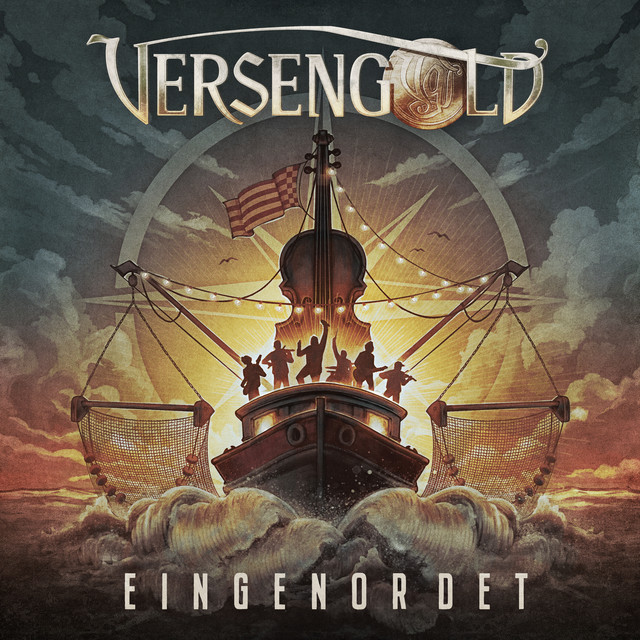
Eingenordet
Versengold
Medieval Rock
Folk
Rock
2025
2
/5
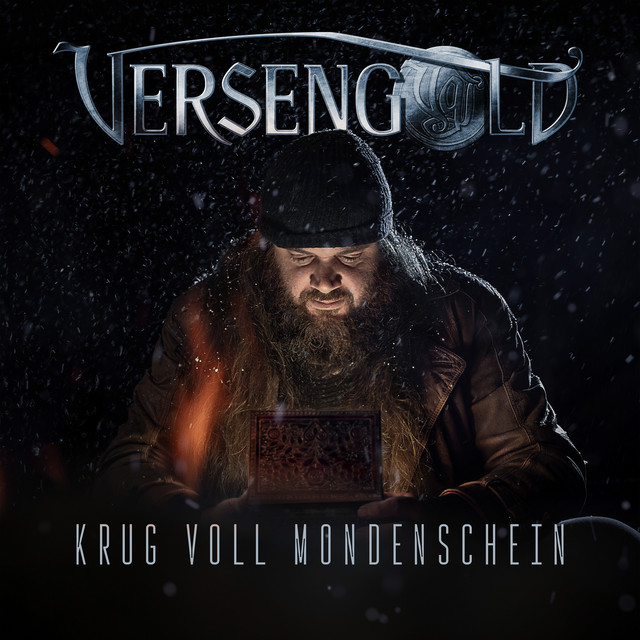
Krug voll Mondenschein
Versengold
Medieval Rock
Medieval Metal
2025
2
/5
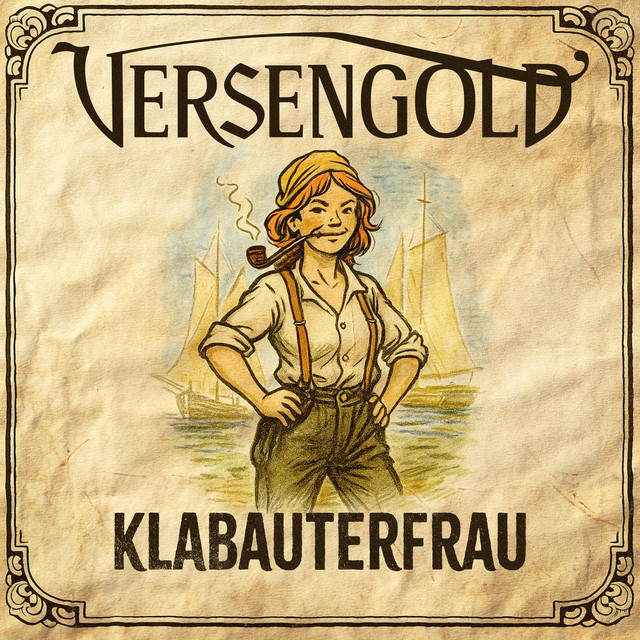
Klabauterfrau
Versengold
Medieval Rock
Medieval Metal
Folk Metal
2022
3
/5
Was kost die Welt
Versengold
Medieval Rock
Mittelalter-Rock
Folk Rock
2019
3
/5
Nordlicht
Versengold
Medieval Rock
Mittelalter-Rock
Folk
Similar artists
3
/5
Schandmaul
Medieval Rock
Mittelalter-Rock
Folk Rock
3
/5
Fiddler's Green
Celtic
Celtic Punk
Celtic Rock
3
/5
Saltatio Mortis
Medieval
Folk Metal
Folk Rock
3
/5
Feuerschwanz
Folk Metal
Medieval Metal
Folk Rock
3
/5
Santiano
Medieval Rock
Medieval Metal
Pirate Metal
3
/5
Faun
Medieval Rock
Folk
Neofolk
3
/5
dArtagnan
Medieval Rock
Celtic Rock
Folk Metal
2
/5
Falkenbach
Folk Metal
Black Metal
Viking Metal
1
/5
Stille Volk
Folk
Occitan Folk Music
Ambient Folk
3
/5
Subway To Sally
Medieval Rock
Mittelalter-Rock
Folk Metal
Download our mobile app
Get the Melodigging app and start digging for new genres on the go
Download on the App Store
Get it on Google Play
© 2026 Melodigging
Give feedback
Legal
Melodding was created as a tribute to
Every Noise at Once
, which inspired us to help curious minds keep digging into music's ever-evolving genres.