Genres
Artists
Albums
Make Music
Sign in
Sign in
Artists
La Pop
Artists
La Pop
Magdalena Bay
2019–2025
·
8 albums
Listen
4
/5
Genres
Zoomergaze
Zoomergaze is a Gen Z, internet-native evolution of shoegaze that fuses the genre’s dense, guitar-washed textures with hyperpop/digicore maximalism and modern trap/emo-rap rhythm programming. It favors blown‑out saturation, brickwalled dynamics, digital clipping, and wide stereo fields, often pairing jet‑engine guitars with 808 subs, jittery hi‑hats, breakbeat flourishes, and intimate, lightly Auto‑Tuned vocals. The mood leans dreamy yet emotionally raw—nostalgic, melancholic, and diaristic—delivered through DIY production that thrives on Bandcamp, SoundCloud, and TikTok discovery. Where classic shoegaze hid the singer in the mix, Zoomergaze keeps the voice present and personal, weaving confessional hooks into shimmering noise and glitchy, internet-era sound design.
Discover
Listen
La Pop
LA pop is a contemporary pop micro-scene centered on Los Angeles, defined by glossy, radio-ready production, hook-heavy toplining, and a tight ecosystem of songwriters, producers, and artist-development teams. It blends mainstream pop with electropop sheen, R&B smoothness, and a light touch of hip‑hop rhythms, all optimized for streaming, radio, and sync. The style emphasizes ultra-melodic choruses, crisp midtempo grooves, bright synths or guitar loops, and highly crafted vocal production (doubles, harmonies, tuned ad‑libs). Lyrically, it favors confessional storytelling about relationships, self‑image, and the LA dream—intimate in tone but cinematic in scale.
Discover
Listen
Dark Pop
Dark pop is a moody, minor‑key strain of pop that blends the hooks and structure of mainstream pop with the shadowy timbres of dark wave, trip hop, and alternative electronic music. It favors intimate, close‑mic vocals, cinematic ambience, and lyrics that explore vulnerability, power, and the unsettling edges of modern life. Production often leans on sub‑bass, sparse trap‑influenced drums, and glossy yet ominous synths, creating a high‑contrast sound that feels both confessional and theatrical. While radio‑friendly in form, dark pop emphasizes tension over euphoria: melodies linger in lower registers, harmonies use modal mixture, and textures deploy reverb, distortion, and sound‑design flourishes to evoke unease and melancholy.
Discover
Listen
Digital Horror
Digital horror is a contemporary horror aesthetic that focuses on dread emerging from networked technologies, software, and always‑on media. Narratives and sound worlds revolve around screens, social platforms, livestreams, malware, deepfakes, and the uncanny presence of algorithmic systems. In music and sound design, the style translates this fear of the digital into glitching textures, corrupted audio artifacts, synthetic drones, and the weaponization of familiar interface sounds (alerts, keyboards, notification pings). It often blends dark ambient, industrial noise, and hauntological sampling to suggest threats that live inside code, clouds, and data centers—consistent with the wider definition that emphasizes anxiety and supernatural menace arising from the Internet and modern media.
Discover
Listen
Experimental Club Music
Experimental club music (often called post-club or deconstructed club) is a hybrid, avant‑garde approach to club production and performance that treats the dancefloor as a laboratory. It uses the grammar of contemporary club forms—heavy sub‑bass, kick patterns, samples, MC or chopped vocals—as raw material to be cut apart, collaged, and reassembled. Instead of four‑to‑the‑floor regularity, it favors asymmetry, abrupt contrasts, negative space, and extreme sound design drawn from noise, industrial, grime, ballroom/vogue, reggaeton, and internet culture. The result ranges from skeletal, percussive workouts to dense, cinematic soundscapes that can be as confrontational as they are cathartic. Just as importantly, the scene has been a site of diasporic, queer, and trans expression, where identity and politics are embedded in sonic choices and performance practice.
Discover
Listen
Experimental Indie
Experimental indie is a broad, exploratory wing of independent rock and pop that prioritizes curiosity over convention. It blends DIY recording practices with off‑kilter song forms, unusual timbres, and a willingness to fold in ideas from avant‑pop, noise, electronic music, and psych. Rather than a fixed sound, it is a method and attitude: use the tools at hand (bedroom rigs, pedals, samplers, tape, software) to push past genre borders, while keeping the immediacy and intimacy of indie. Expect jagged rhythms, warped hooks, collage‑like arrangements, and production choices that foreground texture as much as melody.
Discover
Listen
Windmill Scene
The Windmill scene refers to the cluster of experimental indie, post‑punk, and art‑rock bands that coalesced around The Windmill pub venue in Brixton, South London. Emerging in the late 2010s, the scene is characterized by knotty rhythms, angular guitars, spoken‑sung or declamatory vocals, and frequent use of saxophone, violin, and synths. Bands associated with the scene blend post‑punk urgency with avant‑prog ambition, no wave abrasion, and jazz-informed spontaneity, often favoring raw, live‑in‑the‑room production aesthetics. Lyrically, the scene leans toward sardonic social observation, surreal storytelling, and metropolitan anxiety, while performances emphasize high energy, improvisational turns, and dynamic contrasts.
Discover
Listen
Seapunk
Seapunk is an early-2010s internet-born microgenre and multimedia aesthetic that fuses retro-rave sonics with Y2K-era, ocean-themed visuals. Its sound blends 1990s house and trance riffs, chopped-and-screwed and vaporwave-adjacent sampling, splashy 808/909 drums, and glossy, “watery” synth textures. The visual world is as important as the music: turquoise/teal palettes, 3D chrome dolphins, coral gradients, pixel seas, and GIF-era net art. Together, these define a playful, nostalgic, and cyber-aquatic identity that celebrates both rave euphoria and web-native DIY culture.
Discover
Listen
Fake
“Fake” is an informal, streaming-era genre tag used for sound‑alike covers, karaoke takes, tribute recordings, and generic instrumental remakes that closely mimic current or classic hits. Rather than foregrounding the original songwriter’s concept, these recordings prioritize recognizability, search optimization, and fast turnaround. Session singers and studio players reproduce the hook, tempo, and arrangement with minimal reinterpretation; track and artist names often echo the original title or lyrical catchphrase to capture search traffic.
Discover
Listen
Artcore
Artcore is a subgenre of hardcore techno that fuses high-BPM club energy with the orchestral colors and dramatic writing of cinematic classical music. Producers combine pounding four-on-the-floor kicks, breakbeats, and modern EDM sound design with strings, piano, choirs, and sweeping harmonic progressions. The result is a maximalist, emotive style: towering builds, through-composed sections, key changes, and leitmotifs are common, while supersaw leads, reese basses, and intricate percussion keep the dancefloor intensity. The sound took shape in Japan’s doujin and rhythm-game circles, but it has since spread globally among electronic musicians who favor epic, narrative arrangements.
Discover
Listen
Digital Fusion
Digital fusion blends the hardware‑limited timbres of Chiptune and Bit Music with the harmonic language and arranging scope of jazz fusion, cinematic/classical writing, progressive music, and contemporary electronic production. Producers often start with authentic chip palettes (NES, Game Boy, YM2612/Genesis, or tracker/sample-based 8/16‑bit sets), then write harmonically rich progressions, orchestrate with layered synths and sample libraries, and sometimes add live performers (saxophone, guitar, bass, drums, strings). The result feels both retro and forward‑looking: agile, rhythmically intricate, melodically ear‑catchy, and frequently “filmic” in scope. Compared with straight Chiptune, digital fusion leans harder into jazz harmony, odd meters, and cinematic development; compared with jazztronica, it keeps a stronger attachment to console/arcade sound design and tracker‑style articulation.
Discover
Listen
Krushclub
Krushclub is a SoundCloud-born microgenre that fuses trap and club music with the distorted, post-internet aesthetics popularized by sigilkore. Its signature sound centers on bitcrushed synths, heavy post-processing of vocals (pitch-shifting, formant play, and hard clipping), and energetic, Jersey Club–derived kick patterns and bounce. Producers stack layers of digital artifacts—bitcrush, sample-rate reduction, tape-warp, and brickwall limiting—over cloud-rap-adjacent melodies and pads. The result is a hyper-digital, high-contrast mix: glossy top-end grit over booming 808s, chopped call‑and‑response vocal hooks, and edits that nod to slowed+reverb culture, nightcore acceleration, and DJ-style mash layering.
Discover
Listen
Drum And Bass
Drum and bass (DnB) is a fast, rhythmically intricate form of electronic dance music centered on breakbeats at roughly 160–180 BPM and powerful, sub‑heavy basslines. It grew out of the UK’s early ’90s rave and jungle scenes, combining chopped funk breaks (most famously the Amen break), dub and reggae sound‑system aesthetics, hip‑hop sampling, and techno’s futurist sound design. Across its many substyles—liquid funk’s soulful harmonies, techstep and neurofunk’s cold, machine‑like bass engineering, jump‑up’s hooky bass riffs, atmospheric DnB’s pads and space—drum and bass remains a DJ‑oriented, dancefloor‑driven genre that prizes tight drum programming, deep low end, and precise arrangement for mixing.
Discover
Listen
Dance-Pop
Dance-pop is a mainstream-oriented pop style built for both radio and the dancefloor. It blends hook-driven songwriting with club-ready rhythms, typically using a steady four-on-the-floor kick, bright synthesizers, and punchy, polished production. Tempos usually sit in the 110–128 BPM range, and arrangements emphasize memorable choruses, clear verses and pre-choruses, and concise structures suitable for radio edits. Compared with club genres like house or techno, dance-pop prioritizes song form, vocal presence, and accessible harmonies, while still retaining an energetic groove. The sound palette often includes layered synths, sampled or electronic drums, tight bass lines, ear-catching toplines, and modern production techniques such as sidechain compression and stacked vocal harmonies.
Discover
Listen
Dream Pop
Dream pop is a subgenre of alternative and indie rock that emphasizes atmosphere, texture, and mood over traditional rock dynamics. It is characterized by shimmering, reverb-laden guitars, soft and often breathy vocals, steady but subdued rhythms, and lush harmonic beds created with chorus, delay, and ambient-style processing. Rather than building around riffs or virtuosity, dream pop prioritizes hypnotic repetition, impressionistic lyrics, and a sense of weightless drift, frequently drawing on neo-psychedelia and ambient aesthetics. Its canonical sound coalesced in the mid-1980s (especially around the 4AD label), and later intersected with and helped seed shoegaze and many subsequent bedroom- and internet-era pop styles.
Discover
Listen
Indie Pop
Indie pop is a melodic, DIY-rooted branch of alternative music that blends the immediacy of pop songwriting with the independence and aesthetics of underground scenes. It typically features jangly, clean-toned guitars, tuneful bass lines, compact song structures, and intimate, literate lyrics that balance sweetness with subtle melancholy. The sound often leans toward bright chord progressions, earworm choruses, and understated production, favoring charm and personality over gloss. Culturally, indie pop is tied to small labels, fanzines, and community radio, with influential scenes and imprints such as Postcard, Sarah, and Creation laying the groundwork for its global diffusion.
Discover
Listen
Alternative Pop
Alternative pop is a strand of pop music that keeps the melodic accessibility of mainstream pop while foregrounding unconventional songwriting, left‑field production, and an indie or art‑driven sensibility. It often blends acoustic and electronic timbres, juxtaposes intimate vocals with textural sound design, and favors mood, concept, and experimentation over radio‑formula structures. Hooks remain central, but they may sit within atypical forms, lo‑fi palettes, off‑kilter rhythms, or cinematic arrangements. Lyrically, alternative pop tends toward introspection, ambiguity, and subcultural reference points, addressing identity, technology, and contemporary alienation as frequently as classic pop themes like romance.
Discover
Listen
Neo-Psychedelia
Neo-psychedelia is a late-20th-century revival and reinvention of 1960s psychedelic music aesthetics, filtered through post-punk, indie, and experimental sensibilities. It emphasizes hypnotic textures, droning guitars, heavy use of effects (reverb, delay, phasing), analogue organs/synths, and dreamlike or surreal lyricism. Rhythms may draw from motorik and other steady, trance-inducing grooves, while harmony often favors modal colors and repetitive vamps. The style ranges from jangly, melodic songs to dense, feedback-laden soundscapes, and has been highly influential on dream pop, shoegaze, Britpop-adjacent scenes, and modern psych rock.
Discover
Listen
Synth-Pop
Synth-pop is a pop-oriented style that foregrounds the synthesizer as its primary instrument, often paired with drum machines and sequencers. It favors clean, melodic hooks, concise song structures, and a sleek, modernist sound that ranges from cool and minimal to lush and romantic. Emerging at the turn of the 1980s from the UK new wave and post-punk scenes, synth-pop leveraged affordable analog and then digital keyboards to bring electronic textures into the mainstream. Its sonic palette includes arpeggiated basslines, shimmering pads, bright leads, gated or machine-driven drums, and polished vocals that convey both futuristic detachment and emotional immediacy.
Discover
Listen
Dance
Dance (as a broad, mainstream club- and radio-oriented style) is pop-leaning music designed primarily for dancing, characterized by steady, driving beats, catchy hooks, and production that translates well to nightclubs and large sound systems. It emerged after disco, blending four-on-the-floor rhythms with electronic instrumentation and pop songwriting, and it continually absorbs elements from house, techno, Hi-NRG, synth-pop, and later EDM. Tempos commonly fall between 110–130 BPM, vocals often emphasize memorable choruses, and arrangements are structured for both club mixing and mass appeal.
Discover
Listen
Art Rock
Art rock is a branch of rock music that treats the studio and the album as spaces for artistic experimentation, emphasizing conceptual ideas, ambitious arrangements, and cross-pollination with modernist and avant-garde traditions. It typically favors extended song forms, thematic or conceptual unity, and non-standard instrumentation (strings, woodwinds, synthesizers) alongside rock’s core band setup. Lyrically, it leans toward literary, surreal, or philosophical subjects and often adopts theatrical presentation. Where mainstream rock centers on immediacy and hooks, art rock embraces risk: unusual time signatures, timbral exploration, complex harmony, tape and electronic manipulation, and interludes that draw from classical, jazz, minimalism, and experimental music.
Discover
Listen
Jazz Rock
Jazz rock is a hybrid style that merges the improvisational language and harmonic richness of jazz with the amplified energy, backbeat, and song forms of rock. It typically features electric guitar, bass, and drums alongside jazz-oriented instruments such as saxophone, trumpet, and keyboards, often arranged in horn sections. Extended chords, syncopation, and improvisation coexist with catchy riffs and driving grooves, yielding music that is both virtuosic and accessible. While closely related to jazz fusion, jazz rock generally keeps a stronger tie to rock songcraft and backbeat-centered rhythms.
Discover
Listen
Pop
Pop is a broad, hook-driven style of popular music designed for wide appeal. It emphasizes memorable melodies, concise song structures, polished vocals, and production intended for radio, charts, and mass media. While pop continually absorbs elements from other styles, its core remains singable choruses, accessible harmonies, and rhythmic clarity. Typical forms include verse–pre-chorus–chorus, frequent use of bridges and middle-eights, and ear-catching intros and outros. Pop is not defined by a single instrumentation. It flexibly incorporates acoustic and electric instruments, drum machines, synthesizers, and increasingly digital production techniques, always in service of the song and the hook.
Discover
Listen
Electronic
Electronic is a broad umbrella genre defined by the primary use of electronically generated or electronically processed sound. It encompasses music made with synthesizers, drum machines, samplers, computers, and studio/tape techniques, as well as electroacoustic manipulation of recorded or synthetic sources. The genre ranges from academic and experimental traditions to popular and dance-oriented forms. While its sonic palette is rooted in electricity and circuitry, its aesthetics span minimal and textural explorations, structured song forms, and beat-driven club permutations. Electronic emphasizes sound design, timbre, and studio-as-instrument practices as much as melody and harmony.
Discover
Listen
Show all 24 genres
Albums
2025
3
/5
This Is The World (I Made It For You) / Nice Day
Magdalena Bay
La Pop
Neo-Psychedelia
2025
3
/5
Unoriginal / Black-Eyed Susan Climb
Magdalena Bay
La Pop
Indie Pop
Neo-Psychedelia
2025
3
/5
Human Happens / Paint Me A Picture
Magdalena Bay
La Pop
Art Rock
Dream Pop
2025
3
/5
Second Sleep / Star Eyes
Magdalena Bay
La Pop
Art Rock
Jazz Rock
2024
1
/5
Imaginal Disk
Magdalena Bay
Synth-Pop
Neo-Psychedelia
Electronic
2021
4
/5
Mercurial World
Magdalena Bay
Dance-Pop
Synth-Pop
Dance
2021
4
/5
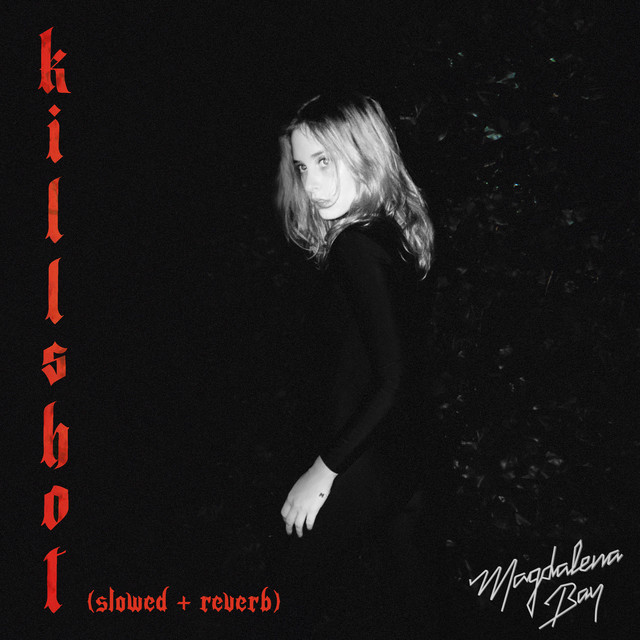
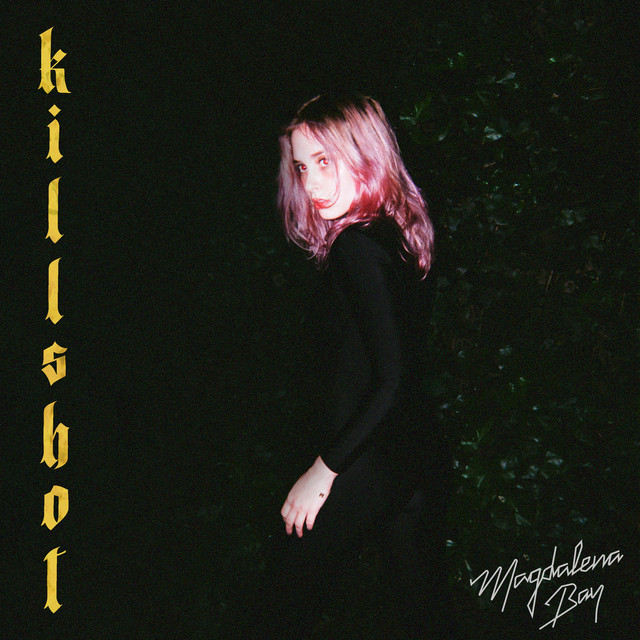
Killshot (slowed + reverb)
Enumclaw, Anemone, Magdalena Bay, MUNYA, Enumclaw, Magdalena Bay, Deland, Helen…
La Pop
2019
3
/5
Killshot
Magdalena Bay
La Pop
Similar artists
4
/5
LANY
La Pop
Pop
Electronic
3
/5
Animal Collective
Freak Folk
Neo-Psychedelia
Experimental
5
/5
Tame Impala
Psychedelic Pop
Indie
Neo-Psychedelia
5
/5
Gorillaz
Alternative Hip Hop
Electronic
Modern Rock
5
/5
The Weeknd
Contemporary R&b
Alternative R&b
Pop
4
/5
George Clanton
Chillwave
Plunderphonics
Vaporwave
5
/5
Joji
Viral Pop
Electronic
Alternative R&b
4
/5
Nine Inch Nails
Cyberpunk
Industrial
Industrial Rock
2
/5
Steve Hillage
Space Rock
Canterbury Scene
Acid Rock
3
/5
David Byrne
Art Punk
Art Pop
Art Rock
Download our mobile app
Get the Melodigging app and start digging for new genres on the go
Download on the App Store
Get it on Google Play
© 2026 Melodigging
Give feedback
Legal
Melodding was created as a tribute to
Every Noise at Once
, which inspired us to help curious minds keep digging into music's ever-evolving genres.