Genres
Artists
Albums
Make Music
Sign in
Sign in
Artists
Baroque
Artists
Baroque
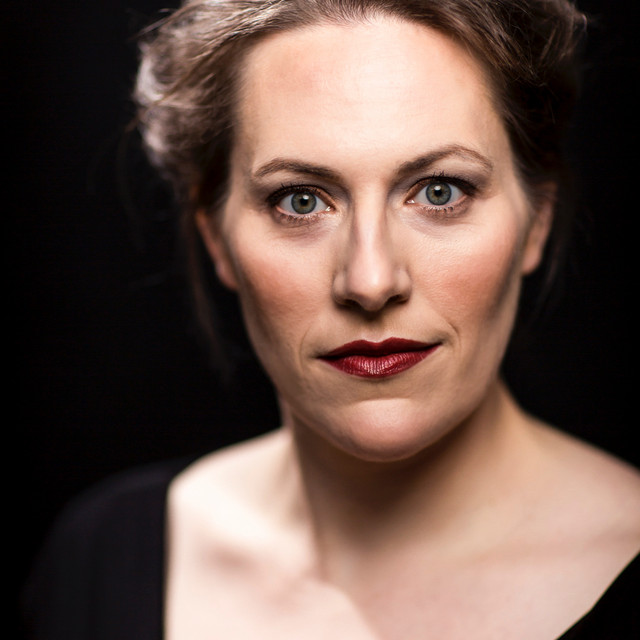
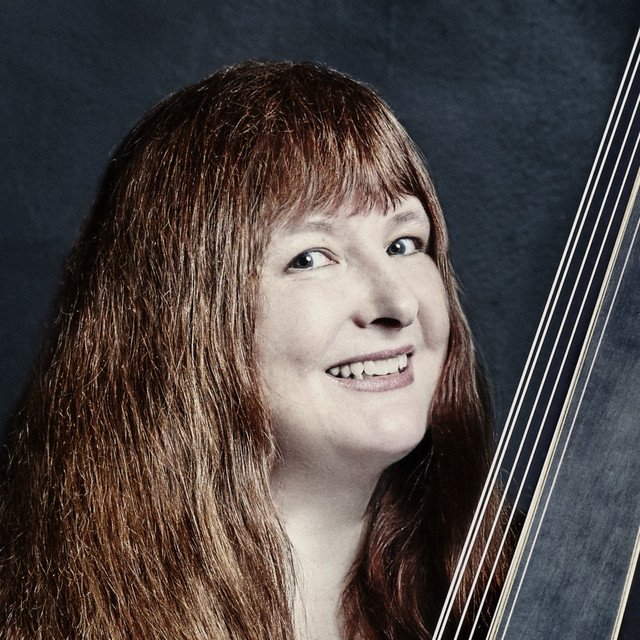
Lucile Richardot
2019–2024
·
3 albums
Listen
2
/5
Genres
Early Music
Early music is a modern performance movement devoted to the repertoire of the Medieval, Renaissance, and early Baroque eras (roughly before c. 1750), approached with historically informed performance (HIP) practices. It emphasizes period instruments (or faithful replicas), historical tunings and temperaments, original notations and sources, and performance conventions documented in treatises of the time. The sound world ranges from monophonic chant and modal organum, to intricate Renaissance polyphony, to the emergence of basso continuo and dramatic affect in the early Baroque. Rather than being a single historical style, early music is a contemporary practice of reviving diverse pre‑Classical musics with scholarly rigor and artistic vitality.
Discover
Listen
Early Music Ensemble
An early music ensemble is a specialized vocal, instrumental, or mixed group devoted to the historically informed performance of Medieval, Renaissance, and Baroque repertoires (roughly before 1750). These ensembles typically use period instruments (or accurate reconstructions), historical tunings and temperaments, and performance practices derived from primary sources and treatises. Their goal is not a museum-like re‑creation but a living, stylistically grounded interpretation that clarifies texture, rhythm, rhetoric, and the soundworlds of earlier eras. Line‑ups range from small consorts (e.g., viols, recorders, lutes) to chamber orchestras with continuo groups, and from one‑to‑a‑part vocal consorts to medium‑sized choirs for larger polyphonic or Baroque works.
Discover
Listen
Musique Ancienne
Musique ancienne (French for “early music”) denotes the historically informed performance of medieval, Renaissance, and Baroque repertoire on period instruments and with period-specific techniques. Rather than a single historical style, it is a practice and aesthetic: performers consult original sources, treatises, and surviving instruments to recreate articulation, ornamentation, tuning, tempo, and ensemble balance as they likely sounded before the Classical era. Hallmarks include gut strings, low and flexible pitch standards (e.g., A=415 for Baroque, variable for Renaissance/medieval), meantone or well temperaments, natural trumpets, cornetts and sackbuts, recorders and traversos, theorbos and lutes, viol consorts, organo and harpsichord continuo, and an emphasis on dance rhythms and text-driven phrasing. Today the term also implies an interpretive ethos—clarity of counterpoint, rhetorical delivery, and stylistic diversity across centuries—applied to sacred and secular works from monody and polyphony to dance suites, madrigals, and early opera.
Discover
Listen
Orchestral Song
Orchestral song is an art-song tradition in which a solo voice is accompanied by a full orchestra rather than piano or a small chamber ensemble. It preserves the intimate, text-led focus of lieder and mélodie while expanding the expressive palette with orchestral color, timbral contrast, and large-scale dynamic shaping. Unlike opera, it is not staged and typically sets discrete poems or groups of poems, often assembled into cycles. Forms range from strophic to through-composed, and the style spans late-Romantic tonal idioms to early modernist harmonies. Central to the genre is the careful balance between textual clarity and orchestral richness, with the orchestra acting as a commentator and colorist—introducing motives, painting imagery, and framing the vocal line with preludes, interludes, and postludes.
Discover
Listen
Baroque
Baroque is a period and style of Western art music spanning roughly 1600–1750. It is characterized by the birth of functional tonality, the widespread use of basso continuo (figured bass), and a love of contrast—between soloist and ensemble, loud and soft, and different timbres. Hallmark genres and forms of the era include opera, cantata, oratorio, concerto (especially the concerto grosso), dance suite, sonata, and fugue. Textures range from expressive monody to intricate counterpoint, and melodies are richly ornamented with trills, mordents, and appoggiaturas. Baroque music flourished in churches, courts, and theaters across Europe, with regional styles (Italian, French, German, English) shaping distinctive approaches to rhythm, dance, harmony, and ornamentation.
Discover
Listen
Renaissance
Renaissance music (c. 1400–1600) marks the shift from medieval sonorities to a clearer, triad-based polyphony in which multiple independent voices are treated with near-equal importance. It favors modal counterpoint, pervasive imitation, smooth voice-leading, and carefully prepared cadences. Text intelligibility and expressive text-setting become central concerns, especially in sacred motets and masses and in secular forms like the Italian madrigal and the French chanson. While much of the repertory is a cappella, instrumental consorts (viol, recorder, sackbut, cornett, organ) play a growing role. A steady tactus underpins rhythms, and tuning systems such as meantone temperament shape its characteristic color. Music printing (from 1501) accelerates stylistic diffusion across Europe.
Discover
Listen
Classical
Classical music is the notated art-music tradition of Europe and its global descendants, characterized by durable forms, carefully codified harmony and counterpoint, and a literate score-based practice. The term “classical” can refer broadly to the entire Western art-music lineage from the Medieval era to today, not just the Classical period (c. 1750s–1820s). It privileges long-form structures (such as symphonies, sonatas, concertos, masses, and operas), functional or modal harmony, thematic development, and timbral nuance across ensembles ranging from solo instruments to full orchestras and choirs. Across centuries, the style evolved from chant and modal polyphony to tonal harmony, and later to post-tonal idioms, while maintaining a shared emphasis on written notation, performance practice, and craft.
Discover
Listen
Show all 7 genres
Albums
2024
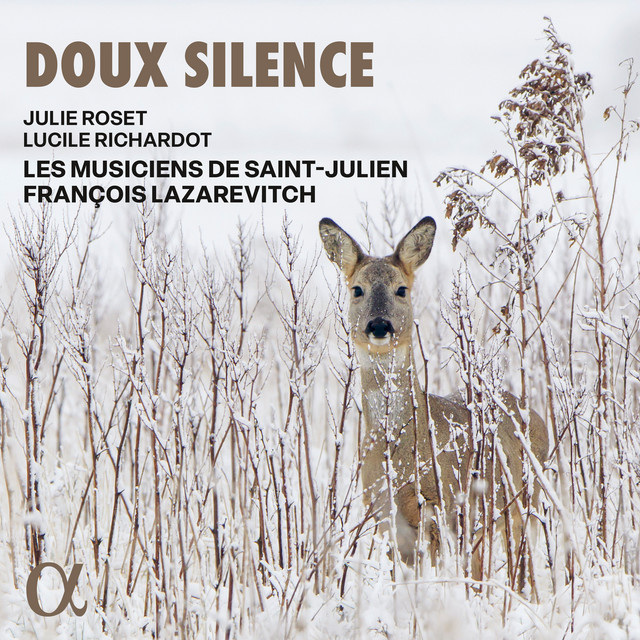
Doux silence
Les Musiciens De Saint-Julien, François Lazarevitch, Julie Roset, Lucile Richar…
Early Music Ensemble
2023
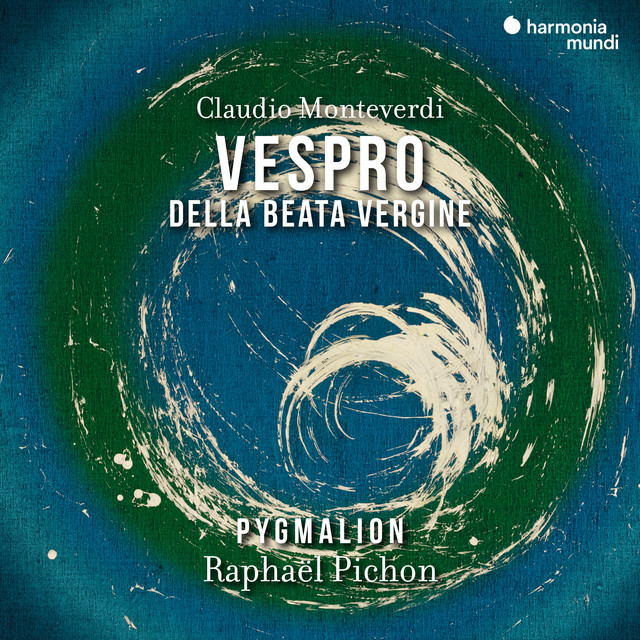
Monteverdi: Vespro della Beata Vergine
Claudio Monteverdi, Raphael Pichon, Ensemble Pygmalion, Céline Scheen, Perrine…
Musique Ancienne
2019
1
/5
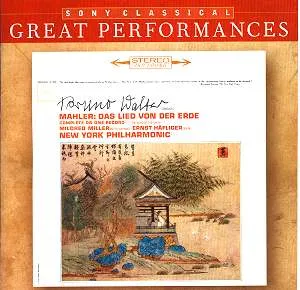
Das Lied von der Erde
Gustav Mahler
Orchestral Song
Classical
Similar artists
3
/5
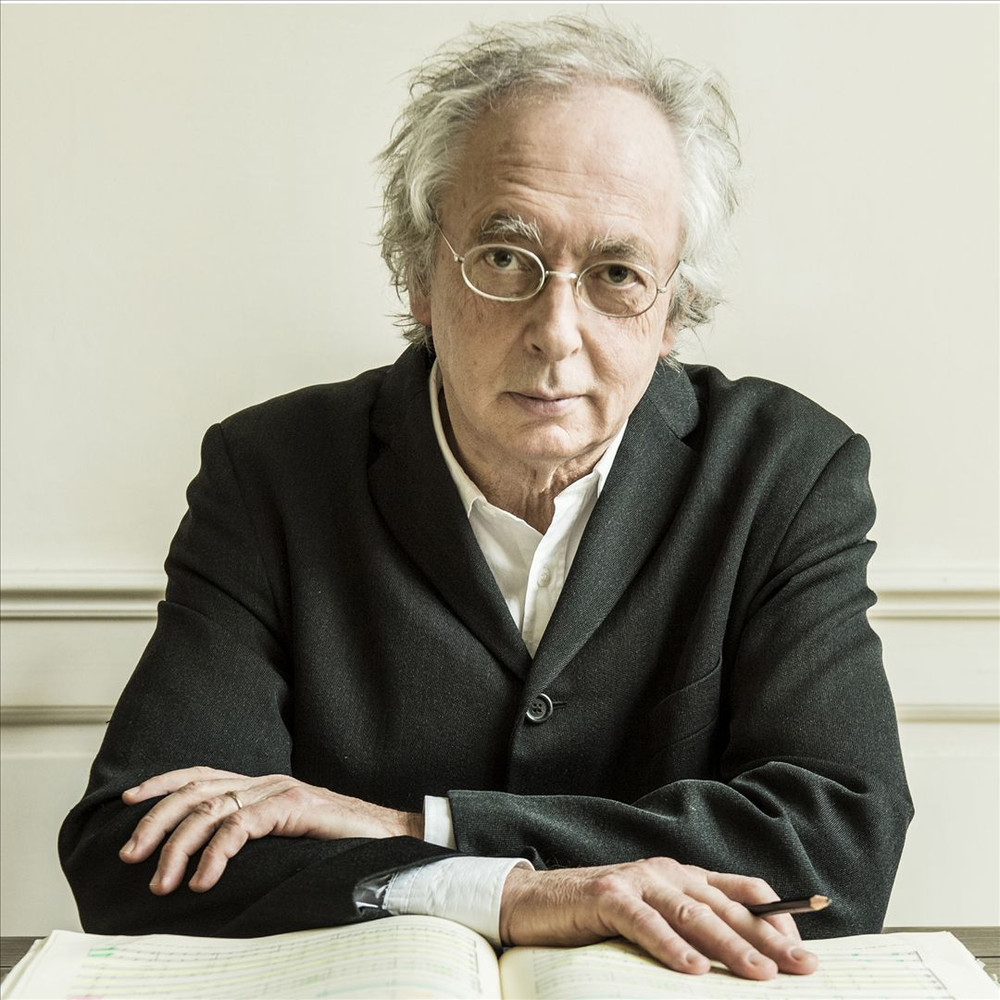
Philippe Herreweghe
Classical
Baroque
Choral
3
/5
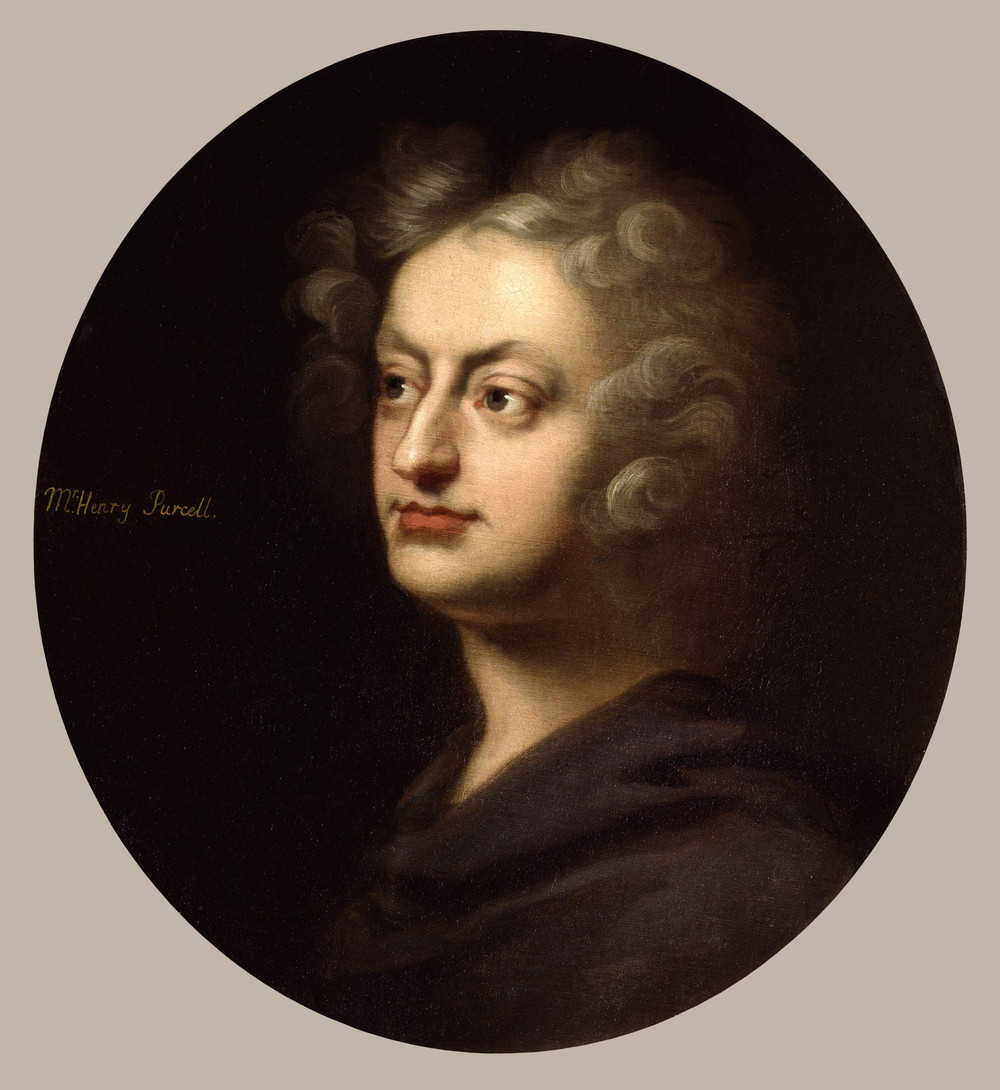
Henry Purcell
Classical
Fantasia
Baroque
3
/5
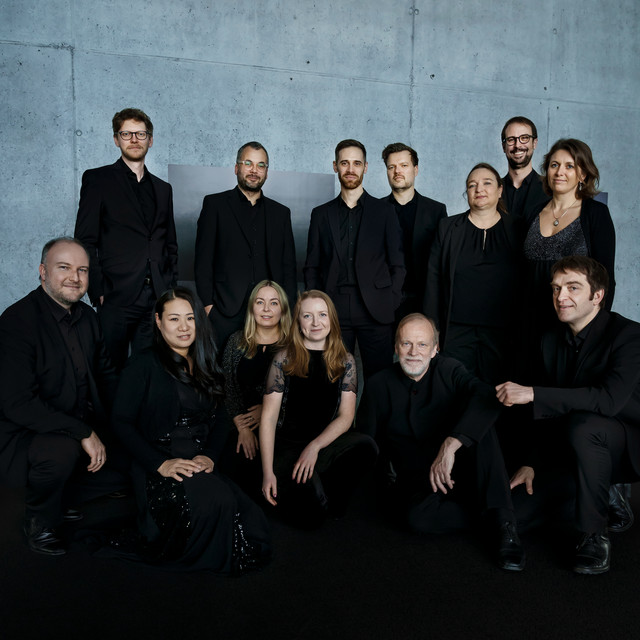
Collegium Vocale Gent
Classical
Baroque
Cantata
3
/5
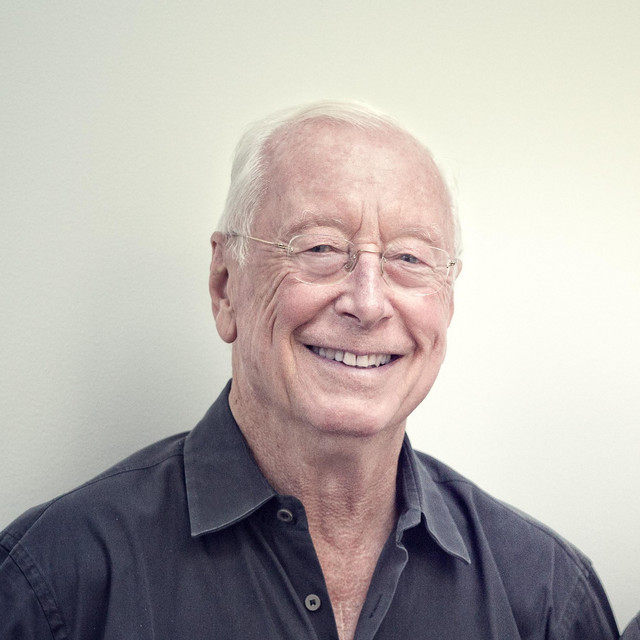
William Christie
Classical
Opera
Baroque
3
/5
Christina Pluhar
Classical
Italian Folk Music
Baroque
3
/5
Peter Phillips
Renaissance
Choral
Requiem
3
/5
Giovanni Pierluigi da Palestrina
Classical
Renaissance
Mass
3
/5
Reinhard Goebel
Baroque
Chamber Music
Classical
3
/5
Harry Christophers
Baroque
Choral
Classical Performance
3
/5
The Tallis Scholars
Renaissance
Choral
Classical
Download our mobile app
Get the Melodigging app and start digging for new genres on the go
Download on the App Store
Get it on Google Play
© 2026 Melodigging
Give feedback
Legal
Melodding was created as a tribute to
Every Noise at Once
, which inspired us to help curious minds keep digging into music's ever-evolving genres.