Genres
Artists
Albums
Make Music
Sign in
Sign in
Artists
Cumbia Colombiana
Artists
Cumbia Colombiana
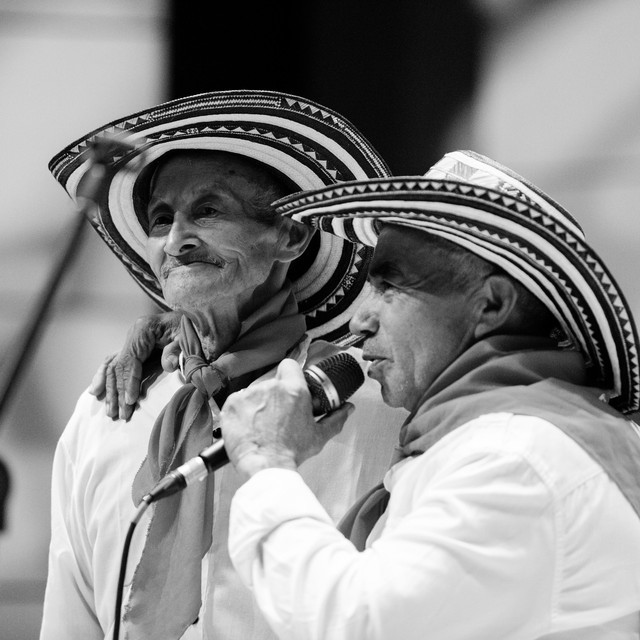
Los Gaiteros de San Jacinto
2006–2012
·
2 albums
Listen
3
/5
Genres
Electro Bailando
Electro bailando is a Spanish‑language, club‑ready dance‑pop microgenre that blends big‑room/electro‑house sonics with Latin pop songwriting and Caribbean rhythms. It favors four‑on‑the‑floor kicks, bright supersaw leads, handclaps, and festival‑style builds and drops, while keeping lyrics simple, catchy, and centered on dancing, romance, and summer nightlife. Typical tracks run in the 120–130 BPM range, use ear‑worm hooks in Spanish, and may weave in short dembow or merengue‑influenced percussion breaks. The overall feel is glossy, uplifting, and designed for mass‑appeal dance floors and radio.
Discover
Listen
Electrocumbia
Electrocumbia (often called digital cumbia or nu-cumbia) is a contemporary, electronic reinterpretation of traditional cumbia. It merges cumbia’s signature off‑beat percussion, guacharaca/güiro textures, and tumbao bass with modern production elements such as synthesizers, drum machines, sampling, and dub-style effects. While rooted in Colombian cumbia, the style took shape across Latin America—especially within Buenos Aires’ club scene—where producers fused folkloric rhythms with downtempo, house, hip hop, and dub aesthetics. The result is a sound that can be both hypnotic and dance‑forward, oscillating between dreamy, psychedelic atmospheres and gritty, bass‑heavy grooves.
Discover
Listen
Latin Folk
Latin folk is a broad umbrella for singer‑songwriter and ensemble music that draws on traditional folk forms from across Latin America while presenting them in contemporary, often acoustically driven arrangements. It emphasizes storytelling, social and poetic lyricism, and the timbres of regional instruments such as the guitar, charango, quena, zampoña, cuatro, and bombo legüero. Rhythmic cells are borrowed from pan‑regional traditions (chacarera, cueca, zamba, huayno, joropo, son, and others), yet songs are commonly shaped in accessible verse‑chorus structures. While its roots are centuries old, the modern genre coalesced during the mid‑20th‑century folk revival and the Nueva Canción movements, which linked ancestral sounds with contemporary concerns such as identity, justice, and cultural memory.
Discover
Listen
Traditional Music
Traditional music is an umbrella term used in the mid–20th century by folklorists and ethnomusicologists to denote community-rooted, orally transmitted repertoires tied to social ritual, work, celebration, and storytelling. Unlike commercial pop or art-music traditions, traditional music is typically learned by ear, varies regionally, and evolves slowly through communal participation. It often features modal melodies, cyclic rhythms, heterophony or unison singing, and indigenous instruments whose timbres are integral to local identity. Lyrics tend to preserve language, history, and collective memory. While the musical practices themselves can be ancient, the phrase “traditional music” emerged to replace earlier, narrower or colonial framings like “folk” or “ethnic” music, foregrounding continuity, locality, and living practice rather than exoticism.
Discover
Listen
Cumbia Colombiana
Cumbia colombiana is the foundational, coastal style of cumbia that emerged on Colombia’s Caribbean littoral. It fuses Indigenous gaita flute traditions, Afro-Colombian drumming, and Iberian melodic sensibilities into a hypnotic, swaying dance music. Traditional ensembles center on gaita hembra and gaita macho flutes, a three-drum battery (tambora, alegre, and llamador), and maracas; later urban and big-band formats added brass, accordion, electric bass, and piano. The groove sits in 2/4 or relaxed 4/4 with a characteristic tresillo and offbeat maraca chatter, while melodies often trace minor or Dorian contours. Its earthy, processional feel—once associated with candlelit courtship dances—became a national sound and a pan–Latin blueprint for countless cumbia variants.
Discover
Listen
Latin
Latin (as a genre label) is a broad umbrella used by the recording industry to categorize popular music rooted in Latin America, the Caribbean, and the Iberian world, often characterized by syncopated Afro-diasporic rhythms, dance-forward grooves, and lyrics primarily in Spanish or Portuguese. As a marketplace category that took shape in the mid-20th century United States, it gathers diverse traditions—Afro-Cuban, Brazilian, Mexican, and Caribbean styles—into a shared space. In practice, "Latin" spans everything from big-band mambo and bolero ballads to contemporary pop, rock, hip hop, and dance fusions produced by artists of Latin American heritage.
Discover
Listen
Porro
Porro is a festive dance music from Colombia’s Caribbean coast, especially the Sinú River and Savanna regions of Córdoba, Sucre, Bolívar, and Atlántico. Closely related to cumbia yet distinct, it blends Indigenous gaita traditions, Afro-Colombian drumming, and European brass-band practices. Traditionally performed by bandas pelayeras (rural brass bands) and by gaita ensembles, porro later blossomed in urban dance orchestras with clarinets, saxophones, trumpets, trombones, and a driving percussion section. It is typically in duple meter (2/4, sometimes felt in 4/4), with buoyant, syncopated patterns, a strong backbeat feel, and catchy call-and-response melodies. Two folkloric variants are often cited: porro palitiao (with a rimshot-style stick technique on the tambora) and porro tapao (a "covered" stroke approach), each shaping the groove in a distinctive way. In the mid-20th century, arrangers such as Lucho Bermúdez and Pacho Galán transformed porro into a cosmopolitan big-band sound that became a symbol of Colombian tropical dance culture.
Discover
Listen
Cumbia
Cumbia is a syncretic dance-music tradition from Colombia’s Caribbean coast that blends African rhythmic heritage, Indigenous (especially gaita flute) melodic practice, and Spanish colonial instrumentation and forms. Traditionally performed in a moderate 2/4 (often felt in 4/4 today), it features interlocking hand-drum parts (tambora, alegre, llamador), guacharaca or maracas for steady texture, and long cane flutes (gaita hembra and gaita macho) carrying call-and-response melodies. As it spread in the 20th century, orchestras and dance bands added accordion, horns, piano, bass, and later electric guitar and synthesizers, creating urban and pan–Latin American variants. Harmonically simple and rhythm-forward, cumbia places groove, ostinati, and vocal refrains at the center, making it both ceremonial in origin and enduringly popular on social dance floors across the Americas.
Discover
Listen
Show all 8 genres
Albums
2012
2
/5
Así tocan los indios
Los Gaiteros de San Jacinto
Porro
Cumbia Colombiana
2006
2
/5
Un fuego de sangre pura
Los Gaiteros de San Jacinto
Porro
Cumbia Colombiana
Similar artists
3
/5
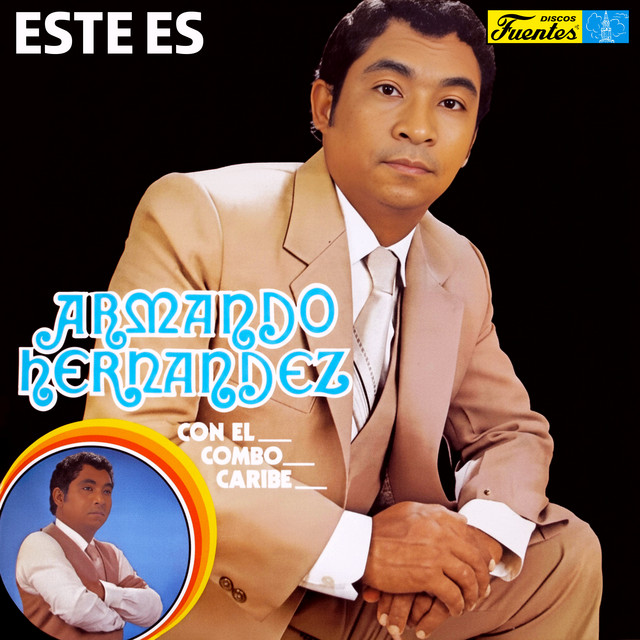
Armando Hernandez
Porro
Chicha
Cumbia
3
/5
Afrosound
Nu-Cumbia
Chicha
Cumbia
2
/5
Frente Cumbiero
Tropicanibalismo
Chicha
Cumbia
2
/5
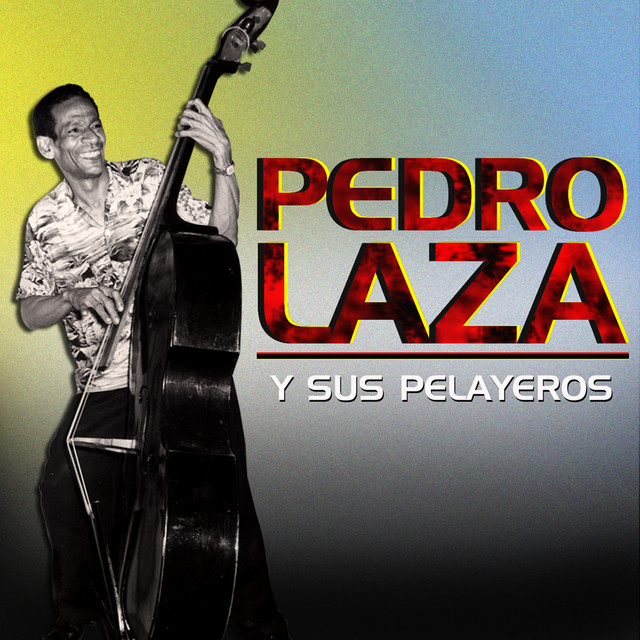
Pedro Laza Y Sus Pelayeros
Porro
Cumbia
Cumbia Colombiana
2
/5
Los Gaiteros de Ovejas
Cumbia
Electrocumbia
Traditional Music
4
/5
Totó La Momposina
Bullerengue
Cumbia
Cumbia Colombiana
3
/5
Los Corraleros De Majagual
Vallenato
Cumbia
Porro
3
/5
Los Mirlos
Cumbia Amazónica
Cumbia
Cumbia Peruana
3
/5
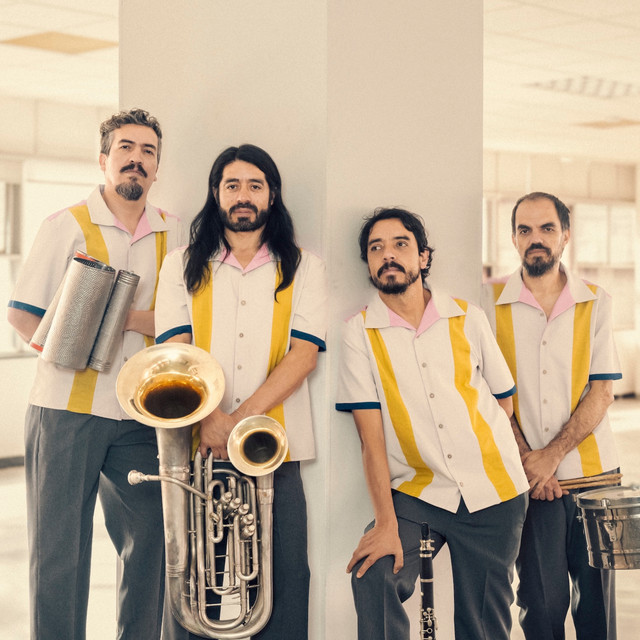
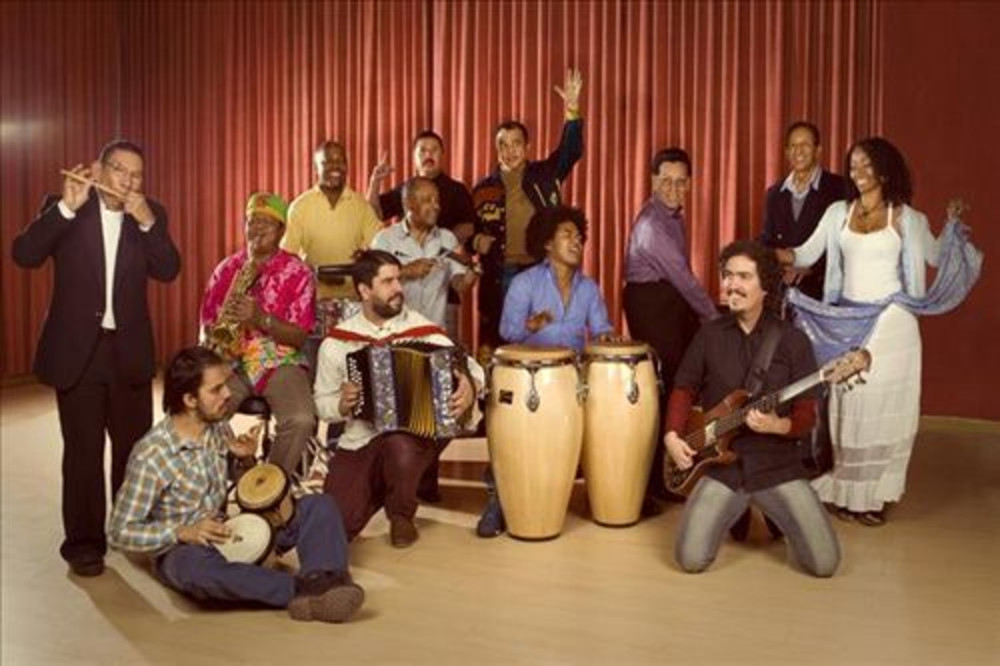
Ondatrópica
Cumbia
Chicha
Electrocumbia
3
/5
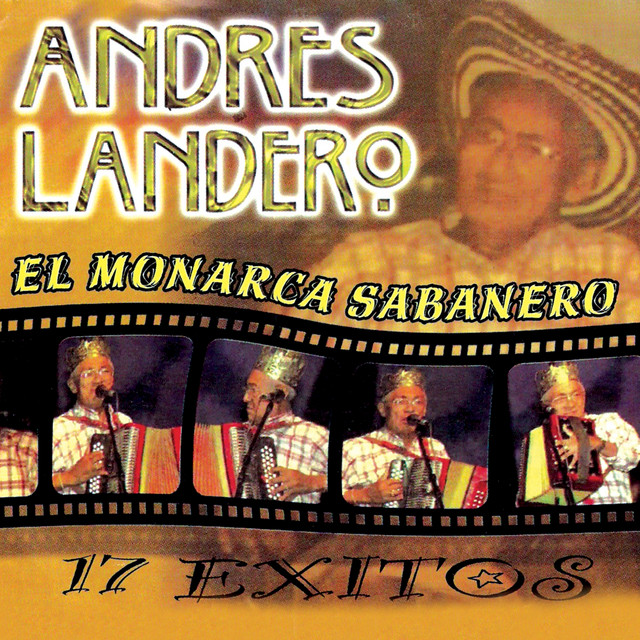
Andres Landero
Cumbia Colombiana Regia
Vallenato
Cumbia
Download our mobile app
Get the Melodigging app and start digging for new genres on the go
Download on the App Store
Get it on Google Play
© 2026 Melodigging
Give feedback
Legal
Melodding was created as a tribute to
Every Noise at Once
, which inspired us to help curious minds keep digging into music's ever-evolving genres.