Genres
Artists
Albums
Make Music
Sign in
Sign in
Artists
Cumbia
Artists
Cumbia
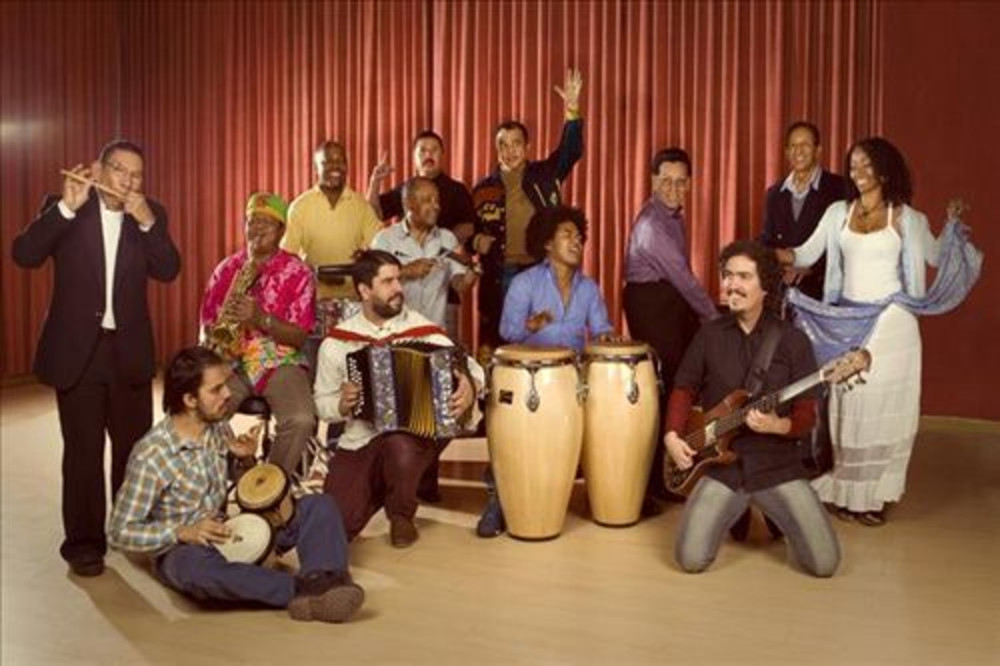
Ondatrópica
2012–2017
·
3 albums
Listen
3
/5
Genres
Latin Afrobeat
Latin Afrobeat is a contemporary fusion style that welds the polyrhythmic engine of West African Afrobeat with Latin American and Caribbean grooves. It often marries Afrobeat’s interlocking drum kit, shekere, and highlife‑style guitars with salsa/cumbia percussion sections, montuno piano figures, and bold horn arrangements. The result is a dance‑forward, big‑ensemble sound: long vamps, call‑and‑response vocals (frequently in Spanish or Portuguese), syncopated bass ostinati, and brass stabs—recorded with a warm, live, analog aesthetic. While it honors Fela Kuti’s Afrobeat blueprint, it colors that framework with Afro‑Cuban jazz harmony, salsa horn voicings, and coastal Colombia/Brazilian percussion idioms.
Discover
Listen
Electro Bailando
Electro bailando is a Spanish‑language, club‑ready dance‑pop microgenre that blends big‑room/electro‑house sonics with Latin pop songwriting and Caribbean rhythms. It favors four‑on‑the‑floor kicks, bright supersaw leads, handclaps, and festival‑style builds and drops, while keeping lyrics simple, catchy, and centered on dancing, romance, and summer nightlife. Typical tracks run in the 120–130 BPM range, use ear‑worm hooks in Spanish, and may weave in short dembow or merengue‑influenced percussion breaks. The overall feel is glossy, uplifting, and designed for mass‑appeal dance floors and radio.
Discover
Listen
Souldies
Souldies is a modern revival of classic lowrider “oldies” soul—slow, tender ballads rooted in 1960s and early-’70s sweet soul and doo‑wop aesthetics, reimagined by a new generation of largely Chicano/Latinx artists in Southern California. Characterized by warm, analog-leaning production, mellow backbeats, honeyed vocal harmonies, and heart‑on‑sleeve lyricism, the style favors mid‑slow tempos, tape‑like saturation, spring/plate reverb, and minimalist yet expressive arrangements. English and Spanish (or Spanglish) lyrics often explore love, longing, devotion, and cruising/lowrider culture. Souldies sits at the intersection of classic soul, rhythm & blues, northern soul selections, and Latin soul, offering a contemporary, community‑centered sound that feels both timeless and newly personal.
Discover
Listen
Electrocumbia
Electrocumbia (often called digital cumbia or nu-cumbia) is a contemporary, electronic reinterpretation of traditional cumbia. It merges cumbia’s signature off‑beat percussion, guacharaca/güiro textures, and tumbao bass with modern production elements such as synthesizers, drum machines, sampling, and dub-style effects. While rooted in Colombian cumbia, the style took shape across Latin America—especially within Buenos Aires’ club scene—where producers fused folkloric rhythms with downtempo, house, hip hop, and dub aesthetics. The result is a sound that can be both hypnotic and dance‑forward, oscillating between dreamy, psychedelic atmospheres and gritty, bass‑heavy grooves.
Discover
Listen
Chicha
Chicha is a Peruvian branch of cumbia that crystallized in urban migrant neighborhoods during the late 1960s and 1970s. It fuses Colombian cumbia rhythms with Andean huayno melodies, played on electric guitars that carry surf- and psychedelic-rock inflections. The style is defined by bright, reverb-soaked lead guitar lines in pentatonic (often Andean) motifs, Farfisa- or Hammond-type organs doubling riffs, and a steady cumbia groove driven by drum kit, güiro, and congas. Lyrics frequently reflect internal migration, working-class life, love, longing, and the bittersweet experience of cultural hybridity in Lima and other Peruvian cities. Chicha is sometimes called cumbia peruana (though that umbrella also includes Amazonian cumbia). Its imagery and street-poster aesthetics—neon colors and bold typography—became synonymous with the sound’s vibrant, grassroots identity.
Discover
Listen
Latin Jazz
Latin jazz is a fusion of jazz harmony and improvisation with Afro–Latin American rhythms, song forms, and percussion. It combines the swing, bebop, and big-band traditions with clave-based grooves such as son, rumba, danzón, and mambo, and later integrates Brazilian feels like samba and bossa nova. Typical features include the use of the clave (2–3 or 3–2), piano montunos (guajeos), bass tumbao patterns, timbales cáscara, conga marcha, and call-and-response horn "mambo" figures. While the rhythm section locks into cyclical patterns, soloists improvise using the vocabulary of jazz, creating music that is both danceable and harmonically rich.
Discover
Listen
Cumbia Colombiana
Cumbia colombiana is the foundational, coastal style of cumbia that emerged on Colombia’s Caribbean littoral. It fuses Indigenous gaita flute traditions, Afro-Colombian drumming, and Iberian melodic sensibilities into a hypnotic, swaying dance music. Traditional ensembles center on gaita hembra and gaita macho flutes, a three-drum battery (tambora, alegre, and llamador), and maracas; later urban and big-band formats added brass, accordion, electric bass, and piano. The groove sits in 2/4 or relaxed 4/4 with a characteristic tresillo and offbeat maraca chatter, while melodies often trace minor or Dorian contours. Its earthy, processional feel—once associated with candlelit courtship dances—became a national sound and a pan–Latin blueprint for countless cumbia variants.
Discover
Listen
Cumbia
Cumbia is a syncretic dance-music tradition from Colombia’s Caribbean coast that blends African rhythmic heritage, Indigenous (especially gaita flute) melodic practice, and Spanish colonial instrumentation and forms. Traditionally performed in a moderate 2/4 (often felt in 4/4 today), it features interlocking hand-drum parts (tambora, alegre, llamador), guacharaca or maracas for steady texture, and long cane flutes (gaita hembra and gaita macho) carrying call-and-response melodies. As it spread in the 20th century, orchestras and dance bands added accordion, horns, piano, bass, and later electric guitar and synthesizers, creating urban and pan–Latin American variants. Harmonically simple and rhythm-forward, cumbia places groove, ostinati, and vocal refrains at the center, making it both ceremonial in origin and enduringly popular on social dance floors across the Americas.
Discover
Listen
Show all 8 genres
Albums
2017
1
/5
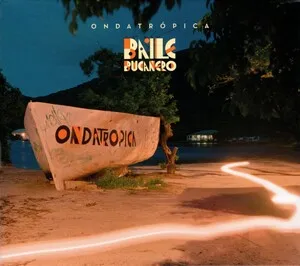
Baile Bucanero
Ondatrópica
Cumbia
2012
1
/5
Ondatrópica
Ondatrópica
Cumbia
2012
1
/5
Ondatrópica
Ondatrópica
Cumbia Colombiana
Similar artists
2
/5
Meridian Brothers
Tropicanibalismo
Cumbia
Digital Cumbia
2
/5
Los Pirañas
Cumbia
Chicha
Tropicanibalismo
2
/5
El Hijo De La Cumbia
Cumbia
Chicha
Cumbia Sonidera
2
/5
Frente Cumbiero
Tropicanibalismo
Chicha
Cumbia
2
/5
Grupo Fantasma
Chicha
Cumbia
Electrocumbia
2
/5
Money Chicha
Chicha
Cumbia
Electrocumbia
4
/5
Corazón Serrano
Chicha
Huayno
Cumbia
3
/5
Los Mirlos
Cumbia Amazónica
Cumbia
Cumbia Peruana
3
/5
Los Destellos
Cumbia Amazónica
Cumbia
Cumbia Peruana
2
/5
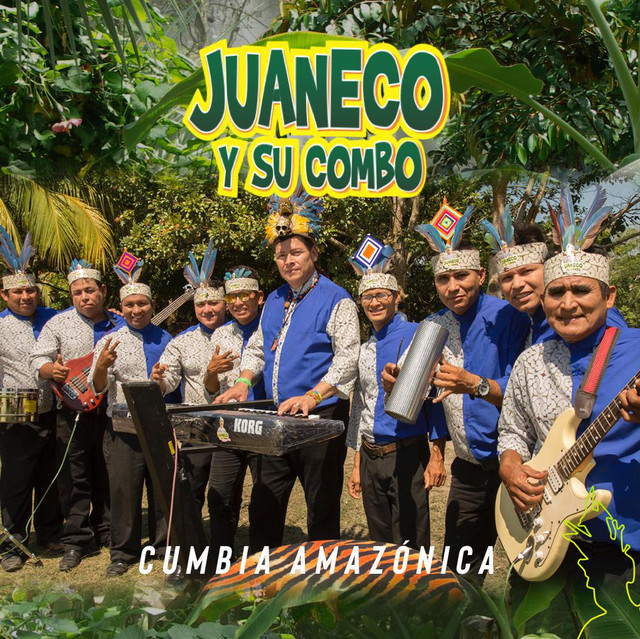
Juaneco Y Su Combo
Cumbia Amazónica
Cumbia
Cumbia Peruana
Download our mobile app
Get the Melodigging app and start digging for new genres on the go
Download on the App Store
Get it on Google Play
© 2026 Melodigging
Give feedback
Legal
Melodding was created as a tribute to
Every Noise at Once
, which inspired us to help curious minds keep digging into music's ever-evolving genres.