Genres
Artists
Albums
Make Music
Sign in
Sign in
Artists
Totalism
Artists
Totalism
Liturgy
2009–2024
·
9 albums
Listen
2
/5
Genres
Totalism
Totalism is a postminimalist current in American contemporary composition that emerged in New York City at the turn of the 1990s. It pairs minimalism’s driving repetition and clear harmonies with the simultaneous layering of contrasting tempos, meters, and rhythmic cycles. Where classic minimalism often favors a single steady pulse, totalism embraces multiple, coexisting pulses—often in rational tempo ratios (such as 3:2, 4:3, 5:4)—to create grooves that are both propulsive and metrically intricate. Its sound world frequently mixes amplified chamber ensembles with rock instrumentation (drum set, electric guitar and bass) and draws rhythmic inspiration from rock, funk, and global polyrhythms. Aesthetically, totalism sought a middle path between the austerity of modernist complexity and the smooth surfaces of early minimalism: music that is visceral and loud, yet intellectually and rhythmically detailed.
Discover
Listen
Experimental Black Metal
Experimental black metal is a boundary-pushing branch of black metal that blends the genre’s core harshness with unconventional composition, timbres, and aesthetics. It commonly replaces or augments traditional tremolo-picked riffs and blast beats with dissonant harmonies, odd meters, through-composed forms, and unusual instrumentation (synths, saxophone, strings, prepared piano, electronics, noise). Vocals range from classic shrieks to chants, spoken word, harmonized clean passages, and processed textures. Production can be deliberately lo‑fi and abrasive or hi‑fi and cinematic, but it is typically textural: layers of feedback, drones, and spectral effects are used as musical material. Lyrically, it gravitates toward esoteric philosophy, surrealism, urban decay, cosmic dread, and psychological or spiritual dislocation, prioritizing atmosphere and conceptual depth over orthodoxy.
Discover
Listen
Usbm
USBM (United States Black Metal) is the American branch of black metal, marked by a wide stylistic spectrum that runs from raw, lo‑fi ferocity to expansive, atmospheric and genre‑blurring forms. While it preserves the core elements of black metal—tremolo‑picked guitars, blast beats, and shrieked vocals—it often emphasizes individualism, existential or nature‑focused themes, and an experimental approach that draws from punk, ambient, post‑rock, and noise. Regional currents are notable: the Pacific Northwest (often dubbed “Cascadian”) favors long, immersive songs and environmental/nature themes; other hubs (California, the Midwest, the Northeast, and Texas) contributed raw, depressive, and progressive strains that helped define a distinctly American identity within black metal.
Discover
Listen
Avant-Garde Black Metal
Avant-garde black metal is a boundary‑pushing strain of black metal that embraces experimental composition, unorthodox timbres, and genre hybridity. It retains core black‑metal signifiers—tremolo‑picked guitars, blast beats, and harsh vocals—while folding in dissonant harmonies, unusual time signatures, electronics, chamber instrumentation, and studio-as-instrument production. The result ranges from claustrophobic, abstract sound‑design to cinematic, spectral atmospheres, often prioritizing concept, mood, and texture over conventional riff‑verse‑chorus writing. Lyrically and thematically, it favors philosophical, surreal, or esoteric subjects, expanding beyond genre tropes into modernist poetry, absurdism, and metaphysical inquiry.
Discover
Listen
Black Metal
Black metal is a form of extreme metal defined by fast tempos, tremolo‑picked guitar lines, blast‑beat drumming, shrieked or rasped vocals, and a deliberately raw, icy production aesthetic. Harmonically, it favors minor and modal collections (especially Aeolian and Phrygian), open-string drones, parallel fifths and fourths, tritones, and sparse or suspended chord voicings over blues-derived harmony. Arrangements often employ layered guitars, long-form song structures, and enveloping reverb to create a bleak, otherworldly atmosphere. The genre’s visual and thematic language is equally distinctive: corpse paint, monochrome artwork, and lyrics exploring anti-dogma, nature, pagan myth, cosmic nihilism, and misanthropy. While some scenes have been associated with controversy and extremism, the musical identity centers on sound, atmosphere, and aesthetics rather than any single ideology.
Discover
Listen
Avant-Garde Metal
Avant-garde metal is a branch of metal that embraces experimentation as a core principle. It extends the genre’s sonic vocabulary through unusual song forms, dissonant harmony, non-standard instrumentation, and an eagerness to fuse styles that traditionally sit outside heavy music. Where conventional metal often relies on riff-driven structures, avant-garde metal frequently employs through-composed forms, asymmetrical rhythms, and abrupt dynamic shifts. Its palette can include strings, woodwinds, brass, electronics, prepared instruments, and extended vocal techniques alongside distorted guitars and aggressive drums. Lyrically and conceptually, the style leans toward the surreal, the philosophical, and the theatrical. The result is a deliberately challenging, exploratory music that values atmosphere, texture, and surprise as much as impact and heaviness.
Discover
Listen
Dark Wave
Dark wave is a moody, melancholic offshoot of post-punk and new wave that emphasizes minor-key harmonies, somber timbres, and introspective or romantic lyrical themes. It blends the icy textures of early synthesizers and drum machines with reverb-laden guitars and melodic, driving basslines. The style typically features baritone or ethereal vocals, atmospheric production with heavy use of chorus, delay, and reverb, and tempos that range from slow and brooding to mid-tempo and danceable. Dark wave spans both guitar-oriented and synth-forward approaches, and often overlaps with related movements such as coldwave, minimal wave, and ethereal wave.
Discover
Listen
Math Rock
Math rock is a subgenre of indie and experimental rock defined by complex, irregular rhythms, sudden dynamic shifts, and angular, interlocking guitar lines. It frequently employs odd and mixed meters (such as 5/4, 7/8, 11/8), polyrhythms, start–stop figures, and intricate syncopation. Guitars often favor clean or lightly overdriven tones, tapping, and harmonically adventurous voicings over traditional power-chord riffing. Vocals, if present, are usually sparse, textural, or rhythmically coordinated with the ensemble rather than the primary focal point. Aesthetically, math rock draws from the precision and structural ambition of progressive rock, the urgency of post-hardcore, and the textural curiosity of indie and noise rock, resulting in music that feels both cerebral and visceral.
Discover
Listen
Noise Rock
Noise rock is a subgenre of rock that deliberately embraces distortion, feedback, dissonance, and abrasive textures as primary musical materials rather than mere effects. It prioritizes timbre, volume, and sonic density over conventional melody and harmony, often using nonstandard tunings, prepared or detuned guitars, and extended techniques to generate harsh overtones and sheets of sound. Rhythm sections tend to be driving and repetitive, anchoring the chaos with motorik pulses, lurching grooves, or pummeling, minimal patterns. Vocals range from spoken and murmured to shouted and cathartic, with lyrics that skew cryptic, confrontational, or surreal. Aesthetically, noise rock traces a line from punk’s anti-virtuosity and DIY ethos through no wave’s iconoclasm and the avant-garde’s interest in sound-as-sound, yielding music that can be physically intense, psychologically unsettling, and artistically exploratory.
Discover
Listen
Progressive Metal
Progressive metal blends the ambition and extended song forms of progressive rock with the heaviness, timbre, and energy of heavy metal. It is characterized by complex arrangements, frequent time‑signature changes, virtuosic instrumental passages, thematic or concept‑driven albums, and a wide dynamic range from delicate, atmospheric sections to aggressive, high‑gain climaxes. Harmonically it draws on modal interchange, chromatic voice‑leading, and jazz‑fusion colors, while rhythmically it favors polymeters, polyrhythms, and metric modulation. Keyboards and layered production often add orchestral or cinematic scope.
Discover
Listen
Experimental
Experimental music is an umbrella term for practices that prioritize exploration, process, and discovery over adherence to established genre norms. It embraces new sound sources, nonstandard tuning systems, indeterminacy and chance operations, graphic and open-form scores, extended techniques, and technology-led sound design (tape, electronics, computers, and live processing). Rather than a single style, it is a methodology and ethos: testing hypotheses about sound, structure, and performance, often blurring boundaries between composition, improvisation, sound art, and performance art. Listeners can expect unfamiliar timbres, unusual forms, and an emphasis on how music is made as much as the resulting sound.
Discover
Listen
Rock
Rock is a broad family of popular music centered on amplified instruments, a strong backbeat, and song forms that foreground riffs, choruses, and anthemic hooks. Emerging from mid‑20th‑century American styles like rhythm & blues, country, and gospel-inflected rock and roll, rock quickly expanded in scope—absorbing folk, blues, and psychedelic ideas—while shaping global youth culture. Core sonic markers include electric guitar (often overdriven), electric bass, drum kit emphasizing beats 2 and 4, and emotive lead vocals. Rock songs commonly use verse–chorus structures, blues-derived harmony, and memorable melodic motifs, ranging from intimate ballads to high‑energy, stadium‑sized performances.
Discover
Listen
Avant-Garde
Avant-garde music is an umbrella term for boundary-pushing practices that challenge prevailing norms of harmony, rhythm, timbre, form, and performance. It privileges experimentation, conceptual rigor, and a willingness to reframe what counts as music at all. Historically tied to early 20th‑century artistic modernism, avant-garde music introduced atonality, the emancipation of noise, and new forms of notation and process. It embraces indeterminacy, extended techniques, electronics, spatialization, and multimedia performance, treating sound as material to be sculpted, questioned, and reinvented.
Discover
Listen
Electronic
Electronic is a broad umbrella genre defined by the primary use of electronically generated or electronically processed sound. It encompasses music made with synthesizers, drum machines, samplers, computers, and studio/tape techniques, as well as electroacoustic manipulation of recorded or synthetic sources. The genre ranges from academic and experimental traditions to popular and dance-oriented forms. While its sonic palette is rooted in electricity and circuitry, its aesthetics span minimal and textural explorations, structured song forms, and beat-driven club permutations. Electronic emphasizes sound design, timbre, and studio-as-instrument practices as much as melody and harmony.
Discover
Listen
Classical
Classical music is the notated art-music tradition of Europe and its global descendants, characterized by durable forms, carefully codified harmony and counterpoint, and a literate score-based practice. The term “classical” can refer broadly to the entire Western art-music lineage from the Medieval era to today, not just the Classical period (c. 1750s–1820s). It privileges long-form structures (such as symphonies, sonatas, concertos, masses, and operas), functional or modal harmony, thematic development, and timbral nuance across ensembles ranging from solo instruments to full orchestras and choirs. Across centuries, the style evolved from chant and modal polyphony to tonal harmony, and later to post-tonal idioms, while maintaining a shared emphasis on written notation, performance practice, and craft.
Discover
Listen
Show all 15 genres
Albums
2024
1
/5
Immortal Life II
Liturgy, Liturgy, Liturgy, Liturgy, Liturgy, Liturgy, Liturgy, Liturgy, Liturgy…
Totalism
Experimental Black Metal
2023
2
/5
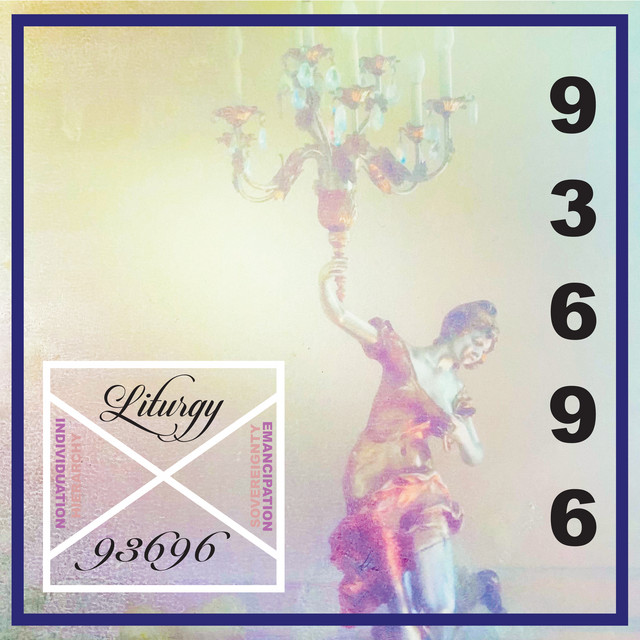
93696
Liturgy
Totalism
Experimental Black Metal
Avant-Garde Metal
2022
1
/5
Angel of Sovereignty
Liturgy
Totalism
Experimental Black Metal
2022
1
/5
93696
Liturgy
Totalism
2022
1
/5
As the Blood of God Bursts the Veins of Time
Liturgy
Totalism
Experimental Black Metal
Avant-Garde Metal
2019
2
/5
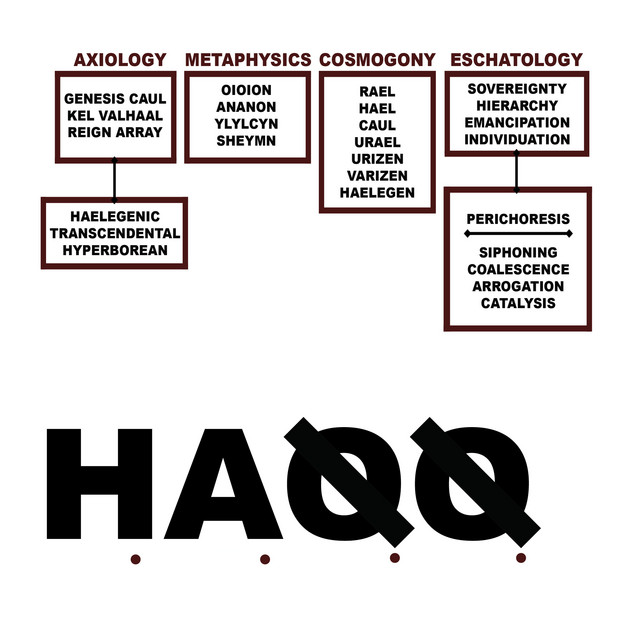
H.A.Q.Q.
Liturgy
Totalism
Experimental Black Metal
Avant-Garde Metal
2015
1
/5
The Ark Work
Liturgy
Totalism
Experimental Black Metal
Black Metal
2011
2
/5
Aesthethica
Liturgy
Totalism
Experimental Black Metal
Black Metal
2009
1
/5
Renihilation
Liturgy
Totalism
Experimental Black Metal
Avant-Garde Metal
Similar artists
2
/5
Nachtmystium
Experimental Black Metal
Black 'n' Roll
Black Metal
1
/5
Jute Gyte
Black Noise
Avant-Garde
Black Metal
3
/5
Agalloch
Black Metal
Cascadian Black Metal
Usbm
2
/5
Inquisition
Black Metal
Usbm
Rock
1
/5
Panopticon
Forest Black Metal
Usbm
Appalachian Black Metal
3
/5
Zeal & Ardor
Avant-Garde Metal
Black Metal
Rock
2
/5
MØL
Danish Black Metal
Aarhus Indie
Avant-Garde Metal
2
/5
Sigh
Avant-Garde Black Metal
Black Metal
Avant-Garde Metal
2
/5
Judas Iscariot
Black Metal
Usbm
Metal
3
/5
Lifelover
Avant-Garde Metal
Blackgaze
Depressive Black Metal
Download our mobile app
Get the Melodigging app and start digging for new genres on the go
Download on the App Store
Get it on Google Play
© 2026 Melodigging
Give feedback
Legal
Melodding was created as a tribute to
Every Noise at Once
, which inspired us to help curious minds keep digging into music's ever-evolving genres.