Genres
Artists
Albums
Make Music
Sign in
Sign in
Artists
Art Pop
Artists
Art Pop
Lewis Furey
1975–1976
·
2 albums
Listen
1
/5
Genres
Art Pop
Art pop is a strand of pop music that treats the pop song as a canvas for high-concept ideas, experimental techniques, and cross-media aesthetics. It marries accessible melodies and hooks with the visual culture of art schools, the conceptual rigor of the avant-garde, and the studio-as-instrument ethos. Sonically, art pop favors eclectic instrumentation (synths, orchestral timbres, guitars, found sounds), unusual song forms, and sophisticated harmony. It often employs collage, musique concrète–like textures, and theatrical vocal delivery while still keeping a pop-facing surface. Beyond sound, art pop is deeply visual and conceptual: albums are framed as coherent artworks, stagecraft and video are integral, and lyrics tend toward intertextuality, character work, irony, and social commentary. The result is pop that is both immediate and idea-driven.
Discover
Listen
Rock Musical
Rock musical is a stage musical whose primary musical language is rock and its closely related pop-rock idioms. It brings the instrumentation, vocal style, rhythmic drive, and production aesthetics of rock into musical theatre storytelling, typically with amplified bands, electric guitars, drum kit, and contemporary vocal belting. Narratively, rock musicals blend character-driven songs and scene-integrated numbers with hooks, anthemic choruses, and recurring motifs, addressing themes such as youth culture, counterculture, identity, politics, and social change. While some works are through-sung like rock opera, many rock musicals retain book-musical dialogue, combining theatre craft with the immediacy and energy of live rock performance.
Discover
Listen
Cabaret
Cabaret is an intimate form of stage entertainment centered on songs, witty monologues, satire, and character pieces, typically presented in small rooms with table seating and a master of ceremonies. Performers address the audience directly, and the atmosphere is conversational, risqué, and often politically or socially pointed. Musically, cabaret blends the French chanson tradition with Weimar-era “Kabarett” and, later, American torch-song and jazz idioms. Arrangements are usually piano-led with small ensembles (accordion, violin, clarinet, upright bass, light percussion), supporting nuanced storytelling and dramatic delivery. Vocal approaches range from parlando (speech-like) delivery to a smoky croon. Common grooves include waltz and musette-inflected 3/4, tango and habanera patterns, foxtrot, and slow blues; harmonies are tonal with chromatic color and expressive rubato. Lyrics favor irony, double entendre, longing, and social commentary.
Discover
Listen
Vaudeville
Vaudeville is a late‑19th to early‑20th‑century American variety stage tradition whose musical side blends comic songs, patter numbers, novelty tunes, sentimental ballads, ragtime interludes, and ensemble finales. It emphasized catchy melodies, memorable refrains, and clear diction so songs could land immediately with live audiences. Typical accompaniment was piano (often with a small pit ensemble of strings, reeds, and light percussion). Song forms favored verse–chorus and 32‑bar AABA structures, with simple diatonic harmony embellished by secondary dominants and ragtime‑style syncopation. Lyrics leaned into topical humor, character monologues, dialect turns (now recognized as historically problematic), and direct audience address. Unlike bawdier burlesque, vaudeville marketed itself as “family entertainment,” integrating music with comedy, dance, specialty acts, and novelty performance. Its stages and circuits incubated the American popular song, connected sheet‑music publishers with performers, and supplied early film and radio with talent and repertoire.
Discover
Listen
Musical Theatre And Entertainment
Musical theatre and entertainment is an umbrella term for stage works that combine spoken drama with song, dance, comedy, and popular spectacle. It spans a range of formats—revue, vaudeville/variety, music hall, operetta, zarzuela, cabaret, and, later, the modern musical—that were designed first and foremost to delight broad public audiences. In theatre studies it is often treated as one of the four classical branches of the theater (alongside spoken drama, opera, and dance/ballet). Historically, it crystallized in Europe and the United States during the 19th century and flourished into the mid‑20th century, evolving in dialogue with popular music, dance fashions, and new technologies (from gas and electric lighting to film and radio).
Discover
Listen
Albums
1976
1
/5
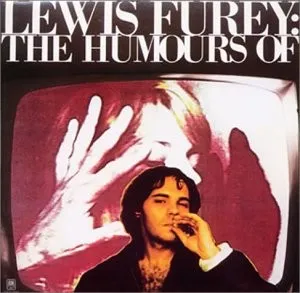
The Humours Of
Lewis Furey
Rock Musical
Vaudeville
1975
1
/5
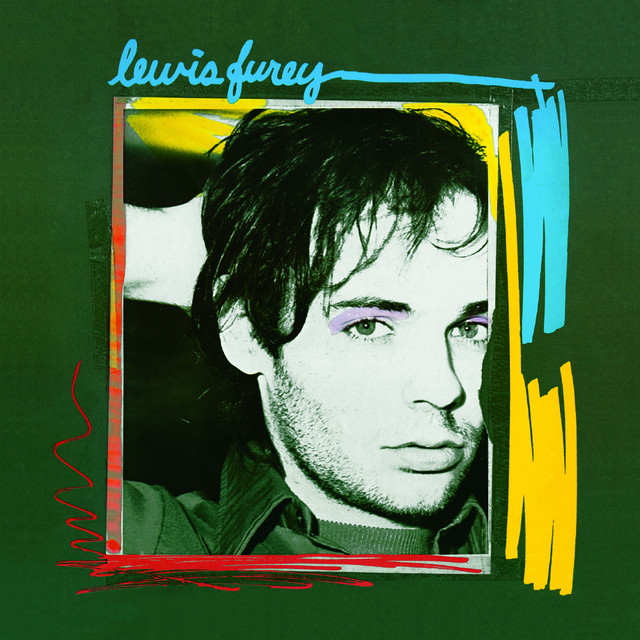
Lewis Furey
Lewis Furey
Cabaret
Musical Theatre And Entertainment
Similar artists
1
/5
Various Artists
Afro-Funk
Alternative Rock
Ambient
1
/5
Jacqueline Humbert
Art Pop
Avant-Garde
Cabaret
2
/5
The Tiger Lillies
Cabaret
Avant-Garde
Dark Cabaret
2
/5
Van Dyke Parks
Art Pop
Baroque Pop
Calypso
2
/5
Momus
Art Pop
Baroque Pop
Electronic
4
/5
Frank Sinatra
Big Band
Jazz
Swing
4
/5
Peggy Lee
Big Band
Vocal Jazz
Jazz
3
/5
Benny Andersson
Show Tunes
Soundtrack
Neo-Classical
3
/5
Björn Ulvaeus
Show Tunes
Soundtrack
Pop
3
/5
Tim Rice
Musical
Pop
Show Tunes
Download our mobile app
Get the Melodigging app and start digging for new genres on the go
Download on the App Store
Get it on Google Play
© 2026 Melodigging
Give feedback
Legal
Melodding was created as a tribute to
Every Noise at Once
, which inspired us to help curious minds keep digging into music's ever-evolving genres.