Genres
Artists
Albums
Make Music
Sign in
Sign in
Artists
Black Metal
Artists
Black Metal
Leviathan
2003–2015
·
4 albums
Listen
2
/5
Genres
Autonomous Black Metal
Autonomous black metal is a politically radical branch of black metal that aligns itself with left-wing, anarchist, and anti-fascist principles. Sometimes overlapping with or framed as RABM (Red & Anarchist Black Metal), it emphasizes DIY ethics, community self-organization, and explicit opposition to authoritarianism and bigotry. Musically, it combines the raw tremolo-picked riffing, blast beats, and shrieked vocals of classic black metal with the urgency and rhythmic propulsion of crust punk and d-beat. Production is often intentionally unvarnished to preserve intensity and immediacy, while atmospheric passages, field recordings, or folk-inflected interludes may appear to underline ecological or social themes. Lyrically, the style addresses anti-capitalism, labor struggles, anti-fascism, feminism, anti-racism, environmentalism, and solidarity with social movements, frequently tying releases to benefit causes and grassroots networks.
Discover
Listen
Dissonant Black Metal
Dissonant black metal is a branch of black metal defined by deliberately atonal, interval‑clashing guitar work (minor seconds, tritones, clustered dyads), a cleaner and more surgical production than the classic second‑wave template, and complex, often through‑composed song forms. Instead of consonant tremolo motifs, riffs intertwine in contrary motion and chromatic voice‑leading, while drums pivot between high‑velocity blasts and fractured, off‑kilter figures. Vocals are typically rasped or incantatory, and lyrics lean toward metaphysical, theological, or esoteric themes. The overall effect is tense, vertiginous, and cerebral—black metal’s bleak atmosphere reimagined with modernist harmonic language.
Discover
Listen
Atmospheric Black Metal
Atmospheric black metal is a branch of black metal that emphasizes immersive, expansive soundscapes and mood as much as raw aggression. It typically blends tremolo‑picked guitars, blast beats, and harsh vocals with sustained synthesizer pads, reverbs, field recordings, and long-form, meditative song structures. The genre often evokes images of nature, wintry or forested environments, and cosmic vastness. Production ranges from lo‑fi, foggy textures to clear but distant mixes that preserve a sense of space. Harmonically, it leans on minor and modal colors, drones, and repeating motifs to create a trance-like intensity rather than riff-showmanship. Where traditional black metal can be claustrophobically fierce, atmospheric black metal opens the sonic frame—slower passages, ambient interludes, and dynamic arcs are common—so that ferocity and serenity coexist within the same piece.
Discover
Listen
Black Ambient
Black ambient is a dark, minimalist offshoot of ambient music that absorbs the bleak aesthetics, occult imagery, and lo‑fi sensibilities of the early Scandinavian black metal underground. It emphasizes oppressive drones, cavernous reverb, and distorted or corroded textures over melody and rhythm, often feeling more like a hostile environment than a conventional composition. Compared with broader dark ambient, black ambient typically leans harsher and more nihilistic: tape hiss, feedback, and degraded samples are embraced rather than removed; guitars may be processed into indistinct spectral washes; and vocals, if present, manifest as distant whispers, ritual chants, or buried screams. The result is a soundworld that evokes desolation, winter, subterranean spaces, and metaphysical dread.
Discover
Listen
Depressive Black Metal
Depressive Black Metal (often abbreviated DSBM) is a bleak, atmospheric offshoot of black metal that emphasizes lethargic, melancholic, and repetitive soundscapes. It blends the harshness of second‑wave black metal with slow to mid‑tempo pacing, droning tremolo‑picked guitars, sparse or lo‑fi production, and an oppressive sense of mood. Vocals range from high‑pitched wails and piercing screams to strained cleans, whispers, and spoken laments. Lyrics dwell on themes of depression, suicide, isolation, nihilism, and misanthropy. Many tracks include non‑distorted or clean‑guitar passages, minimalist piano/keys, or ambient interludes to heighten the sense of emotional desolation. Structurally, songs are often long and cyclical, prioritizing atmosphere over virtuosity. The result is a raw but hauntingly intimate expression that sits between black metal’s aggression and dark ambient’s spacious melancholy.
Discover
Listen
Drone Metal
Drone metal (often called drone doom) is an extreme, minimalist offshoot of doom metal that centers on sustained tones, monumental volume, and glacial tempos. Rather than relying on riffs or conventional grooves, it foregrounds long, vibrating chords, amplifier feedback, and the physical presence of sound itself. Its textures are typically cavernous and monochromatic, with guitars tuned very low, notes held for extended durations, and percussion either sparse or entirely absent. Vocals—if present—range from ritualistic chants to guttural growls or distant murmurs, often treated as another layer of texture rather than a narrative lead. The result is immersive and meditative, yet crushing: a music of weight, space, and resonance that emphasizes timbre and decay over melody and rhythm.
Discover
Listen
Usbm
USBM (United States Black Metal) is the American branch of black metal, marked by a wide stylistic spectrum that runs from raw, lo‑fi ferocity to expansive, atmospheric and genre‑blurring forms. While it preserves the core elements of black metal—tremolo‑picked guitars, blast beats, and shrieked vocals—it often emphasizes individualism, existential or nature‑focused themes, and an experimental approach that draws from punk, ambient, post‑rock, and noise. Regional currents are notable: the Pacific Northwest (often dubbed “Cascadian”) favors long, immersive songs and environmental/nature themes; other hubs (California, the Midwest, the Northeast, and Texas) contributed raw, depressive, and progressive strains that helped define a distinctly American identity within black metal.
Discover
Listen
Black Metal
Black metal is a form of extreme metal defined by fast tempos, tremolo‑picked guitar lines, blast‑beat drumming, shrieked or rasped vocals, and a deliberately raw, icy production aesthetic. Harmonically, it favors minor and modal collections (especially Aeolian and Phrygian), open-string drones, parallel fifths and fourths, tritones, and sparse or suspended chord voicings over blues-derived harmony. Arrangements often employ layered guitars, long-form song structures, and enveloping reverb to create a bleak, otherworldly atmosphere. The genre’s visual and thematic language is equally distinctive: corpse paint, monochrome artwork, and lyrics exploring anti-dogma, nature, pagan myth, cosmic nihilism, and misanthropy. While some scenes have been associated with controversy and extremism, the musical identity centers on sound, atmosphere, and aesthetics rather than any single ideology.
Discover
Listen
Death Metal
Death metal is an extreme subgenre of heavy metal defined by heavily distorted, low‑tuned guitars, rapid and complex riffing, blast beat drumming, and harsh guttural vocals. Its harmonic language favors chromaticism, dissonance, and tremolo-picked lines that create an ominous, abrasive atmosphere. Lyrically, death metal often explores dark or transgressive themes—mortality, mythology, anti-religion, psychological horror, and the macabre—sometimes with philosophical or social commentary. Production ranges from raw and cavernous to hyper-precise and technical, reflecting the genre’s many regional scenes and substyles. From the mid‑1980s Florida scene (Tampa) and parallel developments in the US, UK, and Sweden, death metal evolved into numerous branches including brutal death metal, technical death metal, melodic death metal, and death‑doom, each emphasizing different aspects of speed, complexity, melody, or heaviness.
Discover
Listen
Metal
Metal (often used to mean heavy metal in its broad, umbrella sense) is a loud, guitar-driven style of rock defined by high-gain distortion, emphatic and often martial rhythms, and a dense, powerful low end. It foregrounds riff-based songwriting, dramatic dynamics, virtuosic guitar solos, and commanding vocals that range from melodic wails to aggressive snarls and growls. Harmonically, metal favors minor modes, modal color (Aeolian, Phrygian), chromaticism, and tritone-inflected tension, while thematically it explores power, mythology, the occult, social critique, fantasy, and existential subjects. While adjacent to hard rock, metal typically pushes amplification, distortion, precision, and thematic intensity further, forming a foundation for many specialized subgenres.
Discover
Listen
Ambient
Ambient is a form of electronic and electroacoustic music that prioritizes tone, atmosphere, and texture over conventional song structures and rhythmic drive. It typically features slow-moving harmonies, sustained drones, gentle timbral shifts, and extensive use of space and silence. Rather than drawing attention to itself through hooks or beats, ambient is designed to be as ignorable as it is interesting, rewarding both background listening and focused immersion. Artists often employ synthesizers, samplers, tape loops, field recordings, and subtle acoustic instruments, with reverb and delay creating a sense of place. Substyles range from luminous, consonant soundscapes to darker, more dissonant atmospheres.
Discover
Listen
Rock
Rock is a broad family of popular music centered on amplified instruments, a strong backbeat, and song forms that foreground riffs, choruses, and anthemic hooks. Emerging from mid‑20th‑century American styles like rhythm & blues, country, and gospel-inflected rock and roll, rock quickly expanded in scope—absorbing folk, blues, and psychedelic ideas—while shaping global youth culture. Core sonic markers include electric guitar (often overdriven), electric bass, drum kit emphasizing beats 2 and 4, and emotive lead vocals. Rock songs commonly use verse–chorus structures, blues-derived harmony, and memorable melodic motifs, ranging from intimate ballads to high‑energy, stadium‑sized performances.
Discover
Listen
Electronic
Electronic is a broad umbrella genre defined by the primary use of electronically generated or electronically processed sound. It encompasses music made with synthesizers, drum machines, samplers, computers, and studio/tape techniques, as well as electroacoustic manipulation of recorded or synthetic sources. The genre ranges from academic and experimental traditions to popular and dance-oriented forms. While its sonic palette is rooted in electricity and circuitry, its aesthetics span minimal and textural explorations, structured song forms, and beat-driven club permutations. Electronic emphasizes sound design, timbre, and studio-as-instrument practices as much as melody and harmony.
Discover
Listen
Show all 13 genres
Albums
2015
2
/5
Scar Sighted
Leviathan
Dissonant Black Metal
Black Metal
Death Metal
2008
1
/5
A Silhouette in Splinters
Leviathan
Black Ambient
Ambient
Electronic
2008
2
/5
Massive Conspiracy Against All Life
Leviathan
Atmospheric Black Metal
Black Metal
Electronic
2003
2
/5
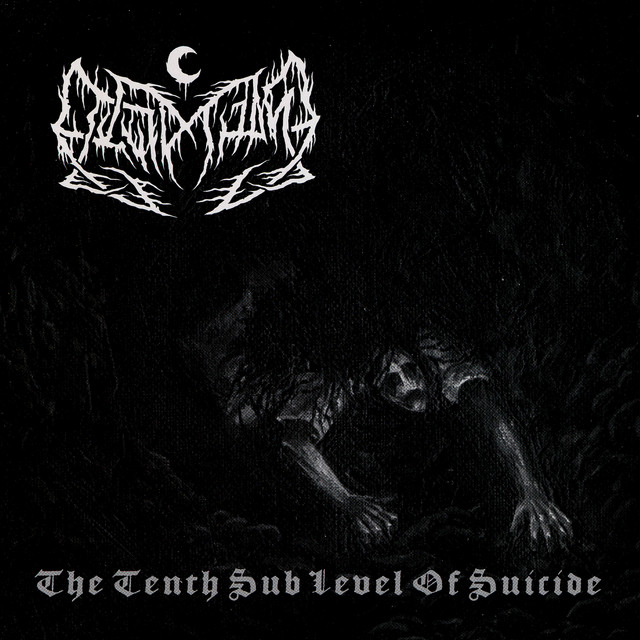
The Tenth Sub Level of Suicide
Leviathan
Usbm
Autonomous Black Metal
Depressive Black Metal
Similar artists
2
/5
Blut Aus Nord
Black Metal
Avant-Garde
Drone Metal
2
/5
Eldamar
Epic Black Metal
Dungeon Synth
Black Metal
1
/5
Darkspace
Black Metal
Atmospheric Black Metal
Dark Ambient
3
/5
Sadness
Blackgaze
Depressive Black Metal
Shoegaze
2
/5
ColdWorld
Bleakgaze
Atmospheric Black Metal
Emotional Black Metal
3
/5
Agalloch
Black Metal
Cascadian Black Metal
Usbm
1
/5
Panopticon
Forest Black Metal
Usbm
Appalachian Black Metal
2
/5
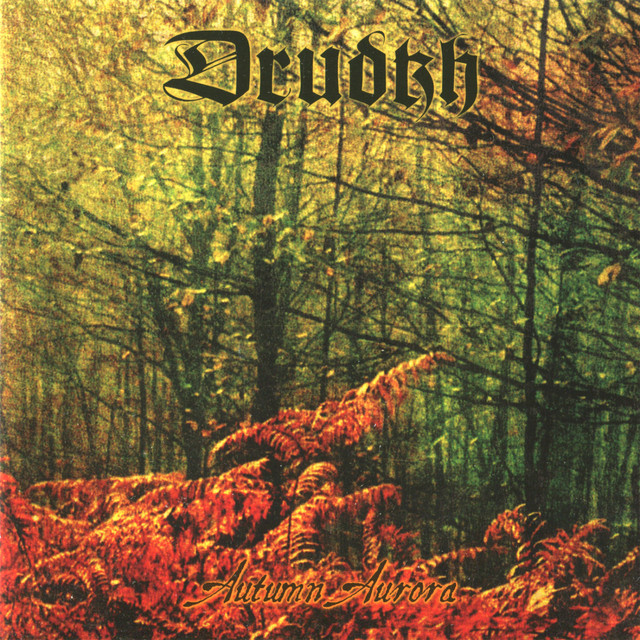
Drudkh
Black Metal
Atmospheric Black Metal
Metal
2
/5
Saor
Forest Black Metal
Folk Black Metal
Black Metal
2
/5
Havukruunu
Black Metal
Medieval Black Metal
Melodic Black Metal
Download our mobile app
Get the Melodigging app and start digging for new genres on the go
Download on the App Store
Get it on Google Play
© 2026 Melodigging
Give feedback
Legal
Melodding was created as a tribute to
Every Noise at Once
, which inspired us to help curious minds keep digging into music's ever-evolving genres.