Genres
Artists
Albums
Make Music
Sign in
Sign in
Artists
Chamber Music
Artists
Chamber Music
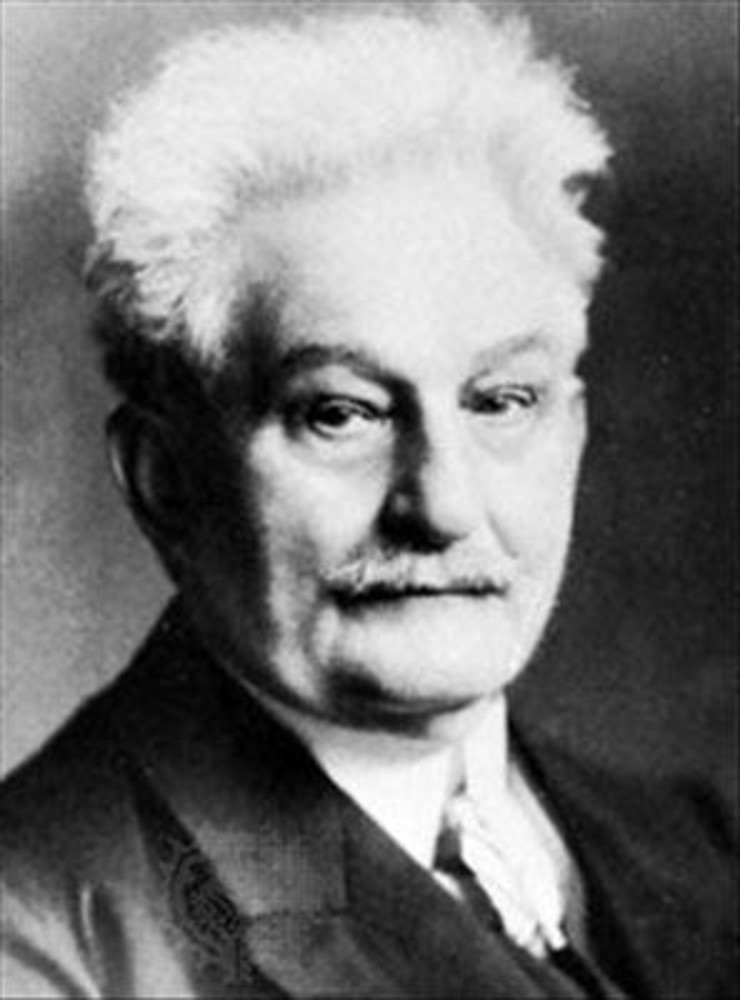
Leoš Janáček
1983–2018
·
3 albums
Listen
3
/5
Genres
Classical Mezzo-Soprano
Classical mezzo-soprano is a repertoire-centered category within Western classical music written for the mezzo-soprano voice—typically ranging roughly from G3/A3 to B5/C6, with a warm, darker timbre and a central tessitura lower than that of the soprano. It encompasses operatic arias (including trouser roles and dramatic character parts), oratorio and sacred solos (e.g., alto/mezzo lines), and art songs (Lieder, mélodie, canzone) that favor a rich middle register, expressive legato, and nuanced text delivery. Across the 19th and 20th centuries, composers standardized voice types (Fächer) in opera houses, and the mezzo-soprano emerged distinctly between soprano and contralto, prized for flexibility (from agile coloratura to dramatic declamation) and a characterful, burnished sound. Today, the tag “classical mezzo-soprano” covers historical and contemporary recordings of operas, oratorios, and song cycles featuring mezzo-soprano soloists, plus concert works written with that specific tessitura in mind.
Discover
Listen
Streichquartett
Streichquartett (string quartet) denotes both an ensemble of two violins, viola, and cello, and the repertory written for that combination. It is the central genre of chamber music in the Western classical tradition. The idiom is defined by a conversational texture among four independent yet interlocking voices. Classical-era works typically unfold in clear forms (especially sonata form), elegant phrase structures, and transparent counterpoint. Across the 19th and 20th centuries the quartet became a crucible for harmonic innovation, structural experimentation, and extended string techniques, while retaining its intimate scale and emphasis on musical dialogue. Because every part is exposed, the medium prizes balance, clarity, and economy of material: a few motives can generate entire movements through imitation, variation, and development.
Discover
Listen
Chamber Music
Chamber music is a tradition of composed music for small ensembles—typically one player per part—intended for intimate spaces such as courts, salons, and private rooms rather than large public halls. Its aesthetic emphasizes clarity of texture, conversational interplay among parts, and balance without a conductor. Hallmark formations include the string quartet, piano trio, wind quintet, string quintet, and various mixed ensembles. Multi‑movement cycles (often in sonata form) and finely wrought counterpoint are common, ranging from Baroque trio sonatas to Classical string quartets and modern works with expanded timbres and techniques. Because of its scale and transparency, chamber music has long been a proving ground for compositional craft and ensemble musicianship, shaping the core of Western art music from the Baroque through the present.
Discover
Listen
Cambridge Choir
“Cambridge choir” refers to the collegiate chapel-choir tradition centered on the University of Cambridge, especially the choirs of King’s, St John’s, Trinity, Clare, and other colleges. It is characterized by an exceptionally blended choral sound; a clear, pure treble line (historically boys, now often mixed or girls’ choirs too); disciplined straight-tone singing with expressive but economical vibrato; immaculate tuning and diction; and a repertoire that runs from late-medieval and Renaissance polyphony through Anglican service music, Romantic and 20th‑century English choral works, to newly commissioned pieces. The sound-world is shaped by highly reverberant college chapels, refined organ accompaniment, and a liturgical performance context (especially Choral Evensong). The annual Festival of Nine Lessons and Carols at King’s College—broadcast worldwide—has made the Cambridge choral style synonymous with Christmas carol singing.
Discover
Listen
Classical
Classical music is the notated art-music tradition of Europe and its global descendants, characterized by durable forms, carefully codified harmony and counterpoint, and a literate score-based practice. The term “classical” can refer broadly to the entire Western art-music lineage from the Medieval era to today, not just the Classical period (c. 1750s–1820s). It privileges long-form structures (such as symphonies, sonatas, concertos, masses, and operas), functional or modal harmony, thematic development, and timbral nuance across ensembles ranging from solo instruments to full orchestras and choirs. Across centuries, the style evolved from chant and modal polyphony to tonal harmony, and later to post-tonal idioms, while maintaining a shared emphasis on written notation, performance practice, and craft.
Discover
Listen
Albums
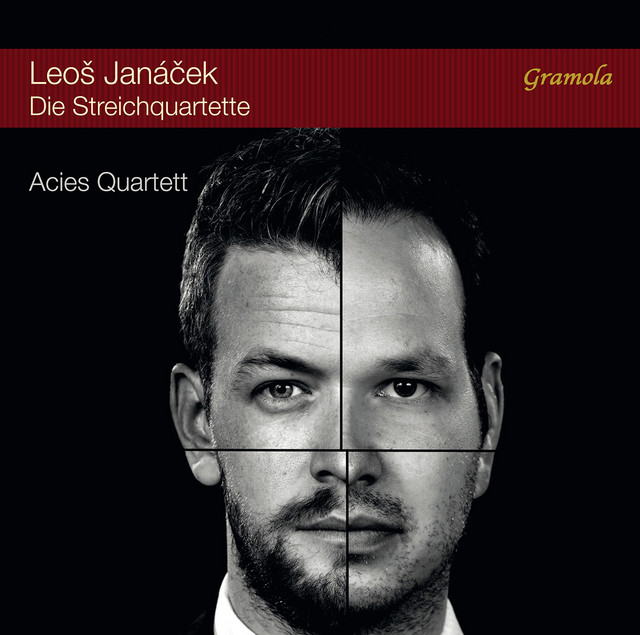
2018
Janácek: Die Streichquartette
Leoš Janáček, Acies Quartett
Streichquartett
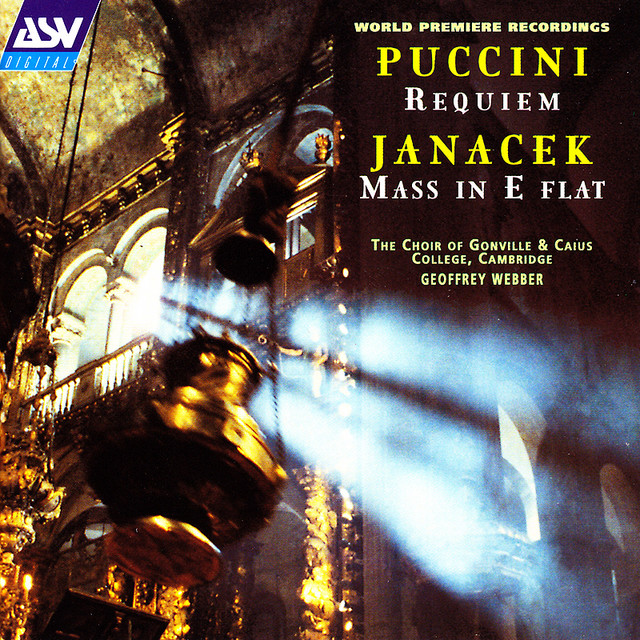
1995
Puccini: Requiem / Janacek: Mass in E flat
Leoš Janáček, Choir of Gonville & Caius College, Cambridge, Geoffrey Webber
Cambridge Choir
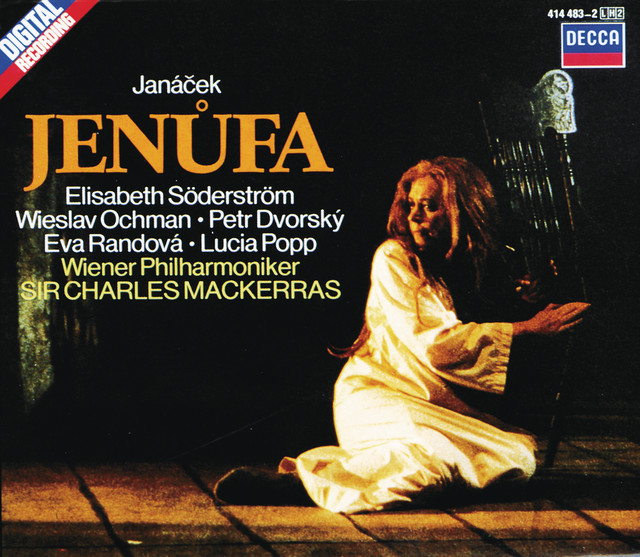
1983
Janácek: Jenufa
Leoš Janáček, Elisabeth Söderström, Peter Dvorsky, Eva Randová, Wiesław Ochman,…
Classical Mezzo-Soprano
Similar artists
4
/5
Johann Sebastian Bach
Baroque
Classical
Baroque Suite
4
/5
Wolfgang Amadeus Mozart
Classical
Requiem
Classical Period
4
/5
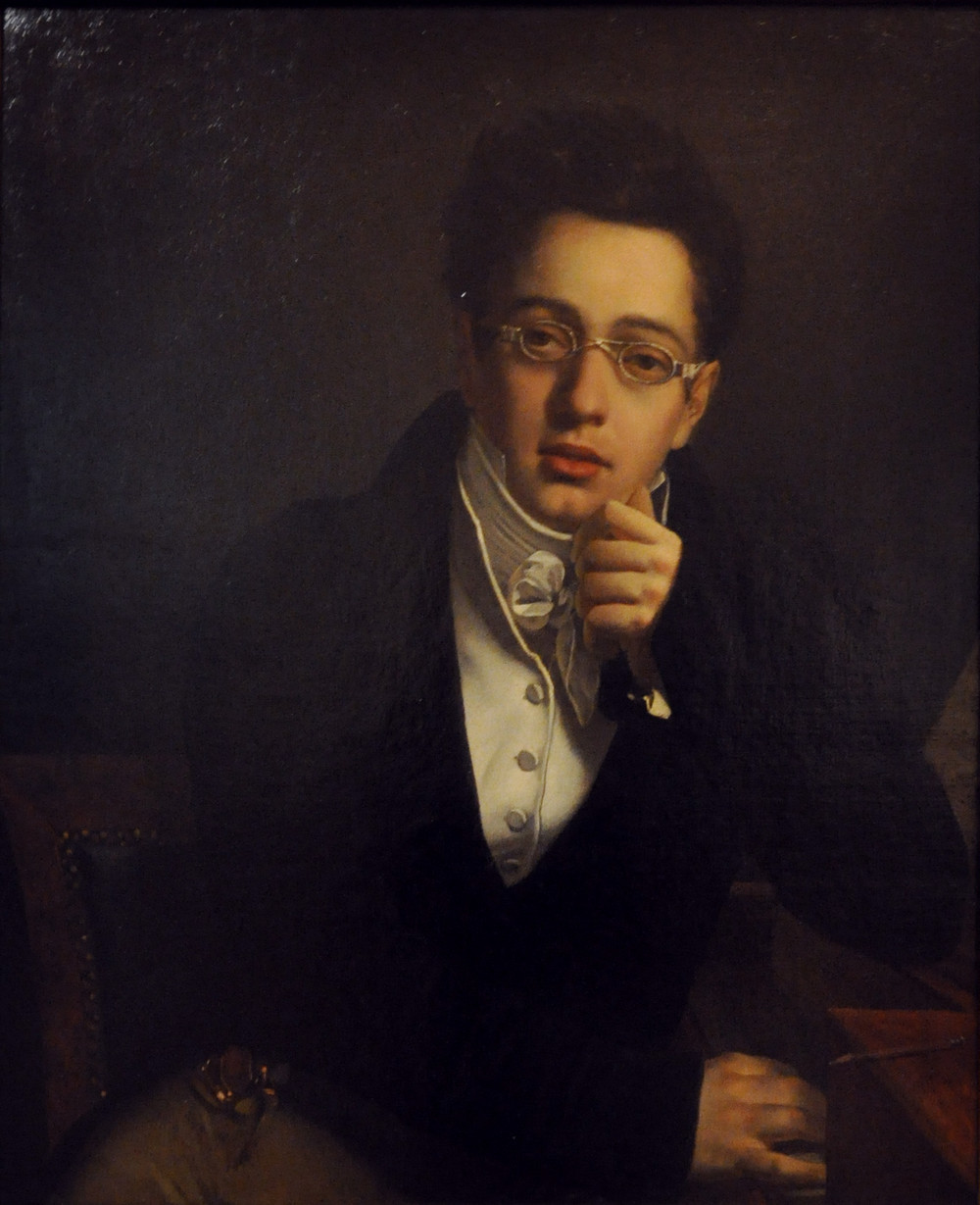
Franz Schubert
Impromptu
Lied
Art Song
4
/5
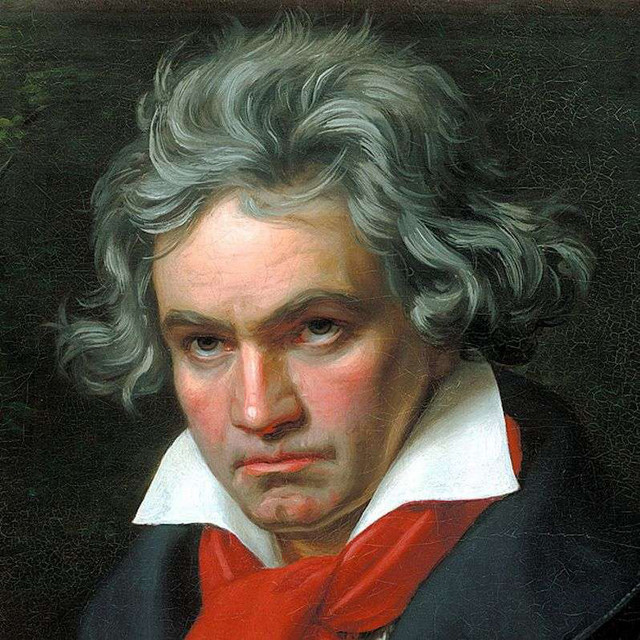
Ludwig van Beethoven
Classical
Classical Period
Romantic Classical
4
/5
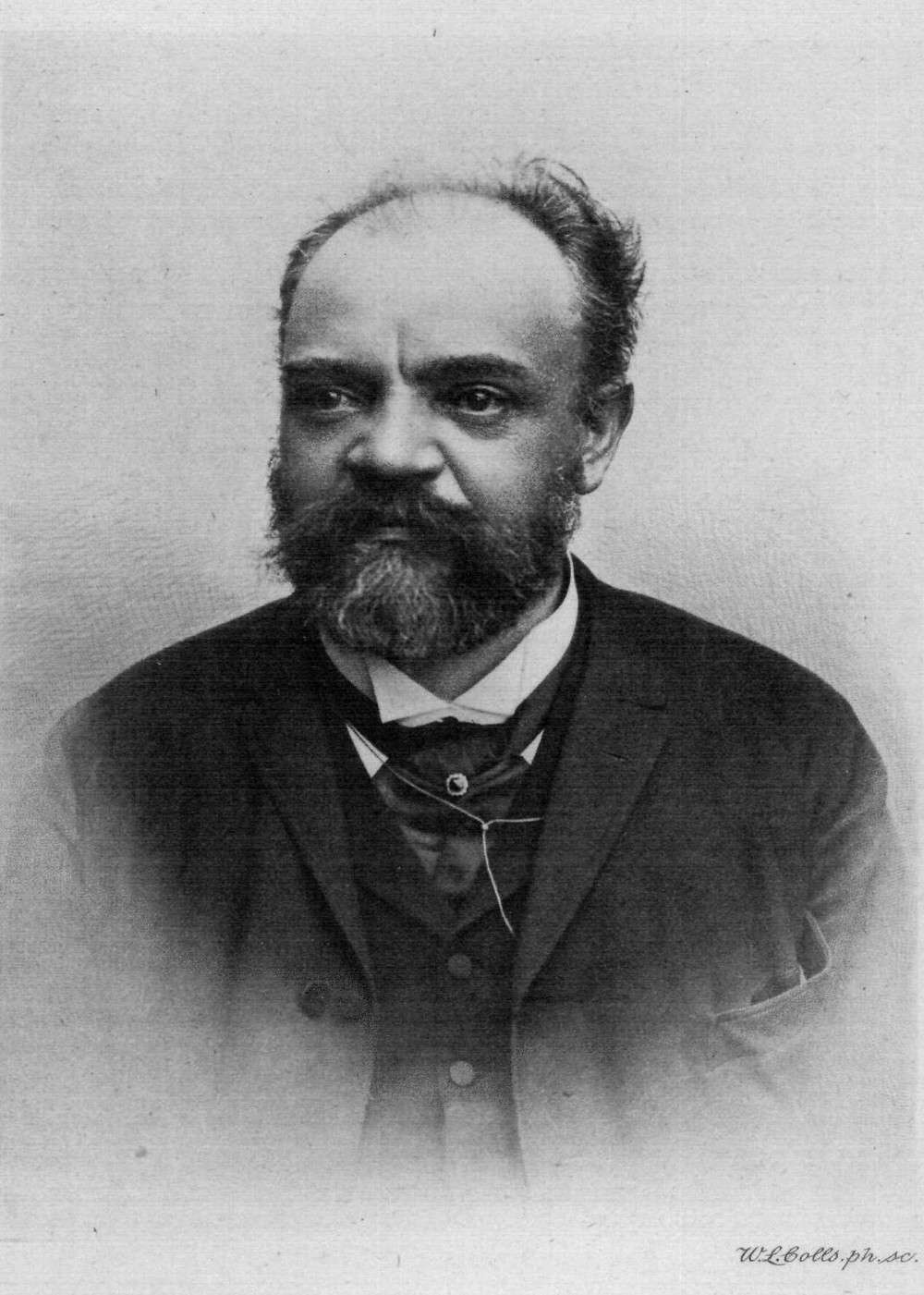
Antonín Dvořák
Classical
Symphony
Symfonicky Orchestr
4
/5
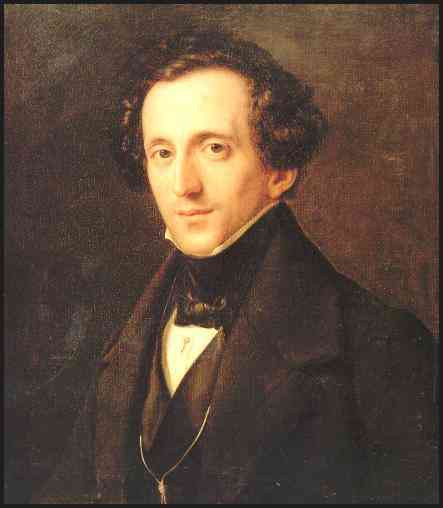
Felix Mendelssohn
Chamber Music
Choral
Classical
3
/5
Joseph Haydn
Classical
Classical Period
Classical Piano Trio
3
/5
Arnold Schoenberg
Expressionism
Second Viennese School
Serialism
2
/5
Britten Sinfonia
Chamber Music
Choral
Classical
2
/5
Schumann Quartett
Chamber Music
Classical
Streichquartett
Download our mobile app
Get the Melodigging app and start digging for new genres on the go
Download on the App Store
Get it on Google Play
© 2026 Melodigging
Give feedback
Legal
Melodding was created as a tribute to
Every Noise at Once
, which inspired us to help curious minds keep digging into music's ever-evolving genres.