Genres
Artists
Albums
Make Music
Sign in
Sign in
Artists
Dance-Punk
Artists
Dance-Punk
LCD Soundsystem
2005–2024
·
9 albums
Listen
4
/5
Genres
Chill Drill
Chill drill is a mellow, melodic offshoot of UK drill that keeps the style’s distinctive sliding 808s, syncopated hi-hats, and snare-on-3 placement, but softens the overall timbre and mood. Instead of ominous synths and harsh textures, it leans on airy pads, Rhodes pianos, gentle guitar loops, and lo‑fi ambience. Vocals tend to be more introspective and tuneful, with sing-rap hooks, laid-back cadences, and reflective lyric themes (romance, ambition, day-to-day life). The result bridges drill’s rhythmic identity with chillhop and lo‑fi hip hop’s relaxed atmosphere, creating tracks that are both groove-driven and easy to live with.
Discover
Listen
Indian Indie
Indian indie is the umbrella for independent, non-film music made in India across languages such as Hindi, English, and numerous regional tongues. It is defined more by its DIY production and artist-led release model than by a single sound. Musically, it spans indie pop and rock, folk-fusion, singer‑songwriter ballads, dream‑pop/shoegaze textures, and electronic‑leaning productions. Artists often blend Western harmony and song forms with raga‑tinged melodies, Indian rhythmic feels, and occasional use of traditional instruments like tabla, bansuri, or sitar. The scene grew rapidly with college festivals, small venues, and digital platforms (YouTube, streaming services, Bandcamp), plus boutique labels and festivals such as NH7 Weekender that created national visibility. Lyrically, it tends to be intimate and contemporary—touching on romance, urban life, identity, and nostalgia—while maintaining accessible hooks and warm, organic sonics.
Discover
Listen
Indie Dream Pop
Indie dream pop blends the hazy, reverb-heavy atmospheres of classic dream pop with the songwriting sensibilities and DIY production ethos of indie music. Typical tracks feature soft, breathy vocals floating over lush guitar textures, analog-leaning synth pads, and understated drum grooves. The sound privileges mood and texture—chorus- and delay-washed guitars, shimmering synths, and gauzy reverbs—while keeping melodies tuneful and intimate. Compared with 1980s dream pop, the "indie" strand leans more on bedroom production, compact song forms, and approachable hooks. Lyrically, themes often center on memory, longing, youth, and small emotional details, delivered in a close-mic, confessional style. The overall aesthetic is nocturnal, nostalgic, and gently hypnotic.
Discover
Listen
Melancholia
Melancholia is an internet-era microgenre centered on soft-focus, sorrow-tinged pop and indie songs that foreground intimacy, space, and emotional candor. Tracks are typically slow to mid‑tempo, sung in a close, almost confessional register, and framed by sparse, reverb‑soaked textures. Sonically it lives between dream pop, bedroom pop, and slowcore: shimmering guitars or wistful synth pads drift over understated beats; piano, acoustic guitar, and low‑key electronic drums carry muted, pulsing grooves. Harmonies often favor minor keys, suspended chords, and gentle extensions (7ths/9ths) that heighten a bittersweet glow. Lyrically, melancholia lingers on solitude, late‑night self‑reflection, breakups, and fragile hope. The genre coalesced through streaming playlists and social media, where its hush, negative space, and diaristic tone translate into a cohesive, instantly recognizable mood.
Discover
Listen
Modern Indie Folk
Modern indie folk is a 2010s-era evolution of indie folk that blends intimate, acoustic songwriting with contemporary production aesthetics. It keeps the core of folk—storytelling, fingerpicked guitars, and close-miked vocals—but expands the palette with ambient textures, chamber-style strings, subtle electronics, cinematic reverb, and spacious, headphone-first mixes. The result is a sound that feels both handcrafted and atmospheric: confessional lyrics carried by hushed deliveries, layered harmonies, and warm analog or tape-like saturation, often moving between 4/4 and swaying 6/8/12/8 meters. At its center are themes of memory, nature, relationships, and quiet self-reckoning, expressed through vivid imagery and minimalist arrangements that bloom into emotive crescendos.
Discover
Listen
Nyc Pop
NYC pop is a contemporary, hook-forward strain of alternative pop centered on artists living and working in New York City. It blends the sheen of electropop and dance-pop with the songwriting sensibilities of indie pop and indie rock, often pairing bright synths, rhythmic guitars, and punchy drums with large, chantable choruses. Lyrically, it frequently references urban life, ambition, relationships, and self-discovery, capturing the speed, romance, and pressure-cooker energy of the city. Production is glossy but retains an indie edge: live instruments sit beside modern electronic textures, with crisp vocal stacking and ear-catching toplines designed for both radio and festival stages.
Discover
Listen
Chamber Psych
Chamber psych blends the intimate, acoustic instrumentation and careful arrangements of chamber pop with the hazy textures, tape-warm production, and surreal harmonies of psychedelic pop. Expect strings, woodwinds, vibraphone, Mellotron, and harpsichord to sit alongside vintage keyboards, gently motorik drums, and fluttering tape delays. Vocals are often close‑mic’d and breathy, melodies skew wistful or otherworldly, and songs privilege mood and arrangement craft over volume. The result feels simultaneously handcrafted and dreamlike: miniature orchestras scoring psychedelic reveries.
Discover
Listen
Classify
Classify is a streaming-era microgenre that blends light classical technique with contemporary pop repertoire, typically presented as unobtrusive instrumental covers. It prioritizes soft dynamics, gentle tempos, and intimate recording to create a calm, elegant backdrop suitable for studying, working, or events. Most arrangements are for solo piano, string quartet, cello/piano duos, or small chamber ensembles. Harmonies remain diatonic and consonant, melodies are clearly voiced, and textures favor arpeggios, ostinati, and sustained legato lines. The overall aesthetic borrows from modern classical and new age moods while retaining the familiarity of pop song forms.
Discover
Listen
New Rave
New rave is a mid‑2000s British-born fusion of indie rock energy and 1990s rave sonics, dressed in day‑glo aesthetics and festival‑size hooks. It pairs live drums, guitars, and chant‑ready vocals with club‑minded synths, sawtooth leads, and heavily sidechained kicks to produce high‑octane, dance‑floor‑friendly songs. Propelled by blogs, MySpace, and hype magazines, the style emphasized communal euphoria and neon futurism while borrowing breakbeats, acid squelches, and rave stabs from earlier UK dance culture. The result is a glossy, maximal sound that feels both nostalgically 90s and distinctly 2000s in its pop-savvy immediacy.
Discover
Listen
Dance-Punk Revival
Dance-punk revival is a 2000s resurgence of the late-1970s/early-1980s dance-punk aesthetic, recast through indie-rock and contemporary club sensibilities. It blends punk’s sharp, aggressive guitars and terse, chantable vocals with disco/house rhythms, elastic funk basslines, and percussive accents such as cowbell, claps, and syncopated hi-hats. Where the original wave drew from no wave and post-punk minimalism, the revival emphasized tighter songcraft, bigger hooks, and production drawing on DJ culture and analog-digital hybrid studios. The result is nervy, kinetic music designed equally for the live stage and the dance floor, often characterized by four-on-the-floor kick drums, angular riffs, and sardonic, deadpan or shout-sung delivery.
Discover
Listen
Post-Punk Revival
Post-punk revival is a guitar-driven rock movement of the early 2000s that reinterprets the wiry minimalism, rhythmic urgency, and austere mood of late-1970s/early-1980s post-punk and new wave for a new era. Its sound emphasizes angular, trebly guitars, driving and often danceable rhythm sections, deadpan-to-baritone vocals, and a cool, detached aesthetic. Bands favor tightly interlocked bass-and-drum grooves, sharp staccato riffs, and production that references vintage post-punk clarity while adding contemporary punch. Themes commonly circle urban ennui, alienation, romance, and nightlife, balancing darkness and momentum.
Discover
Listen
Indietronica
Indietronica is a hybrid of indie rock/pop songwriting and electronic music production. It blends guitars, bass, and live vocals with drum machines, samplers, soft-synths, and laptop-based sequencing, often favoring intimate, breathy vocal deliveries and hooky melodic lines. The sound typically features crisp programmed beats, warm analog-style synths, glitchy micro-edits, and dreamy pads, with arrangements that move between reflective verses and euphoric, danceable choruses. Lyrics lean toward introspection and romance, while production aesthetics range from lo‑fi bedroom textures to polished, club‑ready gloss.
Discover
Listen
Alternative Dance
Alternative dance blends the textures and songwriting of alternative rock and post‑punk with club‑oriented rhythms and production. Born in the UK at the cusp of the late 1980s “Second Summer of Love,” it embraced house/acid house grooves, sequenced bass lines, and sampling while keeping indie sensibilities, guitars, and song structures. The result is music that works on a dancefloor but still reads like an alternative single. Typical hallmarks include four‑on‑the‑floor or breakbeat drums, jangly or funky guitars, prominent bass (often synth), euphoric pads, and hook‑forward vocals. Landmark albums like New Order’s Technique and Primal Scream’s Screamadelica helped define its palette and ethos.
Discover
Listen
Alternative Rock
Alternative rock is a broad umbrella for guitar-based rock that emerged from the independent and college-radio scenes as a counterpoint to mainstream, commercial rock. It blends the energy and ethos of punk with the textural and songwriting experiments of post-punk, new wave, jangle pop, and noise rock, often foregrounding introspective or socially aware lyrics. Across its many strains—from the melodic minimalism of college rock to the loud-quiet-loud dynamics of grunge and the artful experimentation of Radiohead-era modernism—alternative rock prioritizes authenticity, sonic individuality, and a do-it-yourself approach. Its sound ranges from chiming, chorus-laden clean guitars to abrasive distortion and feedback, supported by straightforward rock rhythms or off-kilter grooves, and production that can be either raw and live-sounding or polished yet unconventional.
Discover
Listen
Indie Rock
Indie rock is a subgenre of rock and a branch of alternative rock that coalesced in the early–mid 1980s around independent labels and DIY practices in the United Kingdom, the United States, and New Zealand. Defined less by a single sound than by an ethos, indie rock favors non‑mainstream approaches, self‑recording and small‑label distribution, and an interest in pop‑informed melody and eclectic experimentation. Hallmarks include jangly or fuzzed guitars, intimate or deadpan vocals, off‑kilter song structures, and production that often preserves a raw, “authentic” feel rather than glossy studio polish.
Discover
Listen
Dance-Punk
Dance-punk is a fusion of punk’s abrasive energy and attitude with the groove-forward rhythms of funk and disco. It favors tight, four-on-the-floor drum patterns, rubbery and syncopated bass lines, choppy, scratchy rhythm guitars, and percussion accents like cowbell and handclaps. Vocals are often shouted, talk-sung, or delivered with sardonic cool, and lyrics tend to be ironic, urban, and socially observant. A first wave emerged in the late 1970s and early 1980s alongside post-punk and no wave scenes (especially in New York and the UK), while a high-profile revival in the early 2000s (centered around DFA Records) brought analog synths, minimalist production, and indie-club sensibilities back to the fore.
Discover
Listen
New Wave
New wave is a broad, pop-oriented umbrella for styles that emerged in the mid-to-late 1970s as a sleeker, more melodic outgrowth of punk culture. Initially, the term varied by region: in the United States it was first used by critics and labels (famously Sire Records’ “Don’t Call It Punk” campaign in 1977) to rebrand punk-associated artists with more radio-friendly aesthetics; in the United Kingdom it encompassed a wider constellation of fresh, stylish post-punk-era sounds. Over time, “new wave” became a catch‑all for hooky guitar pop, synth-driven songs, danceable rhythms, and modernist production sensibilities. Sonically, it blends tight, upbeat rhythms (often disco- and reggae-informed), clean chorus/flanger guitars, prominent synthesizers, and concise, hook-led songwriting. Its visual identity—sharp suits, futurist imagery, and fashion-forward presentation—was integral, aligning with the rise of music television and emphasizing art-school wit, irony, and modern urban themes.
Discover
Listen
Disco
Disco is a dance-music genre and nightlife subculture that crystallized in the United States during the 1970s, drawing especially from African-American, Italian-American, Latino, and queer club communities. Musically, disco is typified by a steady four-on-the-floor kick drum, syncopated and melodic electric-bass lines, lush string sections, bright brass and horns, electric pianos and synthesizers, and percussive, choppy rhythm guitars. Arrangements often feature orchestral colors, handclaps, congas, and vibraphone or bell textures, all engineered to deliver a continuous, groove-forward experience for the dance floor. The style combines the rich orchestration and romantic sweep of Philadelphia soul with the bottom-end drive of funk and the songcraft of contemporary R&B/pop, delivered in DJ-friendly extended mixes and 12-inch singles designed for club play.
Discover
Listen
Electro-Disco
Electro-disco is a late-1970s strand of disco that foregrounds electronic instruments—sequenced synthesizers, drum machines, and vocoders—over traditional rhythm sections. It typically features a steady four-on-the-floor kick, arpeggiated or step-sequenced basslines, lush string or pad textures, and futurist or space-themed aesthetics. Tempos usually sit between 115–128 BPM, with extended arrangements designed for DJs. Pioneered in European studios (especially Munich), the sound’s clean, machine-like pulse and repetitive motifs bridged classic disco with the coming era of synth-pop, Hi-NRG, house, and techno.
Discover
Listen
Progressive Electronic
Progressive electronic is a 1970s-born branch of electronic music that applies the exploratory ethos of progressive rock to synthesizers, sequencers, and studio-as-instrument techniques. It favors long-form structures, evolving textures, and thematic development over verse–chorus song forms. Hallmarks include analog synth timbres (Moog, ARP), step-sequenced ostinatos, spacious tape and plate reverbs, and gradual modulation of filters and envelopes. The music often embraces minimalistic repetition, cosmic and cinematic atmospheres, and a sense of narrative journey, connecting it to krautrock’s experimentalism and early ambient’s focus on tone and space.
Discover
Listen
Space Disco
Space disco is a late-1970s European strain of disco that blends four-on-the-floor dance rhythms with futuristic, science-fiction aesthetics. It emphasizes synthesizers, arpeggiators, vocoders, and lush cosmic sound design, often evoking images of star travel, high technology, and utopian futures. Characterized by sleek motorik grooves, glittering pads, phased strings, and shimmering effects, space disco extends the hedonistic pulse of disco into a more cinematic, electronic realm. Extended mixes, dramatic breakdowns, and DJ-friendly intros/outros are common, while cover art and themes frequently reference astronauts, nebulae, and spacecraft.
Discover
Listen
Electronic Rock
Electronic rock is a fusion genre that blends the instrumentation, songwriting, and performance energy of rock with the timbres, tools, and production methods of electronic music. Guitars, bass, and live drums coexist with synthesizers, drum machines, sequencers, and samplers, yielding textures that can range from shimmering and atmospheric to gritty and industrial. Stylistically, electronic rock spans motorik grooves and experimental soundscapes, the sleek sheen of new wave and synth-driven hooks, the distortion and aggression of industrial-influenced rock, and the minimalist pulse of indie and dance-oriented hybrids. It often emphasizes sound design, studio processing, and loop-driven rhythms while retaining rock’s song forms, vocal presence, and live performance ethos.
Discover
Listen
Rock
Rock is a broad family of popular music centered on amplified instruments, a strong backbeat, and song forms that foreground riffs, choruses, and anthemic hooks. Emerging from mid‑20th‑century American styles like rhythm & blues, country, and gospel-inflected rock and roll, rock quickly expanded in scope—absorbing folk, blues, and psychedelic ideas—while shaping global youth culture. Core sonic markers include electric guitar (often overdriven), electric bass, drum kit emphasizing beats 2 and 4, and emotive lead vocals. Rock songs commonly use verse–chorus structures, blues-derived harmony, and memorable melodic motifs, ranging from intimate ballads to high‑energy, stadium‑sized performances.
Discover
Listen
Electronic
Electronic is a broad umbrella genre defined by the primary use of electronically generated or electronically processed sound. It encompasses music made with synthesizers, drum machines, samplers, computers, and studio/tape techniques, as well as electroacoustic manipulation of recorded or synthetic sources. The genre ranges from academic and experimental traditions to popular and dance-oriented forms. While its sonic palette is rooted in electricity and circuitry, its aesthetics span minimal and textural explorations, structured song forms, and beat-driven club permutations. Electronic emphasizes sound design, timbre, and studio-as-instrument practices as much as melody and harmony.
Discover
Listen
Show all 24 genres
Albums
2024
1
/5
x-ray eyes (extended trash can dub)
LCD Soundsystem
Dance-Punk
Electronic Rock
New Rave
2022
3
/5
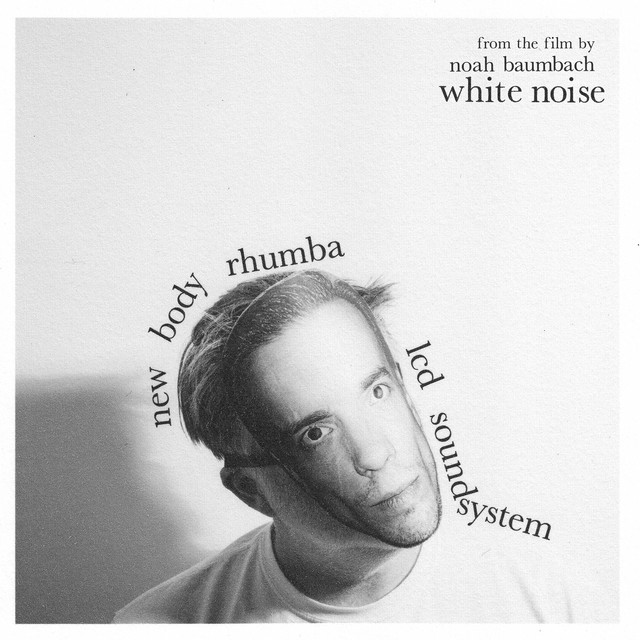
new body rhumba (from the film White Noise)
LCD Soundsystem
Dance-Punk
Electronic Rock
New Rave
2017
3
/5
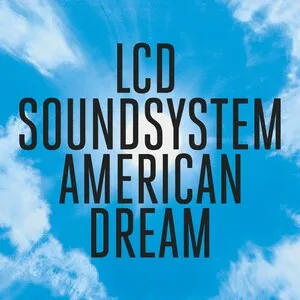
American Dream
LCD Soundsystem
Dance-Punk
Electronic
New Wave
2015
2
/5
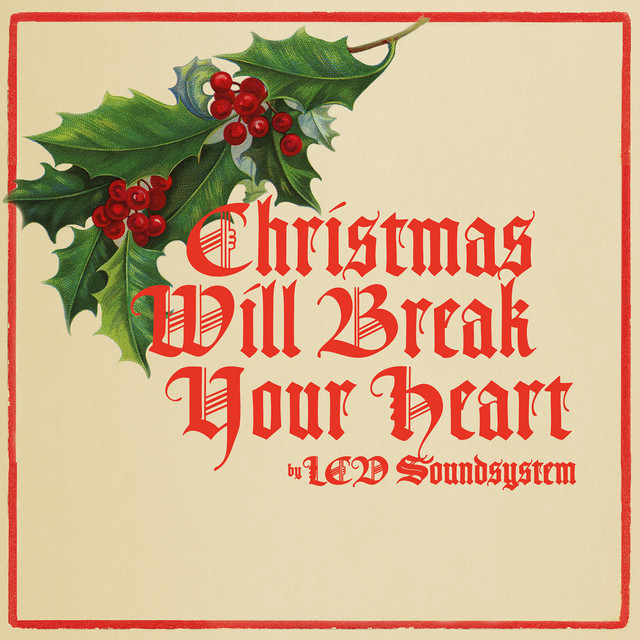
christmas will break your heart
LCD Soundsystem
Dance-Punk
Alternative Rock
Rock
2010
4
/5
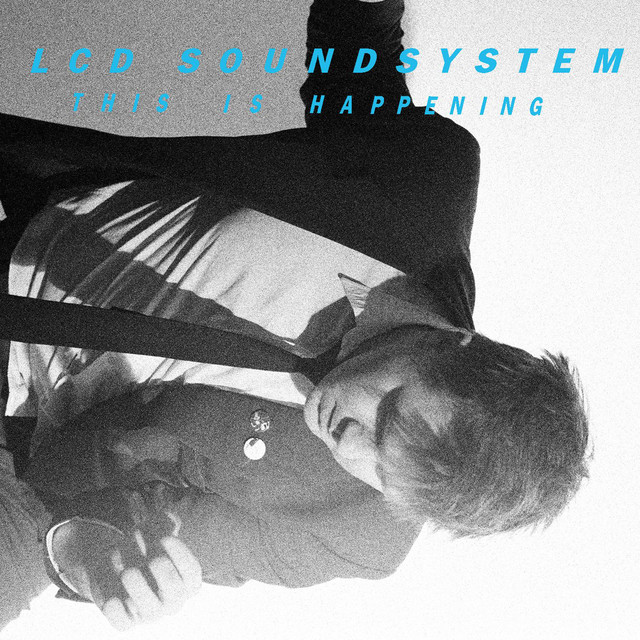
This Is Happening
LCD Soundsystem
Alternative Dance
Dance-Punk
Dance-Punk Revival
2007
1
/5
45:33
LCD Soundsystem
Electro-Disco
Dance-Punk
Disco
2007
4
/5
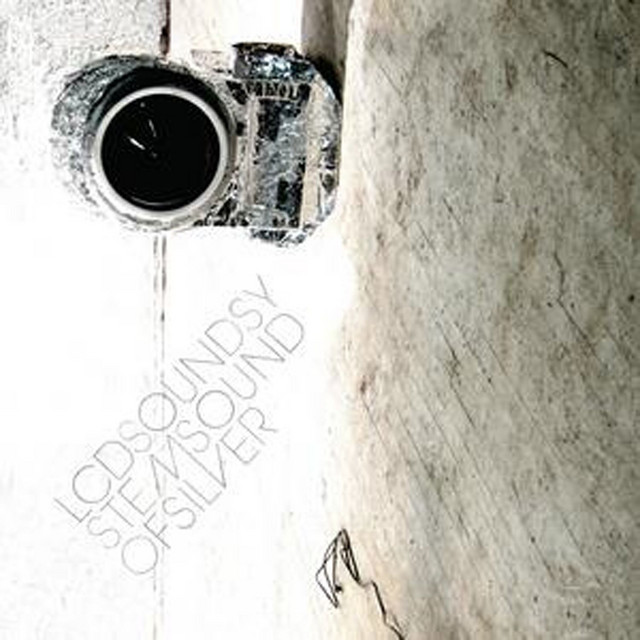
Sound of Silver
LCD Soundsystem
Alternative Dance
Dance-Punk
Dance-Punk Revival
2005
4
/5
LCD Soundsystem
LCD Soundsystem
Dance-Punk Revival
Dance-Punk
Post-Punk Revival
45:33
LCD Soundsystem
Space Disco
Similar artists
4
/5
Justice
Electro House
French Electro
Nu Disco
3
/5
Soulwax
Mashup
Alternative Dance
Electroclash
1
/5
Various Artists
Afro-Funk
Alternative Rock
Ambient
4
/5
Franz Ferdinand
Indie Rock
Dance-Rock
Chill Pop
3
/5
White Lies
Dance-Punk
New Rave
Alternative Dance
4
/5
Yeah Yeah Yeahs
Indie Rock
Dance-Punk
New Rave
4
/5
Bloc Party
Dance-Punk
Indie Rock
New Rave
4
/5
Crystal Castles
Bitpop
Digital Hardcore
Nintendocore
3
/5
The Ting Tings
Alternative Dance
Dance-Punk
Neo-Synthpop
4
/5
Metronomy
New Rave
Alternative Dance
Chill Pop
Download our mobile app
Get the Melodigging app and start digging for new genres on the go
Download on the App Store
Get it on Google Play
© 2026 Melodigging
Give feedback
Legal
Melodding was created as a tribute to
Every Noise at Once
, which inspired us to help curious minds keep digging into music's ever-evolving genres.