Genres
Artists
Albums
Make Music
Sign in
Sign in
Artists
Indie Rock
Artists
Indie Rock
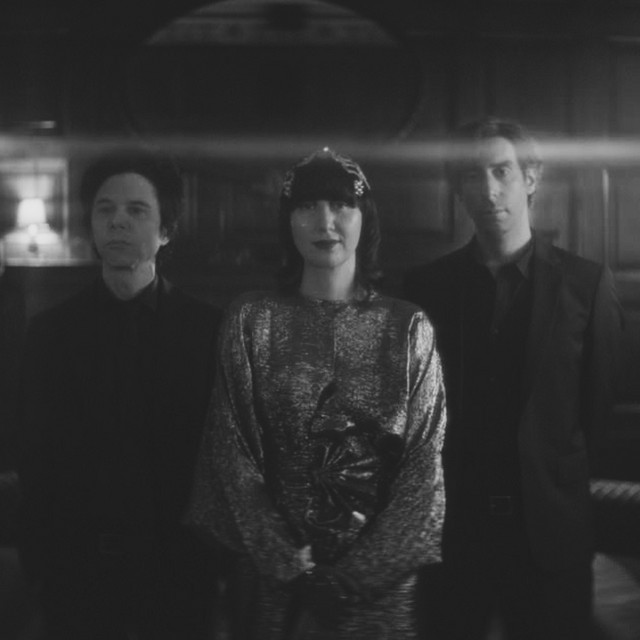
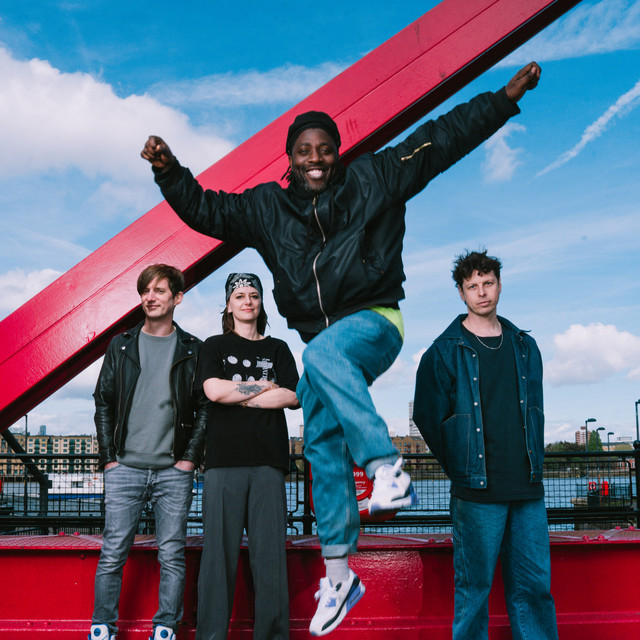
Yeah Yeah Yeahs
2003–2023
·
5 albums
Listen
4
/5
Genres
Experimental Indie
Experimental indie is a broad, exploratory wing of independent rock and pop that prioritizes curiosity over convention. It blends DIY recording practices with off‑kilter song forms, unusual timbres, and a willingness to fold in ideas from avant‑pop, noise, electronic music, and psych. Rather than a fixed sound, it is a method and attitude: use the tools at hand (bedroom rigs, pedals, samplers, tape, software) to push past genre borders, while keeping the immediacy and intimacy of indie. Expect jagged rhythms, warped hooks, collage‑like arrangements, and production choices that foreground texture as much as melody.
Discover
Listen
Indian Indie
Indian indie is the umbrella for independent, non-film music made in India across languages such as Hindi, English, and numerous regional tongues. It is defined more by its DIY production and artist-led release model than by a single sound. Musically, it spans indie pop and rock, folk-fusion, singer‑songwriter ballads, dream‑pop/shoegaze textures, and electronic‑leaning productions. Artists often blend Western harmony and song forms with raga‑tinged melodies, Indian rhythmic feels, and occasional use of traditional instruments like tabla, bansuri, or sitar. The scene grew rapidly with college festivals, small venues, and digital platforms (YouTube, streaming services, Bandcamp), plus boutique labels and festivals such as NH7 Weekender that created national visibility. Lyrically, it tends to be intimate and contemporary—touching on romance, urban life, identity, and nostalgia—while maintaining accessible hooks and warm, organic sonics.
Discover
Listen
Indie Dream Pop
Indie dream pop blends the hazy, reverb-heavy atmospheres of classic dream pop with the songwriting sensibilities and DIY production ethos of indie music. Typical tracks feature soft, breathy vocals floating over lush guitar textures, analog-leaning synth pads, and understated drum grooves. The sound privileges mood and texture—chorus- and delay-washed guitars, shimmering synths, and gauzy reverbs—while keeping melodies tuneful and intimate. Compared with 1980s dream pop, the "indie" strand leans more on bedroom production, compact song forms, and approachable hooks. Lyrically, themes often center on memory, longing, youth, and small emotional details, delivered in a close-mic, confessional style. The overall aesthetic is nocturnal, nostalgic, and gently hypnotic.
Discover
Listen
Indie Pop Rap
Indie pop rap blends the melodic hooks and DIY aesthetic of indie pop with conversational, often introspective rap delivery. The production favors warm, guitar- or synth-led beats, understated drums, and lo‑fi textures over bombastic trap maximalism. Lyrically, it leans personal and relatable—relationships, coming of age, mental health, and day-to-day vignettes—delivered in a half-sung, half-rapped style. The sound was shaped by bedroom producers and the streaming era, where low-stakes, catchy songs with intimate vocals thrive on playlists and social media.
Discover
Listen
Indiecoustica
Indiecoustica blends the intimacy of acoustic singer‑songwriter traditions with the melodic sensibilities of indie pop and the organic warmth of indie folk. Typically centered on fingerpicked or lightly strummed acoustic guitar (often paired with piano, soft percussion, and stacked vocal harmonies), the style favors close‑mic'd vocals, gentle dynamics, and evocative, cinematic builds. Its songs are crafted for emotional immediacy and clarity, making the genre a frequent fit for sync placements in film, television, and branded content. Arrangements are spacious and textural rather than dense, using handclaps, stomps, shakers, glockenspiel, and subtle strings to add lift without overpowering the core acoustic performance.
Discover
Listen
Melancholia
Melancholia is an internet-era microgenre centered on soft-focus, sorrow-tinged pop and indie songs that foreground intimacy, space, and emotional candor. Tracks are typically slow to mid‑tempo, sung in a close, almost confessional register, and framed by sparse, reverb‑soaked textures. Sonically it lives between dream pop, bedroom pop, and slowcore: shimmering guitars or wistful synth pads drift over understated beats; piano, acoustic guitar, and low‑key electronic drums carry muted, pulsing grooves. Harmonies often favor minor keys, suspended chords, and gentle extensions (7ths/9ths) that heighten a bittersweet glow. Lyrically, melancholia lingers on solitude, late‑night self‑reflection, breakups, and fragile hope. The genre coalesced through streaming playlists and social media, where its hush, negative space, and diaristic tone translate into a cohesive, instantly recognizable mood.
Discover
Listen
Modern Indie Folk
Modern indie folk is a 2010s-era evolution of indie folk that blends intimate, acoustic songwriting with contemporary production aesthetics. It keeps the core of folk—storytelling, fingerpicked guitars, and close-miked vocals—but expands the palette with ambient textures, chamber-style strings, subtle electronics, cinematic reverb, and spacious, headphone-first mixes. The result is a sound that feels both handcrafted and atmospheric: confessional lyrics carried by hushed deliveries, layered harmonies, and warm analog or tape-like saturation, often moving between 4/4 and swaying 6/8/12/8 meters. At its center are themes of memory, nature, relationships, and quiet self-reckoning, expressed through vivid imagery and minimalist arrangements that bloom into emotive crescendos.
Discover
Listen
Nyc Pop
NYC pop is a contemporary, hook-forward strain of alternative pop centered on artists living and working in New York City. It blends the sheen of electropop and dance-pop with the songwriting sensibilities of indie pop and indie rock, often pairing bright synths, rhythmic guitars, and punchy drums with large, chantable choruses. Lyrically, it frequently references urban life, ambition, relationships, and self-discovery, capturing the speed, romance, and pressure-cooker energy of the city. Production is glossy but retains an indie edge: live instruments sit beside modern electronic textures, with crisp vocal stacking and ear-catching toplines designed for both radio and festival stages.
Discover
Listen
Vixa
Vixa is a Polish club-oriented strain of mainstream EDM that blends the swagger of big room house with the bouncy drive of Melbourne bounce and Dutch house. In Poland, “vixa” is also slang for a wild party, and the genre reflects that ethos: hard-hitting kicks, bold supersaw or brass-stab leads, and simple, chantable hooks designed for maximum dancefloor impact. Typically sitting around 128–132 BPM, vixa favors dramatic snare-roll builds, pitch-rising risers, and explosive drops with offbeat bass patterns. DJ edits of pop and regional hits—reworked into high-energy drops—are common, helping the sound dominate Polish club nights and festival stages where it thrives on big, euphoric moments.
Discover
Listen
The Wave
The Wave is a loosely defined cluster of American post-hardcore/emo bands that surged in the early 2010s as emo-pop’s mainstream moment faded. The name was a tongue‑in‑cheek scene tag that stuck in press coverage, but it points to a real overlap in sound, ethos, and touring networks. Musically, The Wave fuses the urgency of 1990s post‑hardcore and screamo with confessional, literate lyric writing associated with emo. Expect shouted or half‑sung/half‑spoken vocals, dynamic quiet‑loud builds, intricate but driving drums, and guitar textures that shift between glassy clean arpeggios and overdriven, emotive climaxes. The songs often emphasize catharsis, narrative detail, and community-minded DIY presentation.
Discover
Listen
Beats
Beats is a loose, producer-driven category for rhythm-forward instrumentals built around hip‑hop drum patterns without necessarily being rap songs or featuring vocals. It functions as an umbrella for stock, "type," and backing tracks used by rappers, singers, streamers, and content creators, spanning boom‑bap swing to trap hi‑hat grids and R&B‑leaning grooves. On streaming platforms it often appears as standalone instrumentals packaged by tempo, mood, or artist style (e.g., “trap type beat,” “R&B instrumental,” “club beat”), prioritizing portability and utility over artist identity. While rooted in hip‑hop production aesthetics—kicks, snares, 808s, chopped samples—Beats blends downtempo, electronic, and contemporary R&B sensibilities, aiming for clarity, loopability, and immediate vibe.
Discover
Listen
Electronic Trap
Electronic trap is a club-oriented hybrid that fuses modern trap’s drum language (punchy 808 kicks, snappy snares, fast hi-hat rolls) with EDM sound design and festival-style arrangement. Compared to rap-first trap, electronic trap is typically more instrumental and drop-driven, with dramatic buildups, heavy bass drops, and highly processed synths. Common sonic traits include distorted 808 subs, aggressive lead synths, chopped or pitched vocal samples, and big FX transitions (risers, impacts, sweeps). The overall focus is energy, bass weight, and crowd impact on large sound systems.
Discover
Listen
Pov: Indie
"pov: indie" is a social-media-native microstyle built around short, cinematic indie-pop/indie-rock snippets designed to accompany a first-person (POV) narrative. Instead of being defined by a single new musical technique, it is defined by context: the music is chosen or written to feel like the soundtrack to a specific moment (a crush, a late-night walk, moving to a new city, seasonal nostalgia). Sonically it typically uses bright but soft guitars or synths, intimate vocals, simple memorable hooks, and production that reads clearly on phone speakers. The emotional tone is often wistful, tender, and “coming-of-age,” with lyrics that can be understood quickly in a 10–30 second clip.
Discover
Listen
Post-Teen Pop
Post-teen pop is a strand of mainstream and alternative-leaning pop that emerges when teen-pop artists and their audiences age into early adulthood. The sound keeps the immediacy and melody of teen pop, but deepens the subject matter and broadens the production palette with alt-pop, electropop, R&B, and indie sensibilities. Songs typically feature glossy but tastefully restrained production, hook-forward toplines, and lyrics about independence, relationships with more nuance, and self-definition after adolescence. Compared with teen pop, tempos are slightly wider in range, beats can be moodier or more minimal, and synth textures and guitar or R&B inflections are more common.
Discover
Listen
New Rave
New rave is a mid‑2000s British-born fusion of indie rock energy and 1990s rave sonics, dressed in day‑glo aesthetics and festival‑size hooks. It pairs live drums, guitars, and chant‑ready vocals with club‑minded synths, sawtooth leads, and heavily sidechained kicks to produce high‑octane, dance‑floor‑friendly songs. Propelled by blogs, MySpace, and hype magazines, the style emphasized communal euphoria and neon futurism while borrowing breakbeats, acid squelches, and rave stabs from earlier UK dance culture. The result is a glossy, maximal sound that feels both nostalgically 90s and distinctly 2000s in its pop-savvy immediacy.
Discover
Listen
Neo-Synthpop
Neo-synthpop is a 21st‑century revival of 1980s synth‑driven pop that blends vintage analog timbres with modern pop songwriting and contemporary production polish. It retains the genre’s hallmark qualities—catchy hooks, prominent synthesizer leads, arpeggiators, and drum‑machine grooves—while adopting today’s mixing standards, wider stereo imaging, and louder, cleaner masters. Artists in neo-synthpop typically draw on shimmering pads, propulsive eighth‑note basslines, and glossy, reverb‑kissed snares. Lyrically, it often balances youthful romanticism and introspection with a subtly wistful, nostalgic tone, evoking neon‑lit nights, urban melancholia, and bittersweet euphoria. The result feels both retro and new: the immediacy of classic synthpop reframed for modern streaming and live festival contexts.
Discover
Listen
Garage Rock Revival
Garage rock revival is a turn-of-the-millennium resurgence of raw, guitar‑driven rock that consciously channels the immediacy of 1960s garage bands and the urgency of 1970s punk. It favors short songs, distorted riffs, catchy hooks, and a back‑to‑basics band setup over studio gloss and elaborate arrangements. Hallmarks include crunchy overdriven guitars, tight and energetic drum patterns, simple but punchy bass lines, and vocals with a swaggering or detached cool. Production often leans lo‑fi or analog‑inspired, emphasizing room sound and performance over perfection. Lyrically, it tends to focus on youthful nightlife, romance, boredom, style, and urban ennui. Scenes in New York City and Detroit were pivotal for the mainstream breakthrough, with parallel explosions in the UK, Sweden, and Australia. The movement revitalized interest in guitar rock across indie and mainstream audiences.
Discover
Listen
Indie Rock
Indie rock is a subgenre of rock and a branch of alternative rock that coalesced in the early–mid 1980s around independent labels and DIY practices in the United Kingdom, the United States, and New Zealand. Defined less by a single sound than by an ethos, indie rock favors non‑mainstream approaches, self‑recording and small‑label distribution, and an interest in pop‑informed melody and eclectic experimentation. Hallmarks include jangly or fuzzed guitars, intimate or deadpan vocals, off‑kilter song structures, and production that often preserves a raw, “authentic” feel rather than glossy studio polish.
Discover
Listen
Alternative Dance
Alternative dance blends the textures and songwriting of alternative rock and post‑punk with club‑oriented rhythms and production. Born in the UK at the cusp of the late 1980s “Second Summer of Love,” it embraced house/acid house grooves, sequenced bass lines, and sampling while keeping indie sensibilities, guitars, and song structures. The result is music that works on a dancefloor but still reads like an alternative single. Typical hallmarks include four‑on‑the‑floor or breakbeat drums, jangly or funky guitars, prominent bass (often synth), euphoric pads, and hook‑forward vocals. Landmark albums like New Order’s Technique and Primal Scream’s Screamadelica helped define its palette and ethos.
Discover
Listen
Alternative Rock
Alternative rock is a broad umbrella for guitar-based rock that emerged from the independent and college-radio scenes as a counterpoint to mainstream, commercial rock. It blends the energy and ethos of punk with the textural and songwriting experiments of post-punk, new wave, jangle pop, and noise rock, often foregrounding introspective or socially aware lyrics. Across its many strains—from the melodic minimalism of college rock to the loud-quiet-loud dynamics of grunge and the artful experimentation of Radiohead-era modernism—alternative rock prioritizes authenticity, sonic individuality, and a do-it-yourself approach. Its sound ranges from chiming, chorus-laden clean guitars to abrasive distortion and feedback, supported by straightforward rock rhythms or off-kilter grooves, and production that can be either raw and live-sounding or polished yet unconventional.
Discover
Listen
Dance-Punk
Dance-punk is a fusion of punk’s abrasive energy and attitude with the groove-forward rhythms of funk and disco. It favors tight, four-on-the-floor drum patterns, rubbery and syncopated bass lines, choppy, scratchy rhythm guitars, and percussion accents like cowbell and handclaps. Vocals are often shouted, talk-sung, or delivered with sardonic cool, and lyrics tend to be ironic, urban, and socially observant. A first wave emerged in the late 1970s and early 1980s alongside post-punk and no wave scenes (especially in New York and the UK), while a high-profile revival in the early 2000s (centered around DFA Records) brought analog synths, minimalist production, and indie-club sensibilities back to the fore.
Discover
Listen
Post-Punk
Post-punk is a broadly experimental strain of rock that emerged in the late 1970s as artists sought to push beyond the speed, simplicity, and orthodoxy of first-wave punk. It typically features angular, bass-forward grooves; jagged or minimal guitar lines; stark, spacious production; and an openness to dub, funk, electronic, and avant-garde ideas. Lyrics often examine alienation, urban decay, politics, and the inner life with artful or abstract delivery. A studio-as-instrument approach, emphasis on rhythm section interplay, and an appetite for non-rock textures (tape effects, drum machines, found sound, synths) distinguish the style. The result can be danceable yet tense, cerebral yet visceral, and emotionally restrained yet intensely expressive.
Discover
Listen
Garage Rock
Garage rock is a raw, energetic style of rock music that emerged in the mid-1960s from local scenes across North America. Typically performed by amateur or semi-professional teenage bands in basements and suburban garages, the sound is unpolished and immediate, favoring feel over finesse. Its hallmarks include distorted guitars, pounding drums, simple chord progressions (often I–IV–V), prominent Farfisa/Vox organ riffs, and shouted, attitude-heavy vocals. Songs are short, hooky, and driven by rhythmic urgency, with lyrics about teenage love, boredom, rebellion, and swagger. The style became a direct ancestor of proto-punk and punk rock, prized for its do-it-yourself spirit and visceral impact.
Discover
Listen
Rock
Rock is a broad family of popular music centered on amplified instruments, a strong backbeat, and song forms that foreground riffs, choruses, and anthemic hooks. Emerging from mid‑20th‑century American styles like rhythm & blues, country, and gospel-inflected rock and roll, rock quickly expanded in scope—absorbing folk, blues, and psychedelic ideas—while shaping global youth culture. Core sonic markers include electric guitar (often overdriven), electric bass, drum kit emphasizing beats 2 and 4, and emotive lead vocals. Rock songs commonly use verse–chorus structures, blues-derived harmony, and memorable melodic motifs, ranging from intimate ballads to high‑energy, stadium‑sized performances.
Discover
Listen
Show all 24 genres
Albums
2023
1
/5
Heartbroken Rock 2023
Yeah Yeah Yeahs
Dance-Punk
Alternative Dance
New Rave
2022
4
/5
Cool It Down
Yeah Yeah Yeahs
Dance-Punk
Indie Rock
Rock
2009
4
/5
It's Blitz!
Yeah Yeah Yeahs
Dance-Punk
Alternative Dance
New Rave
2009
3
/5
It's Blitz!
Yeah Yeah Yeahs
New Rave
Alternative Rock
Indie Rock
2003
3
/5
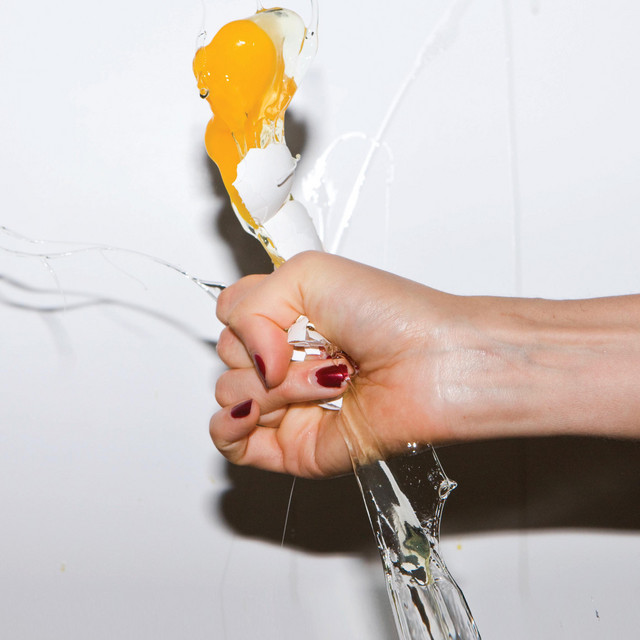
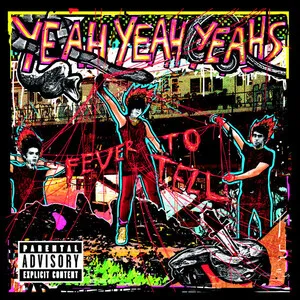
Fever to Tell
Yeah Yeah Yeahs
Garage Rock Revival
Indie Rock
Rock
Similar artists
4
/5
Bloc Party
Dance-Punk
Indie Rock
New Rave
3
/5
White Lies
Dance-Punk
New Rave
Alternative Dance
3
/5
The Ting Tings
Alternative Dance
Dance-Punk
Neo-Synthpop
1
/5
Various Artists
Afro-Funk
Alternative Rock
Ambient
4
/5
Franz Ferdinand
Indie Rock
Dance-Rock
Chill Pop
3
/5
Gossip
Olympia Wa Indie
Queercore
Rock
3
/5
Klaxons
New Rave
Alternative Dance
Chill Pop
4
/5
Two Door Cinema Club
Indie Rock
Chill Pop
Experimental Indie
4
/5
LCD Soundsystem
Dance-Punk
Alternative Dance
Electronic Rock
3
/5
Soulwax
Mashup
Alternative Dance
Electroclash
Download our mobile app
Get the Melodigging app and start digging for new genres on the go
Download on the App Store
Get it on Google Play
© 2026 Melodigging
Give feedback
Legal
Melodding was created as a tribute to
Every Noise at Once
, which inspired us to help curious minds keep digging into music's ever-evolving genres.