Genres
Artists
Albums
Make Music
Sign in
Sign in
Artists
Electro House
Artists
Electro House
Justice
2007–2024
·
6 albums
Listen
4
/5
Genres
Chill Pop
Chill pop is a contemporary pop micro‑genre that blends radio‑friendly songwriting with the mellow textures of chillout and lo‑fi aesthetics. It favors soft vocals, smooth synths, clean guitar plucks, understated bass, and relaxed, mid‑tempo grooves. Instead of big, bombastic hooks, chill pop tends toward intimate, conversational melodies and minimal, airy arrangements. Production often borrows from bedroom pop and alternative R&B—subtle trap hi‑hats, warm saturation, roomy reverbs, and gentle side‑chain compression—to create a breezy, pastel sound palette well suited to playlists and late‑night listening. Lyrically, chill pop is introspective and relatable: romance, longing, gentle optimism, and coming‑of‑age themes delivered in a plain‑spoken, whisper‑close tone. The result sits between indie pop’s understated cool and mainstream pop’s catchy structures, optimized for the streaming era’s mood‑driven consumption.
Discover
Listen
Dark Clubbing
Dark clubbing is a contemporary, internet-spread club aesthetic that blends the physical energy of techno and EBM with the shadowy atmosphere of darkwave and post‑punk. Typically mid‑tempo to driving (roughly 115–130 BPM), it favors pounding four‑to‑the‑floor kicks, gritty bass synths, cold synthetic textures, and reverb‑soaked vocals. The result is dance music that feels nocturnal and cinematic—equally suited to smoke‑filled basements and late‑night drives. Although it borrows heavily from older traditions (industrial, electro, goth/EBM club culture), dark clubbing cohered as a playlist‑ and DJ‑driven micro‑scene in the late 2010s, unified more by shared mood, sound design, and visual aesthetic (neon noir, chrome, leather, shadow) than by rigid formal rules.
Discover
Listen
Experimental Club Music
Experimental club music (often called post-club or deconstructed club) is a hybrid, avant‑garde approach to club production and performance that treats the dancefloor as a laboratory. It uses the grammar of contemporary club forms—heavy sub‑bass, kick patterns, samples, MC or chopped vocals—as raw material to be cut apart, collaged, and reassembled. Instead of four‑to‑the‑floor regularity, it favors asymmetry, abrupt contrasts, negative space, and extreme sound design drawn from noise, industrial, grime, ballroom/vogue, reggaeton, and internet culture. The result ranges from skeletal, percussive workouts to dense, cinematic soundscapes that can be as confrontational as they are cathartic. Just as importantly, the scene has been a site of diasporic, queer, and trans expression, where identity and politics are embedded in sonic choices and performance practice.
Discover
Listen
Experimental Indie
Experimental indie is a broad, exploratory wing of independent rock and pop that prioritizes curiosity over convention. It blends DIY recording practices with off‑kilter song forms, unusual timbres, and a willingness to fold in ideas from avant‑pop, noise, electronic music, and psych. Rather than a fixed sound, it is a method and attitude: use the tools at hand (bedroom rigs, pedals, samplers, tape, software) to push past genre borders, while keeping the immediacy and intimacy of indie. Expect jagged rhythms, warped hooks, collage‑like arrangements, and production choices that foreground texture as much as melody.
Discover
Listen
Indie Pop Rap
Indie pop rap blends the melodic hooks and DIY aesthetic of indie pop with conversational, often introspective rap delivery. The production favors warm, guitar- or synth-led beats, understated drums, and lo‑fi textures over bombastic trap maximalism. Lyrically, it leans personal and relatable—relationships, coming of age, mental health, and day-to-day vignettes—delivered in a half-sung, half-rapped style. The sound was shaped by bedroom producers and the streaming era, where low-stakes, catchy songs with intimate vocals thrive on playlists and social media.
Discover
Listen
Pop Edm
Pop EDM (often written as pop-EDM) is a crossover style that fuses the song-centric writing, hooks, and structure of mainstream pop with the sound design, drops, and production techniques of modern electronic dance music. It typically features verse–pre‑chorus–chorus forms, radio-friendly toplines, and polished vocals, but replaces a traditional instrumental chorus with an EDM-style drop built from synth leads, vocal chops, or rhythmic bass. Tempos commonly range from 100–128 BPM, with harmonic language that favors diatonic, feel‑good progressions and bright, euphoric timbres. Commercially oriented and festival‑compatible, pop EDM is designed to work on both radio/streaming and the dancefloor, prioritizing memorable hooks, high-impact drops, and a glossy, sidechained mix.
Discover
Listen
Speedrun
Speedrun is a gaming-adjacent EDM microgenre designed for adrenaline, focus, and momentum. It blends hyper-energetic drops with catchy, game-like melodies and rapid switch‑ups that mirror the pace and tension of timed gameplay. Typically sitting between 140–175+ BPM, the style pivots between half‑time dubstep weight, electro/complextro riffing, glitchy fills, and drum & bass acceleration. Producers favor bright, synthetic leads (often with chiptune flourishes), tightly sidechained supersaws, and animated bass design that stays clean and punchy for streaming. The mood is triumphant, high‑octane, and “level‑up” cinematic—made to keep speedrunners and viewers locked in.
Discover
Listen
Tech-Noir
Tech-noir is a musical subgenre and aesthetic within the synthwave and darksynth scenes, characterized by a dark, cinematic, and dystopian atmosphere. It draws heavy inspiration from 1980s science fiction and neo-noir films, blending retro-futuristic synthesizer melodies with driving basslines and industrial elements. The music often incorporates narrative storytelling, spoken word samples, and soundscapes that evoke a sense of urban decay, high-tech menace, and cynical romance.
Discover
Listen
Tulum
Tulum is a contemporary electronic dance music sound that crystallized around the boutique party scene in Tulum, Mexico, during the 2010s. It blends deep, organic house grooves with downtempo sensibilities, hand-played percussion, and "world"-leaning timbres such as oud, bansuri, handpan, and Latin guitar. The style favors warm, analog textures; modal, minor-key harmonies (often Dorian or Phrygian); long, reverb-washed atmospheres; and subtle, mantra-like vocals or chants. Tempos usually sit between 112–120 BPM, with earthy polyrhythms and shuffling, Afro- and Latin-influenced percussion propelling a hypnotic four-on-the-floor. Aesthetically, the Tulum sound is associated with sunrise/sunset beach settings, bohemian design, and a wellness-forward, festival-adjacent culture. Musically it overlaps with the broader “organic house/downtempo” movement while retaining a distinctly tropical, ritualistic character.
Discover
Listen
Edm
EDM (Electronic Dance Music) refers to the mainstream, festival-oriented wave of electronic dance styles that rose to global prominence in the early 2010s. It emphasizes high-energy drops, ear-catching toplines, and crowd-pleasing arrangements designed for large stages and mass audiences. Musically, EDM typically sits around 124–130 BPM with a strong four-on-the-floor kick, wide supersaw leads, bright plucks, and heavily sidechained pads and basses for a pumping feel. Tracks are structured around tension-and-release: intros and builds lead to explosive drops, followed by breakdowns that rebuild energy. Vocals and pop-style songwriting frequently appear, enabling crossover success on radio and streaming platforms.
Discover
Listen
Electro House
Electro house is a high-energy branch of house music characterized by distorted, buzzing bass leads, crisp four‑on‑the‑floor drums, and dramatic, festival-ready drops. It typically runs around 125–130 BPM, favoring aggressive, sawtooth-based synth timbres, heavy sidechain compression, and big, riff-like hooks over lush chord progressions. Production emphasizes powerful low-end, gritty midrange textures, noise sweeps and risers, and tightly structured builds and breakdowns that set up explosive drops. While rooted in house and electro traditions, its sound design borrows from techno’s intensity and big beat’s punch, resulting in a bold, modern, and club-focused aesthetic.
Discover
Listen
Nu Disco
Nu disco is a 21st‑century reinterpretation of 1970s/early‑1980s disco, post‑disco, and Italo‑disco aesthetics filtered through modern house production. It favors warm analog timbres, live‑sounding basslines, four‑on‑the‑floor drums, and lush chords, but with contemporary clarity, arrangement discipline, and low‑end weight. Compared with classic disco or disco house, nu disco typically runs a touch slower and groovier, leans into Balearic and space‑disco atmospheres, and often blends boogie/funk instrumentation with synth‑pop and French‑house sensibilities. It is equally at home on sunset terraces and peak‑time dancefloors, embracing both nostalgia and modern dance utility.
Discover
Listen
New Rave
New rave is a mid‑2000s British-born fusion of indie rock energy and 1990s rave sonics, dressed in day‑glo aesthetics and festival‑size hooks. It pairs live drums, guitars, and chant‑ready vocals with club‑minded synths, sawtooth leads, and heavily sidechained kicks to produce high‑octane, dance‑floor‑friendly songs. Propelled by blogs, MySpace, and hype magazines, the style emphasized communal euphoria and neon futurism while borrowing breakbeats, acid squelches, and rave stabs from earlier UK dance culture. The result is a glossy, maximal sound that feels both nostalgically 90s and distinctly 2000s in its pop-savvy immediacy.
Discover
Listen
French Electro
French electro is a French-born strain of electronic dance music that blends the groove and sampling ethos of house and disco with crisp electro rhythms, bold compression, and a distinct sense of melody and style. It is closely associated with the so‑called French Touch movement, yet extends beyond filter‑disco into a harder, more synth‑driven palette. Hallmarks include four‑on‑the‑floor drums, sidechain “pumping” dynamics, saturated or distorted bass lines, glossy or bit‑gritty synths, vocoder/talkbox hooks, and catchy, often nostalgic chord progressions. The sound ranges from sleek, funky and radio‑friendly to abrasive, electro‑rock energy, but it consistently favors strong hooks, polished production, and dancefloor momentum.
Discover
Listen
French House
French house, often called the "French touch," is a sample-centric substyle of house music known for filtering and looping fragments of 1970s–1980s disco, boogie, and funk. It features a steady four-on-the-floor kick, syncopated and swung hi-hats, punchy sampled basslines, and a distinctive "pumping" feel created by heavy sidechain compression. Production commonly emphasizes warm, saturated textures and filter sweeps—automated low‑pass and high‑pass filters that open and close across loops—to create tension and release on the dancefloor. Vocoder or talkbox-tinted vocals, brief earworm hooks, and concise, groove-first arrangements are typical, with tempos usually between 120–128 BPM. The sound is closely associated with Parisian labels and crews from the mid-to-late 1990s and early 2000s, and it helped re-popularize disco aesthetics within contemporary dance music.
Discover
Listen
House
House is a dance music genre that emerged in Chicago in the early 1980s, defined by a steady four-on-the-floor kick drum, off-beat hi-hats, soulful or hypnotic vocals, and groove-centric basslines. Typical tempos range from 118–130 BPM, and tracks are structured in DJ-friendly 16–32 bar phrases designed for seamless mixing. Drawing on disco’s celebratory spirit, electro-funk’s drum-machine rigor, and Italo/Hi-NRG’s synth-led sheen, house prioritizes repetition, tension-and-release, and communal energy on the dancefloor. Its sound palette often includes 808/909 drums, sampled or replayed disco/funk elements, filtered loops, piano/organ stabs, and warm, jazzy chords. Over time, house diversified into many substyles—deep house, acid house, French house, tech house, progressive house, and more—yet it remains a global foundation of club culture, known for emphasizing groove, inclusivity, and euphoria.
Discover
Listen
Alternative Dance
Alternative dance blends the textures and songwriting of alternative rock and post‑punk with club‑oriented rhythms and production. Born in the UK at the cusp of the late 1980s “Second Summer of Love,” it embraced house/acid house grooves, sequenced bass lines, and sampling while keeping indie sensibilities, guitars, and song structures. The result is music that works on a dancefloor but still reads like an alternative single. Typical hallmarks include four‑on‑the‑floor or breakbeat drums, jangly or funky guitars, prominent bass (often synth), euphoric pads, and hook‑forward vocals. Landmark albums like New Order’s Technique and Primal Scream’s Screamadelica helped define its palette and ethos.
Discover
Listen
Synth Funk
Synth funk is a strand of funk and post‑disco that foregrounds electronic instruments—particularly analog and early digital synthesizers, drum machines, and effects—while retaining funk’s syncopated groove and R&B songcraft. Typically driven by LinnDrum or TR‑808 patterns, rubbery synth bass lines, clipped rhythm guitar, bright stabs, and talkbox/vocoder leads, synth funk balances dance‑floor propulsion with sleek, radio‑ready hooks. It often uses extended seventh and ninth chords, call‑and‑response vocals, and glossy production associated with the early to mid‑1980s. The style is closely linked to the Minneapolis sound and overlaps with boogie and post‑disco, but it is generally more synth‑forward and machine‑tight than 1970s band‑centered funk. Its influence echoes through new jack swing, G‑funk, and modern retro‑leaning pop and electronic forms.
Discover
Listen
Dance-Punk
Dance-punk is a fusion of punk’s abrasive energy and attitude with the groove-forward rhythms of funk and disco. It favors tight, four-on-the-floor drum patterns, rubbery and syncopated bass lines, choppy, scratchy rhythm guitars, and percussion accents like cowbell and handclaps. Vocals are often shouted, talk-sung, or delivered with sardonic cool, and lyrics tend to be ironic, urban, and socially observant. A first wave emerged in the late 1970s and early 1980s alongside post-punk and no wave scenes (especially in New York and the UK), while a high-profile revival in the early 2000s (centered around DFA Records) brought analog synths, minimalist production, and indie-club sensibilities back to the fore.
Discover
Listen
Electro-Disco
Electro-disco is a late-1970s strand of disco that foregrounds electronic instruments—sequenced synthesizers, drum machines, and vocoders—over traditional rhythm sections. It typically features a steady four-on-the-floor kick, arpeggiated or step-sequenced basslines, lush string or pad textures, and futurist or space-themed aesthetics. Tempos usually sit between 115–128 BPM, with extended arrangements designed for DJs. Pioneered in European studios (especially Munich), the sound’s clean, machine-like pulse and repetitive motifs bridged classic disco with the coming era of synth-pop, Hi-NRG, house, and techno.
Discover
Listen
Synth-Pop
Synth-pop is a pop-oriented style that foregrounds the synthesizer as its primary instrument, often paired with drum machines and sequencers. It favors clean, melodic hooks, concise song structures, and a sleek, modernist sound that ranges from cool and minimal to lush and romantic. Emerging at the turn of the 1980s from the UK new wave and post-punk scenes, synth-pop leveraged affordable analog and then digital keyboards to bring electronic textures into the mainstream. Its sonic palette includes arpeggiated basslines, shimmering pads, bright leads, gated or machine-driven drums, and polished vocals that convey both futuristic detachment and emotional immediacy.
Discover
Listen
Electronic Rock
Electronic rock is a fusion genre that blends the instrumentation, songwriting, and performance energy of rock with the timbres, tools, and production methods of electronic music. Guitars, bass, and live drums coexist with synthesizers, drum machines, sequencers, and samplers, yielding textures that can range from shimmering and atmospheric to gritty and industrial. Stylistically, electronic rock spans motorik grooves and experimental soundscapes, the sleek sheen of new wave and synth-driven hooks, the distortion and aggression of industrial-influenced rock, and the minimalist pulse of indie and dance-oriented hybrids. It often emphasizes sound design, studio processing, and loop-driven rhythms while retaining rock’s song forms, vocal presence, and live performance ethos.
Discover
Listen
Rock
Rock is a broad family of popular music centered on amplified instruments, a strong backbeat, and song forms that foreground riffs, choruses, and anthemic hooks. Emerging from mid‑20th‑century American styles like rhythm & blues, country, and gospel-inflected rock and roll, rock quickly expanded in scope—absorbing folk, blues, and psychedelic ideas—while shaping global youth culture. Core sonic markers include electric guitar (often overdriven), electric bass, drum kit emphasizing beats 2 and 4, and emotive lead vocals. Rock songs commonly use verse–chorus structures, blues-derived harmony, and memorable melodic motifs, ranging from intimate ballads to high‑energy, stadium‑sized performances.
Discover
Listen
Electronic
Electronic is a broad umbrella genre defined by the primary use of electronically generated or electronically processed sound. It encompasses music made with synthesizers, drum machines, samplers, computers, and studio/tape techniques, as well as electroacoustic manipulation of recorded or synthetic sources. The genre ranges from academic and experimental traditions to popular and dance-oriented forms. While its sonic palette is rooted in electricity and circuitry, its aesthetics span minimal and textural explorations, structured song forms, and beat-driven club permutations. Electronic emphasizes sound design, timbre, and studio-as-instrument practices as much as melody and harmony.
Discover
Listen
Show all 24 genres
Albums
2024
4
/5
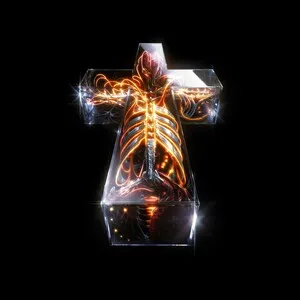
Hyperdrama
Justice
French Electro
Electro House
Synthwave
2018
3
/5
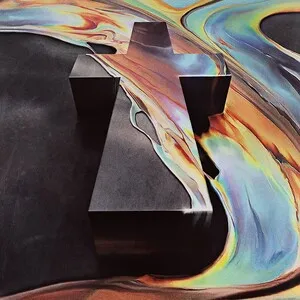
Woman Worldwide
Justice
French Electro
Electro House
House
2016
3
/5
Woman
Justice
French Electro
Electro House
Nu Disco
2011
3
/5
Audio, Video, Disco.
Justice
French Electro
Electronic
House
2007
1
/5
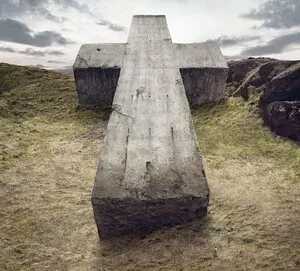
† [Cross]
Justice
Electro House
2007
4
/5
† [Cross]
Justice
French Electro
Dance-Punk
House
Similar artists
5
/5
Calvin Harris
Electro House
Progressive House
Electronic
4
/5
Boys Noize
Fidget House
Electro House
Electronic
3
/5
Yuksek
French House
Electrofox
Disco House
2
/5
ev.exi
French House
Future Funk
City Pop
4
/5
deadmau5
Canadian Electronic
Progressive House
Complextro
5
/5
David Guetta
Dance
Electronic
House
5
/5
Tiësto
Dance
Trance
Brostep
5
/5
Daft Punk
Electronic
Filter House
Electro
4
/5
Steve Aoki
Electro House
Big Room House
Chill Pop
4
/5
Duke Dumont
House
Progressive House
Edm
Download our mobile app
Get the Melodigging app and start digging for new genres on the go
Download on the App Store
Get it on Google Play
© 2026 Melodigging
Give feedback
Legal
Melodding was created as a tribute to
Every Noise at Once
, which inspired us to help curious minds keep digging into music's ever-evolving genres.