Genres
Artists
Albums
Make Music
Sign in
Sign in
Artists
Rock
Artists
Rock
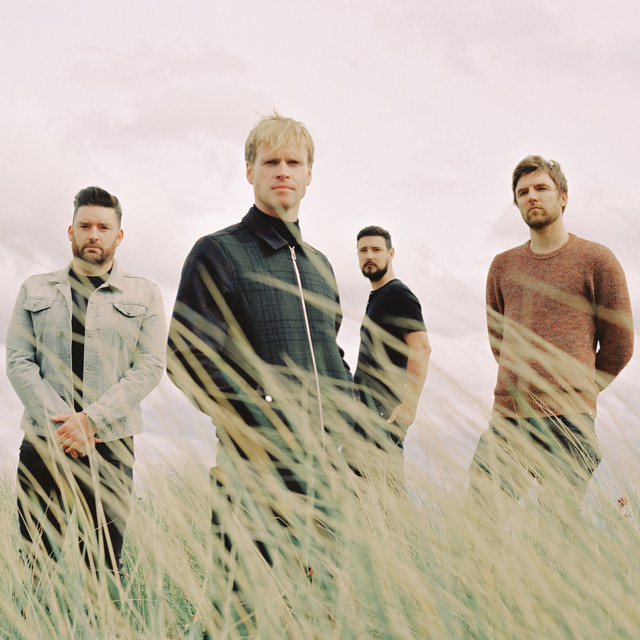
Kodaline
2026
·
1 album
Listen
4
/5
Genres
Chill R&b
Chill R&B is a mellow, atmospheric branch of contemporary R&B that emphasizes intimate vocals, warm harmonies, and low-key, downtempo grooves. It blends the songwriting and emotive delivery of classic R&B with modern, minimal production, often borrowing the hazy textures of lo-fi hip hop and the spacious sound design of ambient and chillwave. The style is defined by soft, close-miked vocals with layered harmonies, smooth chord extensions, and restrained drum programming that leaves plenty of negative space. Lyrically, it leans into late-night introspection, romance, self-reflection, and mood-setting imagery. The overall effect is cozy and cinematic, designed for headphones, night drives, and relaxed listening.
Discover
Listen
Melancholia
Melancholia is an internet-era microgenre centered on soft-focus, sorrow-tinged pop and indie songs that foreground intimacy, space, and emotional candor. Tracks are typically slow to mid‑tempo, sung in a close, almost confessional register, and framed by sparse, reverb‑soaked textures. Sonically it lives between dream pop, bedroom pop, and slowcore: shimmering guitars or wistful synth pads drift over understated beats; piano, acoustic guitar, and low‑key electronic drums carry muted, pulsing grooves. Harmonies often favor minor keys, suspended chords, and gentle extensions (7ths/9ths) that heighten a bittersweet glow. Lyrically, melancholia lingers on solitude, late‑night self‑reflection, breakups, and fragile hope. The genre coalesced through streaming playlists and social media, where its hush, negative space, and diaristic tone translate into a cohesive, instantly recognizable mood.
Discover
Listen
Shimmer Psych
Shimmer psych is a contemporary strand of neo‑psychedelia that pairs sparkling, chorus‑washed guitars and gauzy vocal harmonies with dreamy pop songcraft. It emphasizes high‑end "shimmer," tape‑soft saturation, hypnagogic textures, and melodic hooks, sitting between dream pop, jangle pop, and classic psychedelic rock. Typical tracks are mid‑tempo, built on warm bass lines, gentle motorik or laid‑back breakbeats, and drenched in reverb, phaser, and delay. The result is sun‑bleached, nostalgic, and kaleidoscopic rather than heavy or jam‑oriented.
Discover
Listen
Sleep
Sleep is a functional music category designed to support falling asleep and sustaining restful, uninterrupted sleep. It favors extremely low stimulation: slow or absent pulse, very soft dynamics, long envelopes, and timbres that avoid sharp transients. Stylistically, it borrows from ambient and new-age traditions (drones, gentle pads, soft piano), environmental and field recordings (rain, waves, wind), and unobtrusive tonal fragments. Production emphasizes smooth spectral balance, minimal movement, and gradual change so the listener can disengage without sudden arousal. In the streaming era, “sleep” became a distinct, curated space: long-form tracks and continuous mixes, colored-noise beds, and sparse neoclassical motifs, optimized for bedtime routines, night-long playback, and bedroom acoustics.
Discover
Listen
Tropical House
Tropical house is a mellow, melodic offshoot of deep house that blends a four-on-the-floor pulse with sun-soaked timbres like steel drums, marimba, pan flute, and warm acoustic guitar. It typically runs around 100–115 BPM, favors major-key progressions, and foregrounds breezy hooks over heavy drops, making it feel more like a summer pop record than a club banger. Vocals often carry romantic, nostalgic, or escapist themes—beaches, sunsets, and travel—while the production emphasizes soft percussion, sidechained pads, and a smooth, rolling sub. The genre rose to global prominence mid-2010s through hit remixes and crossover singles that brought house aesthetics into mainstream pop radio.
Discover
Listen
Writing
Writing is a functional, streaming-era microgenre designed to support reading and writing by providing an unobtrusive sonic backdrop. It favors gentle dynamics, sparse textures, and a stable emotional temperature that reduces distraction while maintaining a subtle sense of flow. The sound palette commonly blends modern classical elements (felt piano, light strings), ambient pads and drones, soft post-rock guitars with long reverb tails, and understated downtempo or lo-fi rhythms. Tempos are typically slow to moderate (often 60–90 BPM) or pulse-free, with simple, repetitive motifs and gradual evolution rather than dramatic contrasts. Harmonically, it leans on consonant, slowly changing chords, modal centers, and extended triads for warmth, avoiding sharp dissonance or sudden modulations. Vocals, when present at all, are wordless; most tracks are instrumental to preserve focus.
Discover
Listen
Deep New Americana
Deep new americana is a contemporary, roots-leaning micro‑scene that blends modern indie production aesthetics with the songcraft, storytelling, and acoustic textures of classic Americana. Compared with broader “new Americana,” the “deep” tag points to music that is earthier, more intimate, and less pop-facing: tube‑warm electric guitars, occasional pedal‑steel swells, fiddle or mandolin color, unhurried grooves, and close-knit vocal harmonies. Lyrics tend to be reflective and narrative, anchored in small details (roads, towns, seasons, family histories) while speaking to present-day anxieties and hopes. The sound favors organic recordings, dynamic performances, and arrangements that leave space for voices and instruments to breathe.
Discover
Listen
Draga
Draga is a Spanish‑language drag‑pop scene centered in Mexican queer nightlife and online culture. It blends high‑camp theatrics, witty and often satirical lyrics, and club‑ready production informed by electropop, reggaeton/dembow, moombahton, and ballroom vogue aesthetics. Tracks are typically hook‑driven and performance‑oriented—designed to work both as standalone pop singles and as lip‑sync or live show centerpieces. Vocals often mix melodic choruses with spoken attitude, ad‑libs, and punchline‑style one‑liners. The sound palette favors glossy synths, bouncy low‑end, clap‑heavy reggaeton grooves, and big, glittering drops, while visuals and persona are inseparable from the music’s meaning and impact.
Discover
Listen
Fake
“Fake” is an informal, streaming-era genre tag used for sound‑alike covers, karaoke takes, tribute recordings, and generic instrumental remakes that closely mimic current or classic hits. Rather than foregrounding the original songwriter’s concept, these recordings prioritize recognizability, search optimization, and fast turnaround. Session singers and studio players reproduce the hook, tempo, and arrangement with minimal reinterpretation; track and artist names often echo the original title or lyrical catchphrase to capture search traffic.
Discover
Listen
Indie Anthem-Folk
Indie anthem-folk blends the intimate storytelling and acoustic textures of indie folk with the big, festival-ready hooks and dynamics of anthemic pop-rock. You’ll hear stomping four-on-the-floor kick patterns, clap-and-tambourine backbeats, and rousing gang vocals that swell into shout-along choruses. Acoustic guitars, banjo, mandolin, and occasional fiddle carry bright, diatonic melodies, while floor toms, handclaps, and “whoa-oh” refrains turn small ideas into communal singalongs. Lyrically, it leans into themes of resilience, friendship, wanderlust, and hopeful nostalgia—music designed for campfire intimacy that scales to arena-sized catharsis.
Discover
Listen
Gauze Pop
Gauze pop is a hazy, soft‑focus strain of indie and electronic pop built around breathy vocals, blurred textures, and nostalgic synth palettes. The term evokes music that feels veiled—like hearing a pop song through gauze—where reverb, delay, chorus, and tape‑like warble soften contours and melt rhythms into a pastel wash. Musically it blends the tunefulness of synth‑pop and indietronica with the dreamy atmospherics of chillwave and dream pop. Tempo tends to sit in a relaxed mid‑range, drums are cushioned and low‑passed, and harmonies favor warm major‑7ths and add9 colors. The result is intimate, memory‑soaked pop that’s equal parts bedroom‑made and cinema‑wide.
Discover
Listen
Chill Dream Pop
Chill dream pop is a soft-focus, slow-tempo branch of dream pop that emphasizes hushed vocals, languid grooves, and a hazy, nocturnal atmosphere. It blends reverb-drenched guitars and shimmering synth pads with understated drum programming to create an intimate, weightless feel. Compared with classic dream pop, the “chill” variant leans further into minimalism and smooth, lo-fi textures, borrowing from chillwave and bedroom pop. Lyrics often center on memory, dusk-lit romance, and liminal spaces, delivered in a breathy, close-mic tone that sits inside lush ambient reverbs and delays.
Discover
Listen
Deep Indie Pop
Deep indie pop is a moody, finely textured branch of indie pop that favors introspective songwriting, soft-focus production, and intimate vocal delivery. It sits between bedroom pop and dream pop, borrowing lo‑fi warmth and hazy ambience while maintaining the hook sensibility of pop. Compared with mainstream indie pop, the "deep" variant leans toward slower to mid‑tempo grooves, lush synth pads, chorus‑soaked guitars, and subdued drum programming. Lyrics often explore memory, late‑night reflection, and bittersweet romance, presented with close‑miked, breathy vocals and understated arrangements.
Discover
Listen
Pianissimo
Pianissimo is a contemporary micro‑genre centered on very soft, intimate piano music designed for calm focus, rest, and reflection. It borrows the classical dynamic marking “pp” (very soft) as an aesthetic principle: close‑miked, felt‑damped pianos, sparse harmonies, slow tempos, and generous ambience. Emerging alongside the streaming era’s focus/sleep/reading playlists, the style sits between post‑classical minimalism and ambient music. Pieces are typically short miniatures, diatonic and melodic, with unobtrusive movement—music that can live comfortably in the background yet rewards attentive listening. Occasional cello or soft strings, subtle tape hiss, and long reverbs are common textural companions. Historically it traces a line from Satie’s quiet piano idiom and the American minimalist school to the 2000s–2010s “neo‑classical” wave (Einaudi, Frahm, Arnalds), but with an explicitly hushed, domestic sound that foregrounds tenderness, space, and restraint.
Discover
Listen
Modern Rock
Modern rock is an umbrella term and radio format used to describe contemporary rock music from the 1990s to the present. It distinguishes itself from classic rock (typically 1960s–1980s repertoire) by focusing on new and current acts across alternative, indie, post‑grunge, Britpop, garage revival, pop‑rock, and electro‑rock. Sonically, modern rock tends to feature guitar‑centric arrangements augmented by polished production, tight rhythmic backbones, and memorable vocal hooks, while remaining open to synths and electronic textures. Because "modern rock" is a format as much as a style, its palette is eclectic: it spotlights artists that cross over from alternative/indie scenes into broader radio visibility. The result is a radio‑friendly, hook‑forward approach that keeps pace with contemporary trends without abandoning rock’s core drive.
Discover
Listen
Alternative Rock
Alternative rock is a broad umbrella for guitar-based rock that emerged from the independent and college-radio scenes as a counterpoint to mainstream, commercial rock. It blends the energy and ethos of punk with the textural and songwriting experiments of post-punk, new wave, jangle pop, and noise rock, often foregrounding introspective or socially aware lyrics. Across its many strains—from the melodic minimalism of college rock to the loud-quiet-loud dynamics of grunge and the artful experimentation of Radiohead-era modernism—alternative rock prioritizes authenticity, sonic individuality, and a do-it-yourself approach. Its sound ranges from chiming, chorus-laden clean guitars to abrasive distortion and feedback, supported by straightforward rock rhythms or off-kilter grooves, and production that can be either raw and live-sounding or polished yet unconventional.
Discover
Listen
Indie Rock
Indie rock is a subgenre of rock and a branch of alternative rock that coalesced in the early–mid 1980s around independent labels and DIY practices in the United Kingdom, the United States, and New Zealand. Defined less by a single sound than by an ethos, indie rock favors non‑mainstream approaches, self‑recording and small‑label distribution, and an interest in pop‑informed melody and eclectic experimentation. Hallmarks include jangly or fuzzed guitars, intimate or deadpan vocals, off‑kilter song structures, and production that often preserves a raw, “authentic” feel rather than glossy studio polish.
Discover
Listen
Folk Rock
Folk rock is a fusion genre that blends the narrative lyricism, modal melodies, and acoustic timbres of traditional folk with the backbeat, amplification, and song structures of rock. It typically pairs acoustic or traditional instruments (acoustic guitar, mandolin, fiddle) with a rock rhythm section (electric guitar, bass, drums), often featuring chiming 12‑string guitar textures, close vocal harmonies, and socially conscious or storytelling lyrics. The result ranges from intimate, reflective ballads with a steady backbeat to more anthemic, roots‑driven rock. Emerging in the mid‑1960s through artists such as Bob Dylan and The Byrds, folk rock became a gateway for traditional and roots materials to enter mainstream popular music, and it seeded later movements from country rock and Americana to jangle pop and modern indie folk.
Discover
Listen
Rock
Rock is a broad family of popular music centered on amplified instruments, a strong backbeat, and song forms that foreground riffs, choruses, and anthemic hooks. Emerging from mid‑20th‑century American styles like rhythm & blues, country, and gospel-inflected rock and roll, rock quickly expanded in scope—absorbing folk, blues, and psychedelic ideas—while shaping global youth culture. Core sonic markers include electric guitar (often overdriven), electric bass, drum kit emphasizing beats 2 and 4, and emotive lead vocals. Rock songs commonly use verse–chorus structures, blues-derived harmony, and memorable melodic motifs, ranging from intimate ballads to high‑energy, stadium‑sized performances.
Discover
Listen
Show all 19 genres
Albums
2026
We Were Only Young
Kodaline
Rock
Similar artists
4
/5
Vance Joy
Folk Pop
Stomp And Holler
Chill Pop
4
/5
Milky Chance
Stomp And Holler
Chill Pop
Chill R&b
5
/5
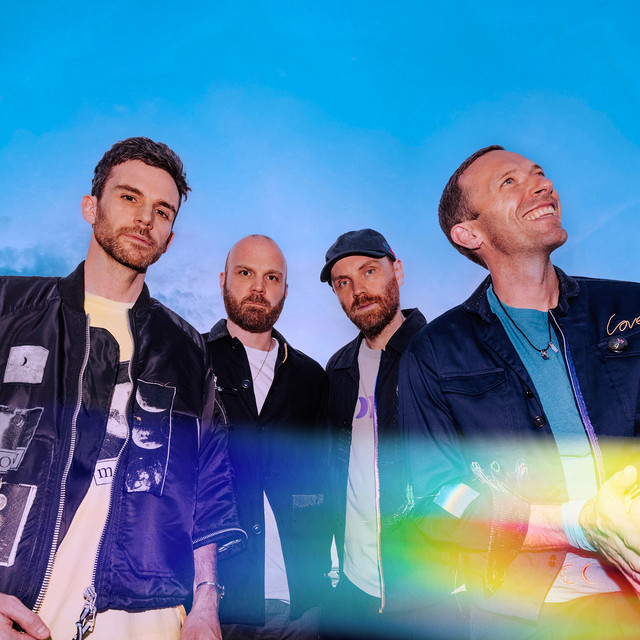
Coldplay
Rock
Permanent Wave
Alternative Rock
5
/5
Imagine Dragons
Rock
Pop
Alternative Rock
5
/5
Post Malone
Melodic Rap
Hip Hop
Pop
4
/5
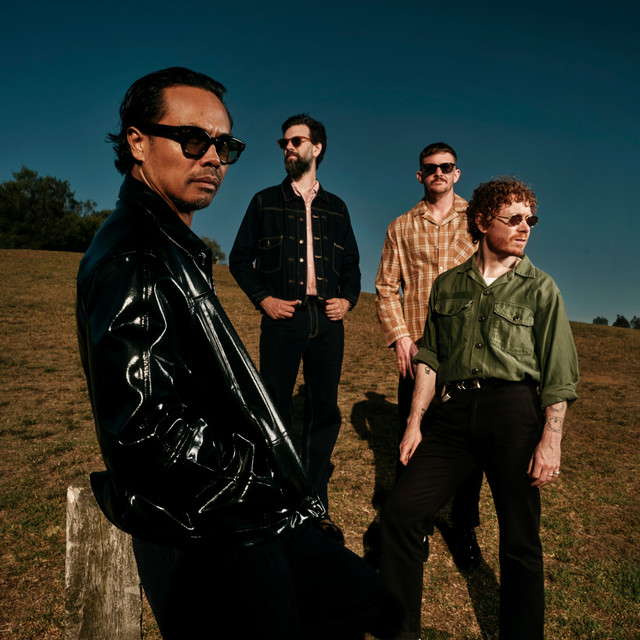
The Temper Trap
Shimmer Pop
Indietronica
Alternative Rock
5
/5
Michael Jackson
Soul
Pop
Contemporary R&b
5
/5
Tame Impala
Psychedelic Pop
Indie
Neo-Psychedelia
5
/5
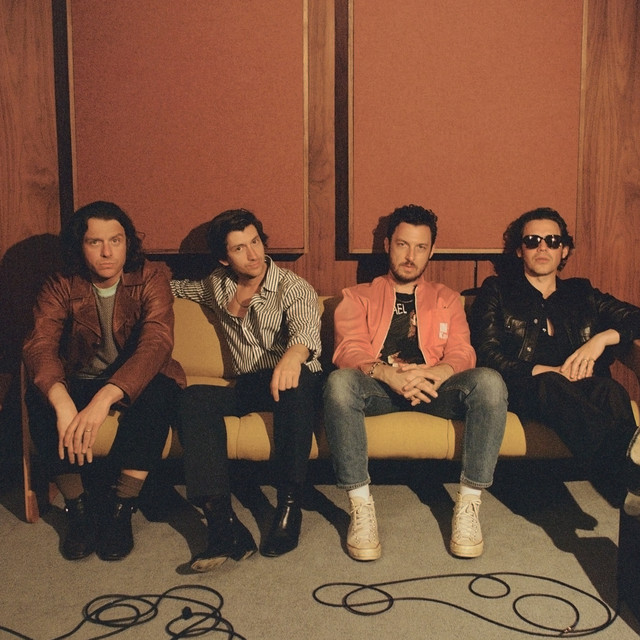
Arctic Monkeys
Garage Rock
Indie
Indie Rock
5
/5
Twenty One Pilots
Modern Rock
Rock
Indie Pop
Download our mobile app
Get the Melodigging app and start digging for new genres on the go
Download on the App Store
Get it on Google Play
© 2026 Melodigging
Give feedback
Legal
Melodding was created as a tribute to
Every Noise at Once
, which inspired us to help curious minds keep digging into music's ever-evolving genres.