Genres
Artists
Albums
Make Music
Sign in
Sign in
Artists
African-American Classical
Artists
African-American Classical
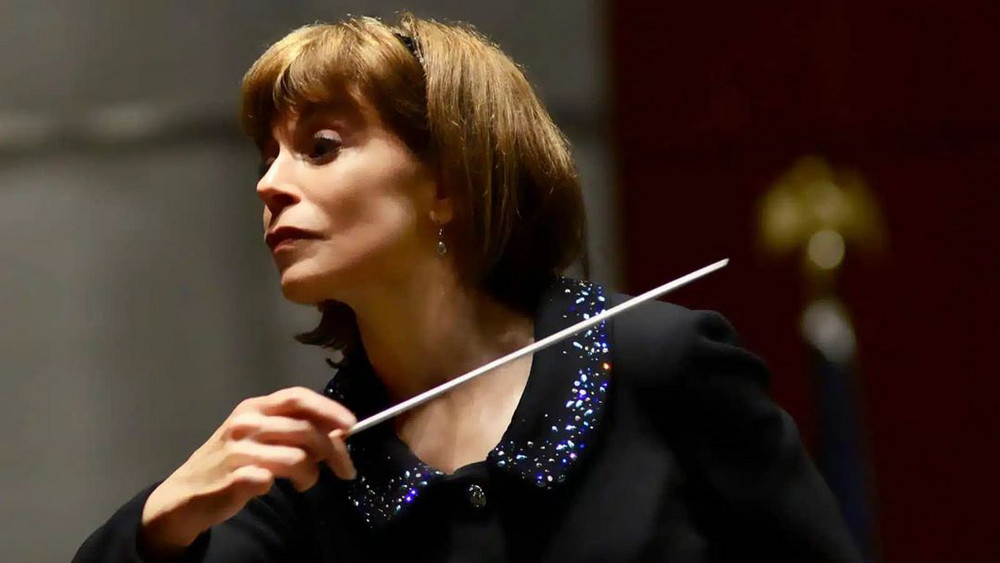
Joann Falletta
2012–2024
·
5 albums
Listen
3
/5
Genres
Contemporary Classical
Contemporary classical is the broad field of Western art music created after World War II. It embraces an array of aesthetics—from serialism and indeterminacy to minimalism, spectralism, electroacoustic practices, and post‑tonal lyricism—while retaining a concern for notated composition and timbral innovation. Unlike the unified styles of earlier eras, contemporary classical is pluralistic. Composers freely mix acoustic and electronic sound, expand instrumental techniques, adopt non‑Western tuning and rhythm, and explore new forms, from process-based structures to open and graphic scores. The result is a music that can be rigorously complex or radically simple, technologically experimental or intimately acoustic, yet consistently focused on extending how musical time, timbre, and form can be shaped.
Discover
Listen
Classical Countertenor
The classical countertenor is a male singing voice that utilizes a developed falsetto or head voice technique to sing in the alto, mezzo-soprano, or soprano range, typically spanning from G3 to E5 or F5. Historically associated with the 'contratenor altus' line in early polyphony and later the English cathedral tradition, the modern genre emerged as a solo art form in the mid-20th century. It is characterized by a pure, often vibrato-less, and ethereal tone that distinguishes it from female voices in the same range. While the repertoire is heavily rooted in the Baroque era (originally written for castrati), the genre has expanded to include Renaissance lute songs, contemporary classical compositions, and art songs.
Discover
Listen
American Modern Classical
American modern classical is a broad umbrella for concert music created by U.S.-based composers from the early 20th century to the present that embraces modernist and postmodern approaches. It often combines European classical forms with distinctly American elements such as jazz harmony, vernacular rhythms, popular-song clarity, minimalism, experimental timbre, and new technologies. The style ranges widely—from dissonant, highly structured modernism and complex rhythmic writing to repetitive minimalism, spacious post-minimal textures, and contemporary cinematic/neo-classical language—so it is best understood as a scene and lineage rather than a single fixed sound.
Discover
Listen
African-American Classical
African-American classical refers to concert music in the Western art-music tradition written or led by African-American composers and performers. It encompasses orchestral, chamber, choral, operatic, and solo repertoire that speaks in the language of classical form and notation while drawing on the rhythms, scales, timbres, and stories of the African diaspora in the United States. Typical markers include the incorporation of spirituals, blues inflections, call-and-response textures, cakewalk and ragtime rhythms, and programmatic subjects tied to Black history and experience. Stylistically it ranges from late-Romantic symphonic writing through mid‑century modernism and post‑minimalism to today’s genre-fluid concert music.
Discover
Listen
Impressionism
Impressionism in music is a late-19th- and early-20th-century style that prioritizes color, atmosphere, and suggestion over overt drama and functional harmonic progressions. Originating in France, it parallels the visual arts movement in its fascination with light, timbre, and fleeting impressions. Musically, the style favors modal, pentatonic, and whole‑tone materials; parallel (planed) chords; unresolved dissonances; and ambiguous tonal centers. Rhythms are flexible and often blur a sense of strong meter, while textures shimmer through delicate orchestration, pedal tones, and arpeggiated figures. Rather than strict sonata designs, impressionist works tend to be episodic, evocative, and programmatic, conjuring landscapes, water, night, and dreamlike states.
Discover
Listen
Late Romantic Era
Late Romantic era refers to the final flowering of 19th‑century Romantic music, roughly from the 1860s to the early 1910s. It is characterized by maximal orchestral forces, lush chromatic harmony, long‑breathed melody, and a highly expressive, often narrative approach to form. Composers expanded tonal language through extended and altered chords, distant modulations, and intricate leitmotivic development, while stretching classical forms (symphony, opera, concerto, symphonic poem) to epic scale. Programmatic ideas, philosophical themes, and intense emotional contrasts are common, and rubato, timbral color, and virtuoso orchestration play central roles.
Discover
Listen
American Orchestra
American orchestra refers to the tradition and sound-world of symphonic and concert orchestras based in the United States. It is centered on large ensemble performance (strings, woodwinds, brass, percussion, and sometimes harp, piano/celesta, and auxiliary instruments) across the Western classical repertoire, but it is also shaped by specifically American institutional history, performance practice, commissioning culture, and repertoire preferences. In practical listening terms, it often points to recordings and performances by U.S. orchestras and conductors, spanning Romantic symphonies, late-Romantic tone poems, 20th/21st-century concert music, and American concert works (including nationalist, modernist, and film-influenced symphonic idioms).
Discover
Listen
Classical Flute
Classical flute refers to the Western art‑music repertoire and performance practice centered on the transverse concert flute, from the Baroque era through the Classical, Romantic, and modern periods. The genre encompasses solo literature (sonatas, partitas, fantasies), concertos with orchestra, chamber music with strings, piano, or harp, and orchestral parts where the flute often carries lyrical lines or brilliant passagework. Stylistically, it ranges from the ornate ornamentation of the Baroque traverso to the clear, balanced phrasing of the Classical era, the expressive cantabile and coloristic writing of the Romantic period, and the expanded timbral and technical palette of the 20th and 21st centuries. Technically, the modern Boehm‑system flute (standardized in the 19th century) supports agile articulation, wide dynamic range, and extended techniques, enabling composers to treat the instrument as both a singing voice and a virtuoso vehicle.
Discover
Listen
Orchestral
Orchestral music refers to compositions written for an orchestra—a large ensemble typically built around a string section (violins, violas, cellos, double basses), complemented by woodwinds, brass, percussion, and often harp, keyboard, or other auxiliary instruments. A conductor coordinates the ensemble, shaping balance, phrasing, and expression. The style emphasizes coloristic timbre combinations, dynamic range from the softest pianissimo to explosive tuttis, and textures that can shift seamlessly between transparent chamber-like writing and monumental masses of sound. Orchestral writing underpins concert genres such as symphonies, overtures, and tone poems, as well as opera, ballet, and modern film and game scores. While orchestral writing evolved across centuries, its core craft centers on melody, counterpoint, harmony, register, and orchestration—the art of assigning musical ideas to instruments to achieve clarity, contrast, and narrative impact.
Discover
Listen
Classical
Classical music is the notated art-music tradition of Europe and its global descendants, characterized by durable forms, carefully codified harmony and counterpoint, and a literate score-based practice. The term “classical” can refer broadly to the entire Western art-music lineage from the Medieval era to today, not just the Classical period (c. 1750s–1820s). It privileges long-form structures (such as symphonies, sonatas, concertos, masses, and operas), functional or modal harmony, thematic development, and timbral nuance across ensembles ranging from solo instruments to full orchestras and choirs. Across centuries, the style evolved from chant and modal polyphony to tonal harmony, and later to post-tonal idioms, while maintaining a shared emphasis on written notation, performance practice, and craft.
Discover
Listen
Show all 10 genres
Albums
2024
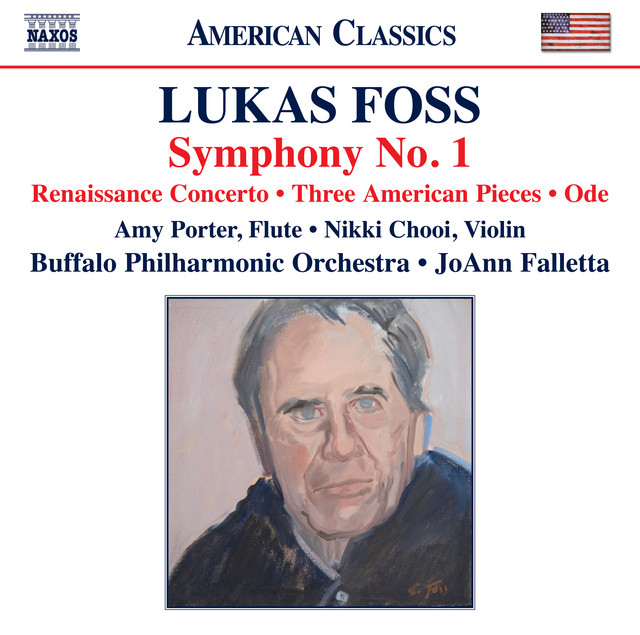
Lukas Foss: Symphony No. 1 & Renaissance Concerto
Lukas Foss, Amy Porter, Nikki Chooi, Buffalo Philharmonic Orchestra, Joann Fall…
American Modern Classical
Classical Flute
2023
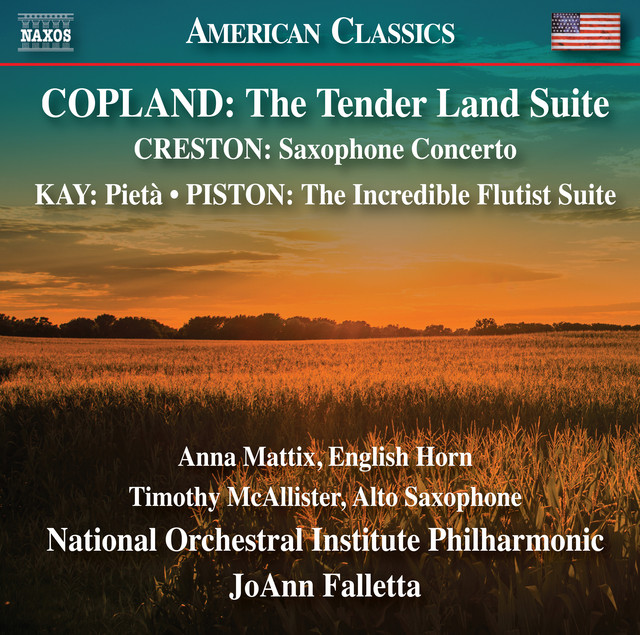
Copland, Creston & Others: Orchestral Works
Anna Mattix, Timothy McAllister, National Orchestral Institute Philharmonic, Jo…
American Modern Classical
African-American Classical
2018
Fuchs: Piano Concerto "Spiritualist"
Kenneth Fuchs, Joann Falletta, London Symphony Orchestra
Classical Countertenor
2015
Paine: Orchestral Works, Vol. 2
John Knowles Paine, Ulster Orchestra, Joann Falletta
Late Romantic Era
2012
Hailstork: Orchestral Music
Adolphus Hailstork, Joann Falletta, Virginia Symphony Orchestra
African-American Classical
American Orchestra
Similar artists
3
/5
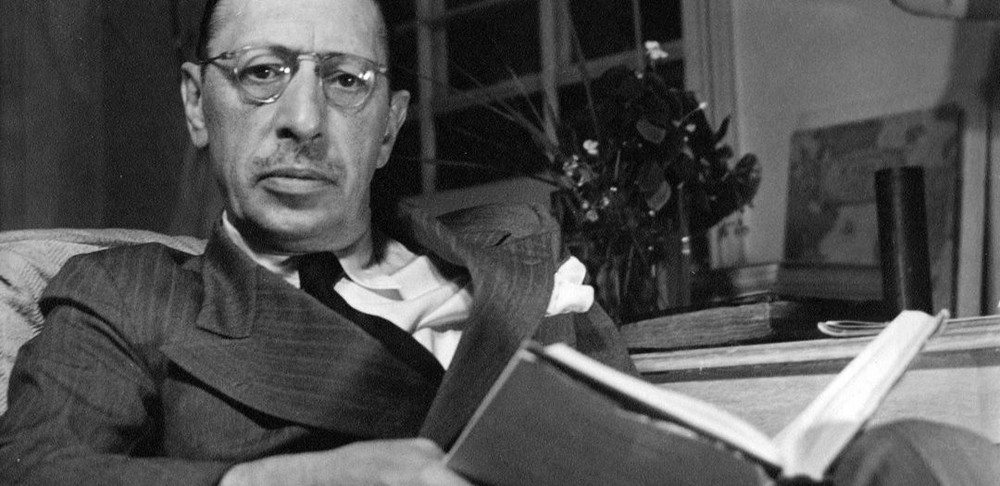
Igor Stravinsky
Neoclassicism
Classical
Ballet
3
/5
Pierre Boulez
Classical
Serialism
Second Viennese School
4
/5
Berliner Philharmoniker
Classical
Symphony
Romantic Classical
3
/5
Jean Sibelius
Classical
Concerto
Impressionism
3
/5
Seiji Ozawa
Concerto
Classical
Moscow School
3
/5
BBC Symphony Orchestra
Classical
Concerto
Contemporary Classical
3
/5
Pierre-Laurent Aimard
Classical
Classical Piano
Contemporary Classical
1
/5
Various Artists
Soundtrack
Afro-Funk
Alternative Rock
4
/5
Johann Sebastian Bach
Baroque
Classical
Baroque Suite
4
/5
London Symphony Orchestra
Classical
Ballet
Concerto
Download our mobile app
Get the Melodigging app and start digging for new genres on the go
Download on the App Store
Get it on Google Play
© 2026 Melodigging
Give feedback
Legal
Melodding was created as a tribute to
Every Noise at Once
, which inspired us to help curious minds keep digging into music's ever-evolving genres.